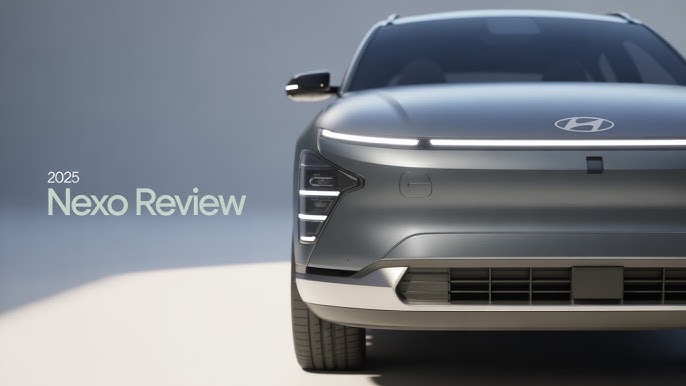
Are you curious about the future of eco-friendly driving? The 2025 Hyundai Nexo Hydrogen SUV offers a fascinating glimpse into how cutting-edge technology can change the way you experience the road.
This isn’t just another electric vehicle—it’s powered by hydrogen fuel cells that produce zero emissions, combining innovation with sustainability. You’ll discover exactly how the Nexo’s advanced systems work, what makes its technology unique, and why it might be the perfect choice for your next SUV.
Ready to explore the tech that’s driving the future? Let’s break down the Hyundai Nexo’s hydrogen power and see what sets it apart.
Fuel Cell Powertrain
The 2025 Hyundai Nexo features an advanced fuel cell powertrain. This technology uses hydrogen gas to create electricity. It powers the electric motor without harmful emissions. The system offers a clean and efficient way to drive an SUV. Understanding how this fuel cell powertrain works reveals its potential for the future of transportation.
Hydrogen To Electricity Process
Hydrogen gas enters the fuel cell stack through the anode side. Inside, it splits into protons and electrons. The electrons travel through an external circuit, creating electric power. Protons move through the electrolyte to the cathode. There, they combine with oxygen and electrons. This reaction generates electricity and heat to run the vehicle.
Fuel Cell Stack Components
The fuel cell stack includes key parts: anode, cathode, and electrolyte membrane. The anode helps separate hydrogen into protons and electrons. The electrolyte membrane allows only protons to pass through. The cathode combines protons, electrons, and oxygen from the air. These components work together to produce continuous electricity safely and quietly.
Water Vapor Emission
The only byproduct from the fuel cell is water vapor. This comes from the reaction between hydrogen and oxygen. Water exits the tailpipe as clean steam. There are no harmful gases or pollutants released. This makes the Hyundai Nexo an eco-friendly SUV choice for cleaner air.
Performance Features
The 2025 Hyundai Nexo Hydrogen SUV offers advanced performance features designed to deliver a smooth, powerful driving experience. Its innovative hydrogen fuel cell technology provides clean energy with quick response and solid power. These performance aspects make the Nexo a strong choice for eco-conscious drivers who want reliability and efficiency.
Power Output And Acceleration
The Hyundai Nexo produces 161 horsepower from its fuel cell system. This output allows it to accelerate smoothly and confidently. It can reach 60 mph in about 9.5 seconds. The electric motor provides instant torque, helping the SUV respond quickly to driver input. This results in a quiet and comfortable ride with steady power delivery.
Driving Range And Efficiency
The Nexo offers an impressive driving range of up to 380 miles on a full hydrogen tank. This range suits both city driving and longer trips. It uses hydrogen efficiently, converting it directly into electricity without burning fuel. This efficiency reduces emissions to zero, emitting only water vapor. The SUV’s lightweight design also helps improve fuel economy and range.
Hydrogen Refueling Time
Refueling the Hyundai Nexo takes about five minutes. This fast refueling time rivals traditional gasoline vehicles. Drivers can fill the hydrogen tank quickly at public refueling stations. This convenience eliminates long waits often seen with electric vehicle charging. The Nexo’s refueling speed makes it practical for daily use and long-distance travel.
Advanced Safety Systems
The 2025 Hyundai Nexo Hydrogen SUV integrates advanced safety systems to protect passengers and others on the road. These systems use smart sensors and cameras to monitor the environment constantly. The goal is to reduce risks and improve driving confidence. Hyundai combines driver assistance, collision avoidance, and hydrogen safety measures in one package.
Driver Assistance Technologies
The Nexo features multiple driver assistance tools. Adaptive cruise control maintains a safe distance from cars ahead. Lane keeping assist helps the vehicle stay centered in its lane. Blind spot detection alerts drivers of cars in adjacent lanes. These systems work together to make driving easier and safer.
Collision Avoidance Features
The SUV uses radar and cameras to detect potential collisions. Automatic emergency braking activates if a crash is imminent. Forward collision warning alerts the driver early to react. Pedestrian detection protects people crossing the street. These features lower the chance of accidents and injuries.
Hydrogen Safety Measures
Hydrogen safety is crucial for fuel cell vehicles like the Nexo. The SUV has reinforced hydrogen tanks designed to withstand impacts. Multiple sensors monitor hydrogen pressure and leaks in real time. In case of a leak, the system shuts off hydrogen flow immediately. These steps ensure safe operation and peace of mind.
Interior And Infotainment
The 2025 Hyundai Nexo offers a unique blend of comfort and technology inside its cabin. It focuses on providing a relaxing environment for both drivers and passengers. The interior combines modern design with practical features. The infotainment system supports seamless connectivity and easy control. This section breaks down the key aspects of the Nexo’s interior and infotainment technology.
Cabin Design And Comfort
The Hyundai Nexo’s cabin boasts a spacious layout with quality materials. Seats are designed for long drives, offering excellent support and cushioning. Soft-touch surfaces and ambient lighting create a calming atmosphere. Noise reduction technology ensures a quiet ride, enhancing comfort. Ample legroom and headroom accommodate all passengers comfortably.
Connectivity Options
The Nexo features multiple connectivity options to keep you linked. It supports Apple CarPlay and Android Auto for smartphone integration. Bluetooth and USB ports allow easy connection of devices. Wireless charging pads eliminate cable clutter. Voice recognition helps control music and navigation without distraction.
Smart Dashboard Features
The dashboard displays key information clearly and intuitively. A large digital instrument cluster shows speed, fuel levels, and driving modes. The touchscreen infotainment system is user-friendly and responsive. Built-in navigation offers real-time traffic updates. Advanced driver assistance system alerts appear on the screen for safety.
Environmental Impact
The 2025 Hyundai Nexo Hydrogen SUV offers a new way to reduce pollution. It uses hydrogen fuel cells that create energy without harmful gases. This makes it a clean option for daily driving. The SUV’s design focuses on lowering carbon footprint and protecting the planet.
Understanding its environmental impact helps buyers see its value beyond just performance. The Nexo supports a shift to greener transport with zero emissions. This section breaks down its key eco-friendly features.
Zero Emission Benefits
The Nexo emits only water vapor from its tailpipe. It produces no carbon dioxide or other pollutants. This helps reduce air pollution in cities. Clean air improves health and lowers respiratory problems. Driving a zero-emission vehicle means less impact on climate change. The Nexo runs quietly, reducing noise pollution too.
Sustainability Of Hydrogen Fuel
Hydrogen fuel can come from renewable sources like wind and solar. This makes it a sustainable energy option. Hydrogen is abundant and can be produced with low environmental cost. Using hydrogen in vehicles helps reduce dependence on fossil fuels. The Nexo’s fuel cell system is efficient and recyclable. This supports a circular economy with less waste.
Comparison With Electric Suvs
Electric SUVs run on batteries that need rare materials. Battery production can cause environmental harm and waste. The Nexo refuels faster than electric SUVs recharge. This adds convenience for long trips. Hydrogen fuel cells offer longer driving ranges without heavy batteries. Both options are clean, but the Nexo uses a different eco-friendly approach.

Maintenance And Costs
The 2025 Hyundai Nexo Hydrogen SUV offers a unique maintenance profile compared to traditional vehicles. Understanding its maintenance and costs helps owners prepare for ownership. The hydrogen fuel cell technology changes how service needs and expenses add up over time.
Unlike gasoline cars, the Nexo uses hydrogen to generate power, which means fewer moving parts. This leads to simpler maintenance but some special requirements. The following sections explain what owners should expect.
Service Requirements
The Nexo needs regular checks on its hydrogen fuel system. This includes inspecting fuel lines and storage tanks for leaks. The electric motor and fuel cell stack require minimal routine service. Brake systems and tires need normal attention like any other SUV. Software updates keep the vehicle running smoothly and improve efficiency. Service intervals are longer than traditional engines, reducing visits to the shop.
Long-term Reliability
The Nexo is built with durable components designed for long use. Hydrogen fuel cells have fewer parts that wear out quickly. The electric drive system reduces mechanical stress. Hyundai provides warranties covering key elements like the fuel cell and battery. Proper maintenance ensures the vehicle stays reliable for many years. Overall, owners can expect less frequent repairs than conventional SUVs.
Cost Of Ownership
Fuel costs for the Nexo depend on hydrogen prices, which vary by location. Maintenance costs are generally lower due to fewer moving parts. Insurance rates align with other midsize SUVs in the market. The initial purchase price is higher than gasoline models, but savings come from fuel and service. Incentives and tax credits can help offset upfront costs. Owners benefit from a quieter, cleaner, and lower-maintenance driving experience.
Manufacturing And Design
The 2025 Hyundai Nexo stands out with its advanced manufacturing and thoughtful design. Every element focuses on efficiency, sustainability, and user experience. Hyundai builds this hydrogen SUV to meet modern needs while pushing eco-friendly vehicle production.
The process combines smart factory techniques and innovative materials. This ensures a durable, lightweight, and stylish SUV. The design reflects Hyundai’s vision for the future of clean transportation.
Production Location
The Hyundai Nexo is produced in South Korea. Specifically, the Ulsan plant handles its assembly. This factory is one of the largest in the world. It uses high-tech automation and strict quality controls. These methods ensure each Nexo meets high standards. The location supports efficient logistics and supply chain management.
Design Philosophy
Hyundai’s design for the Nexo balances style with function. The SUV features smooth, aerodynamic lines that reduce drag. This helps improve fuel efficiency. The cabin focuses on comfort and space. Controls are simple and intuitive for easy use. Hyundai aims for a modern look that also feels familiar and welcoming.
Material Innovations
The Nexo uses lightweight materials to boost range and performance. Aluminum and high-strength steel form the frame. These materials provide strength without adding weight. Inside, eco-friendly fabrics and recycled components appear. This reflects Hyundai’s commitment to sustainability. The careful choice of materials helps lower the vehicle’s environmental footprint.
Technology Innovations
The 2025 Hyundai Nexo Hydrogen SUV brings smart technology innovations. It focuses on safety, efficiency, and sustainability. These advances make hydrogen power more practical for everyday use.
Hyundai improves key systems to boost performance and reliability. The technology inside Nexo shows how clean energy vehicles can evolve. Below, we break down the main innovations driving this SUV.
Hydrogen Storage Systems
Nexo uses advanced hydrogen tanks that store gas at high pressure. These tanks are made from strong, lightweight materials. They keep hydrogen safe and secure during driving. The design allows for a longer driving range without adding extra weight.
Efficient storage means faster refueling and more miles per tank. Hyundai’s system also meets strict safety standards. It protects passengers and the environment in case of accidents.
Thermal Management
Maintaining ideal temperatures helps Nexo’s fuel cell work better. The thermal management system cools or heats parts as needed. It prevents overheating and improves fuel cell lifespan.
This system also controls cabin temperature for passenger comfort. It uses energy smartly to reduce waste. Thermal control ensures steady performance in hot and cold weather.
Energy Recovery Systems
Nexo captures energy during braking and stores it for reuse. This regenerative braking boosts overall efficiency. It helps recharge the battery without plugging in.
The recovered energy powers the vehicle’s electrical systems. This system lowers fuel consumption and extends driving range. It also reduces wear on traditional brakes for less maintenance.
Market Position And Comparison
The 2025 Hyundai Nexo holds a unique position in the evolving hydrogen SUV market. It blends eco-friendly technology with practical SUV features. This model competes in a niche where few vehicles use hydrogen fuel cells. Comparing the Nexo to other vehicles helps understand its strengths and challenges. Its market position depends on technology, price, and consumer interest. The following sections break down its competitors, comparisons to Tesla models, and future prospects.
Competitors In Hydrogen Suvs
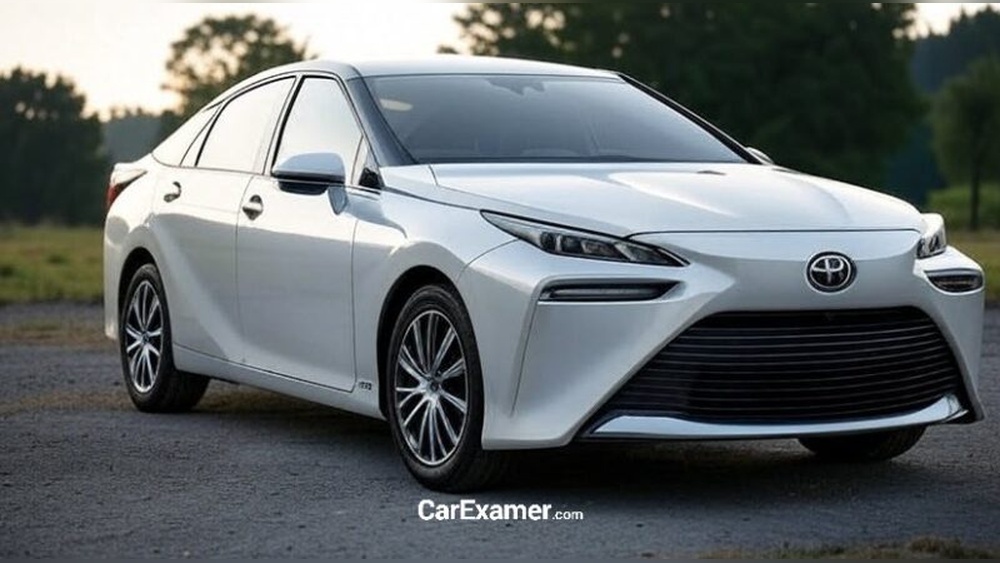
The hydrogen SUV market is still small. Key competitors include the Toyota Mirai and Honda Clarity. These models also use fuel cell technology but differ in design and range. The Hyundai Nexo offers a longer driving range and faster refueling. It also provides more interior space than some rivals. These factors help the Nexo stand out in a limited market.
Comparison With Tesla Models
Tesla dominates the electric SUV segment with battery electric vehicles. The Nexo uses hydrogen instead of batteries, offering quicker refuel times. Tesla models, like the Model Y, have longer driving ranges on a single charge. Tesla’s charging network is more widespread than hydrogen stations. The Nexo appeals to buyers wanting zero emissions without long charging waits. Each has strengths that serve different customer needs.
Future Market Prospects
Hydrogen fuel cell technology is gaining attention worldwide. Governments support hydrogen infrastructure, boosting vehicles like the Nexo. Hyundai plans to expand its hydrogen lineup. More hydrogen stations will increase Nexo’s usability. Consumer awareness about hydrogen’s benefits is growing. The Nexo’s future depends on infrastructure and cost improvements. It remains a strong player as hydrogen moves into the mainstream.

Frequently Asked Questions
How Does The Hyundai Nexo Work?
The Hyundai Nexo uses hydrogen fuel cells to generate electricity by combining hydrogen with oxygen. This powers the electric motor and emits only water vapor.
How Does The Hyundai Nexo Compare To Tesla?
The Hyundai Nexo uses hydrogen fuel cells, offering longer range and quick refueling. Tesla relies on battery electric power with extensive charging networks. Nexo emits only water vapor, while Tesla produces zero emissions. Tesla leads in tech features and charging infrastructure; Nexo excels in eco-friendly fuel technology and range.
Is It Expensive To Maintain A Hyundai Nexo?
Maintaining a Hyundai Nexo is moderately priced due to fewer moving parts in its fuel cell system. Routine checks and hydrogen refills keep costs reasonable. Overall, maintenance expenses are lower than many traditional combustion vehicles, making it an economical choice for eco-friendly driving.
Where Is The Hyundai Nexo Manufactured?
The Hyundai Nexo is manufactured in South Korea at Hyundai’s Ulsan plant. This facility handles its advanced hydrogen fuel cell production.
Conclusion
The 2025 Hyundai Nexo combines clean energy with smart technology. It uses hydrogen fuel cells to power the SUV efficiently. This system produces only water vapor as emissions. The Nexo offers a quiet and smooth driving experience. Its advanced sensors help with safety and convenience on the road.
Drivers can enjoy longer ranges without frequent stops. Hyundai’s focus on hydrogen shows promise for future vehicles. The Nexo stands as a strong example of eco-friendly innovation in SUVs. It is a practical step toward greener transportation.