

Are you curious about a new way to power your car that’s clean, efficient, and powerful? Driving a hydrogen fuel cell vehicle might be the game-changer you’ve been waiting for.
Imagine a car that runs quietly, emits no harmful gases, and refuels in just minutes—giving you the freedom to drive without compromise. You’ll discover the real benefits of hydrogen fuel cell vehicles and why they could be the smart choice for your next ride.
Keep reading to find out how this technology can transform your driving experience and help protect the planet at the same time.

Credit: www.sciencedirect.com
Cleaner Emissions
Driving hydrogen fuel cell vehicles offers a significant advantage in reducing harmful emissions. These vehicles produce cleaner emissions compared to traditional gasoline cars. The technology helps lower air pollution and supports a healthier environment.
Zero Tailpipe Pollution
Hydrogen fuel cell vehicles release only water vapor from their tailpipes. No harmful gases like carbon monoxide or nitrogen oxides come out. This means no smog or toxic fumes are added to the air we breathe. It is a big step toward cleaner air in cities and towns.
Reduced Greenhouse Gases
Hydrogen fuel cells generate power without burning fossil fuels. This reduces carbon dioxide emissions, a major cause of global warming. Using hydrogen vehicles can cut down the total greenhouse gases released into the atmosphere. It helps fight climate change and protect the planet.
Impact On Urban Air Quality
Cities often struggle with poor air quality due to vehicle pollution. Hydrogen fuel cell cars produce almost no pollutants that harm health. Cleaner air means fewer respiratory problems and better overall public health. These vehicles contribute to making urban areas safer and more pleasant to live in.
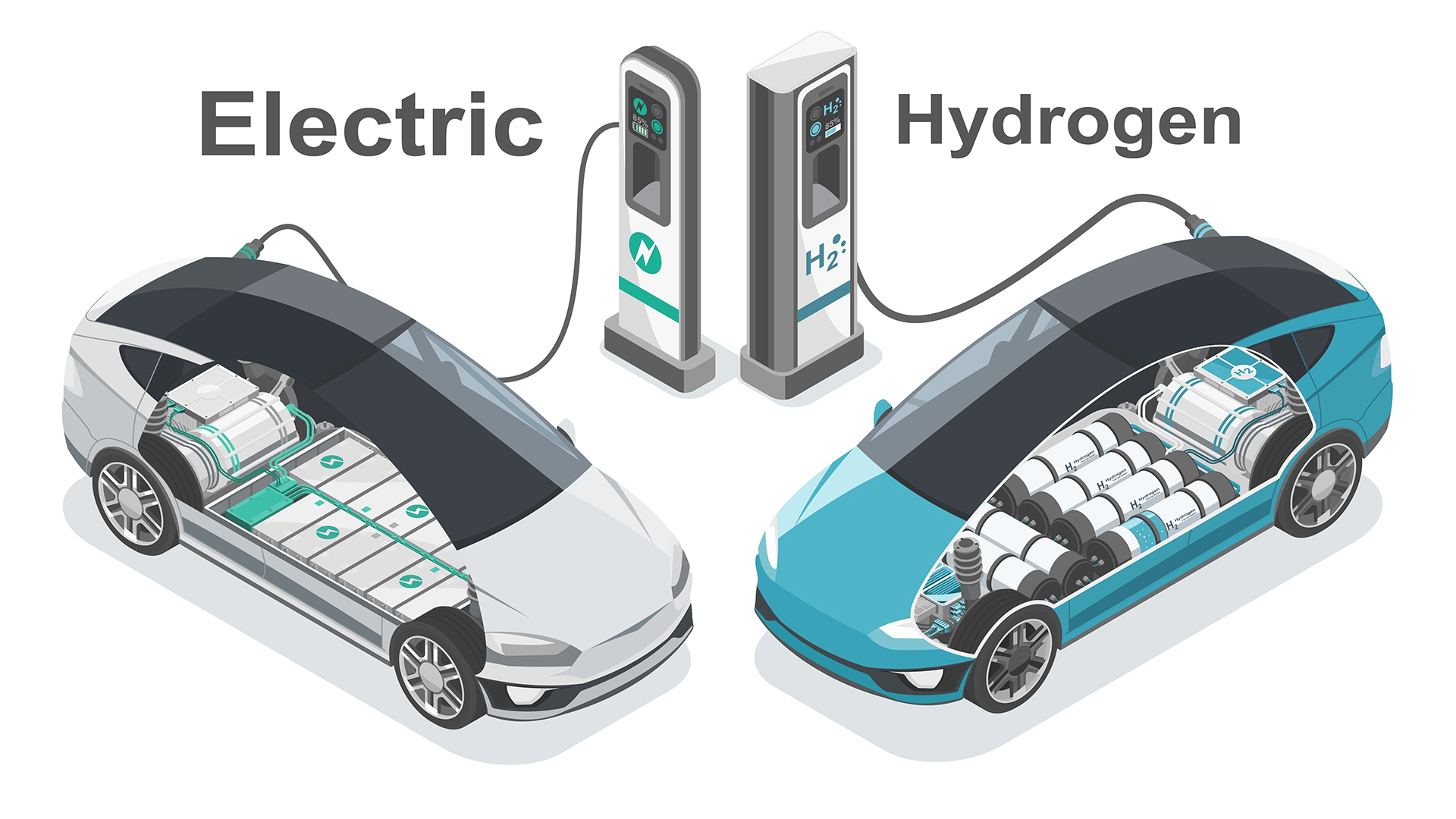
Credit: www.innovationnewsnetwork.com
Energy Efficiency
Energy efficiency plays a key role in the appeal of hydrogen fuel cell vehicles. These vehicles convert hydrogen gas into electricity through a chemical reaction. This process powers the electric motor without burning fuel. As a result, hydrogen fuel cell vehicles use energy more effectively than traditional cars.
Fuel Cell Operation Basics
Hydrogen fuel cells generate electricity by combining hydrogen with oxygen. This reaction produces water as the only byproduct. The fuel cell system converts chemical energy directly into electrical energy. It avoids combustion, which causes energy loss in gasoline engines. This direct conversion improves overall efficiency.
Efficiency Compared To Gasoline
Gasoline engines waste a lot of energy as heat. Most engines convert only about 20-30% of fuel energy into motion. Hydrogen fuel cells can achieve efficiency rates of 40-60%. This means more of the stored energy moves the vehicle. As a result, hydrogen cars use less fuel for the same distance.
Comparison With Battery Electric Vehicles
Battery electric vehicles (BEVs) convert stored electrical energy directly to power. They often reach 85-90% efficiency from grid to wheels. Hydrogen vehicles face energy loss during hydrogen production and compression. Despite this, fuel cell vehicles recharge faster and offer longer driving ranges. This makes them a strong option for specific uses.
Performance Benefits
Hydrogen fuel cell vehicles offer notable performance benefits that enhance the driving experience. These vehicles combine advanced technology with practical features that suit daily use and long trips. Their design focuses on efficiency, power, and comfort.
Quiet And Smooth Driving
Hydrogen fuel cell vehicles operate almost silently. The electric motor produces minimal noise. This creates a calm and peaceful ride. Vibrations and jerks common in traditional engines are greatly reduced. Drivers enjoy a smooth, steady drive on all road types.
Power And Acceleration
These vehicles deliver strong and consistent power. The electric motor provides instant torque. This results in quick acceleration from a standstill. Drivers feel confident merging and overtaking. Performance matches or exceeds many gasoline cars.
Driving Range And Refueling Speed
Hydrogen fuel cell cars can travel long distances on one tank. Many models cover over 300 miles without refueling. Refilling hydrogen takes only a few minutes. This speed is similar to gasoline vehicles, much faster than battery electric cars. It suits busy drivers and long trips well.
Infrastructure Developments
Infrastructure developments play a crucial role in the adoption of hydrogen fuel cell vehicles. Building a reliable network of refueling stations is key. This network ensures drivers can refuel quickly and travel longer distances with ease. Progress in infrastructure boosts confidence in hydrogen technology and supports its growth.
Hydrogen Refueling Stations Growth
The number of hydrogen refueling stations is steadily increasing worldwide. Many countries focus on expanding these stations in urban and highway areas. This growth helps reduce range anxiety for hydrogen vehicle owners. More stations make hydrogen cars a practical choice for daily use and trips.
Challenges In Station Deployment
Building hydrogen refueling stations faces several challenges. High costs and complex technology slow down development. Safe storage and handling of hydrogen require strict standards. Also, the need for specialized equipment makes station setup harder. These factors limit how fast the infrastructure can grow.
Support From Government And Industry
Governments and industries actively support hydrogen infrastructure projects. Funding and incentives encourage companies to build more stations. Collaboration between public and private sectors speeds up progress. Policies often focus on clean energy goals, making hydrogen a priority. This combined effort strengthens the infrastructure for fuel cell vehicles.
Environmental Impact
Hydrogen fuel cell vehicles offer a cleaner alternative to traditional cars. They emit only water vapor, reducing air pollution. This makes them ideal for cities struggling with smog and greenhouse gases.
The overall environmental benefit depends on how the hydrogen is produced. The goal is to minimize emissions across the entire fuel cycle. This section explores sustainable methods, lifecycle emissions, and future prospects for green hydrogen.
Sustainable Hydrogen Production Methods
Hydrogen can be made from various sources. Electrolysis uses electricity to split water into hydrogen and oxygen. If powered by renewable energy, this method produces zero emissions.
Other methods include biomass gasification and solar-driven processes. These use natural resources without harming the environment. Choosing the right method is key for truly green hydrogen.
Lifecycle Emissions
Lifecycle emissions measure pollution from production to use. Hydrogen fuel cell vehicles have almost no tailpipe emissions. But hydrogen production sometimes relies on fossil fuels, causing carbon emissions.
Using renewable energy lowers these emissions significantly. Efforts focus on reducing energy losses during hydrogen storage and transport. Cleaner lifecycle emissions make hydrogen vehicles more eco-friendly overall.
Future Green Hydrogen Prospects
Green hydrogen shows great promise for the future. Advances in solar and wind energy lower production costs. More efficient electrolyzers can produce hydrogen faster and cheaper.
Government support and private investments increase green hydrogen projects. This will expand clean hydrogen supply and fuel more vehicles. The future of hydrogen fuel cell vehicles looks cleaner and brighter.
Cost And Accessibility
Cost and accessibility are crucial factors for adopting hydrogen fuel cell vehicles. These vehicles offer a clean alternative but face challenges in price and availability. Understanding current costs and trends helps buyers make informed decisions. Economic incentives also play a big role in making these cars more affordable.
Current Production And Vehicle Costs
Hydrogen fuel cell vehicles cost more than traditional cars. The technology is still new and expensive to produce. Fuel cell stacks and hydrogen tanks add to the price. Limited mass production keeps costs high. Few manufacturers offer these vehicles, so choices remain limited. Refueling stations are also scarce, affecting accessibility.
Trends In Cost Reduction
Costs are dropping as technology improves. More efficient production methods lower expenses. Automakers invest in research to reduce fuel cell costs. Increasing demand will encourage mass production. This will help bring prices closer to gasoline cars. Refueling infrastructure is expanding slowly but steadily.
Economic Incentives And Subsidies
Governments provide incentives to boost hydrogen vehicle use. Tax credits reduce the purchase price for buyers. Some areas offer rebates for installing home refueling stations. Lower registration fees and access to carpool lanes add value. These policies help offset initial higher costs. They encourage more people to choose hydrogen cars.
Safety And Storage
Safety and storage are key concerns for hydrogen fuel cell vehicles. Proper handling ensures these vehicles remain reliable and safe for everyday use. Hydrogen is a light, flammable gas. Special technologies and strict protocols manage its storage and use. These measures reduce risks and support safe driving experiences.
Hydrogen Storage Technologies
Hydrogen is stored in high-pressure tanks made from strong materials. These tanks can hold hydrogen safely at pressures up to 700 bar. Advanced composites make the tanks both lightweight and durable. Some systems use metal hydrides or liquid hydrogen to store more fuel in smaller spaces. These technologies focus on preventing leaks and withstanding impacts.
Safety Protocols And Standards
Industry standards govern the design and use of hydrogen vehicles. These rules cover tank strength, leak detection, and emergency shutoffs. Vehicles undergo rigorous testing for crashes and fire resistance. Sensors constantly monitor hydrogen levels inside tanks. Automatic systems shut off hydrogen flow if a problem is detected. These protocols protect drivers and passengers.
Handling And Transportation
Hydrogen is transported using specially designed containers and pipelines. Trained personnel follow strict guidelines to avoid spills and leaks. Refueling stations have safety systems to control hydrogen flow. These include ventilation and flame detectors. Careful handling reduces the chance of accidents during transport and refueling. Overall, safety is a top priority for hydrogen fuel cell vehicles.
Future Outlook
The future of hydrogen fuel cell vehicles looks promising as technology advances and markets expand. These vehicles offer clean energy solutions that align well with global efforts to reduce carbon emissions. Continued development will improve performance, affordability, and accessibility for more drivers.
Hydrogen fuel cell vehicles are expected to play a key role in future transportation. Their ability to combine long driving ranges with quick refueling makes them appealing. As industries invest more in hydrogen, these vehicles could become a common sight on roads worldwide.
Technological Innovations
Researchers focus on making hydrogen fuel cells more efficient and durable. New materials are helping reduce the cost of fuel cells. Advances in storage technology allow safer and lighter hydrogen tanks. Innovations in hydrogen production, like green hydrogen, improve sustainability. These breakthroughs will boost vehicle performance and lower prices.
Market Growth Predictions
Experts forecast steady growth in hydrogen fuel cell vehicle sales. Governments support hydrogen through policies and subsidies. Many automakers plan to launch new hydrogen models soon. Expanding refueling infrastructure will encourage more drivers to switch. Market growth will depend on continued investment and public acceptance.
Role In Global Energy Transition
Hydrogen fuel cell vehicles help reduce reliance on fossil fuels. They offer a clean alternative for sectors hard to electrify, like heavy trucks. Hydrogen fits well with renewable energy by storing excess power. Using hydrogen supports global goals to cut greenhouse gas emissions. These vehicles contribute to a more sustainable and cleaner future.
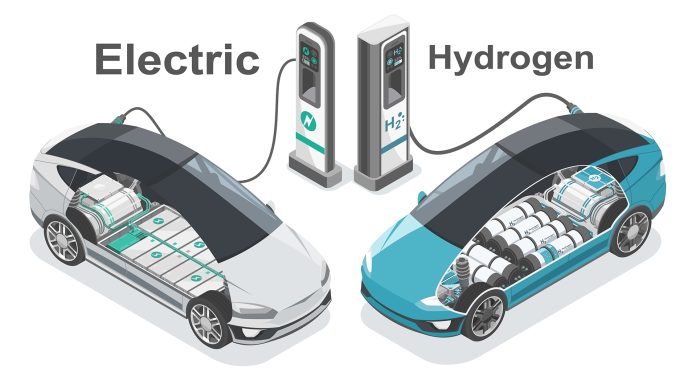
Credit: www.innovationnewsnetwork.com
Frequently Asked Questions
What Are The Advantages Of Hydrogen Fuel Cell Cars?
Hydrogen fuel cell cars offer zero emissions, quick refueling, long driving ranges, smooth and quiet operation, and strong performance comparable to gasoline cars.
What Is A Downside Of Using Hydrogen Fuel For Driving?
A key downside of hydrogen fuel for driving is its limited refueling infrastructure, making long trips difficult. High costs and low energy efficiency also challenge its practicality compared to electric vehicles. Hydrogen production often relies on fossil fuels, reducing its environmental benefits.
What Is The Biggest Problem With Hydrogen Cars?
The biggest problem with hydrogen cars is the lack of widespread refueling stations, high costs, and low energy efficiency compared to electric vehicles.
How Expensive Is It To Refill A Hydrogen Car?
Refilling a hydrogen car costs about $50 to $70 for a full tank, depending on local prices and station availability.
Conclusion
Driving hydrogen fuel cell vehicles offers clear benefits for cleaner air and energy use. These cars produce no harmful emissions while running quietly and efficiently. They can travel long distances and refuel quickly, similar to gasoline cars. Using hydrogen helps reduce reliance on fossil fuels and supports a greener future.
Though challenges remain, such as cost and fueling stations, the advantages make these vehicles worth considering. Choosing hydrogen fuel cell cars supports a healthier environment and advances sustainable transport. A cleaner, quieter ride is possible with this technology.

