

You might be wondering how your next car choice can truly make a difference for the planet. Hydrogen fuel cell vehicles offer a fresh approach to clean transportation that could reshape the future of driving.
Imagine a car that runs on hydrogen and only emits water vapor—no harmful gases polluting the air you breathe. But what makes hydrogen fuel cell vehicles stand out from traditional cars and even electric vehicles? You’ll discover the powerful environmental benefits these vehicles bring, why they matter to your community, and how they could help create a cleaner, healthier world for you and future generations.
Keep reading to see why hydrogen fuel cell vehicles might be the green solution you’ve been waiting for.
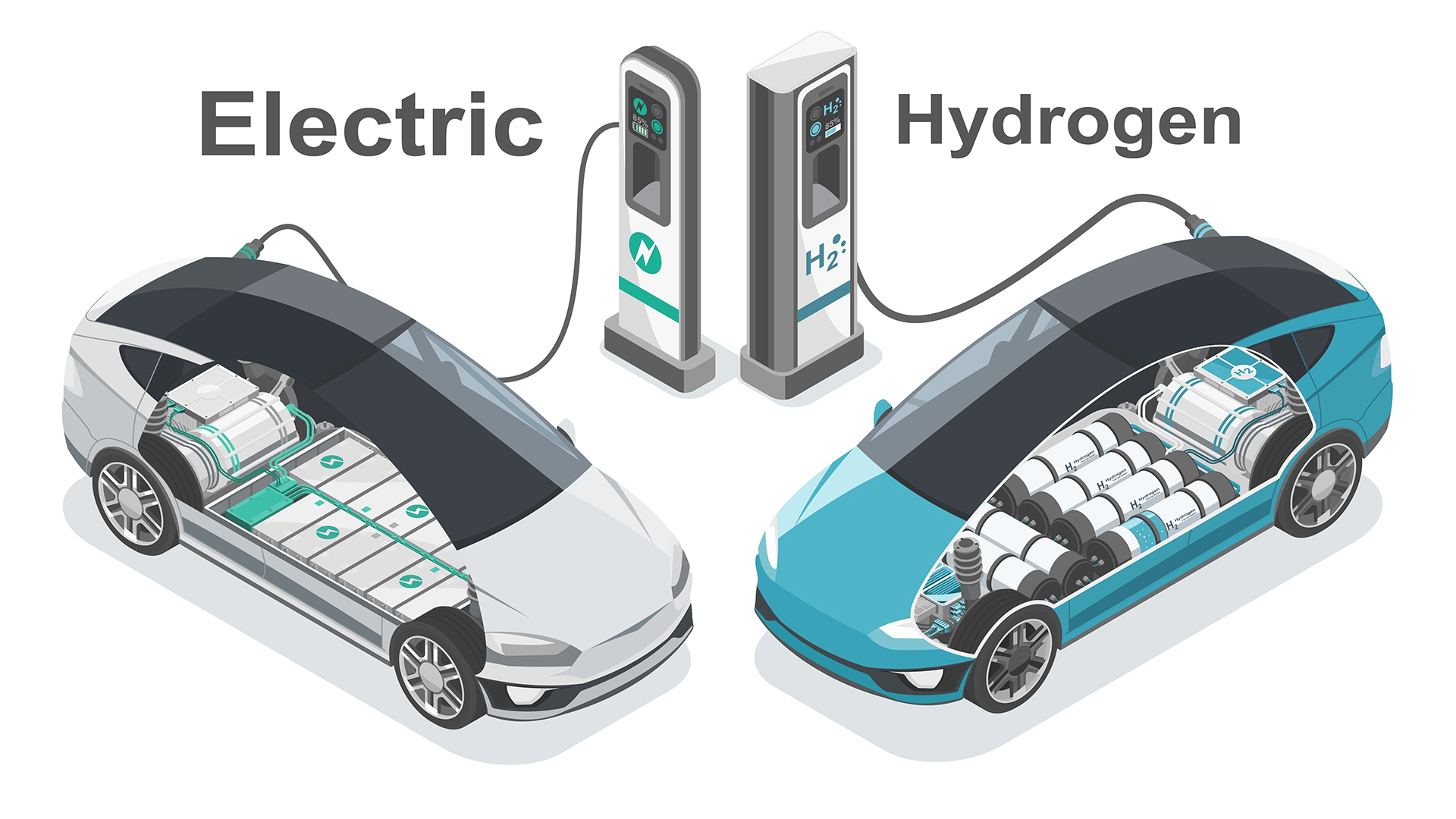
Credit: www.innovationnewsnetwork.com
Zero Emission Operation
Hydrogen fuel cell vehicles operate without releasing harmful gases. This zero emission feature helps protect the environment. These vehicles use hydrogen to produce electricity, powering the car silently and cleanly. Unlike traditional cars, they do not emit carbon dioxide or pollutants during operation. This makes them a strong option for reducing air pollution and fighting climate change.
Water As The Only Byproduct
Hydrogen fuel cells combine hydrogen with oxygen to generate electricity. The only byproduct of this process is water vapor. No smoke, no soot, no harmful gases escape from the tailpipe. This water vapor is clean and safe for the environment. It means driving a hydrogen fuel cell vehicle does not add toxic emissions to the air. This helps keep cities and rural areas cleaner and healthier.
Reduction In Air Pollutants
Traditional cars release nitrogen oxides, carbon monoxide, and particulate matter. These pollutants harm lungs and worsen asthma. Hydrogen fuel cell vehicles do not produce these pollutants. They help reduce smog and improve air quality. Cleaner air means fewer health problems for people, especially children and elderly. Using hydrogen vehicles supports a healthier environment for all living beings.
Energy Efficiency
Hydrogen fuel cell vehicles offer a different approach to energy use in transportation. They convert hydrogen gas into electricity to power the vehicle, which can increase energy efficiency compared to traditional engines. This process creates less waste energy, helping to reduce fuel consumption and emissions.
Energy efficiency is crucial for reducing environmental impact. It means using less fuel to travel the same distance. Hydrogen vehicles can achieve higher efficiency by directly turning fuel into electricity without combustion, which produces heat loss.
Comparison With Traditional Fuels
Traditional gasoline engines convert only about 20-30% of the fuel’s energy into motion. The rest is lost as heat. Hydrogen fuel cells can reach efficiencies of 40-60%. This means they use more of the fuel’s energy to move the vehicle.
This higher efficiency results in fewer emissions per mile driven. Hydrogen vehicles produce only water vapor as a byproduct, unlike gasoline engines that emit carbon dioxide and pollutants. This makes hydrogen a cleaner choice for energy.
Performance In Different Conditions
Hydrogen fuel cells perform well in various weather and temperature conditions. Unlike batteries, fuel cells do not lose much efficiency in cold weather. This ensures reliable energy use throughout the year.
Fuel cell vehicles also maintain consistent power output. They do not suffer from range loss like some electric vehicles in extreme climates. This makes hydrogen vehicles practical for diverse environments and long trips.
Refueling Advantages
Hydrogen fuel cell vehicles offer clear advantages in refueling compared to other clean technologies. These benefits support wider adoption and practical use. Refueling with hydrogen is designed to be quick and convenient. It addresses common concerns about electric vehicle charging times and range limits.
Fast Refueling Times
Hydrogen cars refill in just minutes, similar to gasoline vehicles. This speed beats electric car charging, which can take hours. Drivers spend less time waiting and more time on the road. Fast refueling makes hydrogen vehicles suitable for busy lifestyles. It also helps reduce range anxiety for long trips.
Extended Driving Range
Hydrogen fuel cell vehicles travel farther on a single fill-up than many electric cars. They can cover over 300 miles before refueling. This longer range suits drivers who need to travel long distances. It also reduces the number of stops during trips. Extended range adds convenience and confidence for users.

Credit: www.sciencedirect.com
Quiet And Smooth Drive
Hydrogen fuel cell vehicles offer a quiet and smooth driving experience. Unlike traditional engines, they do not rely on combustion. This absence of engine noise creates a calm environment inside and outside the car.
The smooth acceleration and steady power delivery make rides more comfortable. Passengers notice fewer vibrations and less noise. This comfort adds to the appeal of hydrogen vehicles in urban and suburban areas.
Reduced Noise Pollution
Hydrogen fuel cell cars produce almost no engine noise. Electric motors run silently compared to gasoline engines. This helps lower noise pollution in cities and neighborhoods. Quiet streets improve quality of life for residents and wildlife.
Vibration-free Driving Experience
Hydrogen cars have fewer moving parts than combustion engines. This reduces vibrations felt inside the vehicle. Drivers enjoy a smooth ride without harsh shaking. It also lowers wear and tear on vehicle components.
Improved Safety And Awareness
The quiet operation allows drivers to hear important sounds better. Pedestrians and cyclists can also hear the vehicle approach. This can increase safety for everyone on the road. It encourages more attentive driving in busy areas.
Environmental Challenges
Hydrogen fuel cell vehicles offer a clean alternative to traditional cars. Still, they face several environmental challenges. These challenges influence their overall impact on the planet. Understanding these issues helps in assessing hydrogen’s true green potential.
Hydrogen Production Methods
Most hydrogen today comes from natural gas. This process releases carbon dioxide, a greenhouse gas. Electrolysis is a cleaner method. It splits water into hydrogen and oxygen using electricity. The environmental benefit depends on the electricity source. If renewable energy powers electrolysis, hydrogen is much cleaner. If fossil fuels power it, pollution remains a problem. Producing green hydrogen at scale is still costly and limited.
Energy Loss In Production And Storage
Hydrogen production requires a lot of energy. There are losses at every step, from creation to use. Compressing or liquefying hydrogen for storage consumes extra energy. Transporting hydrogen also leads to energy loss. Fuel cells in cars convert hydrogen to electricity with some inefficiency. Compared to battery electric vehicles, hydrogen cars lose more energy overall. This reduces the environmental advantage of hydrogen fuel cell vehicles.
Infrastructure Limitations
Hydrogen fuel cell vehicles offer clear environmental benefits. They emit only water vapor, reducing air pollution. Despite this, infrastructure challenges slow their adoption. Building a wide network of hydrogen stations is costly and complex. These limitations affect vehicle convenience and range. Understanding these issues helps grasp the real-world impact of hydrogen cars.
Availability Of Refueling Stations
Hydrogen refueling stations remain rare worldwide. Few cities have enough stations to support many vehicles. Drivers often face long travel just to refuel. This scarcity limits daily use and appeal. Expanding station networks requires large investment and time. Without more stations, hydrogen cars stay impractical for most.
Impact On Long-distance Travel
Long-distance trips pose challenges for hydrogen vehicles. Limited refueling points force careful route planning. This reduces travel flexibility compared to gasoline or electric cars. Some areas have no hydrogen stations at all. Drivers risk running out of fuel far from help. Improving travel options depends on better station coverage.
Cost Factors
Cost factors play a key role in the adoption of hydrogen fuel cell vehicles. Understanding these expenses helps reveal the true environmental impact. The price of building and fueling these cars affects their overall benefits.
Vehicle Manufacturing Expenses
Hydrogen fuel cell vehicles require special parts not found in regular cars. These parts include fuel cells, hydrogen tanks, and advanced electronics. Building these components is costly due to complex technology and limited production scale. Manufacturers need to invest more money, which raises the vehicle price. This higher cost can slow down consumer adoption and delay wide use of cleaner vehicles.
Fuel Costs Compared To Electricity
Hydrogen fuel is currently more expensive than electricity for charging electric vehicles. Producing hydrogen involves energy-intensive processes, often using natural gas or electrolysis. Transporting and storing hydrogen also add to the price. Electricity for battery electric vehicles is cheaper and easier to supply. These higher fuel costs can reduce the overall savings in emissions. Lower hydrogen fuel prices are needed to compete with electric power and support cleaner transportation.
Safety And Storage
Safety and storage are key factors in the use of hydrogen fuel cell vehicles. Hydrogen is a clean energy source but needs careful handling. Proper storage and transportation ensure safe use and protect the environment.
Handling Of Hydrogen Gas
Hydrogen gas is light and disperses quickly in the air. This reduces the risk of fire or explosion. Storage tanks are made of strong materials to hold hydrogen safely at high pressure. Sensors detect leaks early to prevent accidents. Training helps workers manage hydrogen safely during vehicle maintenance and fueling.
Transportation Concerns
Transporting hydrogen requires special containers that resist pressure and temperature changes. Trucks and pipelines follow strict safety rules to avoid leaks. Routes are planned to minimize risks near populated areas. Emergency plans are in place to handle any incidents quickly. These measures keep hydrogen transport safe for people and the environment.
Future Outlook
The future of hydrogen fuel cell vehicles holds promise for reducing pollution and dependence on fossil fuels. Advances in technology and infrastructure could make these vehicles more accessible and environmentally friendly. Their success depends on cleaner hydrogen production and integration into a sustainable transport system.
Potential For Cleaner Hydrogen Production
Hydrogen fuel today mainly comes from natural gas, which emits carbon dioxide. Cleaner methods like electrolysis use electricity to split water into hydrogen and oxygen. If powered by renewable energy, this process creates zero emissions. Research focuses on lowering costs and improving efficiency for green hydrogen. This shift is vital for truly eco-friendly hydrogen vehicles.
Role In A Sustainable Transport System
Hydrogen vehicles can complement electric cars by offering fast refueling and longer driving ranges. They suit heavy-duty trucks, buses, and fleets needing quick turnaround times. Combining hydrogen fuel cells with renewable energy supports a low-carbon transport network. Expanding refueling stations and reducing costs will boost adoption. Together, these efforts help create a cleaner, more sustainable future.
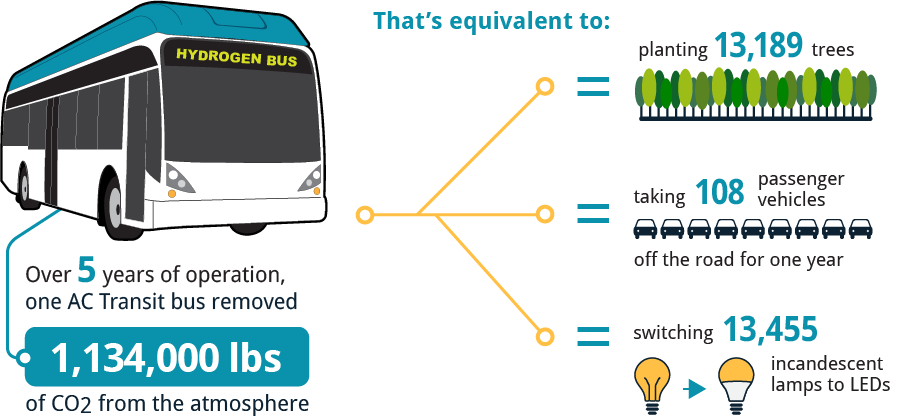
Credit: h2fcp.org
Frequently Asked Questions
What Are The Environmental Benefits Of Hydrogen Fuel Cells?
Hydrogen fuel cells emit only water, reducing greenhouse gases and air pollution. They use abundant hydrogen, promoting clean energy. Fuel cells produce zero tailpipe emissions, improving air quality and lowering carbon footprints.
Are Hydrogen Cars More Environmentally Friendly Than Evs?
Hydrogen cars emit only water but have lower energy efficiency and higher costs than EVs. EVs use electricity more efficiently and have better infrastructure. Hydrogen production often relies on fossil fuels, reducing its environmental benefits compared to electric vehicles.
What Is The Biggest Problem With Hydrogen Cars?
The biggest problem with hydrogen cars is limited refueling stations, high costs, and low energy efficiency compared to electric vehicles.
What Are The Advantages Of Hydrogen Fuel Cell Vehicles?
Hydrogen fuel cell vehicles emit only water vapor, offering zero tailpipe emissions. They refuel quickly and provide longer driving ranges than many electric cars. These vehicles reduce dependence on fossil fuels and promote renewable energy use. Hydrogen cars also generate less noise, enhancing urban environments.
Conclusion
Hydrogen fuel cell vehicles offer clear environmental benefits. They produce zero tailpipe emissions, reducing air pollution. These cars run quietly, which lowers noise pollution in cities. Using hydrogen from renewable sources further cuts greenhouse gases. This technology supports a cleaner, healthier planet.
Challenges remain, but progress continues in making hydrogen cleaner. Cleaner air and less pollution are reasons to watch this technology grow. Choosing hydrogen fuel cell vehicles helps protect the environment today.

