

Imagine driving a car that only emits water vapor, refuels in minutes, and helps protect the planet. That’s the promise hydrogen fuel cell vehicles hold for you and your future.
But how sustainable are these vehicles really? If you care about cleaner air, reducing carbon footprints, and embracing new technology that could change the way we move, you’ll want to discover how hydrogen-powered cars fit into the bigger picture of sustainability.
Keep reading to find out why hydrogen fuel cell vehicles might be the game-changer your next ride deserves.
Hydrogen Fuel Cell Basics
Hydrogen fuel cells offer a clean way to power vehicles. They use hydrogen gas to create electricity, emitting only water vapor. This technology supports sustainability by reducing pollution and dependence on fossil fuels. Understanding the basics of hydrogen fuel cells helps explain their role in green transportation.
How Fuel Cells Work
Fuel cells combine hydrogen with oxygen from the air. This reaction produces electricity, heat, and water. The electricity powers an electric motor that drives the vehicle. No harmful gases come out of the tailpipe. Fuel cells work quietly and efficiently, making them ideal for clean transport.
Types Of Hydrogen Fuel
Hydrogen fuel comes in several types based on production methods. Green hydrogen is made using renewable energy and water. Blue hydrogen uses natural gas with carbon capture to reduce emissions. Grey hydrogen is produced from fossil fuels and creates more pollution. Green hydrogen is the most sustainable choice for fuel cell vehicles.
Fuel Cell Vehicle Components
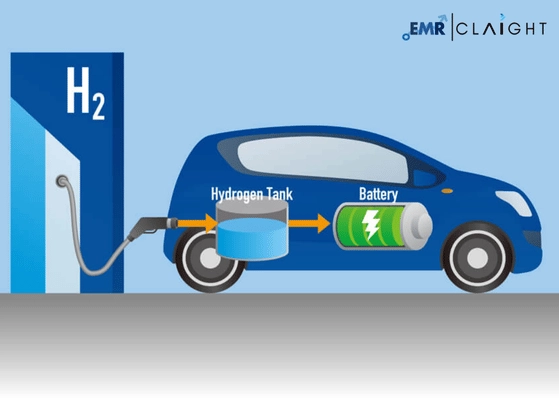
A fuel cell vehicle includes several key parts. The fuel cell stack creates electricity from hydrogen and oxygen. A hydrogen tank stores compressed hydrogen safely. An electric motor converts electricity into motion. Batteries store extra energy for smooth driving. These components work together to power the car without emissions.
Credit: www.mdpi.com
Environmental Benefits
Hydrogen fuel cell vehicles offer clear environmental benefits. They provide a cleaner alternative to traditional cars. Their impact on air quality and climate change is much lower. These vehicles help reduce harmful pollution in cities. They support the shift toward sustainable transportation.
Zero Tailpipe Emissions
Hydrogen fuel cell vehicles release no harmful gases from their tailpipes. The only byproduct is water vapor, which is harmless. This means no carbon monoxide, nitrogen oxides, or particulate matter. Cleaner air improves public health and lowers pollution-related diseases. Zero tailpipe emissions make cities more livable and green.
Reduced Carbon Footprint
These vehicles produce fewer greenhouse gases over their lifetime. Their fuel cells convert hydrogen into electricity efficiently. Using green hydrogen reduces carbon emissions even more. This helps fight global warming and climate change. Lower carbon footprints support international climate goals and cleaner energy use.
Comparison With Fossil Fuels
Fossil fuel vehicles emit large amounts of carbon dioxide and pollutants. Hydrogen fuel cell cars run on hydrogen, not gasoline or diesel. They avoid the air pollution linked to fossil fuel burning. Hydrogen can be made from renewable energy sources, unlike fossil fuels. This makes hydrogen cars a cleaner and more sustainable choice for the future.
Sustainability Factors
Hydrogen fuel cell vehicles (HFCVs) offer a promising path toward sustainable transportation. Their sustainability depends on several key factors. These factors determine how green and efficient these vehicles truly are. Understanding these elements helps evaluate their impact on the environment and energy use.
Green Hydrogen Production
Green hydrogen is made using renewable energy, such as wind or solar power. This process splits water into hydrogen and oxygen without releasing harmful gases. Using green hydrogen reduces carbon emissions significantly. It makes hydrogen fuel cells much cleaner than fossil fuels or grey hydrogen. The sustainability of HFCVs improves greatly with green hydrogen as their fuel source.
Energy Efficiency
Fuel cells convert hydrogen into electricity with high efficiency. HFCVs use this electricity to power electric motors. This process wastes less energy compared to traditional engines. Compared to gasoline cars, hydrogen fuel cells produce fewer losses. However, the overall efficiency also depends on how hydrogen is produced and stored. Efficient energy use helps lower the environmental footprint of these vehicles.
Resource Requirements
Hydrogen fuel cells require materials like platinum for catalysts. These materials are rare and costly but used in small amounts. Producing fuel cells needs careful resource management to avoid environmental harm. Hydrogen itself can be stored and transported with existing infrastructure upgrades. Sustainable sourcing and recycling of materials are vital to reduce the ecological impact of HFCVs.
Credit: www.expertmarketresearch.com
Challenges Facing Adoption
Hydrogen fuel cell vehicles offer a promising path toward cleaner transportation. They emit only water vapor and help reduce carbon footprints. Yet, several challenges slow their widespread use. These challenges affect consumers, manufacturers, and policymakers alike. Understanding these barriers is key to advancing hydrogen vehicle adoption.
Infrastructure Limitations
The lack of hydrogen refueling stations is a major obstacle. Few stations exist compared to gasoline or electric charging points. Building new stations requires high investment and complex safety measures. This scarcity limits where drivers can travel with hydrogen cars. Without a reliable network, many hesitate to choose hydrogen vehicles.
Hydrogen Storage And Safety
Storing hydrogen safely is difficult due to its low density and high flammability. Hydrogen must be compressed or liquefied for vehicle use. These processes need strong tanks and careful handling. Public concern about leaks or explosions affects acceptance. Advances in safe storage are essential to build trust and ensure protection.
Cost And Market Barriers
Hydrogen fuel cell vehicles cost more than traditional cars or electric models. Fuel cell technology remains expensive to produce at scale. Hydrogen fuel prices also fluctuate and tend to be higher. Limited demand and production keep costs elevated. Market incentives and mass production could help lower prices over time.
Hydrogen Vs Electric Vehicles
Hydrogen fuel cell vehicles and electric vehicles both offer clean alternatives to traditional gasoline cars. Each has distinct strengths and challenges. Understanding the differences helps in assessing their roles in sustainable transport. This section compares hydrogen and electric vehicles on key factors like driving range, environmental impact, and market trends.
Driving Range And Refueling
Hydrogen vehicles usually provide longer driving ranges than most electric cars. Some models can travel over 300 miles on one tank. Refueling hydrogen cars takes about five minutes, similar to gasoline vehicles. Electric cars need several hours to recharge, depending on the charger type. Fast chargers reduce this time but are less common. Hydrogen stations remain scarce compared to electric charging points. This limits hydrogen vehicles’ convenience in many areas.
Environmental Impact
Both vehicle types produce zero emissions while driving. Hydrogen cars emit only water vapor from their fuel cells. Electric cars run on battery power with no tailpipe pollution. The environmental benefit depends on energy sources used for hydrogen production or electricity generation. Green hydrogen, made from renewable energy, has a very low carbon footprint. Electricity from coal or gas plants raises electric cars’ indirect emissions. Battery manufacturing and recycling also affect electric vehicle sustainability. Hydrogen vehicles require energy-intensive production but offer cleaner refueling options.
Market Trends And Future Outlook
Electric vehicles dominate the current market with growing sales worldwide. Many countries invest heavily in charging infrastructure. Battery technology improvements continue to lower costs and increase range. Hydrogen fuel cell vehicles are gaining attention for heavy-duty and long-distance travel. Automakers develop more models and pilot projects to expand hydrogen use. Governments support hydrogen through policies and funding. The future likely includes both technologies serving different transport needs. Hydrogen may complement electric vehicles in achieving a sustainable mobility system.
Global Initiatives And Policies
Global initiatives and policies play a vital role in advancing hydrogen fuel cell vehicles (HFCVs). Governments, industries, and organizations worldwide work together to promote clean energy solutions. Their efforts aim to reduce carbon emissions and foster sustainable transportation. These strategies create a supportive environment for hydrogen technology adoption and innovation.
Government Support Programs
Many governments offer financial aid to encourage hydrogen vehicle use. These programs include subsidies, tax breaks, and grants. They help lower costs for manufacturers and consumers. Some countries invest in hydrogen refueling stations to build infrastructure. Policies also promote research to improve fuel cell efficiency. This support accelerates hydrogen vehicle development and market growth.
Industry Collaborations
Car makers, energy firms, and tech companies join forces to advance HFCVs. Partnerships focus on sharing knowledge and resources. They work on producing affordable and durable fuel cells. Collaboration also targets building a hydrogen supply chain. These efforts speed up innovation and reduce production costs. Industry teamwork strengthens the hydrogen vehicle ecosystem globally.
Net-zero Roadmaps
Many nations include hydrogen vehicles in their climate plans. Net-zero roadmaps set clear goals for emission reductions. Hydrogen fuel cell cars help meet these targets by cutting pollution. Governments map out timelines to phase out fossil fuel vehicles. They promote clean transport as part of a green energy mix. These roadmaps guide sustainable growth in the automotive sector.
Future Innovations
The future of hydrogen fuel cell vehicles holds many promising innovations. These advances will improve vehicle efficiency and lower costs. They will also support a more sustainable transport system. Hydrogen technology continues to evolve fast. The focus is on cleaner production and better integration with energy systems.
Advances In Fuel Cell Technology
New materials are making fuel cells more durable and efficient. Researchers develop membranes that last longer and conduct electricity better. Systems are becoming smaller and lighter, helping vehicles save space and weight. These changes increase driving range and reduce refueling time. Improved manufacturing methods also lower production costs. The result: cleaner and more affordable hydrogen vehicles.
Green Hydrogen Scaling
Green hydrogen is made using renewable energy and water. Expanding green hydrogen production will cut carbon emissions significantly. Large-scale electrolysis plants are being built worldwide. These plants use wind and solar power to create clean hydrogen. As production grows, prices will fall, making hydrogen cars more accessible. Scaling green hydrogen is key to a sustainable energy future.
Integration With Renewable Energy
Hydrogen fuel cell vehicles can work well with renewable energy sources. Excess solar and wind power can produce hydrogen for storage. This stored hydrogen can fuel vehicles when the sun is down or wind is calm. Smart grids and energy management systems help balance supply and demand. This integration reduces reliance on fossil fuels and lowers emissions. It makes the whole energy system more flexible and reliable.
Credit: www.luxuriousmagazine.com
Frequently Asked Questions
Are Hydrogen-powered Vehicles Sustainable?
Hydrogen-powered vehicles emit only water vapor, offering zero tailpipe emissions. Their sustainability depends on using green hydrogen from renewable energy sources. This makes them a clean, sustainable alternative to fossil fuels, supporting net-zero climate goals and reducing environmental impact.
Is A Hydrogen Fuel Cell Eco-friendly?
Hydrogen fuel cells emit only water and heat, making them eco-friendly during operation. Green hydrogen boosts sustainability by using renewable energy.
Do Hydrogen Fuel Cells Damage The Environment?
Hydrogen fuel cells emit only water vapor during use, causing no direct environmental harm. Production methods affect overall impact. Green hydrogen, made from renewables, is eco-friendly. Grey and blue hydrogen release some emissions but still pollute less than fossil fuels.
What Is The Carbon Footprint Of A Hydrogen Car?
Hydrogen cars emit only water vapor during use, producing zero tailpipe emissions. Their carbon footprint depends on hydrogen production methods. Green hydrogen from renewables has the lowest footprint, while grey and blue hydrogen generate more emissions. Overall, hydrogen cars are cleaner than fossil fuel vehicles.
Conclusion
Hydrogen fuel cell vehicles offer a clean way to drive. They emit only water vapor, helping reduce air pollution. These cars can travel long distances and refill quickly. Producing hydrogen sustainably remains a key challenge to solve. Using green hydrogen will make these vehicles truly eco-friendly.
As technology improves, hydrogen cars may become more common. They support a future with less reliance on fossil fuels. Choosing hydrogen fuel cell vehicles helps protect our planet. The shift to sustainable transport requires smart, steady progress.

