Yes, hydrogen fuel cell SUVs are available in 2025—but with limited models and regional availability. While options like the Toyota Mirai and Hyundai Nexo lead the way, infrastructure and cost remain key challenges for widespread adoption.
Key Takeaways
- Hydrogen fuel cell SUVs are on the market in 2025: Models like the Hyundai Nexo and Toyota Mirai offer zero-emission driving with quick refueling times.
- Limited geographic availability: These vehicles are primarily available in California, Japan, South Korea, and parts of Europe due to sparse hydrogen refueling networks.
- Infrastructure remains a major hurdle: Fewer than 150 public hydrogen stations exist in the U.S., mostly concentrated in California.
- Higher upfront cost than EVs: Hydrogen SUVs typically cost $60,000–$80,000, with limited incentives outside select states.
- Refueling is fast but not always convenient: A 5-minute fill-up can deliver 300–400 miles of range, but station scarcity limits practicality for long trips.
- Environmental benefits depend on hydrogen source: “Green” hydrogen from renewable energy offers true zero emissions, but most production today uses fossil fuels.
- Future growth hinges on policy and investment: Government funding and automaker commitments could expand availability and reduce costs by 2030.
Quick Answers to Common Questions
Are hydrogen fuel cell SUVs available in 2025?
Yes, hydrogen fuel cell SUVs are available in 2025, with models like the Hyundai Nexo and Toyota Mirai on the market in select regions.
Where can I buy a hydrogen SUV?
Hydrogen SUVs are primarily available in California, Japan, South Korea, and parts of Europe due to limited refueling infrastructure.
How much does it cost to refuel a hydrogen SUV?
Refueling costs about $16 per kilogram, with a full tank costing $80–$96 and delivering 300–400 miles of range.
Are hydrogen SUVs better for the environment than EVs?
It depends on how the hydrogen is produced. Green hydrogen offers true zero emissions, but most hydrogen today is made from fossil fuels.
Can I lease a hydrogen SUV?
Yes, both Hyundai and Toyota offer lease programs in California that include free hydrogen fuel for the first few years.
📑 Table of Contents
- Are Hydrogen Fuel Cell SUVs Available in 2025?
- Current Hydrogen Fuel Cell SUV Models in 2025
- Where Can You Buy and Drive a Hydrogen SUV in 2025?
- Cost and Ownership Considerations
- Environmental Impact: Are Hydrogen SUVs Truly Green?
- The Future of Hydrogen SUVs Beyond 2025
- Should You Buy a Hydrogen Fuel Cell SUV in 2025?
Are Hydrogen Fuel Cell SUVs Available in 2025?
If you’re looking for a clean, quiet, and powerful SUV that doesn’t rely on plug-in charging, you might be wondering: Are hydrogen fuel cell SUVs available in 2025? The short answer is yes—but with some important caveats. While hydrogen-powered SUVs aren’t as common as electric vehicles (EVs) or traditional gas-powered models, they are on the road and being sold in select markets around the world.
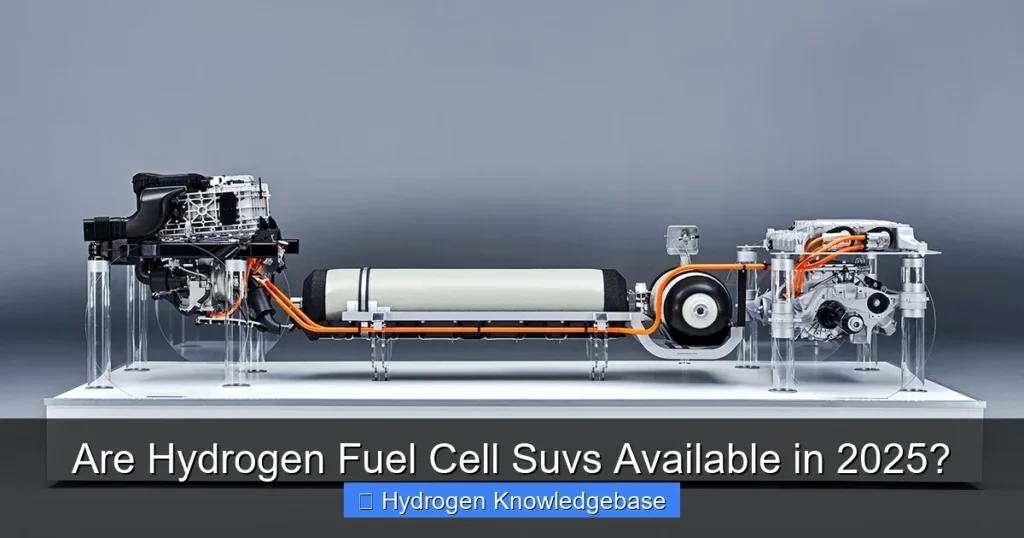
Hydrogen fuel cell technology uses a chemical reaction between hydrogen and oxygen to generate electricity, powering an electric motor. The only byproduct? Water vapor. That makes these vehicles truly zero-emission at the tailpipe—a major selling point for eco-conscious drivers. Unlike battery-electric SUVs, which can take 30 minutes to several hours to recharge, hydrogen SUVs refuel in about 5 minutes, similar to filling up a gas tank. This speed and convenience have kept hydrogen in the conversation, even as battery technology advances.
But availability is still limited. In 2025, only a handful of hydrogen fuel cell SUVs are being sold, and they’re mostly found in regions with developed hydrogen infrastructure—primarily California, Japan, South Korea, and parts of Western Europe. If you live outside these areas, finding a place to refuel could be a dealbreaker. Still, for early adopters and fleet operators in the right locations, hydrogen SUVs offer a compelling alternative.
Current Hydrogen Fuel Cell SUV Models in 2025
Visual guide about Are Hydrogen Fuel Cell Suvs Available in 2025?
Image source: slashgear.com
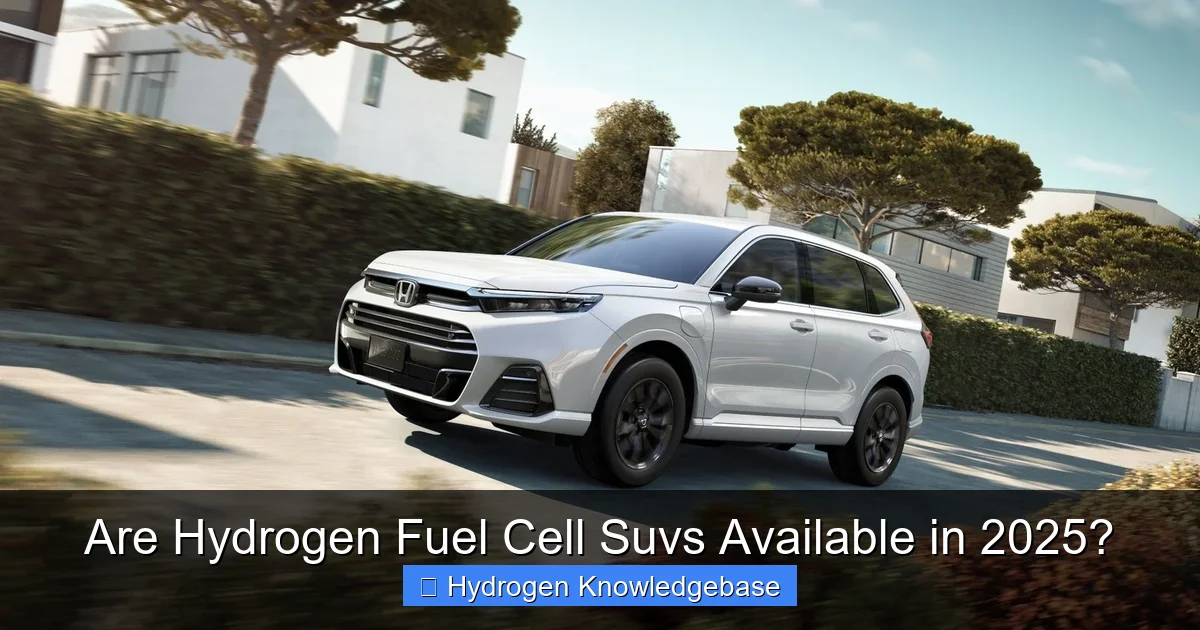
As of 2025, the hydrogen SUV market is small but growing. Two major automakers dominate the space: Hyundai and Toyota. Both have refined their fuel cell technology over the past decade and continue to offer updated models with improved range, performance, and comfort.
Hyundai Nexo
The Hyundai Nexo is one of the most advanced hydrogen SUVs available today. Launched in 2018 and updated for 2025, the Nexo offers a sleek design, premium interior, and impressive range—up to 380 miles on a single tank of hydrogen. It features Hyundai’s third-generation fuel cell system, which is lighter, more efficient, and more durable than previous versions.
Inside, the Nexo feels like a luxury SUV. It includes a 12.3-inch touchscreen, wireless Apple CarPlay and Android Auto, heated and ventilated seats, and advanced driver-assistance systems like adaptive cruise control and lane-keeping assist. The cabin is quiet and refined, thanks to the absence of engine noise—just the hum of an electric motor.
One standout feature is the Nexo’s air purification system. Hyundai claims it can filter out 99.9% of fine dust and pollutants, making it ideal for city driving in areas with poor air quality. It’s also equipped with solar roof panels that help power auxiliary systems, improving overall efficiency.
The Nexo is currently available in California and select international markets. Hyundai offers a lease program in the U.S., with monthly payments around $350–$400, including fuel. This makes it more accessible than buying outright, which would cost about $60,000.
Toyota Mirai
Toyota’s Mirai has evolved significantly since its debut. The 2025 Mirai is a midsize luxury sedan, but Toyota also offers a hydrogen-powered SUV concept based on the same platform—though as of 2025, it hasn’t entered full production. Still, the Mirai sedan gives us a strong preview of what a hydrogen SUV from Toyota might look like.
The Mirai features Toyota’s latest fuel cell stack, delivering up to 400 miles of range. It’s rear-wheel drive, offering a sportier feel than many EVs, and accelerates from 0 to 60 mph in about 9 seconds—respectable for a zero-emission vehicle. The interior is upscale, with soft-touch materials, a 12.3-inch display, and a minimalist design.
Toyota also emphasizes safety, equipping the Mirai with its Toyota Safety Sense 3.0 suite, including pre-collision detection, blind-spot monitoring, and automated emergency braking. Like the Nexo, the Mirai is available primarily in California, with a lease program that includes free hydrogen fuel for up to $15,000 over three years.
Other Emerging Models
While Hyundai and Toyota lead the charge, other automakers are exploring hydrogen SUVs. BMW has announced plans to produce a limited run of hydrogen-powered X5 SUVs by late 2025, using fuel cell technology developed in partnership with Toyota. These vehicles will be available in Europe and possibly California, but production numbers will be small—likely under 1,000 units.
Mercedes-Benz previously offered the GLC F-Cell, a hydrogen-electric hybrid SUV, but discontinued it in 2023 due to low demand and infrastructure challenges. However, the company hasn’t ruled out returning to the market if conditions improve.
In China, companies like SAIC Motor and GAC Group are testing hydrogen SUVs for domestic use, though these models aren’t yet exported. As China invests heavily in hydrogen infrastructure, we may see more options emerge by the end of the decade.
Where Can You Buy and Drive a Hydrogen SUV in 2025?
Availability is one of the biggest barriers to hydrogen SUV adoption. Unlike EVs, which can be charged at home or at thousands of public stations, hydrogen vehicles require specialized refueling infrastructure. As of 2025, there are fewer than 150 public hydrogen refueling stations in the United States—and over 90% of them are in California.
U.S. Market: California Dominance
California is the epicenter of hydrogen vehicle adoption in the U.S. The state has invested over $200 million in building a hydrogen refueling network, with plans to reach 200 stations by 2026. Major cities like Los Angeles, San Francisco, and San Diego have multiple stations, making it feasible to own a hydrogen SUV if you live in or near these areas.
The California Air Resources Board (CARB) offers incentives for hydrogen vehicle purchases, including a $5,000 rebate for new buyers. Combined with federal tax credits, this can significantly reduce the cost of ownership. However, these incentives are only available to residents who register their vehicle in California.
Outside California, hydrogen refueling is nearly nonexistent. States like New York, Connecticut, and Hawaii have a few pilot stations, but they’re not sufficient for regular use. This means that unless you’re willing to travel long distances to refuel, owning a hydrogen SUV outside California isn’t practical in 2025.
International Markets: Japan, South Korea, and Europe
Japan and South Korea have made significant investments in hydrogen infrastructure. Japan has over 160 hydrogen stations, with government support for both public and private adoption. Toyota, based in Japan, has been a strong advocate for hydrogen, and the Mirai is widely available there.
South Korea is even more aggressive. The government aims to have 1,200 hydrogen refueling stations by 2030 and has already built over 200. Hyundai’s home country offers generous subsidies, making the Nexo more affordable for consumers. In fact, South Korea has the highest number of hydrogen vehicles per capita in the world.
In Europe, Germany leads the way with over 100 hydrogen stations, supported by the H2 Mobility initiative—a public-private partnership. France, the UK, and the Netherlands are also expanding their networks. BMW’s upcoming hydrogen X5 will be available in Germany and select European countries, targeting fleet operators and environmentally conscious buyers.
However, even in these markets, hydrogen SUVs remain niche. Most consumers still prefer battery EVs due to lower costs and better charging infrastructure. But for drivers in urban areas with access to hydrogen stations, the convenience of quick refueling is a major advantage.
Cost and Ownership Considerations
Owning a hydrogen fuel cell SUV in 2025 comes with unique financial and practical considerations. While the technology is impressive, the total cost of ownership can be higher than for EVs or gas-powered SUVs—at least for now.
Purchase Price and Leasing Options
The upfront cost of a hydrogen SUV is steep. The Hyundai Nexo starts around $60,000, while the Toyota Mirai is priced closer to $70,000. These prices are significantly higher than comparable EVs like the Tesla Model Y or Ford Mustang Mach-E, which start around $50,000.
To make ownership more accessible, both Hyundai and Toyota offer lease programs. In California, you can lease a Nexo for about $350–$400 per month, with the first 21,000 miles of hydrogen fuel included. Toyota offers a similar deal for the Mirai, with up to $15,000 in free fuel over three years. These programs reduce the financial barrier and make hydrogen SUVs more appealing to early adopters.
However, leasing means you don’t own the vehicle, and you’re limited in how you can modify or use it. If you plan to keep a car long-term, the higher purchase price may be a concern.
Fuel Costs and Availability
Hydrogen fuel is expensive. As of 2025, the average cost in California is about $16 per kilogram. A full tank (around 5–6 kg) costs $80–$96 and delivers 300–400 miles of range. That’s roughly $0.20–$0.25 per mile—more than double the cost of electricity for an EV.
But remember: many leases include free fuel, which offsets this expense. For lessees, the effective cost per mile can be much lower. Still, if you buy outright, fuel costs will add up quickly.
And then there’s availability. Even in California, hydrogen stations can be crowded, and some may be out of service due to maintenance or supply issues. Unlike EV chargers, which are increasingly reliable, hydrogen stations are still in the early stages of development.
Maintenance and Reliability
Hydrogen fuel cell vehicles have fewer moving parts than internal combustion engines, which can reduce maintenance needs. There’s no oil to change, no spark plugs, and no transmission to worry about. However, the fuel cell stack and hydrogen storage system are complex and expensive to repair if something goes wrong.
Most manufacturers offer comprehensive warranties. Hyundai covers the fuel cell system for 10 years or 100,000 miles, and Toyota offers a similar warranty. But if you need service outside a dealership, options are limited. Only a handful of shops are certified to work on hydrogen vehicles, and parts can be hard to find.
That said, real-world reliability has been good. Both the Nexo and Mirai have proven durable in fleet and consumer use, with few major issues reported. As the technology matures, maintenance costs are expected to decline.
Environmental Impact: Are Hydrogen SUVs Truly Green?
One of the biggest selling points of hydrogen fuel cell SUVs is their zero tailpipe emissions. But the full environmental picture depends on how the hydrogen is produced.
Green vs. Gray Hydrogen
Hydrogen can be made in several ways. “Green” hydrogen is produced using renewable energy—like wind or solar—to split water into hydrogen and oxygen. This process emits no greenhouse gases and is the ideal scenario for clean transportation.
However, most hydrogen today is “gray” hydrogen, made from natural gas through a process called steam methane reforming. This method releases carbon dioxide, undermining the environmental benefits. In fact, studies show that gray hydrogen can be more carbon-intensive than gasoline over its lifecycle.
“Blue” hydrogen is a middle ground—it’s made from natural gas, but the CO2 is captured and stored. While better than gray, it still relies on fossil fuels.
As of 2025, only about 1% of global hydrogen production is green. But that’s changing. Governments and companies are investing in electrolysis plants powered by renewables. California, for example, requires that at least 33% of hydrogen sold at retail stations come from renewable sources by 2025.
Lifecycle Emissions Comparison
When you consider the entire lifecycle—from production to disposal—hydrogen SUVs still have higher emissions than battery EVs, especially if the electricity used to charge EVs comes from renewables. But they’re cleaner than gas-powered SUVs.
For drivers in areas with clean hydrogen, the difference is meaningful. And as green hydrogen becomes more common, the environmental advantage will grow. Plus, hydrogen production can use excess renewable energy that would otherwise be wasted, helping to balance the grid.
The Future of Hydrogen SUVs Beyond 2025
While hydrogen SUVs are available in 2025, their future depends on several factors: infrastructure expansion, cost reduction, and policy support.
Infrastructure Growth
The biggest hurdle is refueling. Without more stations, adoption will remain limited. But momentum is building. The U.S. Department of Energy has allocated $8 billion for hydrogen hubs—regional networks of production, storage, and distribution. California, Texas, and the Gulf Coast are leading candidates.
In Europe, the European Union’s Hydrogen Strategy aims for 40 gigawatts of electrolyzer capacity by 2030. Japan and South Korea continue to expand their networks, and China is investing heavily in hydrogen for transportation and industry.
Cost Reduction and Technology Advances
Fuel cell costs have dropped by over 60% since 2010, thanks to improved materials and manufacturing. Automakers are working to reduce the use of platinum—a rare and expensive catalyst—by developing alternative materials.
As production scales up, prices should fall. Experts predict that hydrogen vehicles could reach cost parity with EVs by 2030, especially if green hydrogen becomes cheaper.
Policy and Incentives
Government support is critical. In the U.S., the Inflation Reduction Act includes tax credits for clean hydrogen production. California’s Zero-Emission Vehicle (ZEV) mandate encourages automakers to sell hydrogen vehicles alongside EVs.
Internationally, countries like Germany and Japan offer purchase incentives and funding for infrastructure. These policies will shape the market in the coming years.
Should You Buy a Hydrogen Fuel Cell SUV in 2025?
So, are hydrogen fuel cell SUVs available in 2025? Yes. Are they right for you? That depends.
If you live in California, Japan, or parts of Europe, and you value quick refueling and zero emissions, a hydrogen SUV like the Hyundai Nexo could be a great choice—especially if you can take advantage of a lease with free fuel.
But if you’re outside these areas, or you prioritize low operating costs and widespread charging, a battery EV might be a better fit. Hydrogen technology is promising, but it’s still in its early stages.
For now, hydrogen SUVs are a niche option for early adopters and fleet operators. But with continued investment and innovation, they could play a bigger role in the clean transportation future.
Frequently Asked Questions
How far can a hydrogen fuel cell SUV go on one tank?
Most hydrogen SUVs offer a range of 300 to 400 miles on a single tank, comparable to many gas-powered SUVs.
How long does it take to refuel a hydrogen SUV?
Refueling takes about 5 minutes, similar to filling up a gas tank—much faster than charging an EV.
Are hydrogen SUVs safe?
Yes, hydrogen SUVs undergo rigorous safety testing. Hydrogen tanks are designed to withstand extreme conditions, and the vehicles include multiple safety systems.
Can I install a hydrogen refueling station at home?
Home hydrogen refueling is not currently practical or widely available. Most drivers rely on public stations.
What happens if I run out of hydrogen?
Like running out of gas, you’ll need to call for roadside assistance. Some services can deliver hydrogen, but it’s not common.
Will hydrogen SUVs become more common by 2030?
Yes, with growing infrastructure, government support, and automaker investment, hydrogen SUVs are expected to become more accessible in the next decade.