Hydrogen SUVs offer zero-emission driving with fast refueling and long range, but face challenges in infrastructure and cost. While they hold promise for a sustainable future, widespread adoption depends on technological advances and global investment.
Key Takeaways
- Zero Tailpipe Emissions: Hydrogen SUVs emit only water vapor, making them a clean alternative to gasoline and diesel vehicles.
- Fast Refueling: Unlike electric vehicles, hydrogen SUVs can be refueled in under 10 minutes, similar to conventional cars.
- Long Driving Range: Most hydrogen SUVs offer ranges exceeding 300 miles, ideal for long-distance travel.
- Limited Refueling Infrastructure: As of 2024, hydrogen stations are scarce, mostly concentrated in California, Japan, and parts of Europe.
- High Production and Vehicle Costs: Green hydrogen production is expensive, and hydrogen SUVs remain pricier than EVs and traditional SUVs.
- Emerging Market Presence: Toyota, Hyundai, and BMW are leading the charge, with models like the Mirai and NEXO paving the way.
- Future Potential: With government support and tech innovation, hydrogen SUVs could play a key role in decarbonizing transport.
Quick Answers to Common Questions
Are hydrogen SUVs really zero emission?
Yes, hydrogen SUVs emit only water vapor from the tailpipe, making them zero-emission vehicles during operation. However, the overall environmental impact depends on how the hydrogen is produced.
How long does it take to refuel a hydrogen SUV?
Refueling a hydrogen SUV takes about 5 to 10 minutes, similar to filling up a gasoline vehicle—much faster than charging an electric car.
Where can I refuel a hydrogen SUV?
As of 2024, hydrogen refueling stations are mostly located in California, with a few in Japan, South Korea, and parts of Europe. Infrastructure is limited but growing.
Are hydrogen SUVs safe?
Yes, hydrogen SUVs are designed with multiple safety features, including high-strength storage tanks and leak detection systems. Hydrogen dissipates quickly if released, reducing fire risk.
What is the range of a hydrogen SUV?
Most hydrogen SUVs offer ranges between 300 and 400 miles on a single tank, comparable to traditional gasoline SUVs.
📑 Table of Contents
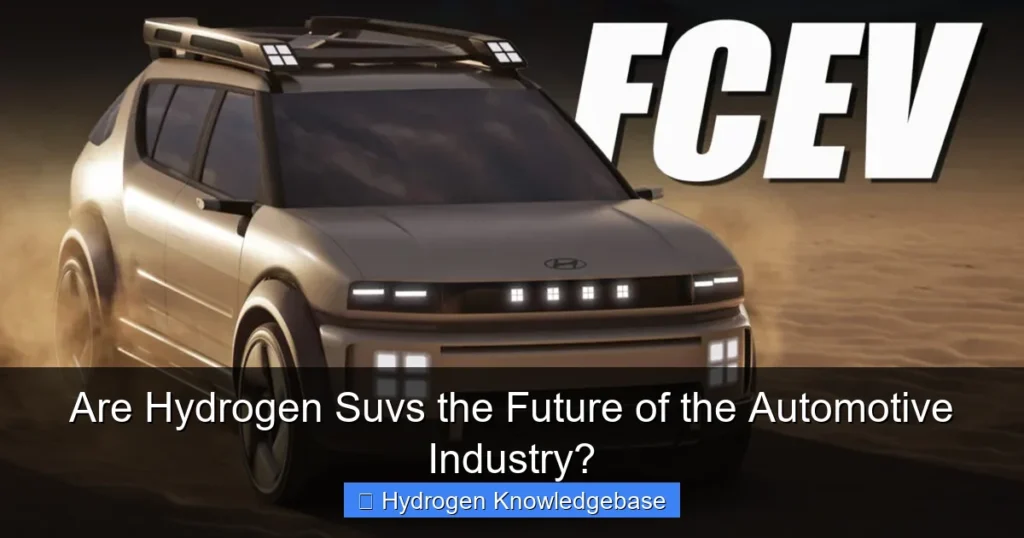
Are Hydrogen SUVs the Future of the Automotive Industry?
Imagine pulling up to a fuel station, filling your SUV in under ten minutes, and driving 350 miles—all while emitting nothing but clean water vapor. Sounds like science fiction, right? But this is the promise of hydrogen SUVs. As the world races toward a cleaner, greener future, automakers and environmentalists are asking: Could hydrogen-powered SUVs be the next big thing in sustainable transportation?
Electric vehicles (EVs) have dominated the conversation around clean mobility in recent years. From Tesla’s sleek sedans to Ford’s electric F-150, battery-powered cars are becoming more common on our roads. But while EVs are making strides, they’re not without limitations—long charging times, range anxiety, and the environmental impact of battery production. This is where hydrogen SUVs enter the picture. Using fuel cell technology, these vehicles convert hydrogen gas into electricity to power an electric motor, offering a compelling alternative that combines the best of both worlds: zero emissions and the convenience of quick refueling.
But are hydrogen SUVs truly the future of the automotive industry? Or are they just a niche solution waiting for the right moment to shine? In this article, we’ll dive deep into the world of hydrogen-powered SUVs, exploring how they work, their benefits and drawbacks, the current market landscape, and what the future might hold. Whether you’re a car enthusiast, an eco-conscious driver, or just curious about the next wave of green tech, this guide will give you a clear, honest look at whether hydrogen SUVs are ready to take the wheel.
How Do Hydrogen SUVs Work?
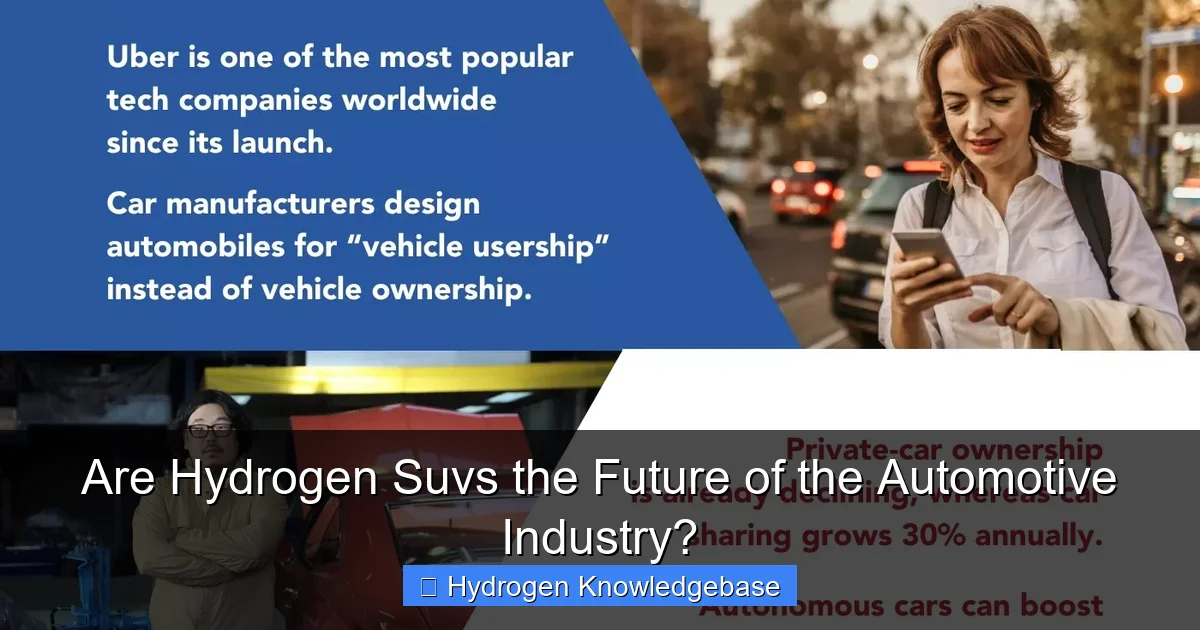
Visual guide about Are Hydrogen Suvs the Future of the Automotive Industry?
Image source: superstaff.com
At first glance, hydrogen SUVs might seem like a futuristic concept, but the science behind them is both elegant and practical. These vehicles use a technology called a fuel cell to generate electricity on board, which then powers an electric motor—just like a battery-electric vehicle. The key difference? Instead of storing electricity in a large battery, hydrogen SUVs store energy in the form of compressed hydrogen gas.
The Fuel Cell System Explained
Inside a hydrogen SUV, the heart of the system is the proton exchange membrane (PEM) fuel cell. Here’s how it works in simple terms: Hydrogen gas is fed into the fuel cell, where it’s split into protons and electrons. The protons pass through a special membrane, while the electrons are forced to travel through an external circuit, creating an electric current. This electricity powers the vehicle’s motor. Meanwhile, the protons and electrons reunite on the other side of the membrane and combine with oxygen from the air to form water—H₂O—which is the only thing that comes out of the tailpipe.
This process is completely clean. No carbon dioxide, no nitrogen oxides, no particulate matter—just water vapor. It’s like having a mini power plant under the hood that runs on hydrogen and breathes out pure water.
Hydrogen Storage and Safety
One of the biggest concerns people have about hydrogen vehicles is safety. After all, hydrogen is a flammable gas, right? Yes, it is—but so is gasoline. The key is in how it’s stored and handled. In hydrogen SUVs, the gas is stored in high-strength carbon-fiber tanks that are designed to withstand extreme conditions, including crashes and high-pressure impacts. These tanks are rigorously tested and often placed in protected areas of the vehicle, like under the floor or behind reinforced panels.
Modern hydrogen SUVs also come equipped with multiple safety systems. Sensors monitor for leaks, and if hydrogen is detected, the system can automatically shut off the flow and vent the gas safely. In fact, hydrogen is lighter than air, so if it does escape, it rises and dissipates quickly—unlike gasoline fumes, which can pool near the ground.
Refueling: Quick and Convenient
One of the biggest advantages of hydrogen SUVs over battery-electric vehicles is refueling time. While most EVs take anywhere from 30 minutes (on a fast charger) to several hours (on a home charger) to recharge, hydrogen SUVs can be refueled in just 5 to 10 minutes—about the same time it takes to fill up a gas tank. This makes them ideal for long road trips, commercial fleets, and drivers who don’t have time to wait around for a charge.
The refueling process itself is simple. You pull up to a hydrogen dispenser, connect the nozzle (similar to a gas pump), and fill the tank. The pump compresses the hydrogen and transfers it into the vehicle’s storage tanks. No cords, no plugs, no waiting. It’s fast, clean, and familiar.
Benefits of Hydrogen SUVs
Hydrogen SUVs bring a unique set of advantages to the table—especially for drivers who value performance, convenience, and environmental responsibility. Let’s break down the key benefits that make them a compelling option in the evolving automotive landscape.
Zero Tailpipe Emissions
The most obvious benefit of hydrogen SUVs is their environmental impact—or lack thereof. Since they only emit water vapor, they produce no greenhouse gases or air pollutants during operation. This makes them a powerful tool in the fight against climate change and urban air pollution. In cities struggling with smog and poor air quality, hydrogen SUVs could offer a clean alternative to traditional internal combustion engines.
It’s important to note, however, that the overall environmental footprint depends on how the hydrogen is produced. If the hydrogen is made using renewable energy (like wind or solar), the entire lifecycle is nearly carbon-free. But if it’s produced from natural gas—a process called “gray hydrogen”—then emissions are still involved. The goal is to scale up “green hydrogen” production, which uses renewable electricity to split water into hydrogen and oxygen through electrolysis.
Long Driving Range
Range anxiety is a real concern for many EV drivers, especially on long trips or in cold weather. Hydrogen SUVs address this issue head-on. Most models on the market today offer ranges between 300 and 400 miles on a single tank—comparable to, or even better than, many gasoline-powered SUVs. For example, the Hyundai NEXO boasts an EPA-estimated range of 380 miles, while the Toyota Mirai offers up to 402 miles.
This extended range makes hydrogen SUVs ideal for road trips, rural driving, and commercial use, where access to charging stations may be limited. You can drive from Los Angeles to San Francisco without stopping to refuel—something that’s still a challenge for many EVs.
Fast Refueling
As mentioned earlier, one of the biggest pain points for EV owners is charging time. Even with fast chargers, you’re still looking at a minimum of 20–30 minutes to get an 80% charge. For hydrogen SUVs, refueling takes just 5 to 10 minutes—no different from filling up at a gas station. This convenience is a game-changer for busy families, delivery drivers, and anyone who values their time.
Imagine being able to stop at a hydrogen station during a road trip, grab a coffee, and be back on the road in under 15 minutes. That’s the kind of seamless experience hydrogen SUVs promise.
Performance and Power
Don’t let the “green” label fool you—hydrogen SUVs are no slouches when it comes to performance. Because they use electric motors, they deliver instant torque and smooth acceleration. The Hyundai NEXO, for example, can go from 0 to 60 mph in about 8.5 seconds—respectable for a midsize SUV. Plus, the fuel cell system is quiet and vibration-free, offering a refined driving experience.
For drivers who want both power and sustainability, hydrogen SUVs strike a great balance. You get the responsiveness of an electric vehicle without the long charging times.
Reduced Dependence on Rare Materials
Another often-overlooked benefit is the reduced reliance on rare earth metals and lithium, which are used in EV batteries. Mining these materials can have significant environmental and ethical concerns, including habitat destruction and labor issues. Hydrogen fuel cells, on the other hand, use platinum as a catalyst—but in much smaller quantities, and research is ongoing to reduce or replace it altogether.
As battery production scales up to meet EV demand, the strain on global supply chains for lithium, cobalt, and nickel is growing. Hydrogen technology offers a potential path to diversify clean transportation and reduce pressure on these critical resources.
Challenges and Limitations
Despite their many advantages, hydrogen SUVs are not without their challenges. From infrastructure to cost, several barriers stand in the way of widespread adoption. Let’s take a closer look at the hurdles these vehicles must overcome.
Limited Refueling Infrastructure
The biggest obstacle facing hydrogen SUVs today is the lack of refueling stations. As of 2024, there are fewer than 100 hydrogen stations in the United States—and the vast majority are in California. That means if you live outside the Golden State, finding a place to refuel could be nearly impossible.
Compare that to electric charging: there are over 150,000 public EV charging ports across the U.S., with networks like Electrify America and Tesla Superchargers expanding rapidly. For hydrogen, the infrastructure is still in its infancy. Building a nationwide network of hydrogen stations would require billions of dollars in investment and coordination between governments, energy companies, and automakers.
High Cost of Hydrogen Production
Even if you can find a station, filling up a hydrogen SUV isn’t cheap. The cost of hydrogen fuel is currently around $16 per kilogram. Since most hydrogen SUVs use about 1 kg of hydrogen per 60–70 miles, that translates to roughly $0.23–$0.27 per mile—more than double the cost of electricity for an EV.
The high price is largely due to the cost of producing and transporting hydrogen. Most hydrogen today is made from natural gas in a process called steam methane reforming, which is energy-intensive and emits CO₂. Green hydrogen, produced using renewable energy, is cleaner but significantly more expensive—currently 2 to 3 times the cost of gray hydrogen.
Until production scales up and costs come down, hydrogen will remain a premium fuel option.
Vehicle Affordability
Hydrogen SUVs are also expensive to buy. The Toyota Mirai starts at around $50,000, and the Hyundai NEXO is priced even higher. That’s significantly more than comparable electric SUVs like the Tesla Model Y or Ford Mustang Mach-E, which start around $40,000–$45,000.
Part of the reason is the cost of fuel cell technology, which is still in the early stages of mass production. As with any new technology, economies of scale haven’t yet kicked in. Additionally, the hydrogen storage tanks and fuel cell stacks require advanced materials and engineering, driving up manufacturing costs.
Energy Efficiency Concerns
When it comes to overall energy efficiency, hydrogen SUVs lag behind battery-electric vehicles. Here’s why: producing hydrogen, compressing it, transporting it, and converting it back into electricity in the fuel cell results in significant energy losses. Studies show that hydrogen vehicles are only about 25–35% efficient from well to wheel, compared to 70–90% for EVs.
In other words, it takes more energy to power a hydrogen SUV than an electric one. This inefficiency becomes a bigger issue as we try to transition to a renewable energy grid. If the goal is to maximize the use of clean electricity, putting that power directly into EV batteries is far more efficient than converting it to hydrogen first.
Public Awareness and Perception
Finally, there’s the challenge of public awareness. Most consumers are familiar with electric cars, but hydrogen vehicles remain a mystery to many. Misconceptions about safety, cost, and practicality persist. Educating the public and building trust will be essential for hydrogen SUVs to gain mainstream acceptance.
Current Market and Leading Models
While hydrogen SUVs are still a small segment of the automotive market, several automakers are leading the charge with innovative models and real-world deployments.
Toyota Mirai
Toyota has been a pioneer in hydrogen technology, launching the Mirai in 2014. The latest version, the 2024 Mirai, is a sleek, midsize sedan with SUV-like practicality. It offers up to 402 miles of range, a luxurious interior, and advanced driver-assistance features. Toyota has also partnered with governments and companies to deploy Mirai fleets for ride-sharing and public transit.
Hyundai NEXO
Hyundai’s NEXO is one of the few hydrogen SUVs designed specifically as a crossover. With a bold design, spacious cabin, and 380-mile range, it’s aimed at families and eco-conscious drivers. Hyundai has been aggressive in promoting hydrogen technology, investing in fuel cell production and partnering with energy firms to expand refueling networks.
BMW iX5 Hydrogen
BMW recently launched the iX5 Hydrogen, a hydrogen-powered version of its popular X5 SUV. Still in limited production, the iX5 combines BMW’s luxury and performance with zero-emission driving. The company is testing the vehicle in real-world conditions across Europe, with plans to expand availability if demand grows.
Commercial and Government Fleets
Beyond consumer vehicles, hydrogen SUVs are being used in commercial and government fleets. For example, the U.S. Department of Energy has funded hydrogen fuel cell projects for buses and delivery vehicles. In Japan and South Korea, hydrogen taxis and shuttles are becoming more common in cities like Tokyo and Seoul.
The Future of Hydrogen SUVs
So, are hydrogen SUVs the future of the automotive industry? The answer isn’t a simple yes or no—it’s more about timing, investment, and innovation.
Government Support and Policy
The future of hydrogen SUVs will depend heavily on government policy and incentives. Countries like Japan, South Korea, and Germany have made hydrogen a central part of their clean energy strategies, investing billions in infrastructure and research. In the U.S., the Inflation Reduction Act includes tax credits for hydrogen production, which could help lower costs.
Technological Advancements
Advances in fuel cell efficiency, hydrogen storage, and green hydrogen production could make hydrogen SUVs more viable. Researchers are working on new catalysts that reduce or eliminate the need for platinum, while companies are developing more efficient electrolyzers for hydrogen production.
Infrastructure Expansion
The biggest hurdle—refueling infrastructure—could be overcome with coordinated investment. If automakers, energy companies, and governments work together to build a national network of hydrogen stations, adoption could accelerate rapidly.
Complementary, Not Competitive
Rather than replacing EVs, hydrogen SUVs may end up complementing them. EVs are ideal for city driving and short commutes, while hydrogen SUVs could dominate long-haul travel, rural areas, and commercial use. A diversified clean transportation ecosystem—with both battery and fuel cell vehicles—could be the most practical path forward.
Conclusion
Hydrogen SUVs represent a bold and promising vision for the future of clean transportation. With zero emissions, fast refueling, and long range, they offer a compelling alternative to both gasoline and electric vehicles. However, significant challenges—especially in infrastructure, cost, and efficiency—must be addressed before they can go mainstream.
While they may not replace EVs anytime soon, hydrogen SUVs have a vital role to play in a diversified, sustainable automotive future. As technology improves and investment grows, these vehicles could become a common sight on our roads—helping us drive toward a cleaner, greener world.
Frequently Asked Questions
How do hydrogen SUVs compare to electric SUVs?
Hydrogen SUVs offer faster refueling and longer range than most electric SUVs, but they are currently more expensive and have limited refueling infrastructure. EVs are more energy-efficient and widely supported.
Can hydrogen SUVs be charged at home?
No, hydrogen SUVs cannot be charged at home like electric vehicles. They require specialized hydrogen refueling stations, which are not yet widely available.
What happens if I run out of hydrogen?
If a hydrogen SUV runs out of fuel, it will stop running, just like a gasoline car. You’ll need to call for roadside assistance to tow the vehicle to the nearest hydrogen station.
Is hydrogen production environmentally friendly?
It depends on the method. Green hydrogen, produced using renewable energy, is clean. Gray hydrogen, made from natural gas, emits CO₂ and is less sustainable.
Will hydrogen SUVs become more affordable?
As production scales up and technology improves, costs are expected to decrease. Government incentives and competition could also drive prices down over time.
Are there any hydrogen SUVs available in the U.S.?
Yes, the Toyota Mirai and Hyundai NEXO are available in select U.S. markets, primarily in California where hydrogen stations are located.