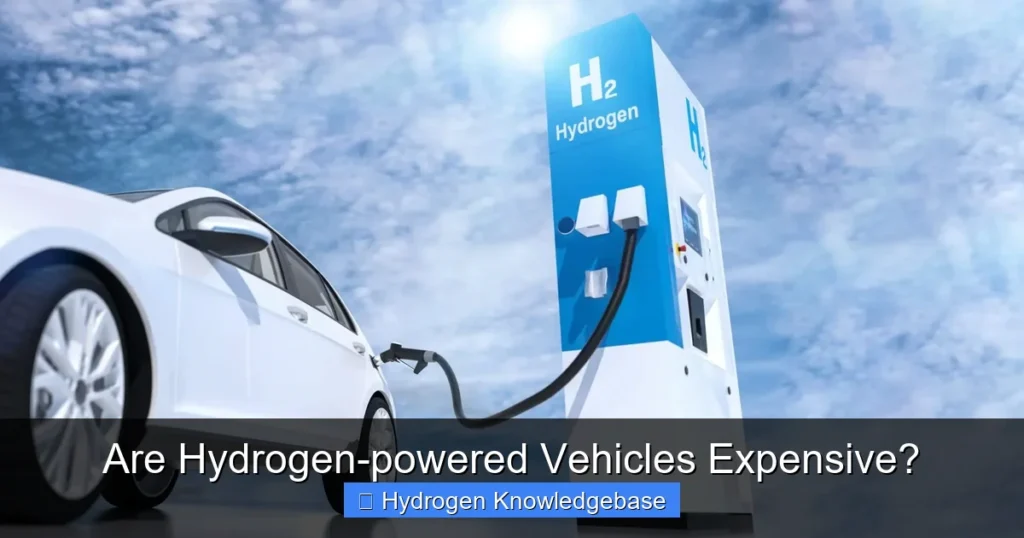
Hydrogen-powered vehicles are currently more expensive than gasoline or electric cars, but costs are dropping as technology improves. While upfront prices and fueling infrastructure remain challenges, long-term savings and environmental benefits may justify the investment for some drivers.
Key Takeaways
- Higher upfront cost: Hydrogen vehicles cost significantly more than comparable gasoline or battery-electric vehicles due to expensive fuel cells and limited production scale.
- Expensive hydrogen fuel: Refueling a hydrogen car can cost more per mile than gasoline or electricity, especially where infrastructure is limited.
- Lower maintenance costs: Fewer moving parts mean less wear and tear, potentially reducing long-term repair and servicing expenses.
- Government incentives available: Tax credits and rebates in regions like California and Europe can offset initial purchase prices.
- Infrastructure limitations drive costs: Sparse refueling stations increase development and delivery costs for hydrogen fuel.
- Future cost reductions likely: As production scales and technology advances, prices for hydrogen vehicles and fuel are expected to fall.
- Environmental payoff may justify expense: Zero tailpipe emissions and fast refueling make hydrogen appealing for eco-conscious drivers and fleets.
Quick Answers to Common Questions
How much does a hydrogen car cost compared to an electric car?
A new hydrogen car like the Toyota Mirai costs $50,000–$65,000, while a comparable electric car like the Tesla Model 3 starts around $38,000. Hydrogen vehicles are currently more expensive upfront.
Is hydrogen fuel more expensive than gasoline?
Yes, hydrogen fuel costs about $0.22 per mile, compared to $0.12 per mile for gasoline. It’s currently twice as expensive to fuel a hydrogen car.
Do hydrogen cars require a lot of maintenance?
No, hydrogen cars have fewer moving parts than gasoline vehicles, so they require less maintenance. No oil changes or exhaust system repairs are needed.
Are there tax incentives for hydrogen vehicles?
Yes, in the U.S., buyers may qualify for federal tax credits up to $8,000 and state rebates like California’s $5,000 CVRP incentive.
Will hydrogen cars ever be as cheap as electric cars?
Experts believe hydrogen vehicle prices will drop as production scales and technology improves, potentially reaching parity with EVs by 2030.
📑 Table of Contents
Are Hydrogen-powered Vehicles Expensive?
Imagine pulling up to a fueling station, connecting a nozzle, and being back on the road in under five minutes—just like filling up a gas car. No long charging waits. No range anxiety. That’s the promise of hydrogen-powered vehicles. But behind that futuristic convenience lies a big question: Are hydrogen-powered vehicles expensive?
Right now, the short answer is yes—hydrogen vehicles are more expensive than most traditional cars and even many electric vehicles (EVs). But it’s not just about the sticker price. The total cost of ownership includes fuel, maintenance, insurance, and infrastructure access. And while hydrogen cars are pricier today, the landscape is changing fast. With advancements in technology, government support, and growing interest in clean transportation, the cost equation is slowly shifting.
So, what’s driving the high price tag? And could hydrogen vehicles become affordable for everyday drivers in the near future? Let’s break it down.
Why Are Hydrogen Vehicles So Expensive Right Now?
Visual guide about Are Hydrogen-powered Vehicles Expensive?
Image source: tfipost.com
Hydrogen-powered vehicles, also known as fuel cell electric vehicles (FCEVs), use hydrogen gas to generate electricity through a chemical reaction in a fuel cell stack. This electricity powers an electric motor, producing only water vapor as a byproduct. Sounds great—so why the high cost?
The main reason is simple: scarcity. Unlike gasoline cars or battery EVs, hydrogen vehicles are still niche. Only a handful of models are available, and production volumes are low. This means manufacturers can’t benefit from economies of scale. When you’re making just a few thousand cars a year instead of hundreds of thousands, every component costs more.
Let’s look at the key cost drivers.
Expensive Fuel Cell Technology
At the heart of every hydrogen car is the fuel cell stack. This is where hydrogen and oxygen combine to produce electricity. While the concept isn’t new, the materials and engineering required are still costly.
Fuel cells use platinum as a catalyst—a rare and expensive metal. Although newer designs are reducing platinum usage, it’s still a significant expense. Plus, the membranes, electrodes, and sealing materials must withstand high temperatures and corrosive conditions, requiring advanced engineering and quality control.
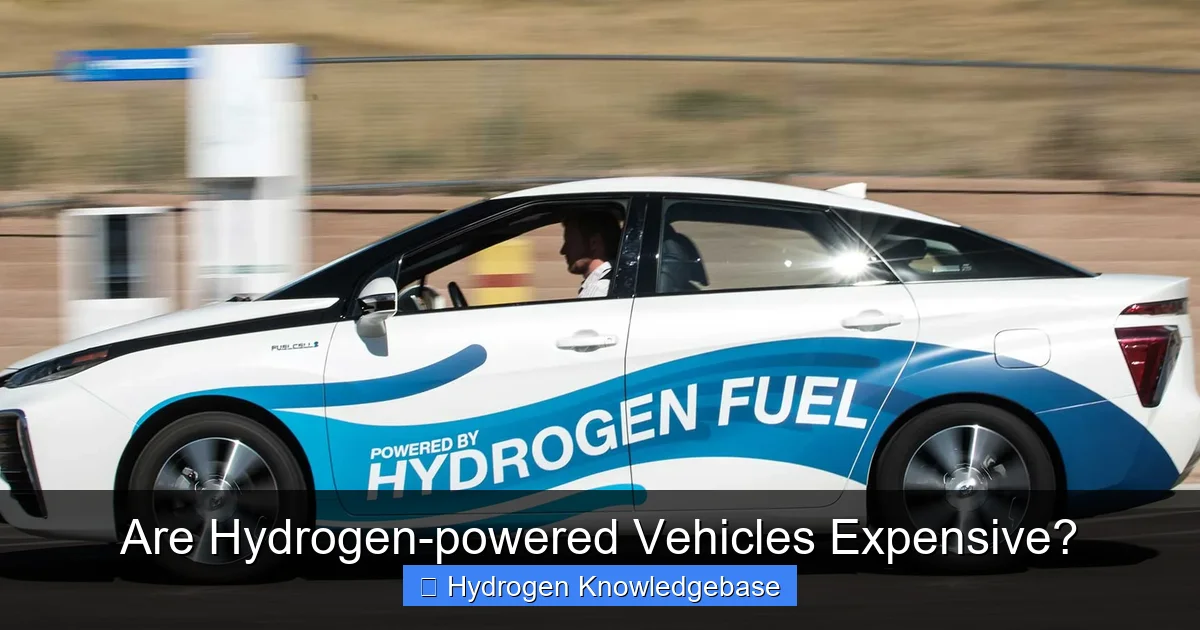
For example, the Toyota Mirai, one of the most popular hydrogen cars, uses a sophisticated fuel cell system developed over decades. While Toyota has streamlined production, the Mirai still costs around $50,000–$60,000—much more than a comparable gasoline sedan or even a long-range EV like the Tesla Model 3.
Limited Production and Low Demand
Another factor is low production volume. Automakers aren’t cranking out hydrogen cars in large numbers because demand is still limited. Without high sales, they can’t spread development and manufacturing costs across many units.
Compare that to Tesla, which produces over a million EVs annually. That scale allows Tesla to reduce per-unit costs through bulk purchasing, automated assembly, and continuous design improvements. Hydrogen carmakers don’t have that luxury—yet.
High Cost of Hydrogen Storage and Safety Systems
Hydrogen is the lightest element, but it’s also highly flammable and hard to store. To be practical in a vehicle, hydrogen must be compressed to extremely high pressures—usually around 10,000 psi—or cooled to liquid form at cryogenic temperatures.
Both methods require strong, lightweight tanks made from advanced composites like carbon fiber. These tanks are expensive to produce and must meet strict safety standards. In the event of a crash, they need to withstand impact without leaking or rupturing.
Additionally, hydrogen vehicles include multiple safety sensors, ventilation systems, and fail-safes to detect leaks and prevent fires. All of this adds to the vehicle’s complexity and cost.
How Much Does It Cost to Buy a Hydrogen Car?
If you’re shopping for a new car, the price tag is usually the first thing you notice. And when it comes to hydrogen vehicles, that number can be eye-opening.
As of 2024, the two most widely available hydrogen cars are the Toyota Mirai and the Hyundai NEXO. Here’s a quick look at their pricing:
– Toyota Mirai: Starts around $50,000 for the base model, with the premium Limited trim reaching up to $65,000.
– Hyundai NEXO: Priced between $58,000 and $62,000, depending on trim and options.
For comparison:
– A new Toyota Camry (gasoline) starts around $28,000.
– A Tesla Model 3 starts at about $38,000.
– A Hyundai Tucson Hybrid begins at roughly $32,000.
So, yes—hydrogen cars are significantly more expensive upfront. But it’s not just the base price. You also need to consider availability. These vehicles are only sold in select markets, primarily California in the U.S., due to the limited hydrogen refueling network.
Are There Any Incentives to Lower the Cost?
The good news? There are financial incentives that can help offset the high purchase price.
In California, buyers of new hydrogen vehicles may qualify for a Clean Vehicle Rebate Project (CVRP) rebate of up to $5,000. Additionally, the federal government offers a tax credit of up to $8,000 for FCEVs, though this depends on the manufacturer and battery capacity.
Some states also offer HOV lane access, reduced registration fees, and free or discounted parking for clean vehicles. These perks can add up over time and make ownership more appealing.
However, incentives vary by location and may change as policies evolve. It’s important to check current programs before making a purchase.
How Much Does It Cost to Fuel a Hydrogen Car?
Buying the car is one thing—fueling it is another. And here’s where hydrogen vehicles face another cost challenge: the price of hydrogen fuel.
Currently, hydrogen costs between $12 and $16 per kilogram in the U.S., with most stations in California charging around $14/kg. A typical hydrogen car like the Mirai holds about 5–6 kg of hydrogen and can travel 300–400 miles on a full tank.
Let’s do the math:
– 5.5 kg × $14/kg = $77 per fill-up
– Range: ~350 miles
– Cost per mile: ~$0.22
Compare that to:
– Gasoline: $3.50/gallon, 30 mpg → $0.12 per mile
– Electricity: $0.15/kWh, 4 miles/kWh → $0.04 per mile
So, hydrogen fuel is currently about twice as expensive per mile as gasoline and over five times more expensive than electricity. That’s a big difference.
Why Is Hydrogen Fuel So Expensive?
Several factors contribute to the high cost of hydrogen fuel:
Production Costs: Most hydrogen today is produced from natural gas through a process called steam methane reforming (SMR). While this method is efficient, it’s not cheap—and it still produces carbon emissions unless paired with carbon capture.
Green Hydrogen Is Even Pricier: The cleanest form of hydrogen—called “green hydrogen”—is made using renewable energy to split water into hydrogen and oxygen (electrolysis). This process is energy-intensive and requires expensive equipment, making green hydrogen two to three times more costly than gray hydrogen (from natural gas).
Lack of Infrastructure: There are fewer than 100 hydrogen refueling stations in the U.S., mostly in California. Building and maintaining these stations is expensive, and with low demand, operators charge more to cover costs.
Transportation and Storage: Hydrogen is difficult to transport. It can’t be sent through pipelines as easily as natural gas, and liquefying it requires extreme cooling. Most hydrogen is delivered by truck, which adds to the price.
Will Hydrogen Fuel Get Cheaper?
The good news is that experts believe hydrogen fuel costs will drop significantly in the coming years. As renewable energy becomes cheaper and electrolyzer technology improves, green hydrogen production is expected to become more efficient.
The U.S. Department of Energy has set a goal to reduce the cost of clean hydrogen to $1 per kilogram within a decade—a target known as the “Hydrogen Shot.” If achieved, this would make hydrogen fuel competitive with gasoline on a per-mile basis.
Countries like Germany, Japan, and South Korea are also investing heavily in hydrogen infrastructure, which could drive down costs through scale and innovation.
Maintenance and Operating Costs: Are They Lower?
While hydrogen vehicles have high upfront and fuel costs, they may save money in other areas—especially maintenance.
Like battery EVs, hydrogen cars have far fewer moving parts than internal combustion engines. No oil changes, no spark plugs, no exhaust systems. The fuel cell stack and electric motor are designed to last for hundreds of thousands of miles with minimal servicing.
Toyota, for example, claims the Mirai’s fuel cell system has a lifespan of over 100,000 miles with proper care. And because there’s no combustion, there’s less heat and wear on components.
What Maintenance Is Required?
Routine maintenance for hydrogen vehicles includes:
– Tire rotations and replacements
– Brake fluid checks (regenerative braking reduces wear, but systems still need inspection)
– Coolant changes for the fuel cell and battery
– Air filter replacements
– Software updates
Most manufacturers recommend service intervals similar to EVs—every 12,000 to 15,000 miles. And because there’s no engine oil or transmission fluid, you skip those costly services entirely.
However, one potential expense is the fuel cell stack itself. While durable, it’s not designed to last forever. Replacement could cost several thousand dollars, though this is rare within the first 100,000 miles.
Insurance and Depreciation
Insurance for hydrogen cars tends to be higher than for conventional vehicles, mainly due to their high value and limited repair network. Fewer mechanics are trained to work on fuel cell systems, and parts may need to be shipped from distant locations.
Depreciation is another concern. Because hydrogen vehicles are still uncommon, resale values can be unpredictable. Some early models have held their value well, while others have dropped sharply due to limited demand.
That said, as the technology becomes more mainstream, these factors should improve.
The Bigger Picture: Are Hydrogen Vehicles Worth the Cost?
So, are hydrogen-powered vehicles expensive? Yes—by almost every measure, they are more costly than gasoline or electric cars today.
But cost isn’t the only factor. For some drivers and fleets, the benefits may outweigh the price.
Advantages That Justify the Expense
Fast Refueling: Unlike EVs, which can take 30 minutes to several hours to charge, hydrogen cars refuel in 3–5 minutes—just like gas cars. This is a major advantage for long-distance travel, ride-sharing, or commercial fleets.
Long Range: Most hydrogen vehicles offer 300–400 miles of range, comparable to gasoline cars and better than many EVs.
Zero Tailpipe Emissions: Hydrogen cars emit only water vapor, making them ideal for reducing urban air pollution and meeting climate goals.
Reduced Dependence on Batteries: Hydrogen doesn’t rely on lithium, cobalt, or nickel—minerals that raise environmental and ethical concerns in battery production.
Who Should Consider a Hydrogen Vehicle?
Hydrogen cars may be a good fit for:
– Drivers in areas with hydrogen infrastructure (like California)
– Fleet operators needing fast refueling and long range
– Eco-conscious buyers who want zero emissions without long charging times
– Early adopters interested in cutting-edge technology
For the average driver, however, the high cost and limited refueling options make hydrogen vehicles a tough sell—at least for now.
The Future of Hydrogen Vehicle Costs
The future looks brighter. As governments and industries invest in clean energy, hydrogen is gaining momentum.
The European Union, Japan, and South Korea have all launched national hydrogen strategies. The U.S. has allocated billions in the Inflation Reduction Act to support clean hydrogen production.
Automakers are also expanding their hydrogen efforts. Toyota plans to increase Mirai production and develop hydrogen-powered trucks. Hyundai is investing in hydrogen buses and commercial vehicles. Even startups like Nikola are entering the space with hydrogen semi-trucks.
As production scales up and technology improves, costs will fall. Experts predict that by 2030, hydrogen vehicles could reach price parity with battery EVs, especially for larger vehicles like trucks and buses where batteries are heavy and charging is slow.
Challenges That Remain
Despite the progress, hurdles remain:
– Building a nationwide hydrogen refueling network will take time and investment.
– Green hydrogen production needs to scale dramatically to meet demand.
– Public awareness and acceptance of hydrogen safety are still growing.
But with continued innovation and support, hydrogen could play a key role in the clean transportation future.
Conclusion: Expensive Today, But Changing Fast
Are hydrogen-powered vehicles expensive? Right now, the answer is a clear yes. From the high purchase price to the cost of fuel and limited infrastructure, owning a hydrogen car is a premium experience.
But it’s important to see this in context. Every new technology starts out expensive—think of early EVs or hybrid cars. As demand grows and production scales, prices come down. Hydrogen vehicles are following that same path.
For now, they’re best suited for early adopters, fleet operators, and environmentally driven buyers in regions with hydrogen infrastructure. But as costs decline and refueling stations expand, hydrogen could become a viable option for more drivers.
The dream of clean, fast-refueling transportation is alive—and getting closer every day.
Frequently Asked Questions
Why are hydrogen cars so expensive to buy?
Hydrogen cars are expensive due to costly fuel cell technology, limited production scale, and advanced storage systems. Platinum catalysts and carbon fiber tanks drive up manufacturing costs.
How much does it cost to fill up a hydrogen car?
Filling a hydrogen car costs around $70–$90 for a full tank, depending on the price per kilogram and the vehicle’s capacity. This is more than gasoline or electricity per mile.
Are hydrogen vehicles safe?
Yes, hydrogen vehicles are designed with multiple safety features, including leak detectors, ventilation systems, and strong storage tanks. They undergo rigorous crash testing.
Where can I refuel a hydrogen car?
Most hydrogen refueling stations are in California, with a few in Hawaii and the Northeast. There are fewer than 100 stations in the U.S. as of 2024.
Can hydrogen cars use renewable energy?
Yes, when hydrogen is produced using renewable electricity (green hydrogen), the entire lifecycle can be nearly emission-free, making it a clean transportation option.
Will hydrogen replace electric cars?
Hydrogen is unlikely to replace battery EVs but may complement them, especially for long-haul trucks, buses, and applications where fast refueling is essential.