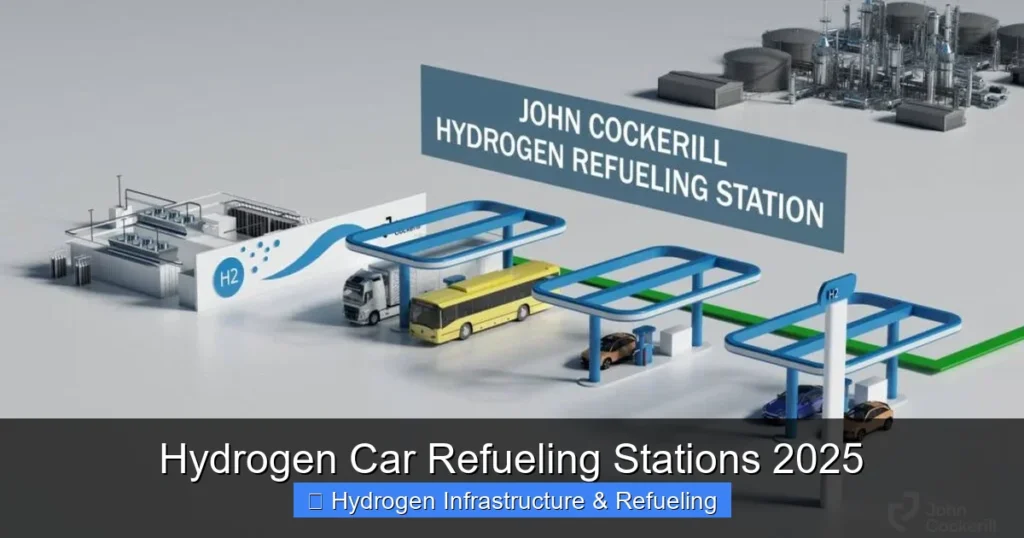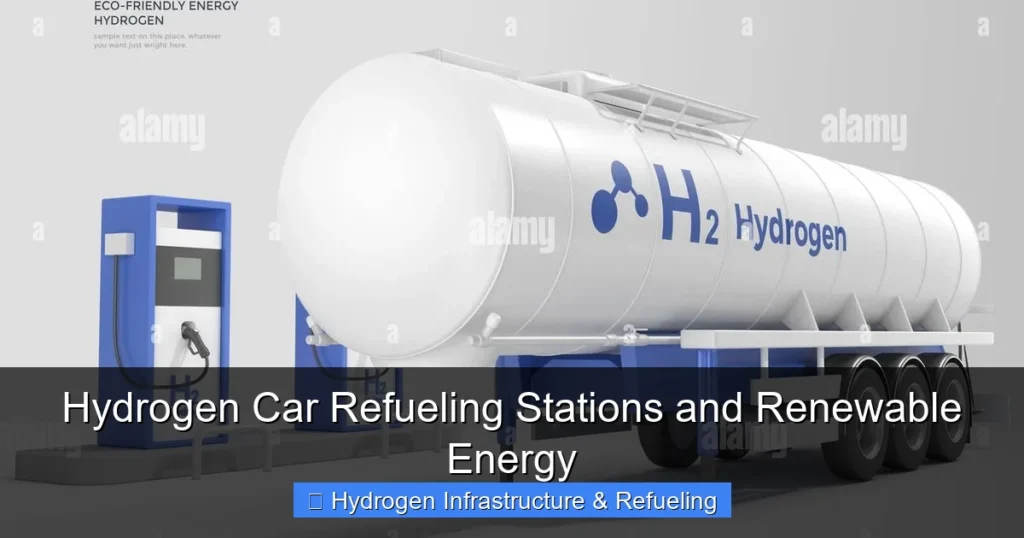
Hydrogen car refueling stations are emerging as a key player in the clean energy transition, offering zero-emission fuel for vehicles while stimulating economic growth. As infrastructure expands, these stations are creating jobs, reducing dependence on fossil fuels, and positioning countries as leaders in green technology innovation.
Key Takeaways
- Job Creation: Hydrogen refueling stations generate employment in construction, maintenance, operations, and R&D, boosting local economies.
- Energy Independence: By using domestically produced hydrogen, nations can reduce reliance on imported oil and enhance energy security.
- Environmental Benefits: Widespread adoption cuts greenhouse gas emissions, especially when hydrogen is produced using renewable energy.
- Government Incentives: Subsidies, tax credits, and grants are accelerating station deployment and lowering startup costs for private investors.
- Supply Chain Growth: The hydrogen economy supports new industries, from electrolyzer manufacturing to transport logistics.
- Regional Development: Rural and industrial areas benefit from new infrastructure investments and economic activity.
- Consumer Adoption: As stations become more accessible, consumer confidence in hydrogen vehicles increases, driving market demand.
📑 Table of Contents
- Introduction: The Rise of Hydrogen Mobility
- The Current State of Hydrogen Refueling Infrastructure
- Economic Benefits of Hydrogen Refueling Stations
- Government Policies and Incentives Driving Growth
- Environmental and Energy Security Implications
- The Future of Hydrogen Refueling and Economic Growth
- Conclusion: A Catalyst for Clean Growth
Introduction: The Rise of Hydrogen Mobility
The world is shifting toward cleaner transportation, and hydrogen-powered vehicles are gaining momentum as a viable alternative to gasoline and even battery-electric cars. While electric vehicles (EVs) dominate headlines, hydrogen fuel cell electric vehicles (FCEVs) offer unique advantages—especially for long-haul trucking, public transit, and heavy-duty applications. But for hydrogen cars to truly take off, one critical piece of the puzzle must fall into place: a reliable network of hydrogen car refueling stations.
These stations aren’t just technical installations—they’re economic catalysts. Every new hydrogen refueling station represents an investment in infrastructure, jobs, and innovation. From urban centers to remote industrial zones, these facilities are reshaping how we think about energy, transportation, and regional development. As governments and private companies pour billions into hydrogen infrastructure, the ripple effects are already being felt across multiple sectors of the economy.
The Current State of Hydrogen Refueling Infrastructure
As of 2024, the global network of hydrogen refueling stations is still in its early stages, but growth is accelerating. Countries like Japan, Germany, South Korea, and the United States are leading the charge, with over 1,000 stations operational worldwide. California alone accounts for more than half of the U.S. total, with over 60 stations serving cities like Los Angeles, San Francisco, and Sacramento.
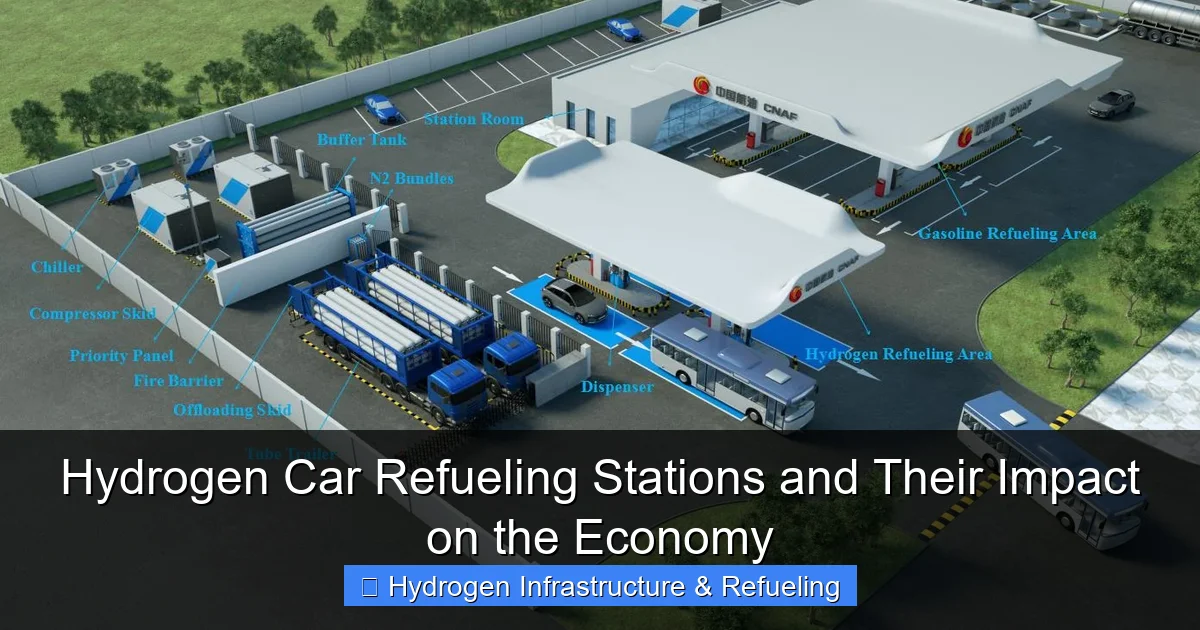
Visual guide about Hydrogen Car Refueling Stations and Their Impact on the Economy
Image source: sollant.com
Global Distribution and Growth Trends
Japan has been a pioneer in hydrogen infrastructure, with over 160 stations built under the government’s “Basic Hydrogen Strategy.” The country aims to have 900 stations by 2030, supporting its goal of becoming a hydrogen society. Similarly, Germany’s H2 Mobility initiative plans to deploy 100 stations by 2025, with support from major automakers like BMW and Daimler.
In South Korea, the government has committed $2.4 billion to expand hydrogen infrastructure, targeting 310 stations by 2025. The U.S. Department of Energy’s H2USA program is also fostering public-private partnerships to scale up deployment, particularly along key freight corridors.
Challenges in Expansion
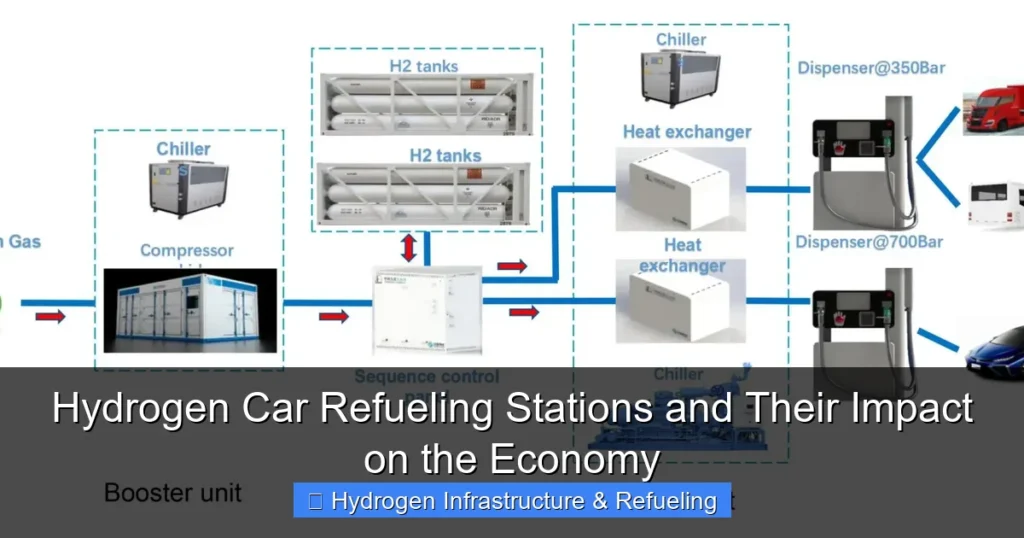
Despite progress, several barriers hinder faster growth. High capital costs remain a major hurdle—building a single hydrogen refueling station can cost between $1.5 million and $3 million, depending on technology and location. Unlike gasoline stations, hydrogen stations require specialized compressors, storage tanks, and safety systems, all of which add to the expense.
Another challenge is the “chicken-and-egg” problem: automakers are hesitant to produce more FCEVs without sufficient refueling infrastructure, while investors are reluctant to build stations without enough vehicles on the road. This interdependence slows adoption, though pilot programs and government mandates are helping to break the cycle.
Economic Benefits of Hydrogen Refueling Stations
The economic impact of hydrogen refueling stations extends far beyond the initial construction phase. These facilities stimulate job creation, attract private investment, and support long-term industrial growth. Let’s break down the key economic benefits.
Job Creation Across Multiple Sectors
Building and operating a hydrogen refueling station creates a wide range of jobs. During the construction phase, engineers, electricians, welders, and project managers are needed to install compressors, storage systems, and dispensers. Once operational, stations require trained technicians for maintenance, safety inspections, and customer service.
Beyond direct employment, the hydrogen economy supports indirect jobs in manufacturing, logistics, and research. For example, companies producing electrolyzers—devices that split water into hydrogen and oxygen using electricity—are expanding their workforce as demand grows. Similarly, trucking companies transporting hydrogen from production sites to refueling stations are hiring more drivers and logistics coordinators.
According to a 2023 report by the International Energy Agency (IEA), the global hydrogen sector could support up to 30 million jobs by 2050, with refueling infrastructure playing a central role. In the U.S., the Department of Energy estimates that every $1 million invested in hydrogen infrastructure generates approximately 12–15 jobs.
Stimulating Local and Regional Economies
Hydrogen refueling stations often serve as anchors for broader economic development. When a station is built in a rural or underserved area, it can attract additional investment—such as hydrogen production facilities, research centers, or clean tech startups. This clustering effect strengthens local economies and reduces regional disparities.
For example, in northern Germany, the town of Lübeck has become a hub for hydrogen innovation after installing a refueling station near a major port. The facility supports local bus fleets and freight trucks, while also attracting startups focused on green hydrogen production. Similarly, in California’s Central Valley, new stations are helping agricultural regions transition to cleaner transportation for farm equipment and delivery vehicles.
Attracting Private Investment and Innovation
The growing demand for hydrogen infrastructure has drawn significant interest from private investors. Companies like Air Liquide, Linde, and Shell are investing heavily in station networks, often partnering with automakers and governments to share costs and risks.
Venture capital is also flowing into hydrogen startups. In 2023, U.S. hydrogen tech companies raised over $2.5 billion in funding, with a significant portion dedicated to refueling solutions. These investments are driving innovation in areas like mobile refueling units, modular station designs, and AI-powered demand forecasting.
Government Policies and Incentives Driving Growth
Government support is a major driver of hydrogen infrastructure development. Without subsidies, tax breaks, and regulatory frameworks, the high upfront costs of building refueling stations would be prohibitive for most private companies. Fortunately, many countries are stepping up with ambitious policies to accelerate deployment.
Subsidies and Grants
In the United States, the Inflation Reduction Act (IRA) of 2022 includes a 30% investment tax credit for clean hydrogen production and infrastructure. This credit can be stacked with state-level incentives, such as California’s Clean Transportation Program, which offers up to $2 million per station for qualifying projects.
The European Union’s “Fit for 55” package includes funding for hydrogen refueling stations under the Alternative Fuels Infrastructure Regulation (AFIR). Member states are required to install stations at least every 150 kilometers along major highways by 2025. Germany, France, and the Netherlands are leading the way, with national subsidies covering up to 80% of installation costs.
Public-Private Partnerships
Collaboration between governments and private companies is essential for scaling up infrastructure. One successful model is the H2USA partnership in the U.S., which brings together automakers, energy companies, and state agencies to coordinate station deployment.
In Japan, the government works closely with Toyota, Honda, and industrial gas suppliers to ensure stations are built in high-demand areas. These partnerships reduce financial risk and ensure that infrastructure aligns with vehicle rollout plans.
Regulatory Support and Safety Standards
Clear regulations and safety standards are critical for public acceptance and investor confidence. Governments are updating building codes, zoning laws, and safety protocols to accommodate hydrogen stations. For example, the U.S. National Fire Protection Association (NFPA) has developed guidelines for hydrogen fueling stations, covering everything from ventilation to emergency shutdown systems.
Standardization also helps reduce costs. When components like dispensers and storage tanks are built to common specifications, manufacturers can achieve economies of scale, lowering prices for station operators.
Environmental and Energy Security Implications
While the economic benefits are clear, hydrogen refueling stations also play a vital role in advancing environmental goals and enhancing energy security. The type of hydrogen used—often categorized by color—determines its environmental impact.
Green, Blue, and Gray Hydrogen
Gray hydrogen is produced from natural gas through steam methane reforming, a process that emits carbon dioxide. While it’s currently the cheapest option, it offers limited environmental benefits. Blue hydrogen uses the same process but captures and stores the CO₂ emissions, reducing its carbon footprint.
Green hydrogen, produced by electrolyzing water using renewable electricity, is the most sustainable option. It emits no greenhouse gases and aligns with net-zero goals. As renewable energy costs fall, green hydrogen is becoming increasingly competitive.
Refueling stations that use green hydrogen contribute directly to climate action. For example, in Iceland, hydrogen stations powered by geothermal and hydroelectric energy offer truly zero-emission fuel. In Australia, pilot projects are using solar-powered electrolyzers to produce hydrogen for remote mining operations.
Reducing Oil Dependence
Hydrogen vehicles reduce reliance on imported oil, enhancing national energy security. Countries like Japan and South Korea, which import nearly all their oil, see hydrogen as a strategic alternative. By producing hydrogen domestically—using local renewable resources—they can insulate their economies from global oil price shocks.
In the U.S., hydrogen can help diversify the transportation fuel mix, especially in sectors where electrification is challenging, such as aviation, shipping, and heavy industry. The Department of Energy’s “Hydrogen Shot” initiative aims to reduce the cost of clean hydrogen to $1 per kilogram by 2031, making it competitive with fossil fuels.
The Future of Hydrogen Refueling and Economic Growth
Looking ahead, the expansion of hydrogen refueling stations is poised to accelerate. Advances in technology, falling renewable energy costs, and stronger policy support are creating a favorable environment for growth. But realizing the full economic potential will require continued investment and innovation.
Scaling Up with Modular and Mobile Solutions
One promising trend is the development of modular and mobile refueling units. These compact stations can be deployed quickly in remote areas or at events, reducing the need for permanent infrastructure. Companies like Hyzon and Nel Hydrogen are offering skid-mounted stations that can be transported by truck and set up in days.
Mobile refueling units are also being tested for emergency response and military applications. For example, the U.S. Army is exploring hydrogen-powered vehicles for logistics, with mobile stations providing fuel in the field.
Integration with Renewable Energy Grids
Future hydrogen stations will increasingly be co-located with solar farms, wind turbines, or hydroelectric plants. This integration allows excess renewable energy to be stored as hydrogen, solving the intermittency problem of wind and solar power. When electricity demand is low, surplus power can be used to produce hydrogen; when demand is high, the hydrogen can be converted back to electricity or used as fuel.
In Denmark, the “HyBalance” project demonstrates this model, using wind energy to produce hydrogen for buses and trucks. Similar projects are underway in Canada, Chile, and Australia.
Global Collaboration and Export Opportunities
As hydrogen infrastructure grows, so do opportunities for international trade. Countries with abundant renewable resources—like Australia, Saudi Arabia, and Morocco—are positioning themselves as hydrogen exporters. They plan to produce green hydrogen and ship it to energy-hungry markets in Europe and Asia.
This global hydrogen economy will create new trade routes, shipping technologies, and diplomatic partnerships. Refueling stations in importing countries will be essential for distributing hydrogen to end users, from buses to cargo ships.
Conclusion: A Catalyst for Clean Growth
Hydrogen car refueling stations are more than just fuel pumps—they are engines of economic transformation. By creating jobs, attracting investment, and supporting clean energy goals, these facilities are laying the foundation for a sustainable and resilient economy. While challenges remain, the momentum is undeniable.
As governments, businesses, and communities work together to expand the hydrogen network, the benefits will multiply. From urban centers to rural towns, hydrogen infrastructure is proving that clean transportation and economic growth can go hand in hand. The road ahead is long, but every new station brings us closer to a future powered by innovation, opportunity, and clean air.
Frequently Asked Questions
How many hydrogen refueling stations are there worldwide?
As of 2024, there are over 1,000 hydrogen refueling stations operating globally, with the majority located in Japan, Germany, South Korea, and the United States. Growth is accelerating, with hundreds more planned in the next five years.
Are hydrogen refueling stations safe?
Yes, hydrogen refueling stations are designed with multiple safety features, including leak detection, ventilation systems, and emergency shutdowns. Strict international standards ensure they are as safe as conventional fuel stations.
How much does it cost to build a hydrogen refueling station?
Building a hydrogen refueling station typically costs between $1.5 million and $3 million, depending on size, technology, and location. Costs are expected to fall as technology improves and production scales up.
Can hydrogen stations use renewable energy?
Yes, many new hydrogen stations are powered by renewable energy sources like solar or wind. This allows them to produce green hydrogen, which has zero carbon emissions.
What types of vehicles use hydrogen refueling stations?
Hydrogen stations primarily serve fuel cell electric vehicles (FCEVs), including passenger cars, buses, trucks, and even trains. Companies like Toyota, Hyundai, and Nikola are leading in FCEV development.
Will hydrogen stations replace gas stations?
Hydrogen stations are unlikely to fully replace gas stations but will complement them, especially for heavy-duty and long-range transportation. A diversified fuel mix—including electricity, hydrogen, and biofuels—is expected in the future.