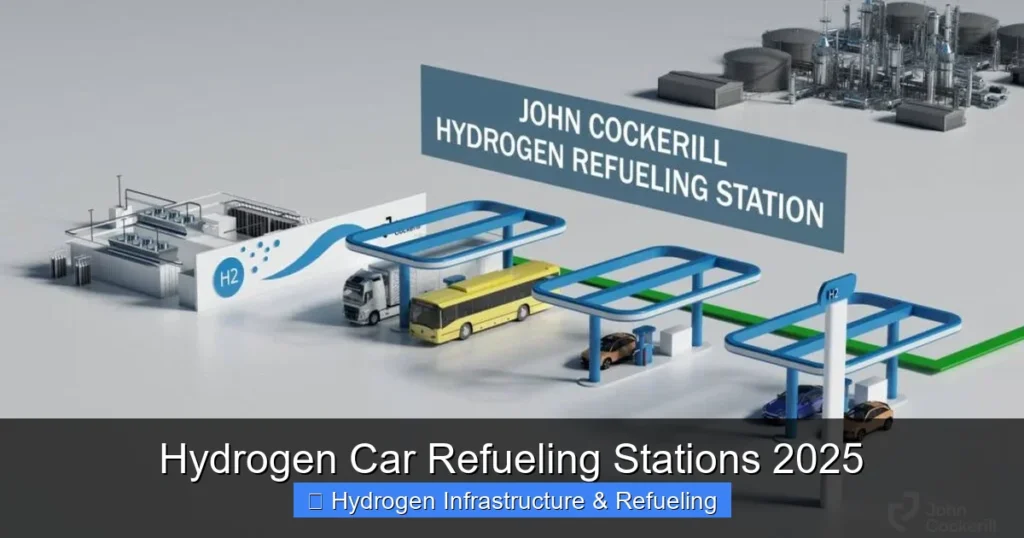
Hydrogen car refueling stations are becoming more accessible, especially in California, Japan, and parts of Europe. This guide helps you locate nearby stations, understand costs, and plan your hydrogen-powered journeys with confidence.
Key Takeaways
- Hydrogen refueling stations are still limited but growing rapidly in key regions like California, Japan, and Germany, with over 160 stations in the U.S. alone as of 2024.
- Most hydrogen stations use compressed gas technology, delivering fuel at 700 bar pressure to fill tanks in under 10 minutes—similar to gasoline refueling.
- Refueling costs vary widely, averaging $12–$16 per kilogram, meaning a full tank can cost $60–$100 depending on the vehicle.
- Station availability is highest near urban centers, particularly in Los Angeles, the San Francisco Bay Area, and select cities in Japan and Europe.
- Mobile apps and online tools like H2.Live, PlugShare, and the Department of Energy’s Alternative Fuels Data Center help locate real-time station status.
- Government incentives and automaker partnerships are accelerating infrastructure expansion, especially in the U.S. and EU.
- Hydrogen fuel cell vehicles (FCEVs) offer zero emissions and long range, making them ideal for eco-conscious drivers with access to refueling networks.
📑 Table of Contents
- Introduction to Hydrogen Car Refueling
- How Hydrogen Refueling Stations Work
- Where to Find Hydrogen Car Refueling Stations Near You
- Using Apps and Online Tools to Locate Stations
- Cost of Refueling a Hydrogen Car
- The Future of Hydrogen Refueling Infrastructure
- Conclusion: Is a Hydrogen Car Right for You?
Introduction to Hydrogen Car Refueling
Imagine pulling up to a fueling station, connecting a nozzle to your car, and driving away in under 10 minutes—all while emitting nothing but water vapor. That’s the promise of hydrogen-powered vehicles. Unlike electric cars that rely on lengthy charging sessions, hydrogen fuel cell electric vehicles (FCEVs) refuel quickly and offer ranges comparable to traditional gasoline cars. But here’s the catch: finding a hydrogen car refueling station near you isn’t as simple as pulling up to any gas pump. The infrastructure is still developing, and availability depends heavily on where you live.
Hydrogen vehicles are gaining traction as a clean alternative to fossil fuels. They use hydrogen gas stored in high-pressure tanks, which reacts with oxygen in a fuel cell to produce electricity—powering the car and emitting only water. This technology is especially appealing for drivers who want zero emissions without the range anxiety or long charging times associated with battery electric vehicles. However, the success of hydrogen cars hinges on one critical factor: access to refueling stations.
So, if you’re driving a Toyota Mirai, Hyundai NEXO, or another FCEV, or considering one, knowing where to refuel is essential. This guide will walk you through everything you need to know about hydrogen car refueling stations near you—from how they work and where they’re located, to costs, apps, and future expansion plans. Whether you’re in California, planning a trip to Japan, or just curious about the future of clean transportation, we’ve got you covered.
How Hydrogen Refueling Stations Work
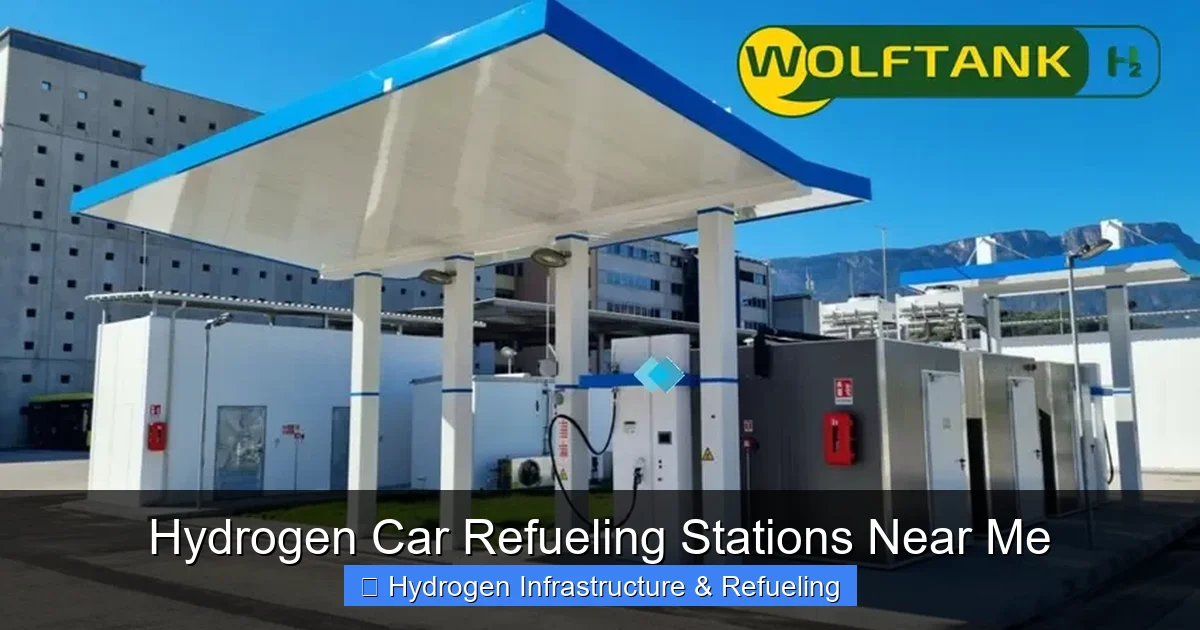
Visual guide about Hydrogen Car Refueling Stations Near Me
Image source: img.fuelcellsworks.com
Hydrogen refueling stations might look similar to traditional gas pumps, but the technology behind them is quite different. Instead of dispensing liquid fuel, these stations deliver compressed hydrogen gas directly into your vehicle’s high-pressure tank. The process is fast, clean, and designed to mimic the convenience of gasoline refueling.
The Refueling Process Explained
When you pull up to a hydrogen station, you’ll typically park near a dispenser that looks like a modern gas pump. After verifying your vehicle compatibility, you’ll connect a nozzle to the fuel inlet—usually located near the gas cap. The system automatically checks for leaks and ensures a secure connection before beginning the transfer. Most stations use a 700-bar (10,000 psi) pressure system, which allows hydrogen to be stored densely enough for long-range driving.
The actual refueling takes about 3 to 10 minutes, depending on the station’s capacity and your vehicle’s tank size. For example, a Toyota Mirai can go from empty to full in under 5 minutes—faster than most electric vehicles can charge to 80%. Once complete, the nozzle disengages automatically, and you’re ready to drive.
Safety and Technology Behind the Stations
Safety is a top priority in hydrogen refueling. Hydrogen is highly flammable, but modern stations are equipped with multiple safety systems. These include leak detectors, automatic shut-off valves, and ventilation systems to prevent gas buildup. The fueling nozzles are designed to prevent overfilling and ensure a tight seal, minimizing the risk of release.
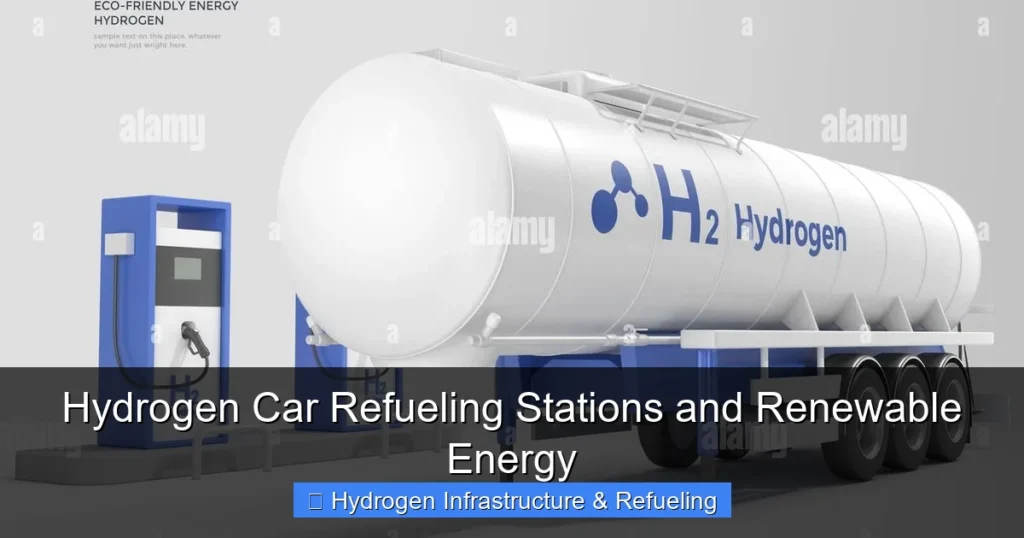
Stations are typically supplied with hydrogen via pipelines, on-site production, or delivered by truck. Some use electrolysis—splitting water into hydrogen and oxygen using renewable electricity—to produce green hydrogen on location. Others receive hydrogen from industrial plants or natural gas reforming facilities. The source of hydrogen affects its environmental impact, with green hydrogen being the cleanest option.
Types of Hydrogen Stations
There are three main types of hydrogen refueling stations:
– Retail stations: Open to the public, often located at gas stations or dedicated hydrogen hubs. These are the most common and convenient for everyday drivers.
– Fleet stations: Used by commercial or government fleets, such as buses or delivery vehicles. These are usually not accessible to the public.
– Mobile refuelers: Truck-mounted units that can deliver hydrogen to remote locations or during emergencies. These are rare but useful for expanding access.
Most hydrogen car refueling stations near you will be retail stations, especially in urban areas with active FCEV adoption.
Where to Find Hydrogen Car Refueling Stations Near You
Finding a hydrogen car refueling station near you depends largely on your location. While the network is still limited compared to gas or EV charging stations, it’s growing rapidly in certain regions. Let’s break down where you’re most likely to find them.
United States: California Leads the Way
As of 2024, the U.S. has over 160 hydrogen refueling stations, with the vast majority located in California. The Golden State is the epicenter of hydrogen infrastructure in America, driven by state incentives, automaker partnerships, and a strong push for zero-emission vehicles.
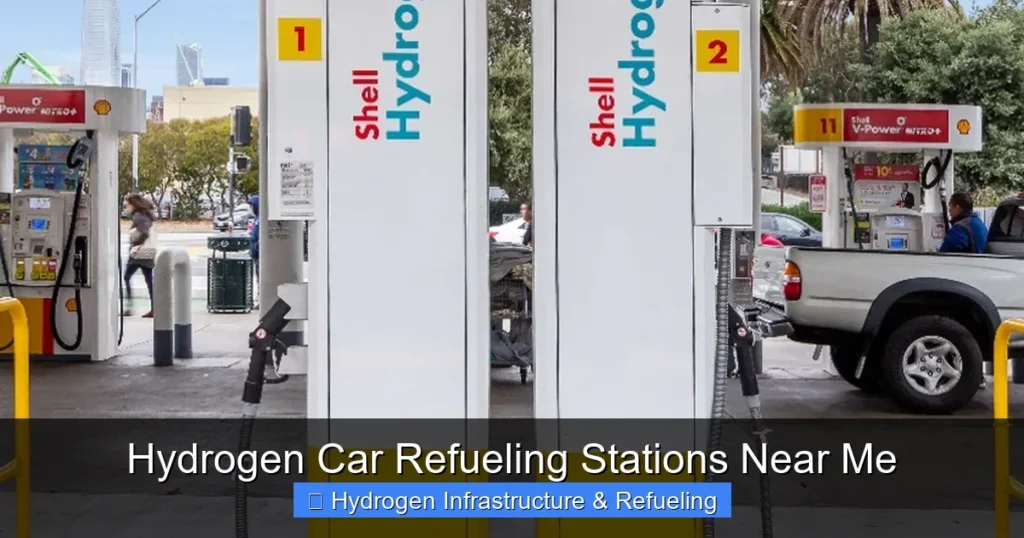
The Bay Area and Los Angeles are the two main hubs. In the Bay Area, you’ll find stations in cities like San Francisco, Oakland, San Jose, and Berkeley. Los Angeles has stations spread across Hollywood, Santa Monica, Long Beach, and the San Fernando Valley. These stations are often co-located with traditional gas stations or standalone facilities operated by companies like Shell, Toyota, and FirstElement Fuel.
Outside California, hydrogen stations are sparse. A few exist in Hawaii, New York, and Connecticut, but coverage is minimal. The U.S. Department of Energy and private companies are working to expand the network, especially along major highways and in states with clean energy goals.
International Hotspots: Japan, Germany, and South Korea
Globally, Japan is the leader in hydrogen infrastructure. With over 160 stations nationwide, Japan has embraced hydrogen as a key part of its energy strategy. Major cities like Tokyo, Osaka, and Nagoya have multiple stations, and the government offers subsidies for both vehicles and infrastructure.
Germany follows closely, with around 100 stations as of 2024. The H2 Mobility initiative—a partnership between automakers, energy companies, and the government—aims to build a nationwide network. Stations are concentrated in cities like Berlin, Munich, and Stuttgart, with plans to expand along the Autobahn.
South Korea is also making strides, with over 200 stations planned by 2025. Hyundai, the country’s largest automaker, is a major driver of this expansion, supporting both vehicle sales and infrastructure development.
Emerging Markets and Future Expansion
Other countries are beginning to invest in hydrogen infrastructure. Canada has a growing network in British Columbia and Quebec. The UK has stations in London, Birmingham, and Teesside. Australia is piloting projects in Melbourne and Perth.
In the U.S., the Bipartisan Infrastructure Law includes $8 billion for hydrogen hubs, which will fund regional networks in states like Texas, Pennsylvania, and Louisiana. These hubs aim to produce and distribute hydrogen for transportation, industry, and power generation.
Using Apps and Online Tools to Locate Stations
With hydrogen stations still limited, knowing where they are—and whether they’re operational—is crucial. Fortunately, several apps and websites make it easy to find hydrogen car refueling stations near you in real time.
Top Apps for Hydrogen Station Locators
One of the most popular tools is H2.Live, a free app and website that maps hydrogen stations worldwide. It shows station locations, types (retail, fleet, mobile), fuel types (compressed, liquid), and real-time status (open, closed, out of service). Users can filter by region, vehicle compatibility, and even plan routes with multiple stops.
Another excellent option is PlugShare, a platform originally designed for EV charging but now includes hydrogen stations. It features user reviews, photos, and comments about station conditions. PlugShare is especially useful for trip planning, as it integrates with navigation apps like Google Maps.
The U.S. Department of Energy’s Alternative Fuels Data Center (AFDC) offers a comprehensive map of alternative fuel stations, including hydrogen. It’s a trusted government resource with detailed information on station operators, fuel types, and access hours.
Tips for Using Station Locators Effectively
To get the most out of these tools, follow these tips:
– Check station status before you go: Some stations may be temporarily offline for maintenance or upgrades. Apps like H2.Live show real-time availability.
– Verify compatibility: Not all stations support every FCEV. Make sure the station offers the correct nozzle type and pressure (usually 700 bar).
– Plan for backup options: If your nearest station is closed, have a secondary location in mind. This is especially important for long trips.
– Use trip planning features: Apps like PlugShare allow you to route your journey with hydrogen stops along the way, similar to EV charging route planners.
Community and User Feedback
User reviews on apps can be incredibly helpful. If a station has long lines, broken equipment, or poor customer service, other drivers will often mention it. Some stations even have loyalty programs or discounts for frequent users—information that’s often shared in app comments.
For example, drivers in Los Angeles frequently praise the Shell station in Torrance for its reliability and fast service. In contrast, some Bay Area stations have been criticized for frequent outages during peak hours. Staying informed through community feedback can save you time and frustration.
Cost of Refueling a Hydrogen Car
One of the biggest questions drivers have is: How much does it cost to refuel a hydrogen car? The answer varies by region, station operator, and fuel source, but here’s what you need to know.
Current Pricing Trends
In the U.S., hydrogen fuel typically costs between $12 and $16 per kilogram. Most FCEVs, like the Toyota Mirai, have a tank capacity of about 5–6 kg, meaning a full refuel costs around $60 to $100. For comparison, a gasoline car with a 12-gallon tank might cost $40–$60 to fill, depending on gas prices.
While hydrogen is currently more expensive than gasoline, it’s important to consider the cost per mile. FCEVs like the Mirai achieve about 65–70 miles per kilogram, so a full tank can take you 350–400 miles. That’s comparable to many gasoline cars and far exceeds most EVs on a single charge.
Factors Affecting Price
Several factors influence hydrogen pricing:
– Production method: Green hydrogen (made with renewable energy) is more expensive than gray hydrogen (from natural gas). As renewable energy costs drop, green hydrogen is becoming more affordable.
– Location: Stations in high-demand areas like Los Angeles may charge more due to operational costs and taxes.
– Subsidies and incentives: In California, the Clean Fuel Reward program offers up to $1,500 for hydrogen fuel purchases, effectively reducing the cost per fill-up.
Future Cost Projections
Experts predict that hydrogen fuel prices will decline as production scales up and technology improves. The U.S. Department of Energy’s “Hydrogen Shot” initiative aims to reduce the cost of clean hydrogen to $1 per kilogram within a decade. If achieved, this would make hydrogen fuel competitive with gasoline and significantly cheaper than current rates.
Automakers and energy companies are also investing in on-site production and renewable-powered stations, which could further lower costs. For example, Toyota’s partnership with Air Liquide includes plans for solar-powered hydrogen stations in California.
The Future of Hydrogen Refueling Infrastructure
The future of hydrogen car refueling stations looks promising, with governments, automakers, and energy companies all investing in expansion. While the network is still in its early stages, several trends suggest rapid growth in the coming years.
Government Support and Incentives
Governments around the world are backing hydrogen as a clean energy solution. In the U.S., the Inflation Reduction Act and Bipartisan Infrastructure Law include billions in funding for hydrogen production and infrastructure. California’s Zero-Emission Vehicle (ZEV) mandate requires automakers to sell a growing percentage of clean vehicles, including FCEVs.
The European Union has launched the Hydrogen Strategy, aiming for 40 gigawatts of electrolyzer capacity by 2030. Japan’s Basic Hydrogen Strategy targets 800,000 FCEVs and 900 stations by 2030.
Automaker and Industry Partnerships
Major automakers are driving infrastructure development. Toyota, Hyundai, and Honda have all partnered with energy companies to build and operate hydrogen stations. For example, Toyota’s “Hydrogen Highway” initiative in California has helped fund dozens of new stations.
Energy giants like Shell, BP, and Air Liquide are also expanding their hydrogen networks. Shell, for instance, plans to open 100 hydrogen stations across Europe by 2025.
Challenges and Opportunities
Despite the progress, challenges remain. High production costs, limited vehicle availability, and the need for specialized storage and transport are hurdles. However, advancements in electrolysis, renewable energy, and fuel cell technology are addressing these issues.
As more FCEVs hit the road and public awareness grows, demand for hydrogen stations will increase. This creates a positive feedback loop: more stations encourage more vehicle sales, which in turn justify further infrastructure investment.
Conclusion: Is a Hydrogen Car Right for You?
Hydrogen car refueling stations near you are becoming more accessible, especially if you live in California, Japan, or parts of Europe. While the network is still developing, the combination of fast refueling, long range, and zero emissions makes FCEVs an attractive option for eco-conscious drivers.
To make the most of hydrogen technology, use apps like H2.Live and PlugShare to locate stations, plan routes, and check real-time status. Be aware of costs—currently higher than gasoline but expected to fall—and take advantage of government incentives where available.
The future of hydrogen is bright. With continued investment and innovation, hydrogen refueling could one day be as common as pumping gas. If you’re ready to embrace clean, fast, and efficient transportation, now is the time to explore hydrogen-powered driving.
Frequently Asked Questions
How many hydrogen refueling stations are there in the U.S.?
As of 2024, there are over 160 hydrogen refueling stations in the United States, with the majority located in California. The network is expanding, especially in states with clean energy initiatives.
Can I refuel my hydrogen car at home?
Currently, home refueling is not widely available. Some companies are developing home hydrogen systems, but they are expensive and not yet practical for most consumers. Public stations remain the primary option.
How long does it take to refuel a hydrogen car?
Refueling a hydrogen car typically takes 3 to 10 minutes, similar to filling up a gasoline vehicle. This is much faster than charging most electric cars.
Are hydrogen refueling stations safe?
Yes, hydrogen stations are designed with multiple safety features, including leak detection, automatic shut-offs, and ventilation systems. Hydrogen is flammable, but modern technology minimizes risks.
What vehicles can use hydrogen refueling stations?
Only hydrogen fuel cell electric vehicles (FCEVs) can use these stations. Popular models include the Toyota Mirai, Hyundai NEXO, and Honda Clarity Fuel Cell.
Will hydrogen stations become more common in the future?
Yes, governments and companies are investing heavily in hydrogen infrastructure. Expansion is expected in the U.S., Europe, and Asia, with hundreds of new stations planned by 2030.