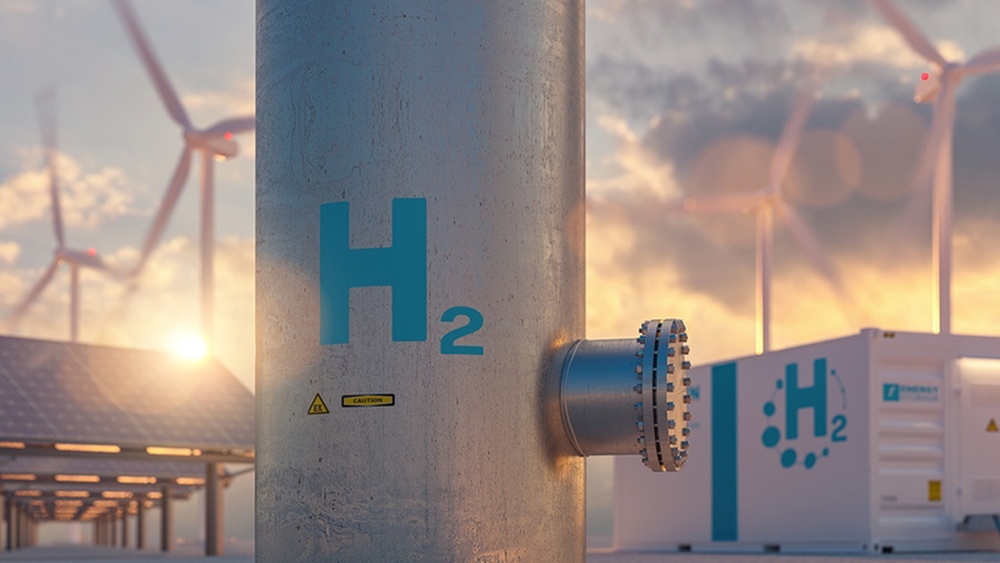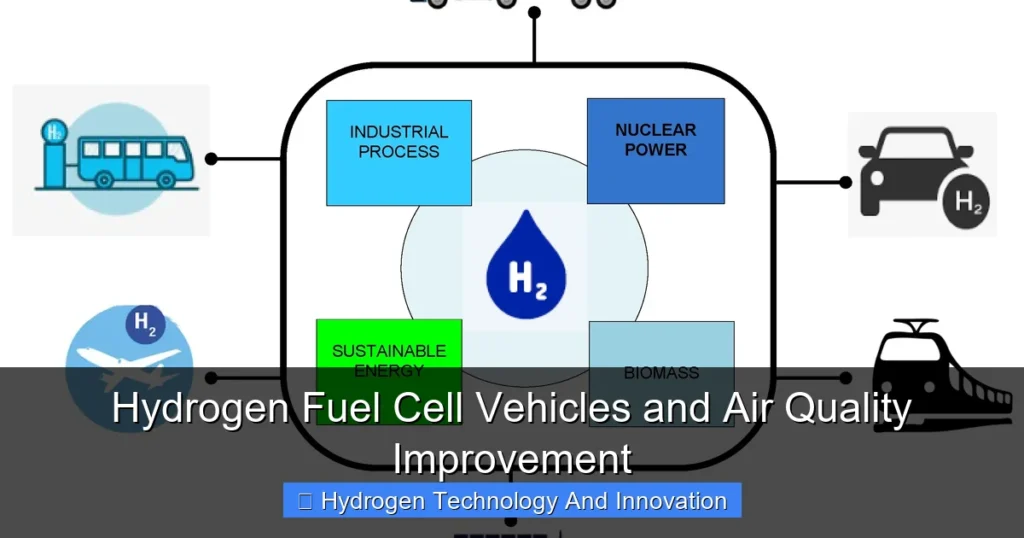
Hydrogen fuel cell vehicles (FCEVs) produce zero tailpipe emissions, emitting only water vapor and warm air. By replacing gasoline and diesel cars, they can significantly improve urban air quality and reduce harmful pollutants like nitrogen oxides and particulate matter.
Key Takeaways
- Zero tailpipe emissions: Hydrogen fuel cell vehicles emit only water vapor, making them a clean alternative to internal combustion engines.
- Improved urban air quality: Widespread FCEV adoption can reduce smog, respiratory illnesses, and greenhouse gas emissions in cities.
- Complementary to electric vehicles: FCEVs offer fast refueling and long range, filling gaps where battery-electric vehicles may fall short.
- Green hydrogen is key: To maximize environmental benefits, hydrogen must be produced using renewable energy sources like wind or solar.
- Infrastructure challenges remain: Limited hydrogen refueling stations hinder adoption, but government and private investments are growing.
- Heavy-duty applications shine: FCEVs are especially promising for trucks, buses, and industrial vehicles that need long range and quick refueling.
- Policy support accelerates progress: Incentives, regulations, and international agreements are driving the hydrogen economy forward.
📑 Table of Contents
- Introduction: A Cleaner Road Ahead
- How Hydrogen Fuel Cell Vehicles Work
- Air Quality Benefits of Hydrogen Vehicles
- Hydrogen vs. Battery-Electric: Complementary Solutions
- Challenges and Barriers to Adoption
- The Role of Green Hydrogen in a Sustainable Future
- Conclusion: A Cleaner, Healthier Future with Hydrogen
Introduction: A Cleaner Road Ahead
Imagine driving a car that doesn’t cough out fumes, doesn’t contribute to smog, and leaves behind nothing but water droplets. That’s not science fiction—it’s the reality of hydrogen fuel cell vehicles (FCEVs). As cities around the world grapple with worsening air pollution and climate change, clean transportation solutions are no longer optional; they’re essential. Among the most promising technologies is the hydrogen fuel cell, a system that generates electricity through a chemical reaction between hydrogen and oxygen, powering the vehicle with zero harmful emissions.
Unlike traditional gasoline or diesel engines, which burn fuel and release carbon dioxide (CO₂), nitrogen oxides (NOx), and particulate matter, FCEVs produce only water vapor and heat. This simple but powerful difference has the potential to transform urban air quality, reduce respiratory diseases, and help nations meet their climate goals. While battery-electric vehicles (BEVs) have gained significant attention, hydrogen-powered cars offer unique advantages—especially in terms of refueling speed and range—making them a vital part of the clean transportation puzzle.
How Hydrogen Fuel Cell Vehicles Work
Visual guide about Hydrogen Fuel Cell Vehicles and Air Quality Improvement
Image source: shiftthrill.com
To understand why FCEVs are so clean, it helps to know how they operate. At the heart of every hydrogen fuel cell vehicle is the fuel cell stack—a series of individual fuel cells that combine hydrogen and oxygen to produce electricity. This electricity then powers an electric motor, just like in a battery-electric car. The only byproducts? Heat and water.
The Fuel Cell Stack: Power from Chemistry
Each fuel cell contains an anode, a cathode, and an electrolyte membrane. Hydrogen gas is fed into the anode, where a catalyst—usually platinum—splits the hydrogen molecules into protons and electrons. The protons pass through the electrolyte membrane to the cathode, while the electrons are forced through an external circuit, creating an electric current. At the cathode, oxygen from the air combines with the protons and electrons to form water (H₂O). This entire process happens silently and continuously as long as hydrogen is supplied.
Hydrogen Storage and Delivery
Hydrogen is stored in high-pressure tanks within the vehicle, typically at 5,000 to 10,000 psi. These tanks are made of lightweight, durable materials like carbon fiber to ensure safety and efficiency. When the driver presses the accelerator, hydrogen flows from the tank to the fuel cell stack, where it’s converted into electricity. The vehicle’s battery—smaller than in a BEV—stores excess energy and provides extra power during acceleration.
One of the biggest advantages of FCEVs is refueling time. While BEVs can take 30 minutes to several hours to recharge, hydrogen vehicles can be refueled in 3 to 5 minutes—comparable to filling up a gas tank. This makes them ideal for long-distance travel and commercial applications where downtime is costly.
Air Quality Benefits of Hydrogen Vehicles
The most compelling reason to adopt hydrogen fuel cell vehicles is their positive impact on air quality. In cities choked by traffic-related pollution, FCEVs offer a breath of fresh air—literally.
Zero Tailpipe Emissions
The defining feature of FCEVs is their lack of tailpipe emissions. Unlike gasoline or diesel vehicles, they do not release carbon monoxide (CO), hydrocarbons (HC), nitrogen oxides (NOx), or fine particulate matter (PM2.5)—all of which are linked to respiratory diseases, cardiovascular problems, and premature death. According to the World Health Organization (WHO), air pollution causes an estimated 7 million premature deaths annually. By eliminating these pollutants at the source, FCEVs can play a major role in reducing this toll.
For example, in cities like Los Angeles or Beijing, where smog is a persistent problem, replacing even a fraction of internal combustion engine vehicles with FCEVs could lead to measurable improvements in air quality. Studies have shown that widespread adoption of zero-emission vehicles could reduce urban NOx levels by up to 30% and PM2.5 by over 20% within a decade.
Reduction in Greenhouse Gases
While FCEVs themselves emit no CO₂, the environmental benefit depends on how the hydrogen is produced. If hydrogen is made using fossil fuels—such as natural gas through a process called steam methane reforming—then the overall carbon footprint can be significant. However, when hydrogen is produced using renewable energy—a method known as “green hydrogen”—the lifecycle emissions drop dramatically.
Green hydrogen is created through electrolysis, where electricity from wind, solar, or hydropower splits water into hydrogen and oxygen. This process emits no greenhouse gases. When green hydrogen powers FCEVs, the entire chain—from production to driving—can be nearly carbon-free. In contrast, even battery-electric vehicles rely on the grid’s energy mix, which in many regions still includes coal and natural gas.
Health and Environmental Co-Benefits
Cleaner air doesn’t just mean fewer smog alerts—it translates into real health benefits. Lower levels of NOx and PM2.5 reduce the incidence of asthma, bronchitis, and other respiratory conditions, especially in children and the elderly. A study by the International Council on Clean Transportation (ICCT) estimated that transitioning to zero-emission vehicles in the U.S. could prevent over 100,000 premature deaths by 2050.
Beyond human health, cleaner air also benefits ecosystems. Acid rain, caused by NOx and sulfur dioxide, damages forests, lakes, and soils. By cutting these emissions, FCEVs help protect biodiversity and natural habitats.
Hydrogen vs. Battery-Electric: Complementary Solutions
When discussing clean transportation, it’s common to pit hydrogen against battery-electric vehicles. But the reality is that both technologies have strengths and weaknesses—and they’re best viewed as complementary, not competitive.
Range and Refueling: Where Hydrogen Shines
One of the biggest challenges for BEVs is range anxiety—the fear of running out of charge before reaching a charging station. While modern EVs can travel 300–400 miles on a single charge, they still require significant downtime to recharge. Fast chargers can restore 80% of a battery in 30 minutes, but that’s still much slower than refueling a gas or hydrogen car.
FCEVs, on the other hand, typically offer ranges of 300–400 miles and can be refueled in under five minutes. This makes them ideal for long-haul trucking, public transit, and fleet vehicles that operate on tight schedules. For example, Toyota’s fuel cell semi-truck, the Kenworth T680 FCEV, is being tested in California’s ports to reduce emissions in one of the nation’s most polluted regions.
Weight and Space Efficiency
Battery packs are heavy and take up a lot of space. In large vehicles like buses or delivery trucks, this can reduce cargo capacity and increase energy consumption. Hydrogen tanks, while also requiring space, are lighter per unit of energy stored. This makes FCEVs more efficient for heavy-duty applications where every pound counts.
Charging Infrastructure vs. Hydrogen Stations
Currently, charging infrastructure for BEVs is far more developed than hydrogen refueling networks. In the U.S., there are over 150,000 public EV charging ports, compared to fewer than 100 hydrogen stations—most of which are in California. However, hydrogen infrastructure is expanding. Countries like Japan, South Korea, and Germany are investing heavily in hydrogen refueling networks, and companies like Shell and Air Liquide are building stations across Europe and North America.
The key is to deploy the right technology in the right place. BEVs are excellent for urban commuting and short trips, while FCEVs excel in long-range, high-utilization roles. A balanced approach that includes both technologies will deliver the greatest air quality benefits.
Challenges and Barriers to Adoption
Despite their promise, hydrogen fuel cell vehicles face several hurdles that have slowed widespread adoption.
High Production Costs
FCEVs are currently more expensive than both gasoline and electric vehicles. The fuel cell stack, hydrogen storage tanks, and rare materials like platinum contribute to the high price tag. A new Toyota Mirai, for example, starts around $50,000—significantly more than a comparable Tesla or Hyundai Ioniq. However, costs are expected to fall as production scales up and technology improves. The U.S. Department of Energy estimates that fuel cell costs could drop by 50% by 2030 with increased manufacturing and innovation.
Limited Refueling Infrastructure
As mentioned earlier, the lack of hydrogen stations is a major barrier. Building a hydrogen refueling network requires significant investment in production, transportation, and storage. Hydrogen is difficult to transport—it’s a small, leak-prone molecule that requires compression or liquefaction. Pipelines are the most efficient method, but few hydrogen pipelines exist today.
However, progress is being made. California, a leader in clean transportation, has committed to building 200 hydrogen stations by 2025. The European Union’s Hydrogen Strategy aims for 1,000 stations by 2030. Private companies like Nikola and Plug Power are also entering the market, offering hydrogen solutions for fleets and logistics.
Energy Efficiency Concerns
One criticism of hydrogen is its lower overall energy efficiency compared to batteries. Producing hydrogen via electrolysis, compressing it, transporting it, and converting it back to electricity in a fuel cell results in energy losses of 60–70%. In contrast, charging and discharging a battery is about 80–90% efficient.
But this comparison isn’t always fair. Hydrogen’s advantage lies in its ability to store large amounts of energy for long periods—something batteries struggle with. In regions with abundant renewable energy, excess solar or wind power can be used to produce hydrogen during off-peak hours, storing it for later use. This makes hydrogen a valuable tool for grid stability and energy storage, not just transportation.
The Role of Green Hydrogen in a Sustainable Future
To fully realize the air quality benefits of hydrogen fuel cell vehicles, the hydrogen itself must be clean. That means shifting from “gray” and “blue” hydrogen—produced from fossil fuels—to “green” hydrogen made with renewable energy.
Green Hydrogen: The Gold Standard
Green hydrogen is produced by splitting water molecules using electricity from wind, solar, or hydropower. This process emits no CO₂ and can be powered entirely by clean energy. Countries like Australia, Chile, and Saudi Arabia are investing billions in green hydrogen projects, aiming to become major exporters.
For example, the HyDeal Ambition project in Spain plans to produce green hydrogen at scale by 2030, using solar power and pipeline networks. If successful, it could supply hydrogen to Europe at prices competitive with fossil fuels.
Policy and Investment Driving Change
Government policies are crucial for accelerating the transition to green hydrogen. The U.S. Inflation Reduction Act includes tax credits for clean hydrogen production, while the European Union’s REPowerEU plan aims to produce 10 million tons of green hydrogen domestically by 2030. Japan and South Korea have also launched national hydrogen strategies, supporting research, infrastructure, and vehicle deployment.
Private investment is also growing. Companies like Hyundai, Toyota, and General Motors are investing in fuel cell technology, while startups like Hyzon Motors and Loop Energy are developing innovative solutions for commercial vehicles.
Industrial and Heavy-Duty Applications
While passenger FCEVs are still niche, hydrogen is finding strong use in heavy-duty sectors. Buses, delivery trucks, trains, and even ships are being tested with fuel cell systems. In Germany, hydrogen-powered trains have replaced diesel locomotives on regional lines, cutting emissions and noise. In California, fuel cell buses operate in cities like Oakland and San Francisco, improving air quality for residents.
These applications benefit from hydrogen’s high energy density and fast refueling, making them ideal for routes with limited downtime. As the technology matures, we can expect to see more hydrogen-powered fleets on the roads and rails.
Conclusion: A Cleaner, Healthier Future with Hydrogen
Hydrogen fuel cell vehicles represent a powerful tool in the fight for cleaner air and a healthier planet. By producing zero tailpipe emissions and emitting only water vapor, they offer a practical solution to urban air pollution, especially in cities struggling with smog and respiratory diseases. While challenges remain—such as high costs, limited infrastructure, and the need for green hydrogen—the momentum is building.
The future of transportation isn’t about choosing one technology over another. It’s about using the right tool for the job. Battery-electric vehicles are perfect for short commutes and urban driving, while hydrogen fuel cell vehicles excel in long-range, heavy-duty applications. Together, they form a comprehensive strategy for decarbonizing transportation and improving air quality.
As governments, industries, and consumers embrace clean energy, hydrogen will play an increasingly important role. With continued innovation, investment, and policy support, hydrogen fuel cell vehicles can help us breathe easier—literally and figuratively—for generations to come.
Frequently Asked Questions
Do hydrogen fuel cell vehicles produce any emissions?
Hydrogen fuel cell vehicles produce zero tailpipe emissions. The only byproduct is water vapor and a small amount of heat, making them completely clean at the point of use.
How does hydrogen improve air quality compared to gasoline cars?
Unlike gasoline vehicles, hydrogen cars emit no nitrogen oxides, particulate matter, or carbon monoxide—major contributors to smog and respiratory diseases. This leads to cleaner air and better public health.
Is hydrogen fuel safe for everyday use?
Yes, hydrogen is safe when handled properly. Modern FCEVs use high-strength tanks and safety systems to prevent leaks. Hydrogen is also lighter than air, so it disperses quickly in case of a release.
Can hydrogen be produced without harming the environment?
Yes, through green hydrogen production using renewable energy. This method uses solar or wind power to split water into hydrogen and oxygen, resulting in zero carbon emissions.
Are there enough hydrogen refueling stations to support FCEVs?
Currently, hydrogen stations are limited, especially outside California and parts of Europe and Asia. However, governments and companies are investing heavily to expand the network in the coming years.
Are hydrogen cars more expensive than electric cars?
Currently, yes—hydrogen fuel cell vehicles tend to be more expensive due to high production costs and limited scale. However, prices are expected to drop as technology improves and manufacturing scales up.