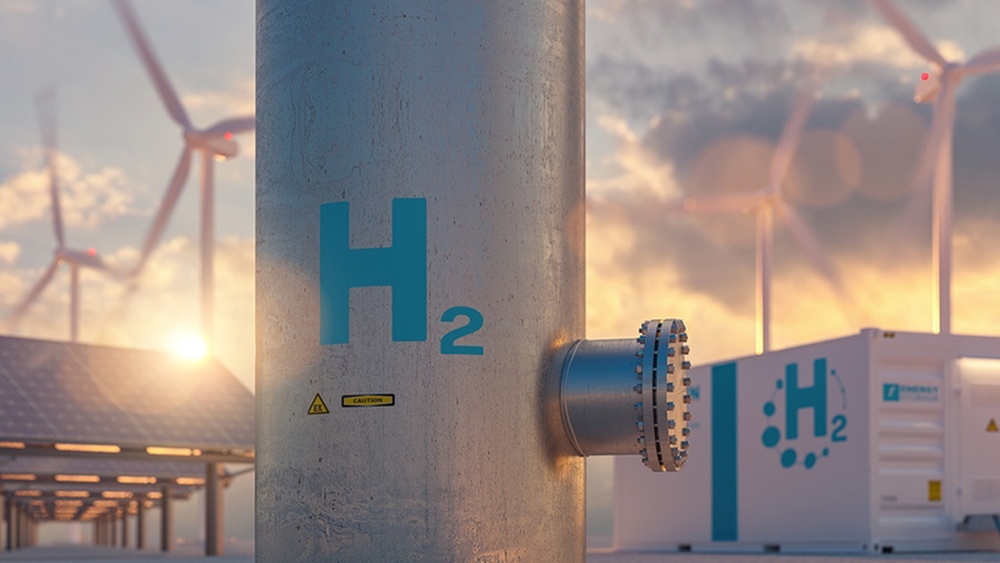
Hydrogen fuel cell vehicles (FCEVs) offer a promising path to emission-free driving by converting hydrogen into electricity to power the car—emitting only water vapor. Unlike battery electric vehicles, FCEVs refuel quickly and travel long distances, making them ideal for sustainable transportation. With growing infrastructure and innovation, hydrogen-powered cars are becoming a real alternative for eco-conscious drivers.
Imagine driving a car that runs silently, accelerates smoothly, and leaves behind nothing but a few drops of clean water. No smog, no carbon dioxide, no harmful emissions—just pure, clean mobility. This isn’t science fiction. It’s the reality of hydrogen fuel cell vehicles (FCEVs), a revolutionary technology that’s quietly reshaping the future of transportation.
Hydrogen fuel cell vehicles are part of a broader movement toward emission-free driving—a critical goal in the fight against climate change. As cities grapple with air pollution and governments set ambitious net-zero targets, clean transportation solutions are no longer optional; they’re essential. While battery electric vehicles (BEVs) have dominated headlines, hydrogen-powered cars offer a compelling alternative, especially for long-distance travel and heavy-duty applications.
Unlike traditional gasoline cars that burn fuel and release greenhouse gases, FCEVs generate electricity through a chemical reaction between hydrogen and oxygen inside a fuel cell stack. This electricity powers the motor, and the only byproduct is water. It’s a closed-loop system that’s as clean as it gets—at least from the vehicle’s perspective. But the real environmental impact depends on how the hydrogen is produced, which brings us to the bigger picture of sustainable energy.
Key Takeaways
- Zero Tailpipe Emissions: Hydrogen fuel cell vehicles produce only water vapor as exhaust, making them truly emission-free during operation.
- Fast Refueling: Unlike electric vehicles that take hours to charge, FCEVs can be refueled in under 5 minutes—similar to gasoline cars.
- Long Driving Range: Most hydrogen cars can travel 300–400 miles on a single tank, outperforming many battery EVs.
- Clean Hydrogen Production Matters: While the vehicle emits nothing, the environmental benefit depends on how the hydrogen is made—green hydrogen from renewable energy is ideal.
- Growing Infrastructure: Hydrogen refueling stations are expanding, especially in California, Japan, and parts of Europe, supporting wider adoption.
- Ideal for Heavy-Duty Transport: FCEVs are gaining traction in trucks, buses, and trains where battery weight and charging time are limiting factors.
- Government and Industry Support: Automakers and governments are investing heavily in hydrogen technology to meet climate goals and reduce fossil fuel dependence.
📑 Table of Contents
How Hydrogen Fuel Cell Vehicles Work
At the heart of every hydrogen fuel cell vehicle is a fuel cell stack—a compact, high-tech system that converts hydrogen gas into electricity. Think of it like a battery that never needs recharging, as long as it has a steady supply of hydrogen.
The Science Behind the Fuel Cell
Inside the fuel cell, hydrogen molecules (H₂) are split into protons and electrons at the anode. The protons pass through a special membrane to the cathode, while the electrons travel through an external circuit, creating an electric current. At the cathode, oxygen from the air combines with the protons and electrons to form water (H₂O)—pure, clean water vapor that exits through the tailpipe.
This process is called electrochemical conversion, and it’s incredibly efficient. Fuel cells can convert up to 60% of the energy in hydrogen into usable electricity, compared to about 20–30% for internal combustion engines. That means more miles per kilogram of fuel and less wasted energy.
Key Components of an FCEV
A hydrogen fuel cell vehicle isn’t just a fuel cell. It’s a sophisticated system with several critical parts:
– Fuel Cell Stack: The core where hydrogen and oxygen react to produce electricity.
– Hydrogen Storage Tanks: High-pressure tanks (usually 700 bar) safely store compressed hydrogen gas. Modern tanks are made of carbon fiber and can withstand extreme conditions.
– Electric Motor: Powers the wheels, just like in an electric car.
– Battery or Supercapacitor: Stores excess energy and provides extra power during acceleration.
– Power Control Unit: Manages the flow of electricity between the fuel cell, battery, and motor.
These components work together seamlessly, delivering smooth, responsive performance. In fact, many FCEVs feel similar to high-end electric cars—quiet, quick, and refined.
Refueling: Quick and Simple
One of the biggest advantages of hydrogen cars is refueling time. While BEVs can take 30 minutes to several hours to recharge (depending on the charger), FCEVs can be refueled in 3 to 5 minutes—about the same as filling up a gas tank. You simply pull up to a hydrogen station, connect the nozzle, and wait while high-pressure hydrogen flows into the tank. No waiting, no range anxiety.
For example, the Toyota Mirai can travel over 400 miles on a single tank and refuels in under 5 minutes. That’s a game-changer for road trips, delivery fleets, and long-haul trucking.
Environmental Benefits of Emission-Free Driving
Visual guide about Hydrogen Fuel Cell Vehicles and Emission-free Driving
Image source: energynews.biz
When it comes to climate change, transportation is one of the biggest culprits. According to the International Energy Agency, the transport sector accounts for about 24% of global CO₂ emissions from fuel combustion. Switching to zero-emission vehicles is essential to meet climate targets.
Zero Tailpipe Emissions
The most obvious benefit of hydrogen fuel cell vehicles is that they emit nothing but water vapor. No carbon dioxide, no nitrogen oxides, no particulate matter. This makes them ideal for improving urban air quality and reducing health risks associated with pollution.
In cities like Los Angeles or Tokyo, where smog and respiratory illnesses are major concerns, FCEVs can make a real difference. Imagine a city where buses, taxis, and delivery vans run silently and cleanly—no more diesel fumes or engine noise.
The Importance of Green Hydrogen
But here’s the catch: while the car itself is emission-free, the environmental benefit depends on how the hydrogen is produced. Currently, about 95% of hydrogen is made from fossil fuels—mainly natural gas—through a process called steam methane reforming (SMR). This method releases CO₂, which undermines the clean credentials of FCEVs.
That’s why the future of hydrogen lies in green hydrogen—hydrogen produced using renewable energy like wind, solar, or hydropower. Electrolysis splits water into hydrogen and oxygen using electricity. If that electricity comes from renewables, the entire process is carbon-free.
Countries like Germany, Australia, and Japan are investing billions in green hydrogen projects. For example, the HyDeal Ambition initiative in Europe aims to produce green hydrogen at scale for under $1.50 per kilogram by 2030—making it competitive with fossil-based hydrogen.
Lifecycle Emissions: A Fair Comparison
When comparing FCEVs to battery electric vehicles, it’s important to look at the full lifecycle emissions—from production to disposal. Studies show that both technologies can be low-carbon, but the results depend on the energy mix.
In regions with clean electricity (like Norway or Iceland), BEVs have a slight edge in efficiency. But in areas where hydrogen is produced from renewables, FCEVs can match or even surpass BEVs in environmental performance—especially for large vehicles.
For instance, a hydrogen-powered truck can carry more cargo and refuel faster than a battery-electric equivalent, reducing downtime and increasing efficiency. In the long run, a diversified clean transport system—using both batteries and hydrogen—may be the most practical solution.
Hydrogen vs. Battery Electric Vehicles: Which Is Better?
The debate between hydrogen and battery electric vehicles often feels like a rivalry, but the truth is, they’re not mutually exclusive. Each has strengths and weaknesses, and the best choice depends on the use case.
Refueling and Range
FCEVs win hands down when it comes to refueling speed and range. A hydrogen car can go 300–400 miles and refuel in minutes. Most BEVs, even high-end models like the Tesla Model S, take at least 20–30 minutes for a fast charge and may lose range in cold weather.
For long-distance travel, delivery services, or emergency vehicles, hydrogen offers unmatched convenience.
Energy Efficiency
BEVs are more energy-efficient. About 77% of the electricity from the grid makes it to the wheels. For FCEVs, the efficiency drops to around 30–40% when you account for hydrogen production, compression, transport, and conversion in the fuel cell.
That means more energy is lost in the hydrogen pathway. However, this gap narrows if green hydrogen is used and produced locally.
Vehicle Size and Weight
Hydrogen shines in heavy-duty applications. Batteries are heavy and take up space, which reduces payload capacity in trucks and buses. Fuel cells are lighter and more compact, making them ideal for large vehicles.
For example, the Hyundai XCIENT Fuel Cell truck can carry up to 37 tons and has a range of over 250 miles—something that’s hard to achieve with current battery technology.
Cost and Infrastructure
Right now, BEVs have a clear advantage in cost and infrastructure. Electric charging stations are everywhere, and EVs are becoming more affordable. Hydrogen stations are still rare—only about 1,000 worldwide, mostly in California, Japan, and Germany.
But costs are falling. The price of fuel cells has dropped by 60% since 2010, and hydrogen production is getting cheaper. As demand grows, infrastructure will expand.
The Best of Both Worlds
Rather than choosing one over the other, the future may include both. BEVs for city driving and short trips, FCEVs for long-haul transport and heavy-duty use. It’s not a competition—it’s a partnership in the quest for emission-free driving.
Real-World Applications and Success Stories
Hydrogen fuel cell vehicles aren’t just prototypes—they’re already on the road, serving real customers and solving real problems.
Passenger Cars: Toyota Mirai and Hyundai NEXO
The Toyota Mirai, launched in 2014, was one of the first mass-produced FCEVs. The second-generation Mirai, released in 2020, offers a sleek design, 400-mile range, and a luxurious interior. It’s available in select markets like California, Japan, and parts of Europe.
Similarly, the Hyundai NEXO boasts a 414-mile range and advanced safety features. Both cars prove that hydrogen vehicles can be practical, stylish, and reliable.
Public Transportation: Fuel Cell Buses
Cities around the world are adopting hydrogen buses. In London, over 20 hydrogen-powered double-decker buses operate on key routes, reducing emissions and noise pollution. In China, thousands of fuel cell buses are in service, supported by government incentives.
These buses can run all day on a single tank and refuel in minutes—perfect for urban transit systems.
Heavy-Duty Trucks and Logistics
Companies like Nikola, Hyzon, and Toyota are developing hydrogen-powered trucks for freight and logistics. Toyota’s Project Portal tested fuel cell trucks at the Port of Los Angeles, moving cargo with zero emissions.
In Europe, the H2Haul project is deploying hydrogen trucks across six countries, demonstrating the viability of long-haul hydrogen transport.
Trains and Maritime Transport
Hydrogen isn’t just for cars. Alstom’s Coradia iLint is the world’s first hydrogen-powered passenger train, operating in Germany and soon in other countries. It’s quiet, efficient, and emits only steam.
In shipping, companies like Maersk are exploring hydrogen and ammonia as clean fuels for cargo ships, aiming to decarbonize global trade.
Challenges and the Road Ahead
Despite the promise, hydrogen fuel cell vehicles face several hurdles.
Limited Refueling Infrastructure
The biggest barrier is the lack of hydrogen stations. Building them is expensive—each station can cost $1–2 million. Without a network, consumers won’t buy the cars.
But progress is being made. California has over 50 hydrogen stations and aims for 200 by 2025. Japan plans to have 1,000 stations by 2030. Governments and private companies are investing in infrastructure to support growth.
High Production and Storage Costs
Hydrogen is expensive to produce, compress, and transport. Green hydrogen is still 2–3 times more costly than fossil-based hydrogen. However, as renewable energy prices fall and electrolyzer technology improves, costs are expected to drop significantly.
Innovations in liquid organic hydrogen carriers (LOHC) and underground salt cavern storage could make hydrogen transport safer and cheaper.
Public Awareness and Perception
Many people still don’t know what hydrogen cars are or how they work. Safety concerns—fueled by outdated myths about hydrogen explosions—persist, even though modern hydrogen tanks are rigorously tested and safer than gasoline tanks.
Education and real-world demonstrations are key to building public trust.
Policy and Investment
Strong government support is essential. Incentives like tax credits, grants, and low-emission zones can accelerate adoption. The U.S. Inflation Reduction Act includes tax credits for hydrogen production, while the European Union has a comprehensive hydrogen strategy.
Automakers are also stepping up. Toyota, Hyundai, Honda, and BMW are investing in fuel cell technology. Even traditional oil companies like Shell and BP are entering the hydrogen market.
The Future of Hydrogen and Emission-Free Driving
The future of transportation is clean, quiet, and sustainable. Hydrogen fuel cell vehicles are a vital part of that future—especially for applications where batteries fall short.
As green hydrogen production scales up and infrastructure expands, FCEVs will become more accessible and affordable. We’ll see more hydrogen cars on the road, more buses in cities, and more trucks on highways—all contributing to a cleaner planet.
But hydrogen isn’t the only answer. The path to emission-free driving will include a mix of technologies: battery electric vehicles for daily commuting, hydrogen for long-haul and heavy-duty transport, and sustainable aviation fuels for planes.
The goal isn’t to pick a winner—it’s to build a resilient, low-carbon transportation system that works for everyone.
Conclusion
Hydrogen fuel cell vehicles represent a bold step toward emission-free driving. With zero tailpipe emissions, fast refueling, and long range, they offer a practical and sustainable alternative to fossil fuel cars. While challenges remain—especially in infrastructure and green hydrogen production—the momentum is growing.
From passenger cars to buses, trucks, and trains, hydrogen is proving its value across multiple sectors. With continued innovation, investment, and public support, hydrogen-powered transportation can play a central role in the global transition to clean energy.
The road ahead is long, but every mile driven on hydrogen brings us closer to a cleaner, quieter, and healthier world. The future of driving isn’t just electric—it’s hydrogen-powered, too.
Frequently Asked Questions
Are hydrogen fuel cell vehicles really emission-free?
Yes, hydrogen fuel cell vehicles produce only water vapor as exhaust, making them emission-free during operation. However, the overall environmental impact depends on how the hydrogen is produced—green hydrogen from renewables is truly clean.
How long does it take to refuel a hydrogen car?
Refueling a hydrogen fuel cell vehicle takes about 3 to 5 minutes, similar to filling up a gasoline car. This is much faster than charging a battery electric vehicle.
How far can a hydrogen car travel on one tank?
Most hydrogen fuel cell vehicles have a range of 300 to 400 miles, with some models like the Hyundai NEXO exceeding 410 miles. This makes them ideal for long-distance travel.
Is hydrogen safe to use in vehicles?
Yes, hydrogen is safe when handled properly. Modern hydrogen tanks are made of strong carbon fiber and undergo rigorous safety testing. They are designed to withstand crashes, fires, and high pressure.
Where can I refuel a hydrogen car?
Hydrogen refueling stations are currently available in select regions, including California, Japan, Germany, and parts of South Korea. The network is expanding as demand grows.
Are hydrogen cars more expensive than electric cars?
Currently, hydrogen fuel cell vehicles tend to be more expensive than battery electric vehicles due to higher production costs. However, prices are expected to fall as technology improves and production scales up.