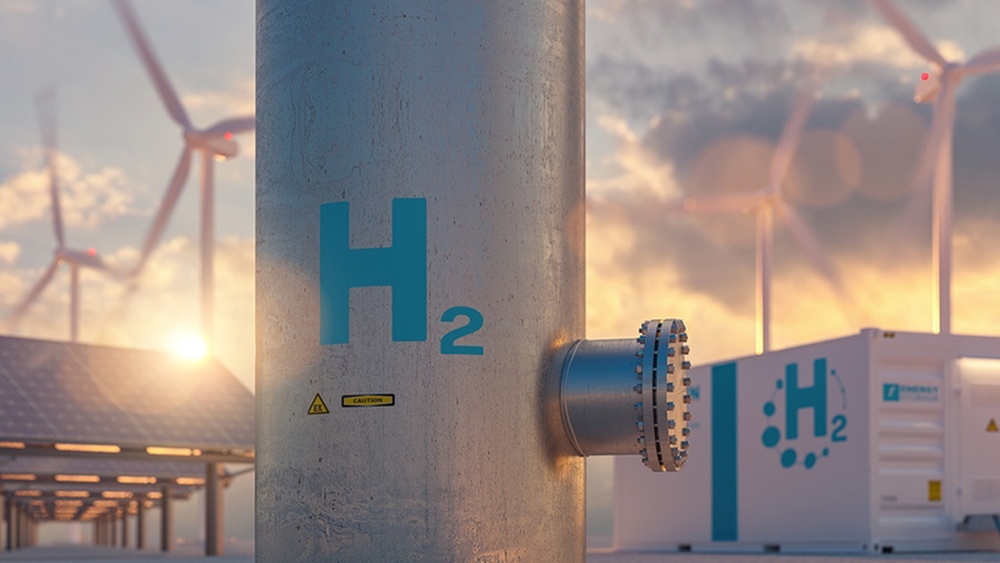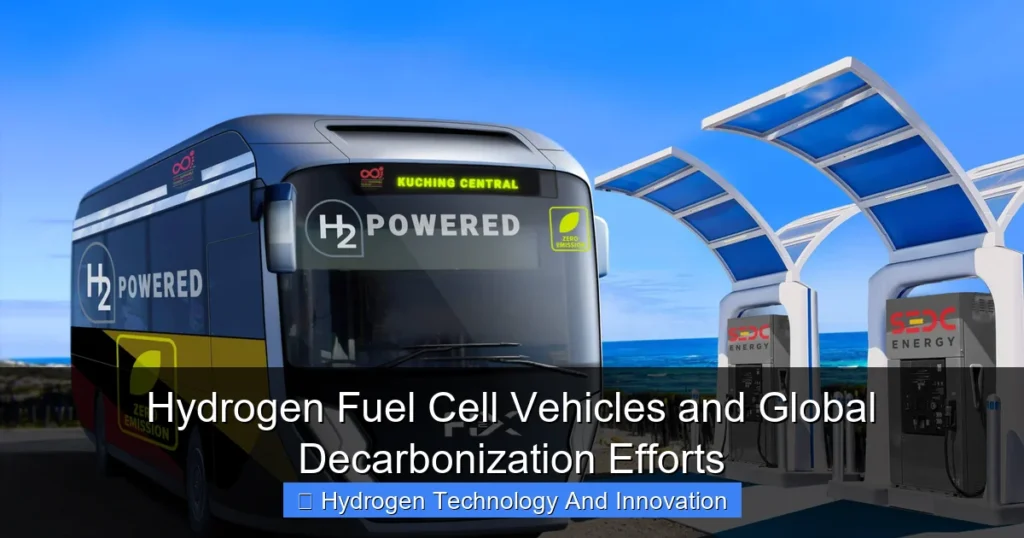
Hydrogen fuel cell vehicles (FCEVs) are emerging as a powerful solution in the fight against climate change. By producing only water as emissions, they offer a clean alternative to fossil fuel-powered transport and play a vital role in global decarbonization strategies.
Key Takeaways
- Zero tailpipe emissions: Hydrogen fuel cell vehicles emit only water vapor, making them a clean transportation option that supports air quality and climate goals.
- Fast refueling and long range: Unlike many battery electric vehicles, FCEVs can be refueled in minutes and offer ranges comparable to gasoline cars, ideal for long-haul transport.
- Complement to battery electric vehicles: FCEVs are best suited for heavy-duty applications like trucks, buses, and trains, where battery weight and charging time are limiting factors.
- Green hydrogen is key: For true decarbonization, hydrogen must be produced using renewable energy (green hydrogen), not fossil fuels.
- Global policy support growing: Countries like Japan, Germany, and South Korea are investing heavily in hydrogen infrastructure and FCEV adoption.
- Infrastructure challenges remain: Limited refueling stations and high production costs are current barriers, but innovation and investment are rapidly changing the landscape.
- Hydrogen supports energy storage: Excess renewable energy can be stored as hydrogen, helping balance the grid and support broader decarbonization beyond transport.
📑 Table of Contents
- Introduction: The Road to a Cleaner Future
- How Hydrogen Fuel Cell Vehicles Work
- The Role of Hydrogen in Global Decarbonization
- Current Applications and Real-World Examples
- Challenges and Barriers to Adoption
- The Future of Hydrogen and Decarbonization
- Conclusion: Driving Toward a Hydrogen-Powered Future
Introduction: The Road to a Cleaner Future
The world is at a crossroads. Climate change is no longer a distant threat—it’s here, affecting weather patterns, ecosystems, and communities. One of the biggest contributors to global greenhouse gas emissions is the transportation sector. Cars, trucks, ships, and planes burn fossil fuels, releasing carbon dioxide and other pollutants into the atmosphere. To meet international climate targets, such as those set by the Paris Agreement, we need bold, scalable solutions. Enter hydrogen fuel cell vehicles—a technology that promises to transform how we move people and goods while drastically cutting emissions.
Hydrogen fuel cell vehicles (FCEVs) are not science fiction. They’re already on the roads in select regions, quietly proving their potential. Unlike traditional gasoline cars, FCEVs generate electricity through a chemical reaction between hydrogen and oxygen, producing only water and heat as byproducts. This means zero tailpipe emissions—no smog, no carbon dioxide, just clean air. But FCEVs are more than just eco-friendly cars. They represent a shift in how we think about energy, transportation, and sustainability. As countries race to decarbonize their economies, hydrogen is emerging as a versatile tool that can power not just vehicles, but also industries, homes, and power grids.
How Hydrogen Fuel Cell Vehicles Work
To understand why hydrogen fuel cell vehicles are gaining attention, it helps to know how they actually work. At the heart of every FCEV is a fuel cell stack—a series of individual fuel cells that convert hydrogen gas into electricity. This process is clean, efficient, and silent. Here’s a simple breakdown of how it all comes together.
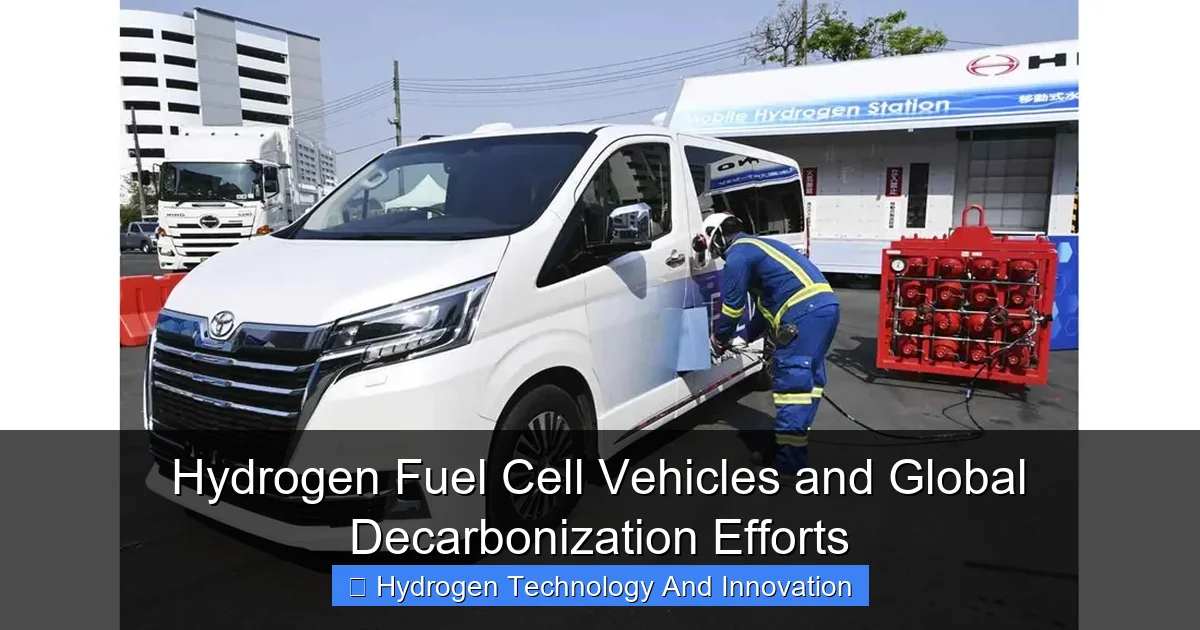
Visual guide about Hydrogen Fuel Cell Vehicles and Global Decarbonization Efforts
Image source: img.fuelcellsworks.com
The Science Behind the Fuel Cell
A fuel cell consists of two electrodes—an anode and a cathode—separated by an electrolyte. When hydrogen gas is fed into the anode, a catalyst (usually platinum) splits the hydrogen atoms into protons and electrons. The protons pass through the electrolyte to the cathode, while the electrons are forced to travel through an external circuit, creating an electric current. This electricity powers the vehicle’s motor. At the cathode, the protons, electrons, and oxygen from the air combine to form water—the only emission.
Refueling and Range: A Game-Changer for Long-Distance Travel
One of the biggest advantages of FCEVs over battery electric vehicles (BEVs) is refueling time. While BEVs can take 30 minutes to several hours to recharge—depending on the charger—FCEVs can be refueled in just 3 to 5 minutes, similar to filling up a gasoline car. This makes them especially appealing for long-haul trucking, public transit, and fleet operations where downtime is costly. Additionally, FCEVs typically offer a range of 300 to 400 miles on a single tank, comparable to conventional vehicles. For example, the Toyota Mirai and Hyundai NEXO both boast ranges over 400 miles, making them practical for everyday use and road trips.
Energy Efficiency and Storage
While FCEVs are clean at the tailpipe, their overall environmental impact depends on how the hydrogen is produced. Currently, most hydrogen is made from natural gas through a process called steam methane reforming, which releases carbon dioxide. This is known as “gray hydrogen.” However, when hydrogen is produced using renewable energy—like wind or solar—to split water into hydrogen and oxygen (a process called electrolysis), it’s called “green hydrogen.” This version is truly carbon-free and essential for meaningful decarbonization. Green hydrogen can also be stored and transported, offering a way to store excess renewable energy for later use, which helps stabilize the power grid.
The Role of Hydrogen in Global Decarbonization
Transportation is just one piece of the decarbonization puzzle. To truly tackle climate change, we need to reduce emissions across all sectors—energy, industry, buildings, and agriculture. Hydrogen, especially green hydrogen, has the unique ability to serve multiple roles in this transition. It’s not just about replacing gasoline in cars; it’s about reimagining how we produce, store, and use energy.
Decarbonizing Hard-to-Abate Sectors
Some industries are difficult to electrify directly. Steel production, chemical manufacturing, and long-haul shipping, for example, require high temperatures or long-duration energy that batteries can’t easily provide. Hydrogen can fill this gap. In steelmaking, hydrogen can replace coal as a reducing agent, eliminating CO₂ emissions. In shipping, hydrogen fuel cells or hydrogen-derived fuels like ammonia can power large vessels without fossil fuels. Countries like Sweden and Germany are already piloting hydrogen-based steel plants, showing that industrial decarbonization is possible.
Hydrogen as an Energy Storage Solution
One of the biggest challenges with renewable energy is intermittency. The sun doesn’t always shine, and the wind doesn’t always blow. This makes it hard to rely solely on solar and wind for constant power. Hydrogen offers a solution. Excess renewable energy can be used to produce hydrogen via electrolysis. This hydrogen can then be stored underground or in tanks and used later to generate electricity in fuel cells or burned in turbines. This creates a flexible, low-carbon energy system that supports grid stability and reduces reliance on fossil fuel backups.
International Collaboration and Policy Support
Governments around the world are recognizing hydrogen’s potential. The European Union has launched the European Hydrogen Strategy, aiming to install 40 gigawatts of electrolyzers by 2030. Japan has long been a leader in hydrogen technology, with its “Basic Hydrogen Strategy” supporting FCEVs, hydrogen refueling stations, and international supply chains. South Korea plans to have 6.2 million hydrogen-powered vehicles on the road by 2040. Even the United States has stepped up, with the Inflation Reduction Act offering tax credits for clean hydrogen production. These policies are accelerating innovation, driving down costs, and building the infrastructure needed for widespread adoption.
Current Applications and Real-World Examples
Hydrogen fuel cell vehicles are no longer just prototypes or niche products. They’re being deployed in real-world settings, proving their reliability and value. From city buses to delivery trucks, FCEVs are showing that clean transportation is not only possible but practical.
Public Transit: Buses Leading the Way
One of the most successful applications of hydrogen technology is in public transit. Cities like London, Cologne, and Tokyo are operating hydrogen-powered buses that carry thousands of passengers daily. These buses emit no pollutants, run quietly, and can travel long distances without refueling. For example, London’s hydrogen double-decker buses have been running since 2010, serving major routes with zero emissions. The success of these programs has encouraged other cities to follow suit, with over 1,000 hydrogen buses expected in Europe by 2025.
Heavy-Duty Transport: Trucks and Trains
While passenger cars get much of the attention, the real potential for FCEVs lies in heavy-duty transport. Long-haul trucks, for instance, need high energy density and fast refueling—something batteries struggle with due to weight and charging time. Companies like Hyundai and Nikola are developing hydrogen-powered trucks for freight transport. Hyundai’s XCIENT Fuel Cell trucks are already in operation in Switzerland and California, with plans to expand globally. In rail transport, hydrogen trains are replacing diesel locomotives in regions with limited electrification. Germany’s Coradia iLint, the world’s first hydrogen-powered passenger train, has been running since 2018 and is now being adopted in other European countries.
Maritime and Aviation: The Next Frontier
Shipping and aviation are among the toughest sectors to decarbonize, but hydrogen is offering new hope. While battery-electric planes are limited by weight and range, hydrogen fuel cells or liquid hydrogen could power short-haul flights. Companies like Airbus are developing hydrogen-powered aircraft with the goal of launching a zero-emission plane by 2035. In shipping, pilot projects are testing hydrogen and ammonia as marine fuels. The Norwegian ferry “MF Hydra,” powered by liquid hydrogen, began operations in 2023, marking a milestone in clean maritime transport.
Challenges and Barriers to Adoption
Despite the promise of hydrogen fuel cell vehicles, several challenges stand in the way of widespread adoption. These include high costs, limited infrastructure, and the need for clean hydrogen production. Addressing these barriers is crucial for hydrogen to play a meaningful role in global decarbonization.
High Production and Infrastructure Costs
Currently, hydrogen production—especially green hydrogen—is expensive. Electrolyzers, which split water into hydrogen and oxygen, are costly to manufacture and operate. Additionally, building a network of hydrogen refueling stations requires significant investment. As of 2023, there are fewer than 1,000 hydrogen stations worldwide, with most concentrated in California, Japan, and parts of Europe. This lack of infrastructure makes it difficult for consumers to adopt FCEVs, especially outside urban centers.
The “Chicken and Egg” Problem
There’s a classic dilemma in the hydrogen economy: without enough vehicles, there’s little incentive to build refueling stations. But without stations, consumers won’t buy vehicles. This “chicken and egg” problem has slowed progress. However, governments and private companies are working to break this cycle. In California, the state has partnered with automakers and energy companies to build a network of 100 hydrogen stations by 2025. Similar efforts are underway in Germany and South Korea.
Energy Efficiency Concerns
It’s important to acknowledge that hydrogen is not the most energy-efficient option. Producing hydrogen via electrolysis, compressing it, transporting it, and converting it back to electricity in a fuel cell results in energy losses—typically around 60-70% overall efficiency. In contrast, battery electric vehicles are about 77-85% efficient. This means that for light-duty vehicles, especially in urban areas, BEVs may be the better choice. However, for applications where weight, range, and refueling time matter—like trucks and trains—hydrogen’s advantages outweigh the efficiency loss.
The Future of Hydrogen and Decarbonization
The future of hydrogen fuel cell vehicles and global decarbonization is bright, but it will require sustained effort, innovation, and collaboration. As technology improves and costs fall, hydrogen is poised to become a cornerstone of the clean energy transition.
Innovation Driving Down Costs
Researchers are working on new materials and designs to make fuel cells cheaper and more efficient. For example, scientists are developing catalysts that use less platinum or alternative materials altogether, reducing costs. Advances in electrolysis are also making green hydrogen production more affordable. The International Energy Agency (IEA) predicts that the cost of green hydrogen could fall by 60% by 2030, making it competitive with fossil fuel-based hydrogen.
Scaling Up Infrastructure
To support widespread adoption, countries need to invest in hydrogen infrastructure. This includes not only refueling stations but also pipelines, storage facilities, and production plants. Some regions are already planning hydrogen “hubs” where production, distribution, and use are integrated. The U.S. Department of Energy has selected seven regional clean hydrogen hubs to receive billions in federal funding, aiming to create a national hydrogen economy.
A Complementary Role in the Clean Energy Mix
Hydrogen won’t replace all other clean technologies—it will complement them. Battery electric vehicles will dominate personal transportation in cities, while hydrogen will shine in heavy-duty, long-range, and industrial applications. Together, they form a comprehensive strategy for decarbonizing transport and energy. The key is to use the right tool for the right job, ensuring that we maximize efficiency and minimize emissions across the board.
Conclusion: Driving Toward a Hydrogen-Powered Future
Hydrogen fuel cell vehicles are more than just a clean alternative to gasoline cars—they are a vital part of the global effort to decarbonize transportation and energy systems. With zero tailpipe emissions, fast refueling, and long range, FCEVs offer a practical solution for sectors that are difficult to electrify with batteries alone. From city buses to freight trucks, hydrogen is already proving its value in real-world applications.
But for hydrogen to fulfill its promise, we must prioritize green hydrogen production, invest in infrastructure, and support innovation. Governments, businesses, and individuals all have a role to play. As policies evolve and technology advances, the vision of a hydrogen-powered future—where clean energy fuels our vehicles, industries, and homes—is becoming increasingly attainable. The road ahead is long, but with hydrogen in the mix, we’re moving in the right direction.
Frequently Asked Questions
What is a hydrogen fuel cell vehicle?
A hydrogen fuel cell vehicle (FCEV) is a type of electric vehicle that uses a fuel cell to generate electricity from hydrogen gas. Instead of relying on a large battery, it produces its own power on board, emitting only water vapor and heat.
Are hydrogen fuel cell vehicles truly zero-emission?
Yes, FCEVs produce zero tailpipe emissions—only water comes out of the exhaust. However, the overall environmental impact depends on how the hydrogen is produced. Green hydrogen, made with renewable energy, ensures full decarbonization.
How long does it take to refuel a hydrogen car?
Refueling a hydrogen fuel cell vehicle takes about 3 to 5 minutes, similar to filling up a gasoline car. This is much faster than charging most battery electric vehicles.
Where can I refuel a hydrogen car?
Hydrogen refueling stations are currently limited and mostly found in California, Japan, Germany, and South Korea. Expansion is ongoing, with many countries investing in new infrastructure.
Are hydrogen cars safe?
Yes, hydrogen cars are designed with multiple safety features, including reinforced tanks, leak detection, and automatic shut-off systems. Hydrogen is lighter than air and disperses quickly in case of a leak, reducing fire risk.
Will hydrogen cars replace electric cars?
Not entirely. Hydrogen fuel cell vehicles and battery electric vehicles will likely coexist, with each suited to different uses. BEVs are ideal for city driving, while FCEVs excel in long-haul and heavy-duty transport.