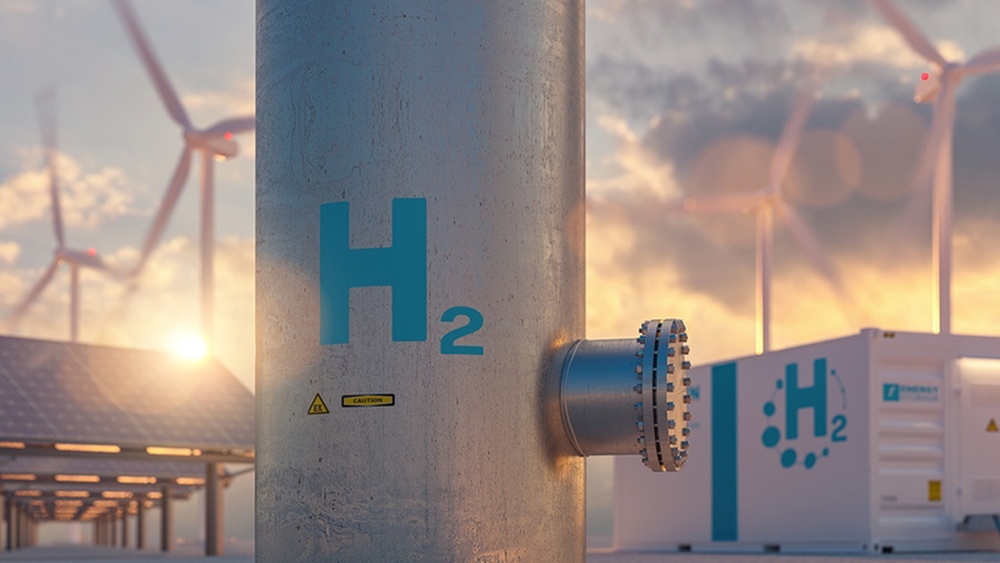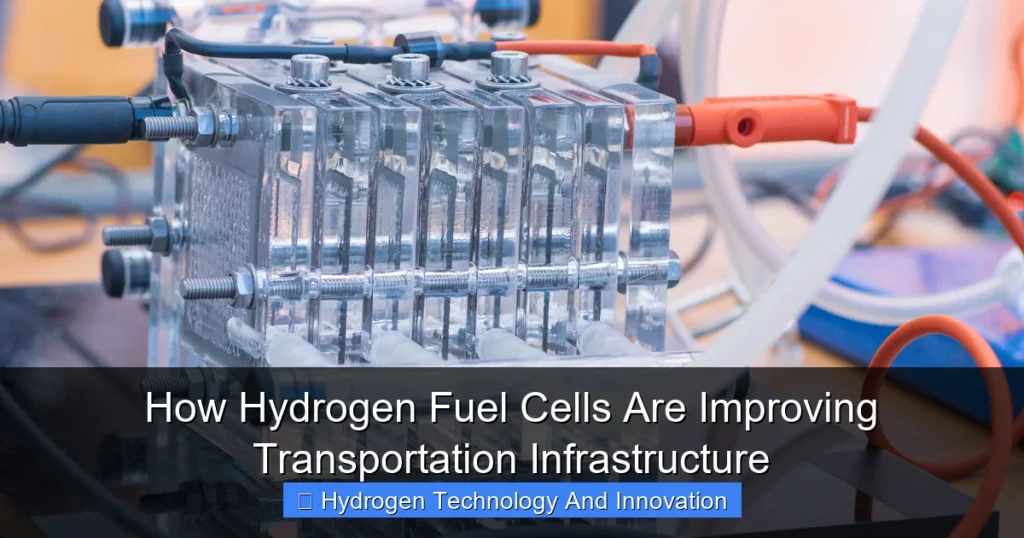
Hydrogen fuel cells are revolutionizing transportation by offering a clean, efficient, and scalable alternative to fossil fuels. From buses and trucks to trains and ships, this technology is reshaping infrastructure with zero-emission solutions and rapid refueling capabilities.
Imagine a world where buses glide silently through city streets, freight trucks cross continents without emitting a single puff of smoke, and cargo ships sail across oceans powered by clean energy. This isn’t a scene from a sci-fi movie—it’s the future being built today, thanks to hydrogen fuel cells. As the world races to cut carbon emissions and combat climate change, transportation remains one of the biggest challenges. Cars, trucks, ships, and planes account for nearly a quarter of global CO₂ emissions. But a quiet revolution is underway, and it’s powered by hydrogen.
Hydrogen fuel cells are emerging as a game-changing technology in the quest for sustainable transportation. Unlike traditional internal combustion engines that burn fossil fuels, fuel cells generate electricity through a chemical reaction between hydrogen and oxygen, producing only water and heat as byproducts. This means zero harmful emissions—no carbon dioxide, no nitrogen oxides, no particulate matter. And because they can be powered by green hydrogen—hydrogen produced using renewable energy like wind or solar—they offer a truly sustainable pathway forward.
But hydrogen isn’t just about being clean. It’s also about practicality. While battery-electric vehicles (BEVs) have made great strides, they still face limitations in weight, charging time, and range—especially for heavy-duty applications like long-haul trucking or public transit. Hydrogen fuel cells solve many of these problems. They’re lighter than large battery packs, refuel in minutes instead of hours, and can deliver the range and power needed for demanding transportation roles. As a result, cities, logistics companies, and governments are increasingly turning to hydrogen to modernize their fleets and infrastructure.
Key Takeaways
- Zero Emissions Operation: Hydrogen fuel cells produce only water and heat as byproducts, making them a truly clean energy source for vehicles.
- Faster Refueling Than Batteries: Refueling a hydrogen vehicle takes just 3–5 minutes, similar to gasoline, unlike hours needed for electric battery charging.
- Longer Range for Heavy-Duty Transport: Fuel cell trucks and buses can travel 300–500 miles on a single tank, ideal for long-haul and commercial use.
- Supporting Renewable Energy Integration: Green hydrogen, produced using renewable electricity, enhances sustainability across the transportation ecosystem.
- Expanding Refueling Infrastructure: Governments and companies are investing in hydrogen refueling stations, especially in key logistics corridors.
- Versatility Across Transport Modes: From urban transit to maritime shipping, hydrogen fuel cells are being adopted in diverse transportation sectors.
- Economic and Environmental Benefits: Widespread adoption can reduce air pollution, lower healthcare costs, and create green jobs in emerging energy sectors.
📑 Table of Contents
- What Are Hydrogen Fuel Cells and How Do They Work?
- Hydrogen vs. Batteries: Why Fuel Cells Excel in Heavy-Duty Transport
- Building the Hydrogen Refueling Infrastructure
- Environmental and Economic Benefits of Hydrogen Transportation
- Challenges and the Road Ahead
- Conclusion: A Cleaner, Smarter Transportation Future
What Are Hydrogen Fuel Cells and How Do They Work?
At the heart of this transformation is a simple yet powerful technology: the hydrogen fuel cell. A fuel cell is an electrochemical device that converts hydrogen gas into electricity. It works much like a battery, but instead of storing energy, it generates it on demand as long as hydrogen is supplied.
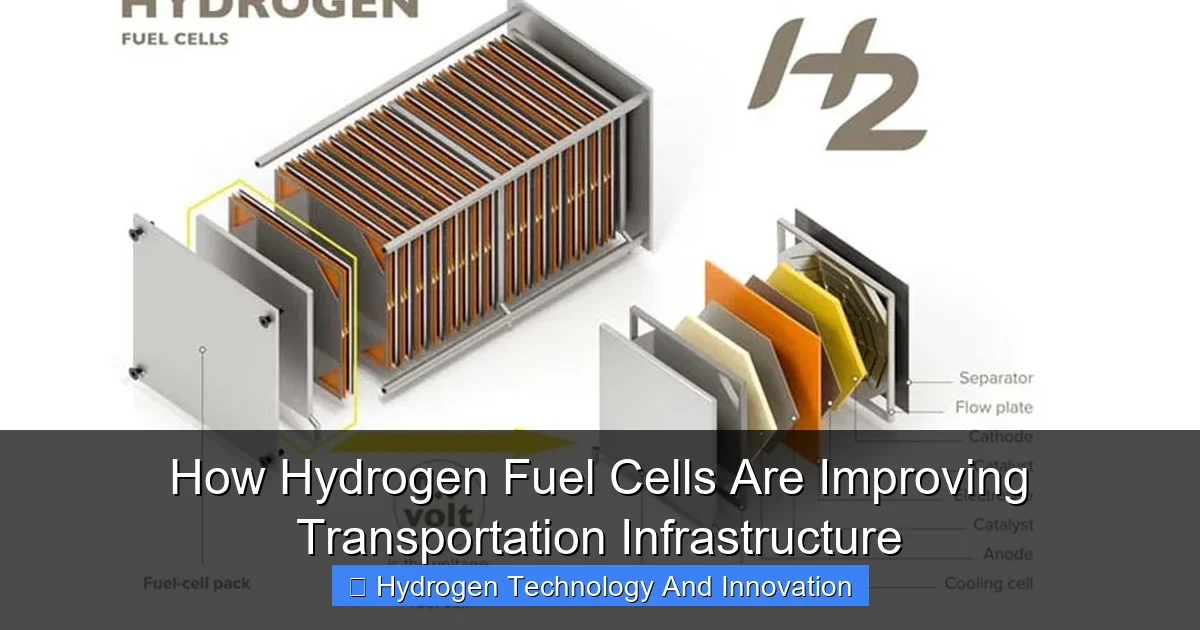
Inside a fuel cell, hydrogen gas is fed into the anode (the negative side), where a catalyst—usually platinum—splits the hydrogen atoms into protons and electrons. The protons pass through a special membrane to the cathode (the positive side), while the electrons are forced to travel through an external circuit, creating an electric current. At the cathode, the protons, electrons, and oxygen from the air combine to form water—the only emission.
This process is highly efficient. While internal combustion engines typically convert only 20–30% of fuel energy into motion, fuel cells can achieve 40–60% efficiency, and even higher when waste heat is captured for other uses. And because there are no moving parts in the fuel cell itself, the system is quiet, reliable, and requires minimal maintenance.
One of the most exciting aspects of hydrogen fuel cells is their scalability. They can be used in small devices like portable generators or scaled up to power entire buildings. But their biggest impact is in transportation, where they offer a clean, high-energy solution for vehicles that are hard to electrify with batteries alone.
The Science Behind the Clean Energy
The core of the fuel cell is the proton exchange membrane (PEM), a thin, polymer-based material that allows only protons to pass through. This membrane is sandwiched between two electrodes—the anode and cathode—and the whole assembly is called a membrane electrode assembly (MEA). Multiple MEAs are stacked together to increase power output, forming a fuel cell stack.
The hydrogen used in these systems can come from various sources. While some hydrogen is still produced from natural gas (known as “gray hydrogen”), the real promise lies in “green hydrogen,” which is made by splitting water into hydrogen and oxygen using renewable electricity. This process, called electrolysis, produces no emissions and turns surplus wind or solar power into a storable, transportable fuel.
As the cost of renewable energy drops and electrolyzer technology improves, green hydrogen is becoming more economically viable. Countries like Germany, Japan, and Australia are investing heavily in green hydrogen production, aiming to create a circular energy economy where excess renewable power is converted into hydrogen and used to fuel transportation, industry, and homes.
Hydrogen vs. Batteries: Why Fuel Cells Excel in Heavy-Duty Transport
Visual guide about How Hydrogen Fuel Cells Are Improving Transportation Infrastructure
Image source: genh2hydrogen.com
When it comes to clean transportation, battery-electric vehicles (BEVs) have dominated the headlines—and for good reason. They’re perfect for passenger cars, city delivery vans, and short-range commutes. But when you scale up to heavy-duty applications, batteries start to show their limits.
Take long-haul trucking, for example. A fully loaded semi-truck needs a lot of energy to travel hundreds of miles. To match the range of a diesel truck, a battery-electric version would need a massive, heavy battery pack—often weighing several tons. That extra weight reduces cargo capacity, increases wear on roads, and requires hours of charging at specialized stations. Even with fast chargers, a full recharge can take 90 minutes or more—time that adds up on long routes.
Hydrogen fuel cells solve these problems. A hydrogen-powered truck can carry a much lighter fuel cell system and store hydrogen in high-pressure tanks. Refueling takes just 3–5 minutes, similar to filling up with diesel. And with a range of 300–500 miles or more, hydrogen trucks can handle cross-country routes without frequent stops.
The same logic applies to buses, trains, and even ships. Urban transit buses that run fixed routes can refuel quickly at centralized stations, minimizing downtime. Trains powered by hydrogen fuel cells—like the Coradia iLint in Germany—can replace diesel locomotives on non-electrified rail lines, cutting emissions without the need for costly overhead wires. And in maritime shipping, where batteries are too heavy and slow to charge for long voyages, hydrogen offers a viable path to decarbonization.
Real-World Examples in Action
Several cities and companies are already putting hydrogen fuel cell vehicles to the test. In California, the Alameda-Contra Costa Transit District (AC Transit) operates a fleet of hydrogen-powered buses that serve thousands of passengers daily. These buses produce zero emissions, run quietly, and refuel in under 10 minutes—making them ideal for urban environments.
In the logistics sector, companies like Hyundai and Toyota are deploying hydrogen trucks for freight delivery. Hyundai’s XCIENT Fuel Cell trucks are already in operation in Switzerland and California, hauling goods across highways with zero emissions. Amazon has also announced plans to use hydrogen-powered delivery vehicles in its fleet, signaling growing interest from major retailers.
Even the aviation industry is exploring hydrogen. While battery-electric planes are limited to short flights, hydrogen fuel cells or hydrogen combustion engines could power regional aircraft and cargo planes in the future. Airbus has unveiled concepts for hydrogen-powered airliners, aiming for zero-emission flights by 2035.
Building the Hydrogen Refueling Infrastructure
One of the biggest challenges to widespread hydrogen adoption is infrastructure. Unlike gasoline stations, which are everywhere, hydrogen refueling stations are still rare. But that’s changing fast.
Governments and private companies are investing billions to build hydrogen refueling networks, especially along major transportation corridors. In the U.S., the Department of Energy’s H₂@Scale initiative supports the development of hydrogen infrastructure, while states like California have committed to building hundreds of hydrogen stations by 2030.
Japan and South Korea are leading the way, with extensive hydrogen station networks supporting fuel cell vehicles like the Toyota Mirai and Hyundai NEXO. Europe is also making strides, with countries like Germany, France, and the Netherlands launching hydrogen highways—routes connecting cities with refueling stations every 50–100 miles.
These stations don’t just serve cars. They’re designed to support buses, trucks, and even industrial equipment. Some are co-located with renewable energy sources, using solar or wind power to produce green hydrogen on-site. Others are integrated with existing fuel stations, allowing drivers to choose between gasoline, electricity, and hydrogen.
Overcoming the Infrastructure Hurdle
Building a hydrogen refueling network isn’t cheap. A single station can cost $1–2 million, and producing, transporting, and storing hydrogen requires specialized equipment. But costs are falling as technology improves and demand grows.
One solution is to start with high-impact applications. Instead of trying to build stations everywhere at once, cities and companies are focusing on key routes—like ports, freight corridors, and public transit hubs—where hydrogen vehicles can make the biggest difference. For example, the Port of Los Angeles is developing a hydrogen refueling station to support zero-emission trucks and cargo handlers, reducing pollution in nearby communities.
Another approach is to use mobile refueling units. These trailer-mounted systems can deliver hydrogen to remote locations or temporary job sites, providing flexibility while permanent infrastructure is built.
And as hydrogen production scales up, economies of scale will drive down costs. Just as solar panels and batteries have become cheaper over time, hydrogen technology is following a similar path. Experts predict that green hydrogen could reach cost parity with fossil fuels by 2030, especially in regions with abundant renewable energy.
Environmental and Economic Benefits of Hydrogen Transportation
The environmental case for hydrogen fuel cells is clear: they produce zero tailpipe emissions, helping cities meet air quality standards and reduce greenhouse gas emissions. But the benefits go beyond the environment.
Cleaner air means healthier communities. Transportation pollution contributes to respiratory diseases, heart conditions, and premature deaths. By replacing diesel buses and trucks with hydrogen-powered alternatives, cities can significantly reduce harmful pollutants like nitrogen oxides and particulate matter.
There are also economic advantages. The hydrogen economy is creating new jobs in manufacturing, engineering, construction, and maintenance. According to the International Energy Agency, the global hydrogen sector could support 30 million jobs by 2050. Countries that invest early in hydrogen technology—like Japan, Germany, and Australia—are positioning themselves as leaders in a growing global market.
Moreover, hydrogen can enhance energy security. Unlike oil, which is concentrated in a few regions, hydrogen can be produced anywhere there’s water and renewable energy. This reduces dependence on imported fuels and creates more resilient energy systems.
Green Hydrogen: The Key to Sustainability
Not all hydrogen is created equal. Currently, about 95% of hydrogen is produced from fossil fuels, primarily natural gas, through a process called steam methane reforming. This method emits CO₂, undermining the environmental benefits of fuel cells.
That’s why the focus is shifting to green hydrogen—hydrogen produced using renewable electricity to split water molecules. When powered by wind, solar, or hydropower, green hydrogen is truly carbon-free from production to use.
Countries with abundant renewable resources are ideal candidates for green hydrogen production. Australia, for example, is developing massive solar and wind farms to export hydrogen to Asia. Chile is using its Atacama Desert solar potential to produce green hydrogen for domestic use and export. Even the U.S. and Europe are launching large-scale green hydrogen projects, supported by government incentives and private investment.
As green hydrogen becomes more affordable, it will unlock the full potential of hydrogen fuel cells—not just in transportation, but in industry, heating, and long-term energy storage.
Challenges and the Road Ahead
Despite the promise, hydrogen fuel cells face several challenges. Cost remains a barrier. Fuel cell systems are still more expensive than diesel engines or batteries, though prices are dropping. Hydrogen production, storage, and transport also require significant energy and infrastructure.
Safety is another concern. Hydrogen is highly flammable and must be handled carefully. However, modern storage tanks are designed to withstand extreme conditions, and safety protocols are well established in industries like aerospace and chemicals.
Public awareness is also low. Many people don’t know what hydrogen fuel cells are or how they work. Education and outreach are essential to build trust and encourage adoption.
But the momentum is undeniable. Automakers, governments, and energy companies are all investing in hydrogen. The European Union’s Hydrogen Strategy aims to install 40 gigawatts of electrolyzers by 2030. The U.S. Bipartisan Infrastructure Law includes $9.5 billion for clean hydrogen programs. And China is rapidly expanding its hydrogen vehicle fleet.
What’s Next for Hydrogen in Transportation?
The future of hydrogen in transportation looks bright. In the short term, we’ll see more hydrogen buses, trucks, and trains in cities and on highways. Ports and industrial zones will adopt hydrogen for heavy machinery and freight transport. In the medium term, hydrogen could power regional aircraft and cargo ships. And in the long term, hydrogen may become a cornerstone of a fully decarbonized transportation system.
Innovation will continue to drive progress. Researchers are developing more efficient catalysts, lighter storage tanks, and better fuel cell designs. New materials like graphene and advanced polymers could make fuel cells cheaper and more durable.
Policy will also play a key role. Governments can accelerate adoption through incentives, emissions regulations, and infrastructure funding. Public-private partnerships will be essential to share risks and scale up deployment.
Conclusion: A Cleaner, Smarter Transportation Future
Hydrogen fuel cells are more than just a technological curiosity—they’re a practical, scalable solution for decarbonizing transportation. By offering zero emissions, fast refueling, and long range, they fill a critical gap that batteries alone cannot address, especially in heavy-duty and long-haul applications.
From city buses to freight trucks, from trains to ships, hydrogen is proving its value across the transportation spectrum. And as green hydrogen production grows and infrastructure expands, the barriers to adoption will continue to fall.
The transition won’t happen overnight. It will require investment, innovation, and collaboration. But the benefits—cleaner air, healthier communities, energy independence, and a stable climate—are worth the effort.
As we look to the future, hydrogen fuel cells are not just improving transportation infrastructure—they’re helping to build a more sustainable, equitable, and resilient world. The road ahead is long, but with every hydrogen-powered vehicle on the street, we’re moving closer to a cleaner tomorrow.
Frequently Asked Questions
How do hydrogen fuel cells produce electricity?
Hydrogen fuel cells generate electricity through a chemical reaction between hydrogen and oxygen. Hydrogen is split into protons and electrons at the anode, and the electrons flow through a circuit to create electric current, while the protons move to the cathode to form water.
Are hydrogen fuel cell vehicles safe?
Yes, hydrogen fuel cell vehicles are designed with multiple safety features, including strong storage tanks, leak detection systems, and automatic shut-off valves. Hydrogen disperses quickly in air, reducing fire risk compared to gasoline.
How long does it take to refuel a hydrogen vehicle?
Refueling a hydrogen vehicle takes just 3–5 minutes, similar to filling up a gasoline car, making it much faster than charging a battery-electric vehicle.
What is green hydrogen and why is it important?
Green hydrogen is produced by splitting water using renewable electricity, resulting in zero carbon emissions. It’s essential for making hydrogen fuel cells truly sustainable and environmentally friendly.
Can hydrogen fuel cells be used in cold weather?
Yes, modern hydrogen fuel cells are designed to operate in cold climates. Some models can start and function efficiently even in sub-zero temperatures, making them suitable for winter regions.
Where can I find hydrogen refueling stations?
Hydrogen refueling stations are currently concentrated in regions like California, Japan, South Korea, and parts of Europe. Networks are expanding along major transportation corridors and in urban centers.