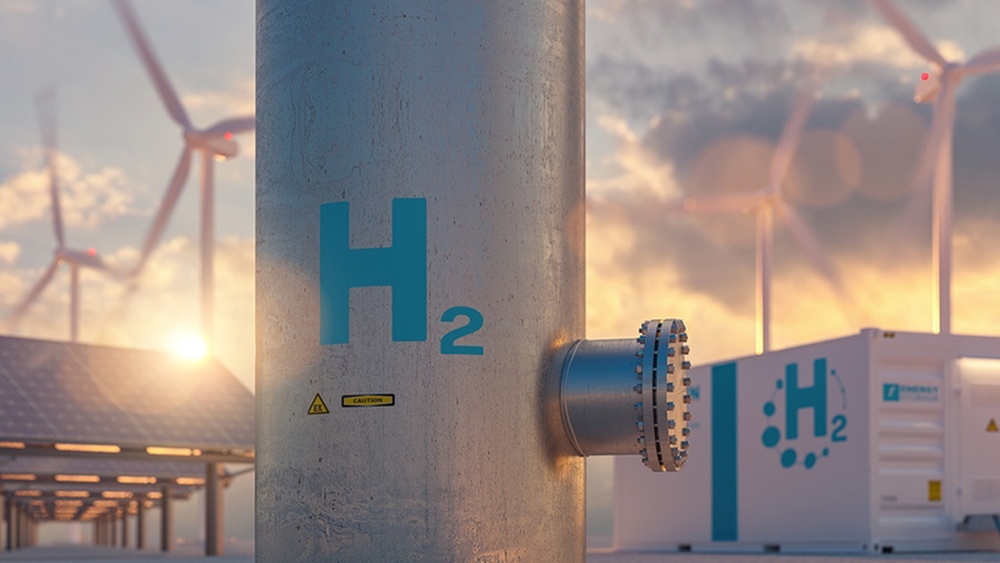
Hydrogen-powered vehicles offer a promising alternative to traditional gasoline-powered cars, potentially slashing global oil demand and reducing greenhouse gas emissions. By using clean hydrogen fuel instead of crude oil derivatives, these vehicles could transform transportation and support a sustainable energy future.
Key Takeaways
- Hydrogen vehicles run on fuel cells, not gasoline: They use hydrogen gas to generate electricity, producing only water as a byproduct—no tailpipe emissions.
- Significant oil reduction potential: Widespread adoption could cut global oil consumption by millions of barrels per day, especially in heavy transport and fleet operations.
- Ideal for long-haul and heavy-duty transport: Trucks, buses, and ships benefit most from hydrogen’s high energy density and quick refueling.
- Supports energy diversification: Hydrogen can be produced from renewable sources, reducing reliance on imported oil and enhancing energy security.
- Complements electric vehicles (EVs): While EVs dominate passenger cars, hydrogen fills gaps where batteries fall short, like long-range and fast refueling needs.
- Infrastructure is growing: Governments and companies are investing in hydrogen refueling networks, making adoption more feasible.
- Environmental benefits depend on production method: “Green hydrogen” made with renewable energy offers the greatest oil and carbon savings.
📑 Table of Contents
- Introduction: A Cleaner Road Ahead
- How Hydrogen Vehicles Work: The Science Behind the Hype
- The Oil Consumption Problem: Why We Need Alternatives
- Hydrogen’s Role in Cutting Oil Use Across Transportation Sectors
- Environmental and Economic Benefits of Hydrogen Adoption
- Challenges and the Road Ahead
- Conclusion: A Hydrogen-Powered Future Is Possible
Introduction: A Cleaner Road Ahead
Imagine a world where cars, trucks, and buses glide silently down highways, emitting nothing but water vapor. No smog, no engine noise, and—most importantly—no reliance on oil. This isn’t a scene from a sci-fi movie. It’s the vision behind hydrogen-powered vehicles, a technology that could dramatically reduce our dependence on fossil fuels and reshape the future of transportation.
For over a century, internal combustion engines have ruled the roads, burning gasoline and diesel derived from crude oil. While these fuels powered industrial growth and global mobility, they’ve also contributed to air pollution, climate change, and geopolitical tensions over oil supplies. As the world seeks cleaner, more sustainable alternatives, hydrogen has emerged as a compelling solution—especially for sectors where battery-electric vehicles (EVs) face limitations.
Hydrogen-powered vehicles, also known as fuel cell electric vehicles (FCEVs), use hydrogen gas to generate electricity through a chemical reaction in a fuel cell. This electricity then powers an electric motor, just like in a battery EV. The only emission? Pure water. No carbon dioxide, no nitrogen oxides, no particulate matter. It’s a zero-emission technology that could play a vital role in decarbonizing transportation, particularly in areas where long range, heavy loads, and quick refueling are essential.
How Hydrogen Vehicles Work: The Science Behind the Hype
Visual guide about How Hydrogen-powered Vehicles Could Reduce Oil Consumption
Image source: images.slurrp.com
To understand how hydrogen vehicles could reduce oil consumption, it helps to know how they actually work. At first glance, they might seem similar to electric cars, but the energy source and storage method are fundamentally different.
The Fuel Cell: Heart of the Hydrogen Vehicle
The core of a hydrogen-powered vehicle is the fuel cell stack. This device combines hydrogen (H₂) from an onboard tank with oxygen (O₂) from the air to produce electricity, heat, and water. The process is called electrochemical conversion—no combustion involved. Here’s a simple breakdown:
– Hydrogen gas is fed into the anode side of the fuel cell.
– A catalyst (usually platinum) splits the hydrogen atoms into protons and electrons.
– The protons pass through a membrane to the cathode, while the electrons are forced through an external circuit, creating an electric current.
– At the cathode, the electrons, protons, and oxygen combine to form water (H₂O), which is released as vapor.
This electricity powers the vehicle’s motor and can also recharge a small auxiliary battery used for acceleration and energy recovery during braking.
Hydrogen Storage: Safe and Efficient
One of the biggest challenges with hydrogen is storing it safely and efficiently. Unlike gasoline, hydrogen is the lightest element and has low energy density by volume. To make it practical for vehicles, it’s compressed to extremely high pressures—typically 5,000 to 10,000 psi—and stored in lightweight, carbon-fiber-reinforced tanks. These tanks are designed to withstand crashes and leaks, with multiple safety valves and sensors.
Alternatively, some research is exploring liquid hydrogen storage, which requires cooling the gas to -253°C (-423°F). While this increases energy density, it demands complex insulation and refrigeration systems, making it more suitable for large vehicles like trucks and ships.
Refueling: Fast and Familiar
One of the biggest advantages of hydrogen vehicles over battery EVs is refueling time. While charging an EV can take 30 minutes to several hours (depending on the charger), refueling a hydrogen car takes just 3 to 5 minutes—about the same as filling up a gas tank. This makes hydrogen especially appealing for commercial fleets, taxis, and long-haul trucking, where downtime is costly.
For example, the Toyota Mirai, one of the most well-known hydrogen cars, can travel over 400 miles on a single tank and refuels in under five minutes. That’s a game-changer for drivers who need range and convenience without the long charging stops.
The Oil Consumption Problem: Why We Need Alternatives
To appreciate the impact hydrogen vehicles could have, it’s important to understand the scale of global oil consumption—and why reducing it matters.
Global Oil Demand: A Transportation Giant
Transportation accounts for nearly 60% of global oil consumption, according to the International Energy Agency (IEA). Cars, trucks, airplanes, ships, and trains all rely heavily on petroleum-based fuels. In the U.S. alone, the transportation sector consumes about 13 million barrels of oil per day—more than any other sector.
This dependence has serious consequences. Oil extraction and refining are energy-intensive processes that release greenhouse gases. Burning gasoline and diesel emits carbon dioxide (CO₂), a major driver of climate change. Additionally, oil spills, air pollution, and volatile fuel prices pose environmental and economic risks.
Vulnerability to Price Shocks and Supply Disruptions
Oil is a globally traded commodity, and its price can swing wildly due to geopolitical tensions, supply disruptions, or market speculation. The 1973 oil crisis, the 2008 price spike, and the 2020 price crash (when oil briefly went negative) are all reminders of how fragile the system can be.
Countries that import most of their oil—like Japan, Germany, and many in Europe—are particularly vulnerable. Reducing oil dependence isn’t just about the environment; it’s also about energy security and economic stability.
The Limits of Electrification
Battery-electric vehicles (EVs) have made tremendous progress in reducing oil use for passenger cars. In 2023, over 14 million EVs were sold worldwide, and many countries have set targets to phase out gasoline cars. However, EVs aren’t a perfect solution for every transportation need.
Batteries are heavy, take time to charge, and lose efficiency in cold weather. For long-haul trucking, aviation, and maritime shipping, current battery technology isn’t practical. A fully electric semi-truck would need a battery weighing several tons just to match the range of a diesel truck—leaving little room for cargo.
This is where hydrogen shines. It offers high energy density, fast refueling, and zero emissions—making it ideal for heavy-duty and long-range applications where batteries fall short.
Hydrogen’s Role in Cutting Oil Use Across Transportation Sectors
Hydrogen-powered vehicles aren’t just for passenger cars. Their real potential lies in transforming high-oil-consumption sectors that are hard to electrify with batteries.
Heavy-Duty Trucking: A Major Oil Consumer
Long-haul trucks are among the biggest consumers of diesel fuel. In the U.S., medium- and heavy-duty vehicles make up only 4% of vehicles on the road but account for 23% of transportation fuel use. Replacing diesel trucks with hydrogen fuel cell trucks could dramatically cut oil demand.
Companies like Hyundai, Toyota, and Nikola are already testing hydrogen-powered semi-trucks. The Hyundai XCIENT Fuel Cell, for example, has been deployed in Switzerland and California, with fleets logging over 5 million miles. These trucks can travel up to 500 miles on a single fill and refuel in 15–20 minutes—far faster than charging a battery-electric truck.
Public Transit and Buses: Cleaner Cities
Cities around the world are turning to hydrogen buses to reduce emissions and improve air quality. Unlike diesel buses, hydrogen buses produce no tailpipe pollution, making them ideal for urban environments.
In London, over 20 hydrogen double-decker buses operate on key routes, reducing CO₂ emissions by up to 80% compared to diesel. Similarly, cities in China, Japan, and Germany have launched hydrogen bus fleets. These vehicles can run all day on a single tank and refuel quickly at centralized stations.
Maritime and Aviation: The Final Frontier
Shipping and aviation are among the hardest sectors to decarbonize. Ships burn heavy fuel oil, a highly polluting residue from crude oil refining. Airplanes rely on jet fuel, which is energy-dense but carbon-intensive.
Hydrogen offers a path forward. Liquid hydrogen can power cargo ships on long voyages, and hydrogen fuel cells are being tested in regional aircraft. Airbus, for instance, aims to launch a hydrogen-powered commercial airliner by 2035. While challenges remain—like storage and airport infrastructure—hydrogen could eventually replace a significant portion of jet fuel.
Fleet Vehicles and Logistics
Delivery vans, taxis, and airport ground support equipment are prime candidates for hydrogen adoption. These vehicles often operate on fixed routes and return to a central depot, making it easier to build refueling infrastructure.
Amazon, for example, has invested in hydrogen fuel cell trucks for its delivery fleet. These vehicles can carry heavy loads over long distances without frequent stops—something battery EVs struggle with.
Environmental and Economic Benefits of Hydrogen Adoption
Switching to hydrogen-powered vehicles isn’t just about reducing oil use—it’s about creating a cleaner, more resilient transportation system.
Cutting Greenhouse Gas Emissions
The environmental impact of hydrogen vehicles depends on how the hydrogen is produced. There are three main types:
– Grey hydrogen: Made from natural gas through steam methane reforming. It’s the most common method but emits CO₂.
– Blue hydrogen: Also from natural gas, but with carbon capture and storage (CCS) to reduce emissions.
– Green hydrogen: Produced by electrolyzing water using renewable electricity (solar, wind, hydro). This is the cleanest option, with near-zero emissions.
When powered by green hydrogen, fuel cell vehicles can reduce lifecycle emissions by up to 90% compared to gasoline cars. Even with blue hydrogen, emissions are significantly lower than diesel trucks.
Energy Independence and Security
Hydrogen can be produced domestically from a variety of sources—water, natural gas, biomass, or renewable energy. This reduces reliance on imported oil and enhances national energy security.
Countries like Japan and South Korea, which import nearly all their oil, are investing heavily in hydrogen infrastructure. Germany and France are developing hydrogen highways and refueling networks. The U.S. Department of Energy’s “Hydrogen Shot” initiative aims to cut the cost of clean hydrogen by 80% by 2030.
Job Creation and Economic Growth
The hydrogen economy could create millions of jobs in manufacturing, infrastructure, and research. From building fuel cells to installing refueling stations, the industry offers opportunities for skilled workers and entrepreneurs.
In California, the hydrogen fueling network has created hundreds of jobs and attracted billions in private investment. Similarly, Australia and the Middle East are positioning themselves as global hydrogen exporters, leveraging their abundant renewable resources.
Challenges and the Road Ahead
Despite its promise, hydrogen faces several hurdles before it can achieve widespread adoption.
High Production and Infrastructure Costs
Currently, green hydrogen is expensive—costing $4–$6 per kilogram, compared to $1–$2 for grey hydrogen. Electrolyzers, the devices that split water into hydrogen and oxygen, are still costly and need to scale up.
Refueling infrastructure is another barrier. As of 2023, there are fewer than 200 hydrogen refueling stations in the U.S., mostly in California. Building a nationwide network will require billions in investment.
Efficiency Compared to Batteries
Hydrogen is less energy-efficient than batteries. It takes about three times more energy to power a hydrogen vehicle than a battery EV, due to losses in production, compression, and conversion. For passenger cars, this makes batteries the more efficient choice.
However, for heavy transport, the trade-off may be worth it. The energy density and refueling speed of hydrogen outweigh efficiency concerns in applications where batteries are impractical.
Public Awareness and Acceptance
Many people still associate hydrogen with the Hindenburg disaster, despite modern safety standards. Educating the public about the safety and benefits of hydrogen is crucial for adoption.
Governments and automakers are working to build trust through demonstrations, pilot programs, and transparent safety data.
Conclusion: A Hydrogen-Powered Future Is Possible
Hydrogen-powered vehicles aren’t a silver bullet, but they are a vital piece of the puzzle in reducing oil consumption and building a sustainable transportation system. While battery EVs will dominate passenger cars, hydrogen offers a practical solution for heavy-duty, long-range, and high-utilization vehicles that are difficult to electrify.
By replacing diesel trucks, buses, ships, and planes with clean hydrogen alternatives, we could cut millions of barrels of oil use per day. This would reduce greenhouse gas emissions, improve air quality, and enhance energy security.
The transition won’t happen overnight. It will require continued investment in green hydrogen production, infrastructure development, and supportive policies. But with growing momentum from governments, automakers, and energy companies, the vision of a hydrogen-powered future is closer than ever.
As we look ahead, one thing is clear: the road to reduced oil dependence doesn’t have to be paved with gasoline. With innovation, collaboration, and commitment, hydrogen could help us drive toward a cleaner, more resilient tomorrow.
Frequently Asked Questions
How do hydrogen-powered vehicles reduce oil consumption?
Hydrogen vehicles use fuel cells to generate electricity from hydrogen gas, eliminating the need for gasoline or diesel. By replacing oil-powered vehicles—especially in heavy transport—they can significantly cut global oil demand.
Are hydrogen vehicles really zero-emission?
Yes, hydrogen fuel cell vehicles emit only water vapor from the tailpipe. However, the overall environmental impact depends on how the hydrogen is produced—green hydrogen from renewables offers the cleanest footprint.
Can hydrogen vehicles refuel as quickly as gasoline cars?
Yes, hydrogen refueling takes just 3 to 5 minutes, similar to gasoline. This makes them ideal for commercial fleets and long-haul trucking where downtime must be minimized.
Why not just use electric batteries instead of hydrogen?
Battery EVs are great for passenger cars, but they’re heavy, slow to charge, and inefficient for long-range or heavy-duty use. Hydrogen offers higher energy density and faster refueling for trucks, buses, and ships.
Is hydrogen safe to use in vehicles?
Yes, modern hydrogen storage tanks are designed with multiple safety features, including pressure relief devices and leak detection. They undergo rigorous crash and fire testing to ensure safety.
What countries are leading in hydrogen vehicle adoption?
Japan, South Korea, Germany, and California (U.S.) are at the forefront, with active hydrogen refueling networks, government incentives, and pilot programs for cars, buses, and trucks.