Hydrogen-powered vehicles are set to revolutionize transportation by offering zero-emission travel with fast refueling and long range. As clean energy infrastructure grows, these vehicles could drastically cut carbon emissions, reduce reliance on fossil fuels, and reshape global mobility.
Key Takeaways
- Zero Tailpipe Emissions: Hydrogen vehicles emit only water vapor, making them a clean alternative to gasoline and diesel cars.
- Fast Refueling and Long Range: Unlike many electric vehicles, hydrogen cars can be refueled in minutes and travel over 300 miles on a single tank.
- Reduced Dependence on Fossil Fuels: Hydrogen can be produced from renewable sources, decreasing reliance on oil and enhancing energy security.
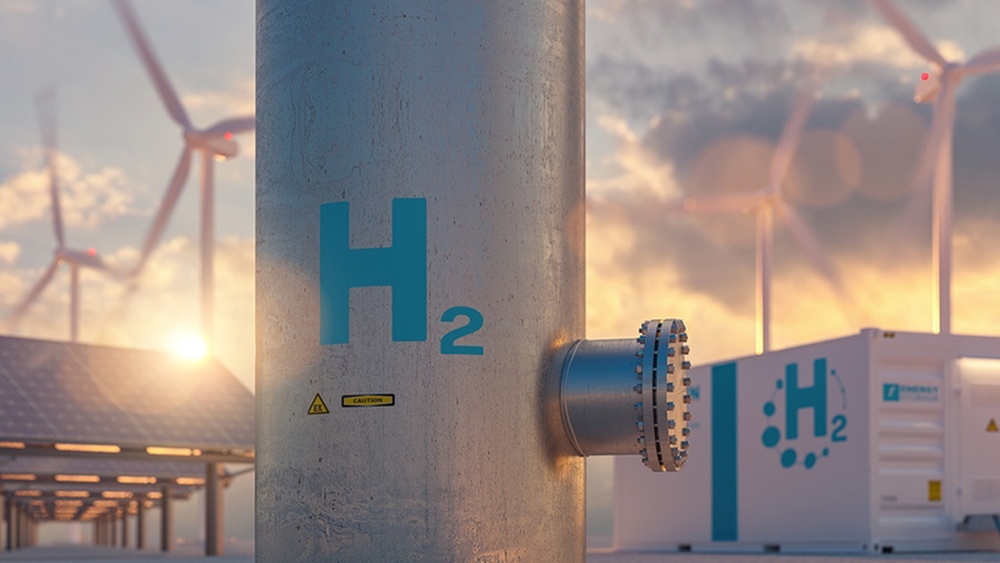
- Supports Renewable Energy Storage: Excess wind and solar power can be used to produce hydrogen, helping balance the grid and store clean energy.
- Transforms Heavy-Duty Transport: Trucks, buses, ships, and trains benefit most from hydrogen due to its high energy density and quick refueling.
- Creates Green Jobs and Economic Growth: The hydrogen economy will drive innovation, manufacturing, and infrastructure development worldwide.
- Global Collaboration is Key: Governments, industries, and researchers must work together to scale production and build refueling networks.
📑 Table of Contents
- Introduction: The Dawn of a Cleaner Future
- How Hydrogen-Powered Vehicles Work
- Environmental Benefits: A Breath of Fresh Air
- Hydrogen vs. Battery Electric: Complementary, Not Competitive
- Building the Hydrogen Infrastructure
- Hydrogen in Heavy-Duty and Public Transportation
- Economic and Social Impact
- The Road Ahead: Challenges and Opportunities
- Conclusion: A Cleaner, Quieter, More Sustainable World
Introduction: The Dawn of a Cleaner Future
Imagine a world where your car doesn’t pollute the air, runs quietly, and refuels faster than a gas-powered vehicle. No more long charging stops, no more range anxiety, and no harmful emissions—just clean, efficient travel. This isn’t science fiction. It’s the promise of hydrogen-powered vehicles, and they’re closer to reality than you might think.
For decades, we’ve relied on fossil fuels to power our cars, trucks, and buses. But with climate change accelerating and air quality worsening in cities, the need for cleaner transportation has never been greater. While battery-electric vehicles (EVs) have made great strides, they still face challenges like long charging times, limited range for heavy-duty use, and environmental concerns around battery production and disposal. Enter hydrogen—a versatile, abundant element that could be the missing piece in our clean energy puzzle.
Hydrogen-powered vehicles, also known as fuel cell electric vehicles (FCEVs), use hydrogen gas to generate electricity onboard, powering an electric motor. The only byproduct? Pure water. No carbon dioxide, no nitrogen oxides, no particulate matter. Just clean air and quiet operation. As technology improves and infrastructure expands, hydrogen vehicles are poised to play a major role in decarbonizing transportation and reshaping how we move people and goods around the world.
How Hydrogen-Powered Vehicles Work
Visual guide about How Hydrogen-powered Vehicles Will Change the World
Image source: team-bhp.com
To understand why hydrogen vehicles are so promising, it helps to know how they actually work. At first glance, they might seem similar to battery-electric cars—both use electric motors to drive the wheels. But the way they generate and store electricity is fundamentally different.
The Fuel Cell: The Heart of the System
The core technology behind hydrogen vehicles is the fuel cell. Think of it as a mini power plant on wheels. Inside the fuel cell, hydrogen gas (H₂) from the vehicle’s tank flows into an anode, where it’s split into protons and electrons. The protons pass through a special membrane, while the electrons are forced to travel through an external circuit, creating an electric current. This electricity powers the motor that drives the car.
Meanwhile, oxygen from the air enters the cathode side of the fuel cell. There, it combines with the protons and electrons to form water (H₂O)—the only emission. This entire process happens silently and efficiently, with no combustion involved.
Hydrogen Storage: Safe and Efficient
One common concern about hydrogen is safety. After all, it’s highly flammable. But modern hydrogen vehicles store hydrogen in strong, lightweight tanks made of carbon fiber composites. These tanks are designed to withstand extreme conditions, including crashes and high-pressure impacts. In fact, they’re often safer than gasoline tanks because hydrogen is lighter than air and disperses quickly if leaked, reducing the risk of fire.
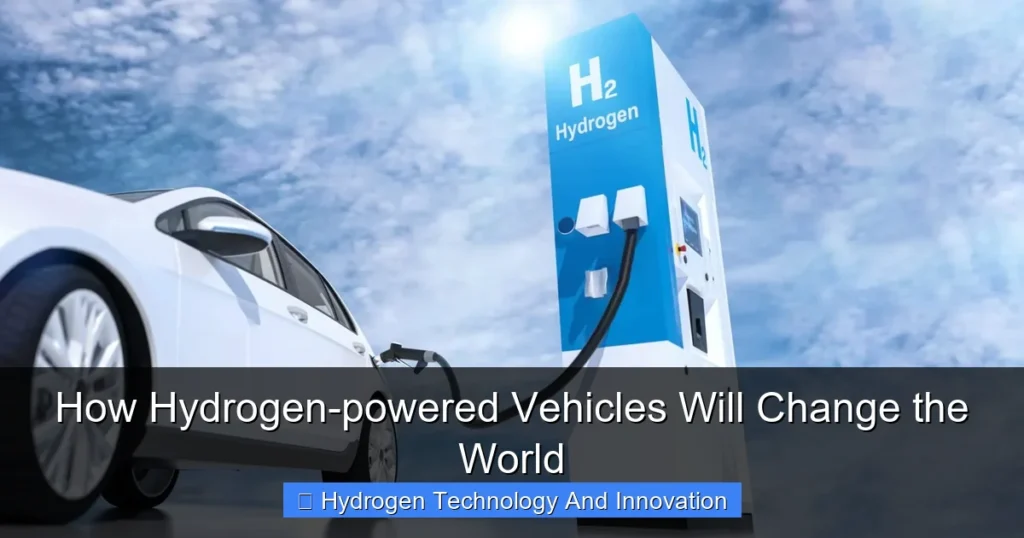
Most hydrogen vehicles store gas at high pressure—around 700 bar, or 10,000 psi. This allows them to carry enough fuel for a range of 300 to 400 miles, comparable to many gasoline cars. Refueling takes just 3 to 5 minutes, making it much faster than charging a battery-electric vehicle.
Real-World Examples
Several automakers are already producing hydrogen-powered vehicles. Toyota’s Mirai, for example, has been on the market since 2015 and has driven millions of miles with zero emissions. Hyundai’s NEXO offers over 400 miles of range and advanced driver-assistance features. In commercial transportation, companies like Nikola and Hyzon are developing hydrogen-powered trucks for long-haul freight, while cities like London and Tokyo are deploying hydrogen buses to clean up public transit.
These vehicles aren’t just prototypes—they’re being used every day, proving that hydrogen technology is ready for real-world applications.
Environmental Benefits: A Breath of Fresh Air
One of the most compelling reasons to embrace hydrogen-powered vehicles is their potential to dramatically reduce environmental harm. Transportation accounts for nearly a quarter of global carbon dioxide emissions, and road vehicles are the biggest culprits. Switching to hydrogen could be a game-changer.
Zero Tailpipe Emissions
The most obvious benefit is clean air. Unlike gasoline or diesel engines, hydrogen vehicles produce no tailpipe emissions. No CO₂, no smog-forming pollutants, no soot. This means cleaner air in cities, fewer respiratory illnesses, and a healthier population. In urban areas plagued by pollution, hydrogen buses and taxis could make a noticeable difference in air quality within just a few years.
Lifecycle Emissions Matter
Of course, it’s not enough to just look at what comes out of the tailpipe. We also need to consider how the hydrogen is made. Currently, most hydrogen is produced from natural gas through a process called steam methane reforming, which does release CO₂. This is known as “gray hydrogen.”
But the future lies in “green hydrogen”—hydrogen produced using renewable energy. Electrolysis, a process that splits water into hydrogen and oxygen using electricity, can be powered by wind, solar, or hydropower. When green hydrogen is used in vehicles, the entire lifecycle becomes nearly carbon-free.
Countries like Germany, Japan, and Australia are investing heavily in green hydrogen production. For example, the HyDeal Ambition project in Europe aims to produce green hydrogen at scale by 2030, making it cost-competitive with fossil fuels.
Reducing Noise Pollution
Another often-overlooked benefit is noise reduction. Hydrogen vehicles are electric, so they run almost silently. This could transform city soundscapes, making neighborhoods quieter and more peaceful. Imagine streets without the constant rumble of engines—just the gentle hum of electric motors and the sound of people walking and talking.
Hydrogen vs. Battery Electric: Complementary, Not Competitive
When people talk about clean transportation, the debate often centers on hydrogen versus battery-electric vehicles (BEVs). But the truth is, they’re not rivals—they’re partners. Each has strengths that make it better suited for different uses.
Where Hydrogen Shines
Hydrogen vehicles excel in applications where weight, range, and refueling time are critical. Think long-haul trucks, delivery vans, buses, and even ships and trains. These vehicles need to carry heavy loads over long distances and can’t afford long downtimes for charging.
For example, a battery-electric truck might need several hours to recharge, and the battery itself could weigh several tons, reducing cargo capacity. A hydrogen truck, on the other hand, can refuel in minutes and carry more freight. Companies like Amazon and Walmart are already testing hydrogen-powered delivery trucks to meet their sustainability goals.
Where Battery Electric Excels
Battery-electric vehicles are ideal for short- to medium-range travel, especially in cities. They’re simpler, more efficient, and cheaper to operate. With a growing network of charging stations, BEVs are perfect for daily commutes, school runs, and local errands.
A Balanced Approach
The future of clean transportation isn’t about choosing one technology over the other. It’s about using the right tool for the job. Hydrogen for heavy-duty and long-range transport, batteries for light-duty and urban use. Together, they can cover all our mobility needs while slashing emissions.
Building the Hydrogen Infrastructure
For hydrogen vehicles to go mainstream, we need more than just cars—we need infrastructure. That means hydrogen production facilities, pipelines, storage systems, and, most importantly, refueling stations.
The Challenge of Refueling
Right now, hydrogen refueling stations are few and far between. In the U.S., most are concentrated in California. In Europe, countries like Germany and the Netherlands are building networks, but coverage is still limited. This “chicken-and-egg” problem—where people won’t buy hydrogen cars without stations, and companies won’t build stations without demand—is slowing adoption.
But progress is being made. Governments are stepping in with funding and incentives. The U.S. Department of Energy’s H₂@Scale initiative aims to lower hydrogen costs and expand infrastructure. The European Union’s Hydrogen Strategy plans to install thousands of refueling stations by 2030.
Innovative Solutions
Some companies are finding creative ways to deliver hydrogen. Mobile refuelers can bring hydrogen to remote locations or construction sites. On-site production units can generate hydrogen at truck depots or ports, reducing the need for long-distance transport.
Japan is leading the way with its “hydrogen society” vision. The country has over 160 hydrogen stations and plans to have 1,000 by 2030. Toyota and Honda are working with energy companies to build a nationwide network, making hydrogen as accessible as gasoline.
Cost and Scalability
One of the biggest hurdles is cost. Producing, transporting, and storing hydrogen is still expensive. But as technology improves and production scales up, prices are expected to fall. Experts predict that green hydrogen could cost as little as $1–$2 per kilogram by 2030, making it competitive with diesel.
Hydrogen in Heavy-Duty and Public Transportation
While passenger cars get most of the attention, hydrogen’s biggest impact may be in heavy-duty and public transportation. These sectors are harder to electrify with batteries due to weight, range, and duty cycle constraints.
Trucks and Freight
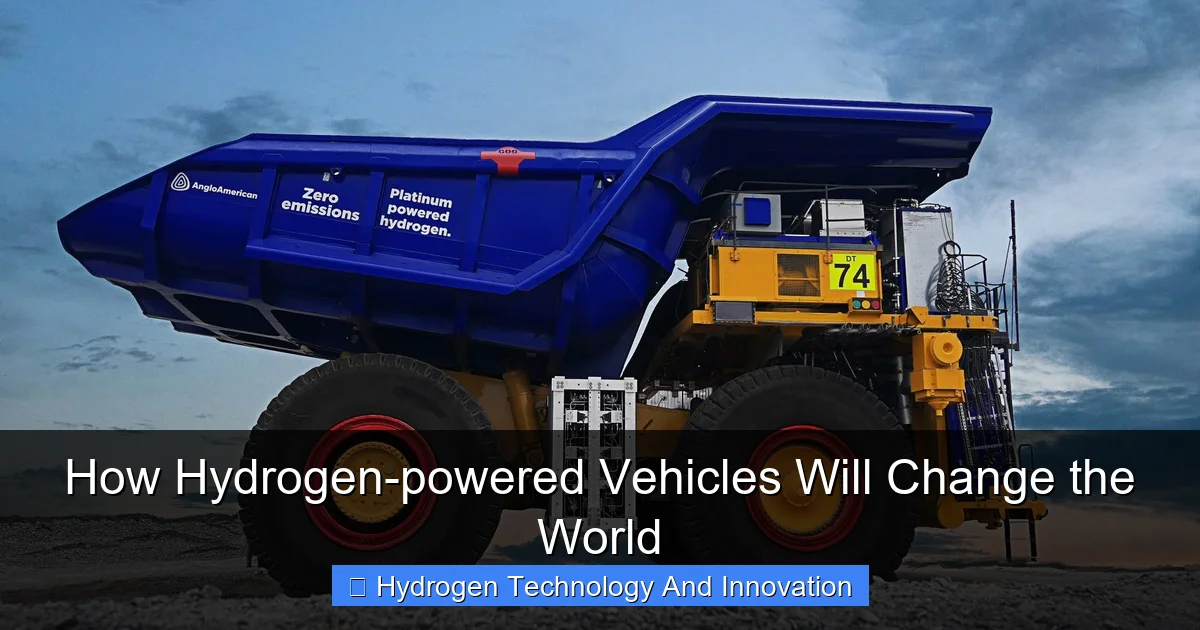
Long-haul trucking is a major source of emissions. Hydrogen fuel cell trucks offer a clean alternative. Companies like Kenworth, Volvo, and Daimler are developing hydrogen-powered semis that can travel 500 miles or more on a single tank. The Port of Los Angeles is testing hydrogen trucks to reduce pollution in one of the busiest shipping hubs in the world.
Buses and Public Transit
Cities are turning to hydrogen buses to clean up public transit. London’s double-decker hydrogen buses have been running since 2010, carrying millions of passengers with zero emissions. In China, thousands of hydrogen buses are in operation, helping combat severe air pollution.
Hydrogen buses are especially useful in hilly or cold climates, where battery performance can drop. They also refuel quickly, allowing for continuous operation on busy routes.
Trains and Ships
Even trains and ships are going hydrogen. Alstom’s Coradia iLint is the world’s first hydrogen-powered passenger train, running in Germany and France. It emits only steam and condensed water, replacing diesel trains on non-electrified lines.
In maritime transport, companies like Maersk and Shell are exploring hydrogen and ammonia (a hydrogen carrier) as fuels for cargo ships. These vessels could cross oceans without burning heavy fuel oil, drastically cutting emissions.
Economic and Social Impact
The shift to hydrogen-powered vehicles isn’t just about the environment—it’s about people, jobs, and economies.
Creating Green Jobs
The hydrogen economy will create millions of jobs in manufacturing, engineering, construction, and maintenance. From building fuel cells to installing refueling stations, the opportunities are vast. Countries that invest early will gain a competitive edge in this emerging industry.
Energy Independence
Hydrogen can be produced locally from water and renewable energy, reducing dependence on imported oil. This enhances energy security and keeps money within local economies. For countries with abundant solar or wind resources, hydrogen offers a way to export clean energy—even if they can’t export electricity directly.
Equity and Access
To ensure a just transition, governments must make hydrogen vehicles and infrastructure accessible to all communities, not just the wealthy. Subsidies, public transit investments, and community refueling hubs can help bridge the gap and ensure that the benefits of clean transportation are shared widely.
The Road Ahead: Challenges and Opportunities
Despite the promise, hydrogen-powered vehicles still face significant challenges. Costs need to come down, infrastructure must expand, and public awareness needs to grow. But the momentum is building.
Policy and Investment
Governments play a crucial role. Incentives like tax credits, grants, and emissions regulations can accelerate adoption. The U.S. Inflation Reduction Act includes billions for clean hydrogen production. The European Green Deal supports hydrogen as a key pillar of decarbonization.
Innovation and Collaboration
Breakthroughs in fuel cell efficiency, hydrogen storage, and electrolysis are making the technology more viable. Universities, startups, and automakers are working together to solve technical challenges. International partnerships, like the Clean Hydrogen Partnership in Europe, are fostering collaboration across borders.
A Vision for 2050
By 2050, hydrogen could power 20–30% of the world’s transportation, according to the International Energy Agency. That’s hundreds of millions of vehicles, thousands of refueling stations, and a global shift toward clean mobility.
Conclusion: A Cleaner, Quieter, More Sustainable World
Hydrogen-powered vehicles are more than just a technological innovation—they’re a pathway to a better future. They offer a practical, scalable solution to some of the biggest challenges we face: climate change, air pollution, and energy insecurity.
From city buses to cargo ships, from family cars to freight trucks, hydrogen has the potential to transform how we move. It’s not a silver bullet, but it’s a vital part of the clean energy mix. When combined with renewable energy, smart policies, and public support, hydrogen can help us build a world where transportation is clean, efficient, and accessible to all.
The journey has just begun, but the destination is clear: a planet powered by clean energy, where every mile traveled leaves only water behind.
Frequently Asked Questions
Are hydrogen-powered vehicles safe?
Yes, hydrogen vehicles are designed with multiple safety features. The hydrogen tanks are made of strong, lightweight materials and are rigorously tested for crashes and leaks. Hydrogen also disperses quickly into the air if released, reducing fire risk.
How long does it take to refuel a hydrogen car?
Refueling a hydrogen vehicle takes just 3 to 5 minutes, similar to filling up a gasoline car. This is much faster than charging most battery-electric vehicles, which can take 30 minutes to several hours.
Can hydrogen be produced without pollution?
Yes, through a process called electrolysis using renewable energy like wind or solar. This produces “green hydrogen,” which is completely clean and carbon-free.
Are hydrogen vehicles more expensive than electric cars?
Currently, hydrogen vehicles tend to be more expensive due to limited production and high fuel cell costs. However, prices are expected to drop as technology improves and production scales up.
Where can I refuel a hydrogen car?
Hydrogen refueling stations are currently limited but growing. They are mostly found in California, parts of Europe, and Japan. Governments and companies are investing in expanding the network.
Will hydrogen replace battery-electric vehicles?
Not likely. Hydrogen and battery-electric vehicles serve different needs. Hydrogen is better for long-range and heavy-duty transport, while batteries are ideal for short trips and urban driving. Both will play key roles in the future.