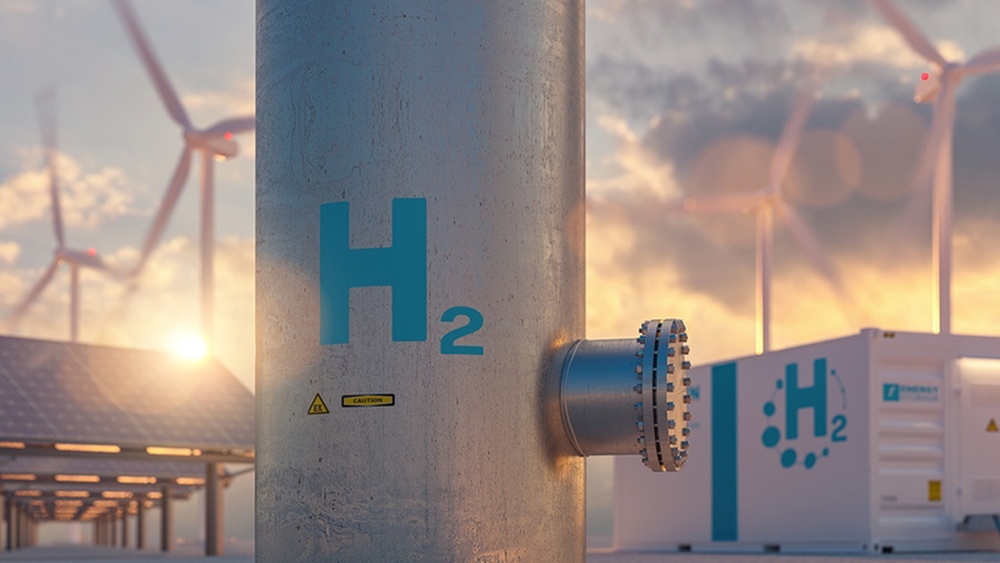
Hydrogen is emerging as a powerful long-term solution for green transportation, offering zero-emission mobility for cars, trucks, buses, and even ships. With advancements in production, storage, and fuel cell technology, hydrogen-powered vehicles are becoming more practical and scalable for a sustainable future.
Key Takeaways
- Hydrogen enables zero-emission transportation: When produced using renewable energy, hydrogen fuel cells emit only water vapor, making them a clean alternative to fossil fuels.
- Ideal for heavy-duty and long-range vehicles: Hydrogen excels in applications like trucks, buses, and trains where battery weight and charging time are limiting factors.
- Green hydrogen production is scaling up: Electrolysis powered by solar, wind, or hydroelectric energy is making clean hydrogen more viable and cost-effective.
- Infrastructure development is accelerating: Governments and private companies are investing in hydrogen refueling stations and distribution networks worldwide.
- Fuel cell technology is improving rapidly: Advances in durability, efficiency, and cost are making hydrogen vehicles more competitive with electric and combustion engines.
- Hydrogen supports energy storage and grid stability: Excess renewable energy can be stored as hydrogen, helping balance supply and demand in the power grid.
- Global momentum is building: Countries like Germany, Japan, and South Korea are leading the charge with national hydrogen strategies and pilot projects.
📑 Table of Contents
- Introduction: The Road to Clean Mobility
- What Is Hydrogen and How Does It Power Vehicles?
- Why Hydrogen Is a Game-Changer for Green Transportation
- Real-World Applications: Hydrogen in Action
- Challenges and How We’re Overcoming Them
- The Future of Hydrogen in Transportation
- Conclusion: Hydrogen’s Time Has Come
Introduction: The Road to Clean Mobility
Imagine a world where vehicles glide silently down highways, leaving nothing behind but clean air and water vapor. No smog, no tailpipe emissions, no dependence on fossil fuels. This isn’t science fiction—it’s the promise of hydrogen-powered transportation. As the world races to cut carbon emissions and combat climate change, hydrogen is stepping into the spotlight as a long-term solution for green transportation.
While electric vehicles (EVs) have dominated the conversation around clean mobility, they’re not the only answer—especially when it comes to heavy-duty transport, long-haul freight, and industrial applications. That’s where hydrogen shines. Unlike batteries, which can be heavy and slow to charge, hydrogen fuel cells offer high energy density and quick refueling, making them ideal for vehicles that need to go the distance without frequent stops.
But hydrogen isn’t just a niche player. With growing investment, technological breakthroughs, and supportive policies, it’s becoming a cornerstone of the global shift toward sustainable transportation. From city buses in Europe to cargo ships in Asia, real-world applications are proving that hydrogen isn’t just a concept—it’s a reality.
What Is Hydrogen and How Does It Power Vehicles?
Visual guide about Hydrogen as a Long-term Solution for Green Transportation
Image source: greentransportationgroup.com
At its core, hydrogen is the simplest and most abundant element in the universe. But when it comes to transportation, we’re not talking about hydrogen gas floating in space—we’re talking about using it as a clean fuel. The magic happens in a device called a fuel cell.
How Fuel Cells Work
A hydrogen fuel cell combines hydrogen and oxygen to produce electricity, with water and heat as the only byproducts. Here’s how it works in simple terms:
– Hydrogen gas is fed into the anode side of the fuel cell.
– Oxygen (from the air) enters the cathode side.
– A catalyst—usually platinum—splits the hydrogen atoms into protons and electrons.
– The protons pass through a membrane to the cathode, while the electrons travel through an external circuit, creating an electric current.
– At the cathode, the protons, electrons, and oxygen combine to form water.
This electricity powers an electric motor, just like in a battery-powered EV. The key difference? Instead of storing energy in a battery, the vehicle stores hydrogen in high-pressure tanks and generates electricity on demand.
Types of Hydrogen: Gray, Blue, and Green
Not all hydrogen is created equal. The environmental impact depends heavily on how it’s produced.
– Gray hydrogen is made from natural gas through a process called steam methane reforming. It’s the most common method today but releases carbon dioxide, making it far from green.
– Blue hydrogen uses the same process as gray, but the CO₂ is captured and stored underground (carbon capture and storage). It’s cleaner but still relies on fossil fuels.
– Green hydrogen is produced by splitting water into hydrogen and oxygen using electrolysis, powered entirely by renewable energy like wind or solar. This is the holy grail—zero emissions from production to use.
For hydrogen to truly be a green transportation solution, the focus must be on scaling up green hydrogen production. Fortunately, that’s exactly what’s happening.
Why Hydrogen Is a Game-Changer for Green Transportation
Hydrogen isn’t just another alternative fuel—it’s a versatile, scalable, and sustainable option that complements other clean technologies. Here’s why it’s gaining traction as a long-term solution.
Zero Tailpipe Emissions
The most obvious benefit? Hydrogen fuel cell vehicles (FCVs) emit only water vapor. No carbon dioxide, no nitrogen oxides, no particulate matter. This makes them ideal for improving urban air quality and reducing greenhouse gas emissions.
For example, cities like London and Tokyo are already deploying hydrogen-powered buses to cut pollution in densely populated areas. In 2023, London’s hydrogen bus fleet avoided over 1,000 tons of CO₂ emissions—equivalent to taking 200 cars off the road.
Fast Refueling and Long Range
One of the biggest drawbacks of battery electric vehicles is charging time. Even with fast chargers, it can take 30 minutes or more to recharge a large battery. Hydrogen vehicles, on the other hand, can be refueled in 3 to 5 minutes—just like a gasoline car.
Plus, hydrogen has a much higher energy density than batteries. A hydrogen-powered truck can travel 400 to 800 miles on a single tank, making it perfect for long-haul freight. Companies like Toyota and Hyundai are already testing hydrogen trucks in real-world logistics operations.
Ideal for Heavy-Duty Applications
Batteries are great for passenger cars, but they struggle with weight and space in larger vehicles. A battery big enough to power a freight truck could weigh several tons and take up valuable cargo space. Hydrogen fuel cells are lighter and more compact, allowing trucks, buses, and even trains to maintain payload capacity and range.
In Germany, the Coradia iLint—a hydrogen-powered passenger train—has been running since 2018, replacing diesel trains on non-electrified rail lines. It’s quiet, clean, and can travel up to 600 miles on a single tank.
Energy Storage and Grid Support
Hydrogen isn’t just for vehicles. It can also store excess renewable energy. When the sun is shining or the wind is blowing, but demand is low, surplus electricity can power electrolyzers to produce hydrogen. That hydrogen can then be stored and used later—either to generate electricity or to fuel vehicles.
This makes hydrogen a key player in the broader energy transition. It helps balance the grid, reduces curtailment of renewables, and provides a buffer against energy shortages.
Real-World Applications: Hydrogen in Action
The theory is compelling, but what about real-world use? Around the globe, hydrogen is already powering transportation in innovative ways.
Passenger Vehicles
While EVs dominate the passenger car market, hydrogen FCVs are carving out a niche. The Toyota Mirai and Hyundai NEXO are two of the most well-known models. Both offer ranges over 300 miles and refuel in minutes.
In California, where over 100 hydrogen refueling stations are operational, FCVs are becoming a practical option for drivers who need long range and quick refueling. The state’s “Hydrogen Highway” initiative aims to expand this network further.
Public Transit and Buses
Cities are increasingly turning to hydrogen buses for clean public transit. In Aberdeen, Scotland, a fleet of hydrogen buses has been running since 2015, reducing emissions and noise pollution. Similarly, in China, thousands of hydrogen buses are in operation, supported by government incentives.
These buses not only cut emissions but also serve as mobile showcases for hydrogen technology, helping build public awareness and acceptance.
Trucks and Logistics
The freight industry is one of the hardest to decarbonize, but hydrogen is making inroads. Companies like Nikola, Hyzon, and Daimler are developing hydrogen-powered trucks for regional and long-haul transport.
In 2022, Amazon announced a partnership with Plug Power to deploy hydrogen fuel cells in its delivery vans and warehouse equipment. This move could pave the way for wider adoption in the logistics sector.
Trains and Rail
As mentioned earlier, hydrogen trains are already in service in Europe. France, the UK, and Italy are investing in hydrogen rail projects to replace diesel trains on rural and regional lines.
The benefits are clear: zero emissions, lower noise, and no need for expensive overhead electrification. Hydrogen trains can run on existing tracks with minimal infrastructure changes.
Maritime and Aviation
Even ships and planes are exploring hydrogen. While still in early stages, pilot projects are underway.
In Norway, the MF Hydra became the world’s first hydrogen-powered ferry in 2023, carrying cars and passengers across fjords. It uses liquid hydrogen and has a range of 300 nautical miles.
In aviation, companies like Airbus are developing hydrogen-powered aircraft under the ZEROe program, targeting commercial flights by 2035. Hydrogen could be used in fuel cells or burned in modified jet engines.
Challenges and How We’re Overcoming Them
Despite its promise, hydrogen isn’t without challenges. But with innovation and investment, many of these hurdles are being addressed.
Production Costs and Scalability
Green hydrogen is still more expensive than gray or blue hydrogen. Electrolyzers are costly, and renewable energy prices—while falling—still need to drop further.
However, costs are declining rapidly. According to the International Energy Agency (IEA), the cost of green hydrogen could fall by 60% by 2030 due to economies of scale, improved technology, and cheaper renewables.
Governments are also stepping in. The U.S. Inflation Reduction Act offers tax credits for clean hydrogen production, while the European Union has launched the Hydrogen Bank to fund large-scale projects.
Infrastructure Gaps
One of the biggest barriers is the lack of hydrogen refueling stations. Unlike gasoline or EV chargers, hydrogen stations are few and far between.
But this is changing. Countries like Japan, South Korea, and Germany are building national hydrogen networks. In California, the state plans to have 200 hydrogen stations by 2026. Private companies like Air Liquide and Shell are also investing in refueling infrastructure.
Storage and Transportation
Hydrogen is a small, light molecule that can leak easily and requires high pressure or cryogenic temperatures for storage. This makes transporting it challenging.
Solutions are emerging. Liquid organic hydrogen carriers (LOHCs) can bind hydrogen to a liquid compound, making it easier to transport. Pipelines are also being retrofitted or built new to carry hydrogen, especially in industrial clusters.
Public Awareness and Acceptance
Many people still associate hydrogen with the Hindenburg disaster, but modern hydrogen systems are safe. Fuel cells are rigorously tested, and hydrogen disperses quickly in the air, reducing fire risk.
Education and real-world demonstrations—like hydrogen buses and trains—are helping shift public perception. As more people experience hydrogen vehicles firsthand, acceptance is growing.
The Future of Hydrogen in Transportation
The future looks bright for hydrogen. With global net-zero targets, rising energy demand, and the need for flexible clean energy, hydrogen is poised to play a central role.
Policy and Investment Momentum
Governments worldwide are backing hydrogen with policies and funding. The U.S., EU, Japan, and Australia have all launched national hydrogen strategies. China, the world’s largest hydrogen producer, is investing heavily in green hydrogen for transport and industry.
Private investment is also surging. In 2023, over $10 billion was invested in hydrogen projects globally, with a significant portion going to transportation applications.
Technological Breakthroughs
Innovation is accelerating. Researchers are developing cheaper, more efficient electrolyzers and fuel cells. New catalysts are reducing reliance on platinum, lowering costs. Solid-state hydrogen storage could make tanks safer and more compact.
AI and digital twins are being used to optimize hydrogen production and distribution, improving efficiency and reducing waste.
Integration with Renewable Energy
As wind and solar capacity grows, so does the need for energy storage. Hydrogen offers a scalable solution. Excess renewable power can be converted to hydrogen during off-peak hours and used when demand is high.
This creates a virtuous cycle: more renewables → more green hydrogen → more clean transportation → less fossil fuel dependence.
A Complementary Role
Hydrogen won’t replace batteries—it will complement them. For short-range, light-duty vehicles, EVs are often the best choice. But for long-haul trucks, buses, trains, and ships, hydrogen offers unique advantages.
The future of green transportation isn’t one-size-fits-all. It’s a mix of technologies, each playing to its strengths.
Conclusion: Hydrogen’s Time Has Come
Hydrogen is no longer a distant dream—it’s a practical, scalable solution for green transportation. From city buses to cargo ships, real-world applications are proving its value. With zero emissions, fast refueling, and high energy density, hydrogen fills critical gaps that batteries alone can’t address.
Yes, challenges remain—costs, infrastructure, and public perception. But with rapid technological progress, strong policy support, and growing investment, these barriers are being overcome.
As the world moves toward a sustainable future, hydrogen will be a key enabler. It’s not just about cleaner vehicles—it’s about transforming how we move people and goods, reducing our carbon footprint, and building a healthier planet.
The road ahead is long, but with hydrogen in the mix, it’s a journey worth taking.
Frequently Asked Questions
Is hydrogen safe for use in vehicles?
Yes, hydrogen is safe when handled properly. Modern hydrogen storage tanks are designed to withstand extreme conditions, and hydrogen disperses quickly in the air, reducing fire risk. Safety standards and rigorous testing ensure hydrogen vehicles meet the same safety levels as conventional cars.
How long does it take to refuel a hydrogen vehicle?
Refueling a hydrogen vehicle takes about 3 to 5 minutes, similar to filling up a gasoline car. This is much faster than charging a battery electric vehicle, making hydrogen ideal for long-distance travel and commercial use.
Can hydrogen be used in existing vehicles?
No, hydrogen cannot be used in conventional gasoline or diesel engines. Vehicles need to be specifically designed with hydrogen fuel cells or internal combustion engines modified for hydrogen. However, some industrial equipment and generators can be retrofitted.
What is the difference between hydrogen fuel cells and batteries?
Hydrogen fuel cells generate electricity on board by combining hydrogen and oxygen, emitting only water. Batteries store electricity and release it to power motors. Fuel cells offer faster refueling and longer range, while batteries are more efficient for short trips.
Where is hydrogen produced, and is it really green?
Hydrogen can be produced anywhere with water and electricity. Green hydrogen, made using renewable energy, is truly clean. Gray and blue hydrogen rely on fossil fuels and are less sustainable. The goal is to scale up green hydrogen production globally.
Will hydrogen vehicles become affordable?
Yes, costs are expected to fall as technology improves and production scales up. Government incentives, falling renewable energy prices, and advancements in fuel cell efficiency are making hydrogen vehicles increasingly competitive with traditional and electric vehicles.