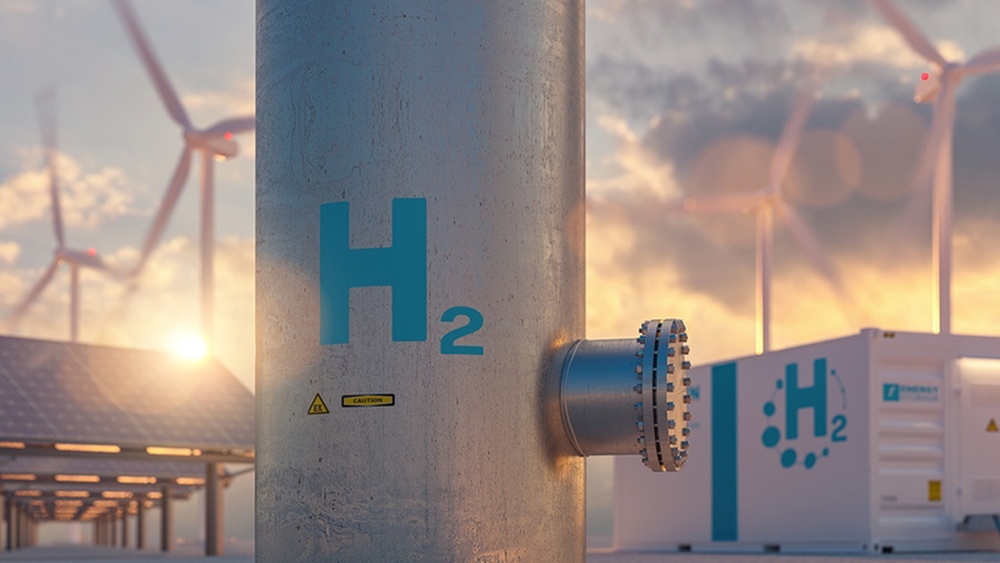
Hydrogen-powered vehicles offer a zero-emission alternative to traditional engines, but face significant hurdles in infrastructure, cost, and production. With growing investment and innovation, they could play a key role in decarbonizing heavy transport and long-haul travel.
Imagine pulling up to a fueling station, connecting a nozzle for just five minutes, and driving off with a full tank—emitting nothing but clean water vapor. No long charging times, no range anxiety, and zero harmful emissions. This isn’t a scene from a sci-fi movie. It’s the promise of hydrogen-powered vehicles, a technology that’s been quietly evolving for decades but is now gaining serious momentum in the race toward sustainable transportation.
Hydrogen has long been hailed as the ultimate clean fuel. When used in a fuel cell, it combines with oxygen to produce electricity, powering an electric motor—while the only byproduct is water. Unlike battery-electric vehicles (BEVs), which rely on large, heavy batteries and hours of charging, hydrogen vehicles refuel quickly and offer long driving ranges. This makes them especially appealing for applications where downtime is costly and range is critical, such as long-haul trucking, public transit, and aviation.
Yet, despite its potential, hydrogen-powered transportation hasn’t taken off as quickly as some hoped. The road to widespread adoption is paved with technical, economic, and logistical challenges. From how we produce hydrogen to where we refuel it, every step in the chain presents hurdles. At the same time, governments, automakers, and energy companies are investing billions to overcome these barriers. The question isn’t just whether hydrogen vehicles can work—it’s whether they can scale, compete, and truly contribute to a cleaner future.
Key Takeaways
- Zero tailpipe emissions: Hydrogen fuel cell vehicles emit only water vapor, making them ideal for reducing urban pollution and greenhouse gases.
- Refueling speed and range: Hydrogen vehicles can refuel in minutes and travel 300–400 miles, rivaling gasoline cars and outperforming many EVs.
- Infrastructure limitations: A lack of hydrogen refueling stations remains a major barrier, especially outside select regions like California and parts of Europe.
- High production costs: Most hydrogen is still produced from fossil fuels, and green hydrogen from renewables remains expensive and energy-intensive.
- Heavy-duty and fleet applications: Trucks, buses, and trains are prime candidates for hydrogen due to their range and refueling needs.
- Government support and innovation: Subsidies, research funding, and public-private partnerships are accelerating hydrogen technology development.
- Energy efficiency concerns: Hydrogen production, compression, and conversion lose more energy than direct battery charging, raising efficiency questions.
📑 Table of Contents
How Hydrogen-Powered Vehicles Work
To understand the promise—and the pitfalls—of hydrogen vehicles, it helps to know how they operate. Unlike traditional internal combustion engines that burn fuel, hydrogen vehicles use fuel cells to generate electricity through a chemical reaction.
The Fuel Cell Process
At the heart of every hydrogen-powered vehicle is a fuel cell stack. This device takes hydrogen gas (H₂) from an onboard tank and combines it with oxygen (O₂) from the air. Inside the fuel cell, a catalyst—usually platinum—splits hydrogen atoms into protons and electrons. The protons pass through a membrane, while the electrons are forced to travel through an external circuit, creating an electric current. This electricity powers the vehicle’s motor. When the protons and electrons reunite with oxygen on the other side of the membrane, they form water (H₂O), which is released as vapor.
This process is clean, quiet, and highly efficient compared to burning fossil fuels. There are no carbon emissions, no smog-forming pollutants, and no engine noise. The only thing coming out of the tailpipe is pure water.
Types of Hydrogen Vehicles
There are two main types of hydrogen-powered vehicles: fuel cell electric vehicles (FCEVs) and hydrogen internal combustion engine vehicles (HICEVs). FCEVs, like the Toyota Mirai or Hyundai NEXO, are the most common and use fuel cells to generate electricity. HICEVs, on the other hand, burn hydrogen directly in a modified engine, similar to how gasoline engines work. While HICEVs are simpler to engineer, they are less efficient and can produce small amounts of nitrogen oxides (NOx), a pollutant. Most automakers are focusing on FCEVs due to their superior efficiency and cleaner output.
Onboard Storage and Safety
Storing hydrogen safely is one of the biggest engineering challenges. Hydrogen is the lightest element and highly flammable, so it must be stored under high pressure—typically 5,000 to 10,000 psi—in reinforced carbon-fiber tanks. These tanks are designed to withstand crashes and extreme conditions, and modern FCEVs undergo rigorous safety testing. In fact, hydrogen vehicles are often safer than gasoline cars because hydrogen disperses quickly into the air if leaked, reducing the risk of pooling and explosion.
The Environmental Promise of Hydrogen
One of the strongest arguments for hydrogen vehicles is their potential to reduce greenhouse gas emissions and improve air quality. But the environmental benefits depend heavily on how the hydrogen is produced.
Green, Gray, and Blue Hydrogen
Not all hydrogen is created equal. The color-coded system helps distinguish between production methods:
Visual guide about Hydrogen-powered Vehicles: Challenges and Opportunities
Image source: image.slidesharecdn.com
- Green hydrogen: Produced using renewable energy (like wind or solar) to power electrolysis, which splits water into hydrogen and oxygen. This method is completely clean but currently expensive and energy-intensive.
- Gray hydrogen: Made from natural gas through steam methane reforming (SMR), which releases carbon dioxide. This is the most common method today, accounting for about 95% of global hydrogen production.
- Blue hydrogen: Similar to gray hydrogen, but with carbon capture and storage (CCS) technology to trap and store CO₂ emissions. It’s cleaner than gray but still relies on fossil fuels.
For hydrogen vehicles to be truly sustainable, the shift to green hydrogen is essential. Without it, the environmental benefits are limited—or even negative—when compared to battery-electric vehicles powered by clean electricity.
Lifecycle Emissions Comparison
Studies show that FCEVs powered by green hydrogen can have lifecycle emissions up to 60% lower than gasoline vehicles and comparable to or better than BEVs in regions with clean electricity grids. However, if the hydrogen comes from gray or blue sources, the advantage shrinks significantly. In some cases, a BEV charged with renewable energy may still be cleaner overall.
That said, hydrogen has a unique advantage in certain sectors. For example, in heavy-duty transport—like shipping, aviation, and long-haul trucking—batteries are often too heavy and take too long to charge. Hydrogen’s high energy density and fast refueling make it a more practical zero-emission solution in these areas.
Major Challenges Facing Hydrogen Vehicles
Despite their promise, hydrogen-powered vehicles face a steep climb toward mainstream adoption. Several interconnected challenges stand in the way.
Limited Refueling Infrastructure
The biggest hurdle is infrastructure. As of 2024, there are fewer than 150 hydrogen refueling stations in the United States, with over 90% located in California. Compare that to over 150,000 gas stations or 60,000 public EV charging ports, and the gap is clear. Building a nationwide hydrogen network requires massive investment—each station can cost $1–2 million to build and maintain.
Without convenient refueling options, consumers are reluctant to buy hydrogen vehicles. This creates a chicken-and-egg problem: automakers won’t produce more FCEVs without demand, but consumers won’t buy them without infrastructure. Some companies, like Shell and Toyota, are partnering to expand stations, but progress is slow.
High Production and Distribution Costs
Producing, transporting, and storing hydrogen is expensive. Green hydrogen costs between $4 and $6 per kilogram, while gasoline equivalent energy costs around $1–2 per kilogram. Even blue hydrogen is costly due to the added expense of carbon capture.
Transporting hydrogen is also tricky. It can’t be shipped easily like oil or gas. Pipelines exist in some industrial areas, but building new ones is costly. Alternatively, hydrogen can be liquefied, but that requires cooling it to -253°C, which uses a lot of energy. Most hydrogen today is produced near where it’s used, limiting scalability.
Energy Efficiency Concerns
Hydrogen is less energy-efficient than direct electrification. Producing hydrogen via electrolysis loses about 30% of the input energy. Compressing, transporting, and converting it back to electricity in a fuel cell loses another 40–50%. In total, only about 25–35% of the original energy makes it to the wheels. In contrast, battery-electric vehicles use about 77% of grid energy to power the wheels.
This inefficiency means that using renewable electricity to make hydrogen may not be the best use of clean power—especially when that electricity could charge a BEV directly. However, in applications where batteries aren’t feasible, hydrogen’s lower efficiency may still be worth it.
Vehicle Cost and Availability
Hydrogen vehicles are still niche and expensive. The Toyota Mirai starts around $50,000, and the Hyundai NEXO is similarly priced. That’s significantly more than comparable EVs like the Tesla Model 3 or Ford Mustang Mach-E. High costs come from expensive materials (like platinum in fuel cells), low production volumes, and limited economies of scale.
Only a handful of FCEVs are available to consumers, and most are sold in limited quantities. Automakers are cautious about investing heavily without clear market demand. Until production scales up and costs come down, hydrogen vehicles will remain a premium option.
Opportunities for Growth and Innovation
Despite the challenges, there’s growing momentum behind hydrogen technology. Governments, industries, and researchers are working to unlock its potential.
Government Support and Policy
Countries around the world are investing in hydrogen as part of their climate strategies. The U.S. Department of Energy’s “Hydrogen Shot” initiative aims to reduce green hydrogen costs to $1 per kilogram within a decade. The European Union has launched the European Clean Hydrogen Alliance, with billions in funding for production and infrastructure.
In Japan and South Korea, hydrogen is a national priority. Japan’s “Basic Hydrogen Strategy” aims to build a hydrogen society, while South Korea plans to deploy 1,200 FCEVs and 310 refueling stations by 2025. China is also scaling up, with major investments in hydrogen trucks and buses.
These policies include tax credits, grants, and mandates that encourage adoption. For example, California offers rebates of up to $15,000 for FCEV purchases and funds hydrogen station development.
Advancements in Fuel Cell Technology
Researchers are working to make fuel cells cheaper, more durable, and more efficient. One focus is reducing or replacing platinum, which is rare and expensive. New catalysts using iron, nitrogen, and carbon are showing promise in lab tests. Solid-state fuel cells and alternative membranes could also improve performance and lifespan.
Manufacturers are also improving hydrogen storage. New tank designs use lighter materials and better insulation, increasing range and safety. Some companies are exploring liquid organic hydrogen carriers (LOHCs), which store hydrogen in a liquid form at ambient temperatures, making transport easier.
Expansion into Heavy-Duty and Industrial Sectors
While passenger cars remain limited, hydrogen is finding traction in heavy-duty applications. Trucks, buses, trains, and even ships are ideal candidates. For example, Hyundai’s XCIENT Fuel Cell trucks are already operating in Switzerland and the U.S., delivering goods with zero emissions. Toyota is testing hydrogen-powered semi-trucks in California ports.
Public transit is another growth area. Cities like London, Berlin, and Tokyo are deploying hydrogen buses. These fleets benefit from centralized refueling and long daily routes, making hydrogen a practical choice. Trains are also going hydrogen: Alstom’s Coradia iLint, a hydrogen-powered train, is running in Germany and France, replacing diesel engines on non-electrified lines.
Integration with Renewable Energy Systems
Hydrogen can play a key role in energy storage. Excess electricity from wind or solar farms can be used to produce hydrogen during off-peak hours. This “power-to-gas” approach helps balance the grid and store renewable energy for later use—either in vehicles or for industrial processes.
Some projects are already demonstrating this. In Australia, the HySupply project is testing green hydrogen production using solar power. In Germany, the H2Mobility initiative links hydrogen refueling stations to renewable energy sources. As renewable capacity grows, so does the potential for clean hydrogen.
The Competitive Landscape: Hydrogen vs. Battery Electric Vehicles
The rise of battery-electric vehicles has raised questions about hydrogen’s role. Are they competitors or complements?
Strengths and Weaknesses Compared
BEVs dominate the passenger vehicle market due to falling battery costs, expanding charging networks, and strong consumer adoption. They’re efficient, quiet, and increasingly affordable. However, they struggle with long charging times, heavy batteries, and limited range in cold weather.
Hydrogen vehicles, on the other hand, offer quick refueling and long range—ideal for road trips and commercial use. But they’re held back by infrastructure, cost, and efficiency. For most everyday drivers, BEVs are currently the better choice. But for specific use cases—like long-haul trucking, aviation, or remote operations—hydrogen may be the only viable zero-emission option.
Synergy, Not Just Competition
Rather than seeing hydrogen and batteries as rivals, many experts view them as part of a broader clean energy ecosystem. Batteries excel in short-range, light-duty applications. Hydrogen shines in heavy-duty, long-range, and high-utilization scenarios. Together, they can cover more ground in the transition away from fossil fuels.
Some companies are even exploring hybrid approaches. For example, a vehicle could use a battery for city driving and a hydrogen fuel cell for extended range. While not yet mainstream, such concepts show how technologies can complement each other.
The Road Ahead: What Needs to Happen
For hydrogen-powered vehicles to succeed, several key steps are needed.
Scale Up Green Hydrogen Production
The first priority is scaling up green hydrogen. This requires massive investment in renewable energy and electrolyzers. Governments and private companies must work together to build production facilities near wind and solar farms. As costs fall—driven by innovation and economies of scale—green hydrogen will become more competitive.
Build a National Refueling Network
Infrastructure must expand beyond California and a few European hubs. Public-private partnerships can help share the cost and risk. Incentives for station operators and mandates for fleet adoption (like requiring hydrogen buses in cities) can drive demand. Mobile refueling units and hydrogen trailers could also serve remote areas.
Reduce Vehicle and Component Costs
Automakers need to increase production volumes to lower prices. Standardizing components, improving manufacturing processes, and reducing reliance on rare materials will help. As more models enter the market—especially in trucks and buses—competition will drive innovation and affordability.
Educate Consumers and Fleets
Many people still don’t understand how hydrogen vehicles work or why they matter. Clear communication about safety, benefits, and use cases is essential. Fleet operators, in particular, need data on total cost of ownership, reliability, and environmental impact to make informed decisions.
Support Research and Development
Continued R&D is critical. Governments should fund research into better fuel cells, storage methods, and production techniques. Universities, labs, and startups are driving breakthroughs that could make hydrogen more viable. Collaboration across industries will accelerate progress.
Conclusion
Hydrogen-powered vehicles are not a silver bullet, but they are a vital piece of the clean transportation puzzle. With zero tailpipe emissions, fast refueling, and long range, they offer a compelling alternative to both gasoline and battery-electric vehicles—especially in heavy-duty and long-haul applications.
Yet, the path forward is not without obstacles. High costs, limited infrastructure, and energy inefficiencies must be addressed. The environmental benefits depend on shifting to green hydrogen, which requires significant investment in renewables and electrolysis.
But the momentum is building. Governments are setting ambitious targets, companies are launching new models, and researchers are making breakthroughs. As the world seeks to decarbonize transport, hydrogen has a unique role to play—not as a replacement for batteries, but as a complement in a diverse, sustainable mobility future.
The journey won’t be easy, but the destination—cleaner air, reduced emissions, and energy independence—is worth the effort. With the right support, innovation, and collaboration, hydrogen-powered vehicles could soon move from the fringe to the mainstream.
Frequently Asked Questions
Are hydrogen-powered vehicles safe?
Yes, hydrogen vehicles are designed with multiple safety features, including reinforced tanks, leak detection systems, and automatic shut-off valves. Hydrogen disperses quickly into the air if leaked, reducing explosion risk compared to gasoline.
How far can a hydrogen car go on a full tank?
Most hydrogen-powered vehicles have a range of 300 to 400 miles per fill-up, similar to gasoline cars and often exceeding the range of many battery-electric vehicles.
How long does it take to refuel a hydrogen vehicle?
Refueling takes about 3 to 5 minutes, comparable to filling a gas tank and much faster than charging an electric vehicle.
Is hydrogen more expensive than gasoline or electricity?
Currently, hydrogen fuel is more expensive per mile than gasoline or electricity, but costs are expected to fall as production scales up and green hydrogen becomes more common.
Can I install a hydrogen refueling station at home?
Home refueling is technically possible but not practical or cost-effective for most people. It requires specialized equipment, permits, and safety measures, making public stations the preferred option.
Will hydrogen vehicles replace electric cars?
Unlikely. Hydrogen and battery-electric vehicles serve different needs. BEVs are better for short-range, everyday driving, while hydrogen excels in heavy-duty and long-range applications. Both will likely coexist in a clean transport future.