The hydrogen fuel cell industry is experiencing a renaissance, driven by breakthroughs in efficiency, durability, and cost reduction. With innovations in materials, manufacturing, and integration, hydrogen is emerging as a key player in the global shift toward sustainable energy.
Key Takeaways
- Improved Efficiency: New catalyst designs and membrane technologies have boosted fuel cell efficiency to over 60%, rivaling traditional combustion engines.
- Cost Reduction: Scaling production and using alternative materials like non-precious metal catalysts are slashing costs, making hydrogen more competitive.
- Durability Enhancements: Advanced coatings and thermal management systems now allow fuel cells to operate reliably for over 30,000 hours.
- Green Hydrogen Integration: Electrolysis powered by renewable energy is enabling truly carbon-neutral hydrogen production at scale.
- Transportation Breakthroughs: Heavy-duty trucks, buses, and even ships are adopting hydrogen fuel cells for zero-emission mobility.
- Stationary Power Applications: Fuel cells are powering data centers, hospitals, and remote communities with clean, reliable electricity.
- Global Policy Support: Governments worldwide are investing billions in hydrogen infrastructure and R&D, accelerating adoption.
📑 Table of Contents
- Introduction: The Hydrogen Revolution Is Here
- What Are Hydrogen Fuel Cells—And Why Do They Matter?
- Breakthroughs in Catalyst Technology
- Advances in Membrane and Electrolyte Materials
- Durability and Lifespan Improvements
- Cost Reduction Through Scaling and Manufacturing Innovation
- Green Hydrogen: The Clean Fuel Source
- Applications: From Vehicles to Data Centers
- Global Policy and Investment Trends
- Challenges and the Road Ahead
- Conclusion: A Clean Energy Future Powered by Hydrogen
Introduction: The Hydrogen Revolution Is Here
Imagine a world where vehicles run silently, factories emit no smoke, and homes are powered by clean energy—all without relying on fossil fuels. That future is no longer a distant dream. Thanks to the latest advancements in hydrogen fuel cell technology, we’re inching closer to a sustainable energy ecosystem powered by one of the most abundant elements in the universe: hydrogen.
For decades, hydrogen fuel cells were seen as a promising but impractical solution—too expensive, too fragile, and too inefficient to compete with gasoline or batteries. But recent breakthroughs are changing that narrative. Scientists and engineers are overcoming long-standing challenges, making hydrogen fuel cells more efficient, durable, and affordable than ever before. From cutting-edge catalysts to smarter system designs, innovation is accelerating at an unprecedented pace.
This isn’t just about replacing gas tanks with hydrogen tanks. It’s about reimagining how we generate, store, and use energy. Whether it’s powering a city bus, backing up a hospital, or fueling a cargo ship, hydrogen fuel cells are proving their versatility and reliability. As governments and industries invest heavily in clean energy, hydrogen is stepping into the spotlight as a cornerstone of the green transition.
What Are Hydrogen Fuel Cells—And Why Do They Matter?
Visual guide about Latest Advancements in Hydrogen Fuel Cell Technology
Image source: img.freepik.com
Before diving into the latest advancements, let’s clarify what hydrogen fuel cells actually do. At their core, fuel cells are electrochemical devices that convert hydrogen and oxygen into electricity, with water and heat as the only byproducts. Unlike batteries, which store energy, fuel cells generate power continuously as long as they’re supplied with fuel.
The magic happens inside the fuel cell stack, where individual cells are layered together. Each cell contains an anode, a cathode, and an electrolyte membrane. Hydrogen gas enters the anode, where it’s split into protons and electrons. The protons pass through the membrane to the cathode, while the electrons travel through an external circuit, creating an electric current. At the cathode, oxygen from the air combines with the protons and electrons to form water.
This process is incredibly clean. No greenhouse gases. No particulate matter. Just pure electricity. That’s why hydrogen fuel cells are so appealing for decarbonizing sectors that are hard to electrify with batteries alone—like long-haul trucking, aviation, and heavy industry.
But for years, the technology faced major hurdles. High costs, limited lifespan, and reliance on rare materials like platinum held back widespread adoption. Today, those barriers are being dismantled. Researchers are developing new materials, optimizing system designs, and scaling production to make hydrogen fuel cells a practical and economical choice.
Breakthroughs in Catalyst Technology
One of the biggest game-changers in hydrogen fuel cell technology is the evolution of catalysts. Catalysts speed up the chemical reactions inside the fuel cell, but traditional ones rely heavily on platinum—a rare and expensive metal. This has been a major cost driver and supply chain bottleneck.
Non-Precious Metal Catalysts
Scientists are now developing catalysts that use abundant, low-cost materials like iron, nitrogen, and carbon. These “non-precious metal catalysts” (NPMCs) can match or even surpass the performance of platinum-based ones in certain conditions. For example, researchers at the U.S. Department of Energy’s Los Alamos National Laboratory have created iron-nitrogen-carbon catalysts that maintain high activity and stability over thousands of hours.
The shift away from platinum isn’t just about cost—it’s also about sustainability. Mining and refining platinum is energy-intensive and environmentally damaging. By replacing it with earth-abundant elements, we reduce the ecological footprint of fuel cell production.
Platinum Alloy Optimization
For applications where platinum is still necessary, engineers are making it go further. New platinum alloy catalysts—such as platinum-cobalt or platinum-nickel—are more efficient and durable. These alloys allow for smaller amounts of platinum to be used while boosting performance. In some cases, they’ve increased power density by 30% compared to pure platinum.
Automakers like Toyota and Hyundai are already using these advanced catalysts in their latest fuel cell vehicles. The result? Longer range, faster refueling, and lower overall system costs.
Nanostructured Catalysts
Another exciting development is the use of nanostructured materials. By designing catalysts at the nanoscale, researchers can increase surface area and reactivity. For instance, “core-shell” nanoparticles have a platinum shell around a non-precious metal core, maximizing efficiency while minimizing platinum use.
These innovations are not just lab curiosities—they’re being integrated into commercial products. As manufacturing techniques improve, we can expect even more efficient and affordable catalysts in the near future.
Advances in Membrane and Electrolyte Materials
The electrolyte membrane is the heart of the fuel cell, responsible for conducting protons while blocking electrons. Traditional membranes, like Nafion, are effective but have limitations—especially in high-temperature or low-humidity environments.
High-Temperature Proton Exchange Membranes
New high-temperature proton exchange membranes (HT-PEMs) can operate at 120–200°C, compared to the standard 80°C. This higher operating temperature improves reaction kinetics, reduces catalyst poisoning, and simplifies water and thermal management.
One leading example is the phosphoric acid-doped polybenzimidazole (PBI) membrane. It’s more durable, less sensitive to impurities, and can function without humidification. This makes it ideal for stationary power systems and heavy-duty vehicles, where reliability is critical.
Anion Exchange Membranes (AEMs)
Another promising area is anion exchange membrane fuel cells (AEMFCs). Unlike proton exchange membranes, AEMs conduct hydroxide ions and can operate in alkaline conditions. This opens the door to using non-precious metal catalysts more effectively.
AEM technology is still emerging, but early results are impressive. Companies like Enapter and Blue World Technologies are developing AEM-based systems that are cheaper, lighter, and more efficient. If scaled successfully, AEMs could revolutionize the fuel cell market by drastically reducing costs.
Self-Humidifying Membranes
Water management is a persistent challenge in fuel cells. Too little water, and the membrane dries out; too much, and it floods. Self-humidifying membranes solve this by incorporating hydrophilic materials that retain moisture even in dry conditions.
These membranes reduce the need for external humidification systems, cutting complexity and cost. They’re especially useful in automotive applications, where space and weight are at a premium.
Durability and Lifespan Improvements
One of the biggest criticisms of early fuel cells was their short lifespan. Frequent start-stop cycles, temperature swings, and impurities in hydrogen could degrade components quickly. Today, that’s changing.
Advanced Coatings and Corrosion Resistance
New protective coatings are extending the life of fuel cell components. For example, graphene-based coatings on bipolar plates prevent corrosion and improve electrical conductivity. Similarly, ceramic coatings on catalysts reduce degradation from oxidation.
These coatings not only increase durability but also reduce maintenance needs. In stationary applications, this means fewer replacements and lower operational costs.
Thermal and Water Management Systems
Smart thermal management systems are now standard in modern fuel cells. They use sensors and algorithms to maintain optimal operating temperatures, preventing overheating or freezing. Advanced water management systems ensure the membrane stays hydrated without flooding.
For instance, Ballard Power Systems has developed a “cold-start” technology that allows fuel cells to operate at -30°C. This is a game-changer for cold climates, where traditional fuel cells would fail.
Real-World Testing and Validation
Durability isn’t just about lab tests—it’s about real-world performance. Companies are now deploying fuel cells in harsh environments to gather data. For example, hydrogen-powered buses in Aberdeen, Scotland, have logged over 30,000 hours of operation with minimal degradation.
These field tests provide valuable insights into long-term reliability and help refine designs. As more data comes in, manufacturers can build even more robust systems.
Cost Reduction Through Scaling and Manufacturing Innovation
Cost has long been the Achilles’ heel of hydrogen fuel cells. But thanks to economies of scale and smarter manufacturing, prices are falling fast.
Mass Production Techniques
Automakers and fuel cell manufacturers are adopting automotive-style production lines. For example, Toyota’s Mirai is built on a high-volume assembly line, reducing per-unit costs. Similarly, Plug Power has opened gigafactories to produce fuel cells and electrolyzers at scale.
Automation, robotics, and modular designs are cutting labor and material costs. As production ramps up, prices are expected to drop by 50% or more in the next decade.
Modular and Standardized Designs
Standardization is another cost-saving trend. Instead of custom-built systems, manufacturers are using modular designs that can be easily scaled or adapted. A 50-kW fuel cell stack, for example, can power a bus or be combined with others to run a data center.
This modularity also simplifies maintenance and replacement. Technicians can swap out individual stacks without shutting down the entire system.
Recycling and Circular Economy
End-of-life management is becoming a priority. Companies are developing processes to recover and reuse materials like platinum, membranes, and metals. This not only reduces waste but also lowers the cost of raw materials.
For instance, BASF has launched a closed-loop recycling program for fuel cell components. As the industry grows, such initiatives will be crucial for sustainability.
Green Hydrogen: The Clean Fuel Source
A fuel cell is only as clean as the hydrogen it uses. If hydrogen is produced from natural gas (“gray hydrogen”), it still emits CO₂. But “green hydrogen”—made by electrolyzing water using renewable electricity—is truly zero-emission.
Electrolysis Breakthroughs
Electrolyzers are the machines that split water into hydrogen and oxygen. Recent advances in proton exchange membrane (PEM) and alkaline electrolysis are making green hydrogen more efficient and affordable.
For example, ITM Power has developed high-pressure electrolyzers that produce hydrogen at 30 bar, reducing the need for compression. This saves energy and cuts costs.
Integration with Renewables
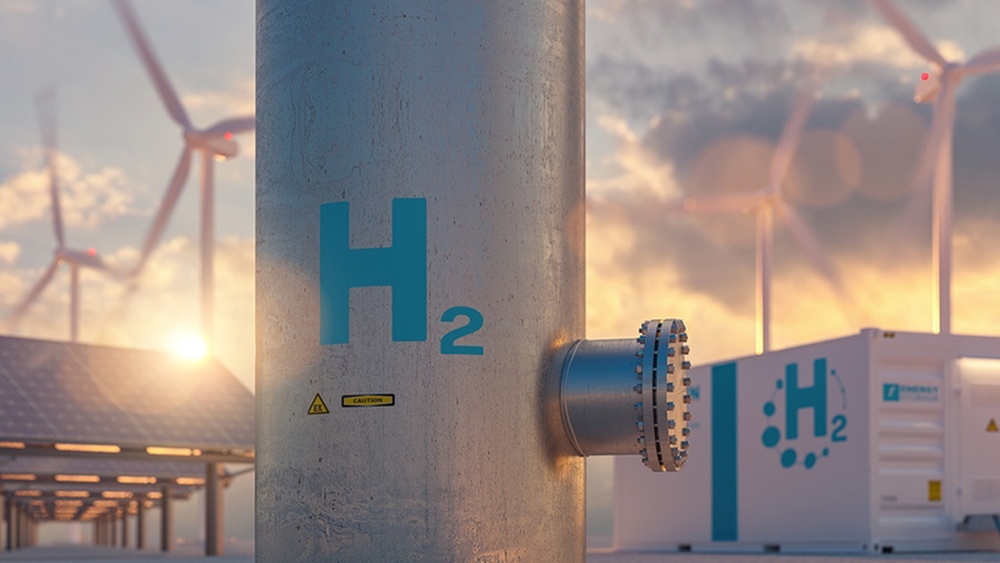
Green hydrogen is being integrated directly with solar and wind farms. Excess renewable energy that would otherwise be wasted is used to produce hydrogen, which can be stored and used later. This creates a flexible, resilient energy system.
In Australia, the Asian Renewable Energy Hub plans to generate 26 gigawatts of wind and solar power, much of it for hydrogen production. Similar projects are underway in Europe, the Middle East, and North America.
Hydrogen Storage and Distribution
Storing and transporting hydrogen remains a challenge, but new solutions are emerging. Liquid organic hydrogen carriers (LOHCs), solid-state storage, and underground salt caverns are all being tested.
Pipelines are also being retrofitted or built new to carry hydrogen. In the Netherlands, the HyDeploy project is blending hydrogen into the natural gas grid, a step toward full hydrogen networks.
Applications: From Vehicles to Data Centers
Hydrogen fuel cells are no longer niche—they’re being deployed across industries.
Transportation
Heavy-duty vehicles are leading the charge. Trucks, buses, and trains need long range and fast refueling—something batteries struggle with. Companies like Nikola, Hyzon, and Volvo are launching hydrogen-powered trucks for freight and logistics.
In maritime shipping, the world’s first hydrogen-fueled ferry, the *Sea Change*, is operating in California. Airbus is also developing hydrogen-powered aircraft, with test flights expected by 2026.
Stationary Power
Fuel cells are providing backup and primary power for critical infrastructure. Google, Apple, and Amazon are using hydrogen fuel cells to power data centers, reducing reliance on diesel generators.
In remote areas, fuel cells combined with solar panels offer a reliable off-grid solution. In Alaska, hydrogen systems are powering villages without access to the main grid.
Industrial Use
Industries like steel, chemicals, and refining are turning to hydrogen to decarbonize. Fuel cells can replace fossil fuels in high-heat processes, while green hydrogen can serve as a clean feedstock.
Global Policy and Investment Trends
Governments are backing hydrogen with serious funding. The U.S. Inflation Reduction Act includes $9.5 billion for clean hydrogen. The European Union’s Hydrogen Strategy aims for 40 gigawatts of electrolyzers by 2030. Japan and South Korea are also investing heavily.
These policies are driving innovation, building infrastructure, and creating markets. Public-private partnerships are accelerating deployment, from hydrogen refueling stations to industrial hubs.
Challenges and the Road Ahead
Despite progress, challenges remain. Hydrogen is still more expensive than fossil fuels in many regions. Infrastructure is limited. Public awareness is low.
But the momentum is undeniable. With continued innovation, investment, and collaboration, hydrogen fuel cells will play a central role in the clean energy future.
Conclusion: A Clean Energy Future Powered by Hydrogen
The latest advancements in hydrogen fuel cell technology are transforming what was once a futuristic concept into a practical, scalable solution. From smarter catalysts to greener production methods, every breakthrough brings us closer to a world powered by clean, abundant energy.
Hydrogen isn’t just an alternative—it’s a necessity for decarbonizing the hardest-to-abate sectors. And with global support growing, the hydrogen economy is no longer a question of “if,” but “when.”
As consumers, businesses, and policymakers embrace this technology, we’re not just adopting a new fuel—we’re building a more sustainable future, one fuel cell at a time.
Frequently Asked Questions
What is a hydrogen fuel cell?
A hydrogen fuel cell is an electrochemical device that converts hydrogen and oxygen into electricity, water, and heat. It produces clean energy with no harmful emissions, making it a key technology for sustainable power.
How efficient are modern hydrogen fuel cells?
Thanks to recent advancements, modern hydrogen fuel cells can achieve efficiencies of over 60%—higher than internal combustion engines and competitive with battery-electric systems in many applications.
Is hydrogen fuel safe?
Yes, hydrogen is safe when handled properly. It’s lighter than air and disperses quickly if leaked. Modern fuel cells and storage systems include multiple safety features, and hydrogen has been used safely in industry for decades.
Can hydrogen fuel cells power homes?
Absolutely. Stationary hydrogen fuel cells can provide primary or backup power for homes, especially in remote areas or during grid outages. They’re quiet, reliable, and produce zero emissions.
What is green hydrogen?
Green hydrogen is hydrogen produced by electrolyzing water using renewable electricity from sources like wind or solar. It’s the cleanest form of hydrogen, with no carbon emissions during production.
Are hydrogen fuel cells better than batteries?
It depends on the application. Batteries are great for short-range vehicles and grid storage, but hydrogen fuel cells excel in long-range transport, heavy industry, and situations requiring fast refueling and high energy density.