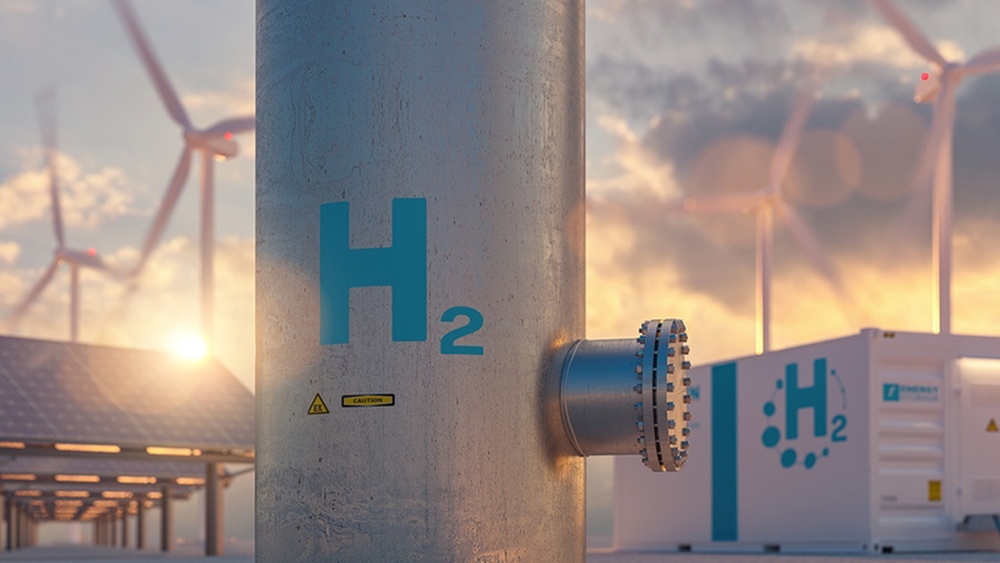
The development of hydrogen fuel stations is accelerating globally as a key solution for decarbonizing transportation. These stations support fuel cell electric vehicles (FCEVs), offering fast refueling and zero tailpipe emissions, making them a vital part of the clean energy transition.
Imagine pulling up to a fuel station, but instead of gasoline or diesel, you’re filling your car with hydrogen. In just a few minutes, your vehicle is ready to go—emitting nothing but water vapor from the tailpipe. This isn’t science fiction. It’s happening right now, thanks to the rapid development of hydrogen fuel stations around the world.
Hydrogen fuel stations are emerging as a cornerstone of the clean transportation revolution. As nations strive to meet climate goals and reduce dependence on fossil fuels, hydrogen offers a promising path forward—especially for vehicles that need long range and quick refueling. Unlike battery-electric vehicles, which can take hours to recharge, hydrogen-powered cars refuel in minutes, making them ideal for drivers who value convenience and efficiency.
But building a network of hydrogen fuel stations isn’t just about installing pumps. It involves complex engineering, safety protocols, regulatory approvals, and significant investment. From production and storage to distribution and dispensing, every step must be carefully designed to ensure reliability and safety. Yet, despite the challenges, momentum is building. Governments, automakers, and energy companies are joining forces to make hydrogen refueling as common as filling up with gas.
Key Takeaways
- Hydrogen fuel stations enable zero-emission transportation: They power fuel cell electric vehicles (FCEVs) that emit only water vapor, reducing air pollution and greenhouse gas emissions.
- Global expansion is underway: Countries like Japan, Germany, the U.S., and South Korea are investing heavily in hydrogen infrastructure to support clean mobility.
- Refueling is fast and convenient: Hydrogen vehicles can be refueled in 3–5 minutes, similar to gasoline cars, offering a practical alternative to battery-electric vehicles.
- Challenges include high costs and infrastructure gaps: Building stations is expensive, and the network is still limited, but costs are expected to drop with scale and innovation.
- Green hydrogen is the goal: The most sustainable stations use hydrogen produced from renewable energy, minimizing the carbon footprint of the entire fuel cycle.
- Public-private partnerships drive progress: Governments and companies are collaborating to fund, build, and operate hydrogen stations, accelerating adoption.
- Hydrogen supports heavy-duty transport: Trucks, buses, and trains benefit from hydrogen’s high energy density, making stations essential for decarbonizing freight and public transit.
📑 Table of Contents
The Rise of Hydrogen as a Clean Fuel
Hydrogen has long been recognized as a versatile energy carrier, but its role in transportation is relatively new. For decades, it was used primarily in industrial processes like oil refining and ammonia production. However, advancements in fuel cell technology have unlocked its potential as a clean fuel for vehicles.
A fuel cell electric vehicle (FCEV) uses hydrogen to generate electricity through a chemical reaction with oxygen, producing only water and heat as byproducts. This makes FCEVs truly zero-emission at the tailpipe. Unlike battery-electric vehicles (BEVs), which rely on large, heavy batteries, FCEVs store energy in compressed hydrogen gas, allowing for longer ranges and faster refueling.
The appeal of hydrogen is especially strong in sectors where battery weight and charging time are limiting factors. Long-haul trucks, city buses, delivery vans, and even trains are prime candidates for hydrogen power. For example, the Port of Los Angeles has deployed hydrogen-powered drayage trucks to reduce emissions in one of the busiest freight hubs in the U.S.
Why Hydrogen Over Other Clean Fuels?
While electric vehicles dominate the clean mobility conversation, hydrogen offers unique advantages. First, refueling time is a major benefit. A hydrogen car can be filled in under five minutes—comparable to a gasoline vehicle—while even the fastest EV chargers take at least 20–30 minutes for an 80% charge.
Second, hydrogen has a high energy density by weight. This means vehicles can carry more energy without adding excessive weight, which is crucial for heavy-duty applications. A battery-powered semi-truck would need a massive, heavy battery pack to match the range of a diesel truck, reducing cargo capacity. Hydrogen avoids this trade-off.
Third, hydrogen can be produced from a variety of sources, including natural gas, biomass, and—most importantly—renewable electricity through electrolysis. When made with wind, solar, or hydropower, this “green hydrogen” has a minimal carbon footprint, making it a truly sustainable fuel.
How Hydrogen Fuel Stations Work
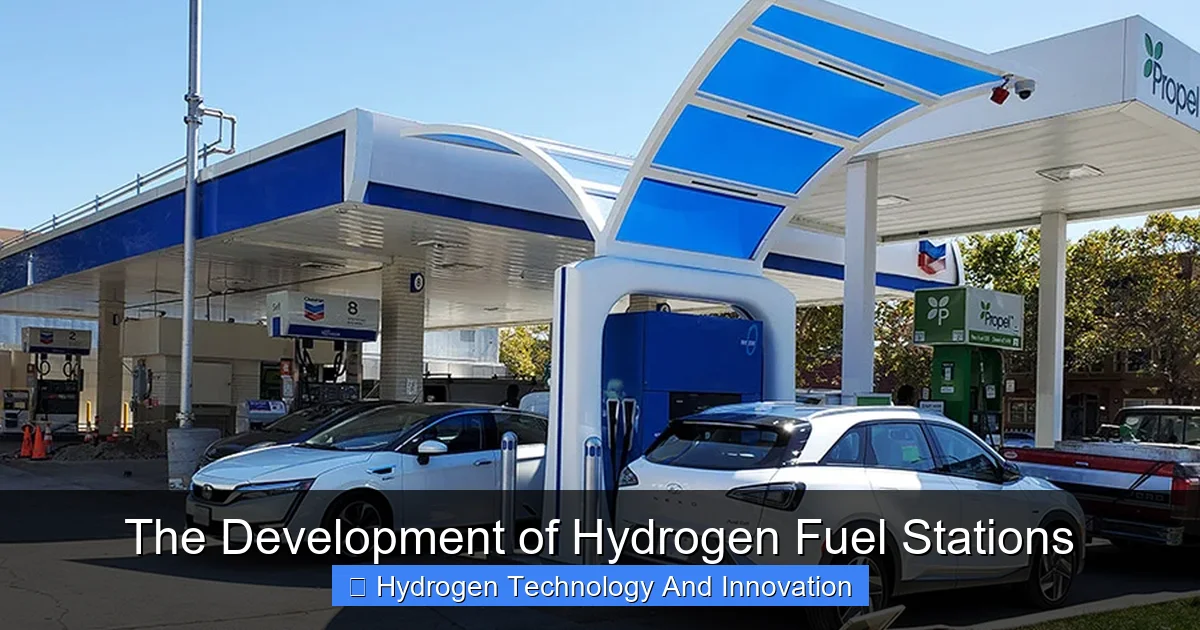
Visual guide about The Development of Hydrogen Fuel Stations
Image source: cafcp.org
A hydrogen fuel station may look similar to a traditional gas station, but the technology behind it is far more advanced. These stations must safely store, compress, and dispense hydrogen gas under high pressure—typically 350 or 700 bar—depending on the vehicle type.
The process begins with hydrogen supply. Most stations today receive hydrogen via tube trailers from centralized production facilities. However, on-site production is becoming more common, especially in areas with access to renewable energy. Electrolyzers can split water into hydrogen and oxygen using electricity, allowing stations to generate fuel locally.
Once delivered or produced, hydrogen is stored in high-pressure tanks. These tanks are designed with multiple safety layers to prevent leaks or ruptures. Advanced monitoring systems continuously check for pressure changes, temperature fluctuations, and potential hazards.
Before dispensing, hydrogen is compressed to the required pressure. Dispensers are equipped with cooling systems to prevent overheating during fast fill-ups, which can cause thermal expansion and safety risks. The nozzle connects to the vehicle’s tank via a secure coupling, and the fuel is transferred in a matter of minutes.
Safety Measures and Standards
Safety is a top priority in hydrogen fuel station design. Hydrogen is flammable and lighter than air, so it disperses quickly if leaked—unlike gasoline fumes, which can pool. Still, strict protocols are in place to prevent accidents.
Stations are built with explosion-proof equipment, ventilation systems, and flame arrestors. Sensors detect hydrogen leaks and automatically shut down operations if levels exceed safe thresholds. Dispensers include emergency stop buttons and automatic shutoff valves.
International standards, such as those from the Society of Automotive Engineers (SAE) and the International Organization for Standardization (ISO), govern the design and operation of hydrogen stations. These ensure compatibility between vehicles and infrastructure and promote global interoperability.
Global Expansion of Hydrogen Fuel Stations
The development of hydrogen fuel stations is gaining pace worldwide, driven by government policies, corporate investment, and growing demand for clean transportation.
Japan has been a pioneer in hydrogen infrastructure. The country aims to become a “hydrogen society,” with over 160 hydrogen stations operating as of 2023. Toyota, a major advocate for FCEVs, has deployed thousands of Mirai sedans and is expanding into hydrogen-powered trucks and buses.
South Korea is another leader, with plans to build 1,200 hydrogen stations by 2040. The government offers subsidies for both station construction and vehicle purchases, accelerating adoption. Hyundai’s NEXO SUV is one of the most popular FCEVs on the market.
In Europe, Germany is at the forefront with its H2 Mobility initiative, a public-private partnership aiming for 1,000 stations by 2030. France, the Netherlands, and the UK are also investing heavily. The European Union’s Green Deal includes hydrogen as a key pillar of its clean energy strategy.
The United States has seen slower growth but is catching up. California leads the way with over 60 operational stations, primarily serving the Bay Area and Los Angeles. The state’s Zero-Emission Vehicle (ZEV) mandate and clean fuel programs provide strong incentives. The Inflation Reduction Act of 2022 includes tax credits for hydrogen production and infrastructure, boosting investment.
Regional Spotlight: California’s Hydrogen Network
California is the epicenter of hydrogen fuel station development in the U.S. The California Fuel Cell Partnership, a coalition of automakers, energy companies, and government agencies, has been instrumental in planning and deploying stations.
Stations are strategically located along major highways and in urban centers to support both passenger vehicles and fleet operations. For example, the station in Sacramento serves state government vehicles, while others support ride-sharing and delivery services.
One innovative approach is the use of mobile refuelers—trucks that deliver hydrogen to locations without permanent stations. This helps bridge the gap in underserved areas and supports early adopters.
Challenges in Building Hydrogen Infrastructure
Despite progress, the development of hydrogen fuel stations faces several hurdles. The most significant is cost. Building a single station can cost between $1 million and $3 million, depending on size and technology. This is far more than a typical gas station or even a fast-charging EV station.
High costs stem from the need for specialized equipment, safety systems, and compliance with regulations. Compressors, storage tanks, and dispensers must meet stringent standards, driving up prices. Additionally, hydrogen is expensive to produce and transport, especially if not made on-site.
Another challenge is the “chicken-and-egg” problem: automakers are hesitant to produce FCEVs without a robust refueling network, while investors are reluctant to build stations without enough vehicles on the road. This creates a barrier to scale.
Public awareness is also limited. Many consumers are unfamiliar with hydrogen vehicles and may have concerns about safety or performance. Education and outreach are essential to build trust and encourage adoption.
Overcoming the Cost Barrier
To reduce costs, stakeholders are exploring several strategies. One is standardization—using common designs and components across stations to streamline manufacturing and installation. Modular stations, which can be expanded as demand grows, offer flexibility and lower upfront investment.
Another approach is co-location. Some hydrogen stations are built alongside existing gas stations or EV charging hubs, sharing land and utilities. This reduces real estate costs and leverages existing customer traffic.
Government incentives play a crucial role. Grants, tax credits, and low-interest loans help offset capital expenses. In California, the Clean Transportation Program funds up to 50% of station construction costs. Similar programs exist in Europe and Asia.
Finally, scaling up production of hydrogen equipment will drive down prices. As more stations are built, manufacturers can achieve economies of scale, just as happened with solar panels and batteries.
The Role of Green Hydrogen
Not all hydrogen is created equal. The environmental benefits of hydrogen fuel stations depend heavily on how the hydrogen is produced.
Currently, about 95% of hydrogen is made from natural gas through a process called steam methane reforming (SMR). While this is cheaper, it releases carbon dioxide, undermining the climate benefits. This “gray hydrogen” is not sustainable in the long term.
“Blue hydrogen” captures and stores the CO2 emissions from SMR, reducing its carbon footprint. However, it still relies on fossil fuels and is not zero-emission.
The ideal solution is “green hydrogen,” produced by electrolysis using renewable electricity. When powered by wind, solar, or hydropower, this method emits no greenhouse gases. Green hydrogen is the cornerstone of a truly clean hydrogen economy.
On-Site Production and Renewable Integration
Many new hydrogen fuel stations are incorporating on-site electrolyzers to produce green hydrogen. This eliminates the need for transportation and reduces emissions from delivery.
For example, the station in Fukushima, Japan, uses solar power to generate hydrogen, showcasing how renewable energy and hydrogen infrastructure can work together. In Germany, some stations are connected to wind farms, using excess electricity during off-peak hours to produce fuel.
Energy storage is another benefit. Hydrogen can store surplus renewable energy for days or weeks, helping balance the grid. During periods of low wind or solar generation, stored hydrogen can be used to generate electricity or refuel vehicles.
Future Outlook and Innovations
The future of hydrogen fuel stations looks promising, with several innovations on the horizon. One trend is the integration of hydrogen with other clean technologies. Some stations are being designed as multi-fuel hubs, offering hydrogen, EV charging, and even battery swapping.
Another innovation is liquid hydrogen (LH2) dispensing. While most stations use compressed gas, liquid hydrogen offers higher energy density and longer storage times. It’s already used in aerospace and is being tested for transportation. Companies like Linde and Air Liquide are developing LH2 stations for heavy-duty vehicles.
Digitalization is also transforming operations. Smart stations use AI and IoT sensors to monitor performance, predict maintenance needs, and optimize fuel delivery. Mobile apps allow drivers to locate stations, check availability, and pay seamlessly.
Hydrogen Highways and Cross-Border Networks
Long-term, the goal is to create “hydrogen highways”—continuous networks of stations connecting cities and countries. The European Hydrogen Backbone initiative aims to build a continent-wide pipeline system for hydrogen transport, supporting both industry and mobility.
In North America, plans are underway to link hydrogen corridors along major freight routes, such as I-5 on the West Coast and I-70 in the Midwest. These networks will enable long-distance travel for FCEVs and support the decarbonization of trucking.
Conclusion
The development of hydrogen fuel stations represents a critical step toward a sustainable, zero-emission transportation future. While challenges remain—particularly in cost, infrastructure, and public awareness—the momentum is undeniable. With strong government support, private investment, and technological innovation, hydrogen refueling is poised to become as routine as filling up with gas.
From urban buses to cross-country trucks, hydrogen offers a versatile, fast, and clean solution for mobility. As green hydrogen production scales up and station networks expand, we’re moving closer to a world where clean fuel is accessible to all. The road ahead is long, but every new station brings us one step closer to a cleaner planet.
Frequently Asked Questions
How does a hydrogen fuel station work?
A hydrogen fuel station stores, compresses, and dispenses hydrogen gas to vehicles. Hydrogen is either delivered by truck or produced on-site using electrolysis. The gas is compressed to high pressure and dispensed through a nozzle into the vehicle’s tank in just a few minutes.
Are hydrogen fuel stations safe?
Yes, hydrogen fuel stations are designed with multiple safety features, including leak detection, ventilation, and automatic shutoff systems. Hydrogen disperses quickly if leaked, reducing fire risk, and international standards ensure safe operation.
How long does it take to refuel a hydrogen car?
Refueling a hydrogen vehicle takes about 3 to 5 minutes, similar to gasoline cars. This is much faster than charging a battery-electric vehicle, making hydrogen ideal for drivers who need quick turnaround times.
Where are hydrogen fuel stations located?
Hydrogen stations are currently concentrated in regions with strong clean energy policies, such as California, Japan, South Korea, and parts of Europe. Networks are expanding along major highways and in urban centers to support passenger and fleet vehicles.
What is green hydrogen, and why is it important?
Green hydrogen is produced by splitting water using renewable electricity, resulting in zero carbon emissions. It’s essential for making hydrogen fuel truly sustainable and reducing the environmental impact of transportation.
Can hydrogen stations support trucks and buses?
Yes, hydrogen is especially well-suited for heavy-duty vehicles like trucks, buses, and trains due to its high energy density and fast refueling. Many cities and freight operators are adopting hydrogen fleets to cut emissions.