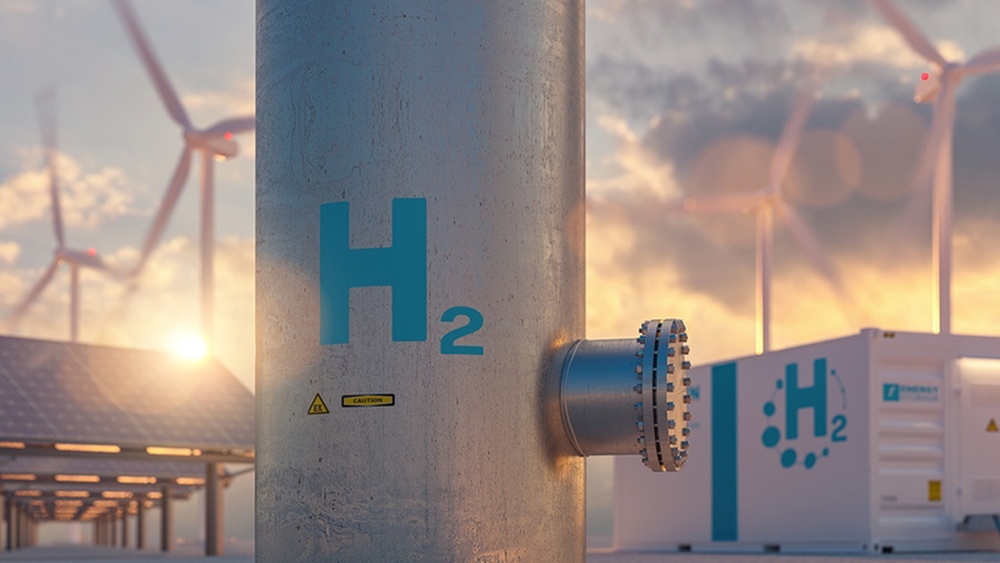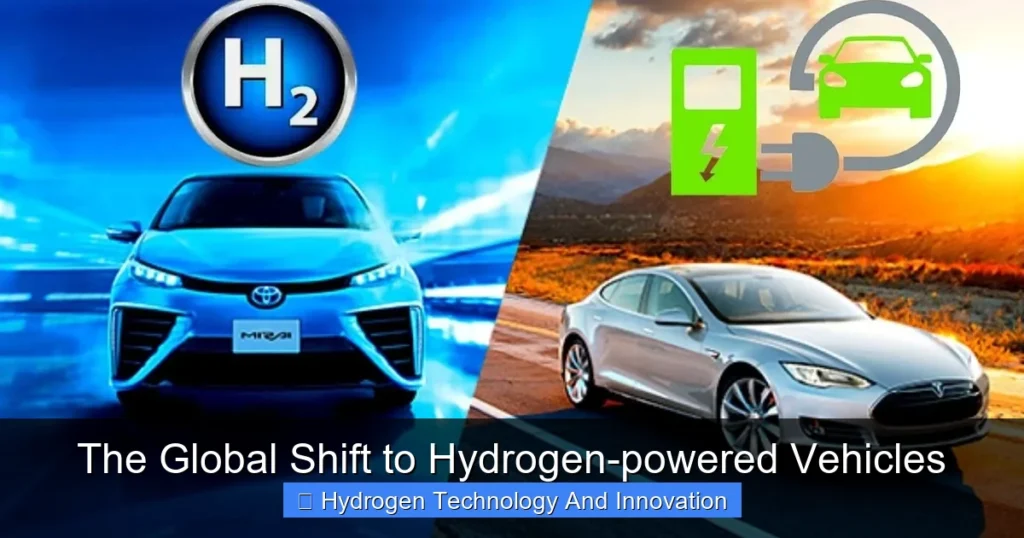
The world is embracing hydrogen-powered vehicles as a sustainable alternative to fossil fuels. With zero emissions, fast refueling, and growing infrastructure, hydrogen technology is paving the way for a cleaner future.
Key Takeaways
- Hydrogen vehicles emit only water vapor: Unlike gasoline cars, hydrogen fuel cell vehicles (FCEVs) produce zero harmful emissions, making them a key player in the fight against climate change.
- Refueling is fast and convenient: Hydrogen cars can be refueled in under 5 minutes—similar to gas-powered vehicles—offering a major advantage over battery electric vehicles (BEVs).
- Global investment is surging: Countries like Japan, South Korea, Germany, and the U.S. are pouring billions into hydrogen infrastructure and vehicle development.
- Heavy-duty transport leads adoption: Trucks, buses, and trains are early adopters due to hydrogen’s high energy density and long-range capabilities.
- Green hydrogen is the future: Produced using renewable energy, green hydrogen ensures the entire lifecycle of the fuel is sustainable.
- Challenges remain in cost and infrastructure: High production costs and limited refueling stations are hurdles, but innovation and policy support are closing the gap.
- Public-private partnerships are driving progress: Collaborations between automakers, governments, and energy companies are accelerating the shift to hydrogen mobility.
[FEATURED_IMAGE_PLACEHOLDER]
The Global Shift to Hydrogen-powered Vehicles
The world is at a turning point in transportation. For over a century, gasoline and diesel have powered our cars, trucks, and buses. But as climate change accelerates and air pollution worsens, the need for cleaner alternatives has never been more urgent. Enter hydrogen-powered vehicles—a technology that’s no longer a futuristic dream but a growing reality. From sleek sedans to massive freight trucks, hydrogen is emerging as a powerful contender in the race toward sustainable mobility.
Unlike battery electric vehicles (BEVs), which rely on large, heavy batteries and long charging times, hydrogen fuel cell vehicles (FCEVs) generate electricity on board using hydrogen gas. This process produces only water vapor as a byproduct—no carbon dioxide, no smog-forming pollutants. And because refueling takes just a few minutes, FCEVs offer a driving experience that feels familiar to traditional car owners. As governments, automakers, and energy companies invest heavily in this technology, the global shift to hydrogen-powered vehicles is gaining momentum faster than many expected.
This transformation isn’t happening in isolation. Countries around the world are setting ambitious climate goals, and hydrogen is playing a central role in meeting them. Whether it’s Japan’s vision for a “hydrogen society” or the European Union’s Hydrogen Strategy, nations are aligning policies, funding research, and building infrastructure to support a hydrogen-powered future. At the same time, breakthroughs in fuel cell efficiency, hydrogen production, and storage are making the technology more viable and affordable. The result? A transportation revolution that’s not just cleaner, but smarter and more resilient.
How Hydrogen-powered Vehicles Work
To understand why hydrogen vehicles are gaining traction, it helps to know how they work. At the heart of every FCEV is a fuel cell stack—a device that converts hydrogen gas into electricity through a chemical reaction. Here’s a simple breakdown of the process:
The Fuel Cell: The Engine of the Future
Inside the fuel cell, hydrogen gas (H₂) is fed into the anode side, while oxygen from the air enters the cathode. A catalyst—usually platinum—splits the hydrogen atoms into protons and electrons. The protons pass through a special membrane to the cathode, while the electrons are forced to travel through an external circuit, creating an electric current. This electricity powers the vehicle’s motor. At the cathode, the protons, electrons, and oxygen combine to form water (H₂O), which is released as harmless vapor.
This process is incredibly efficient and produces no greenhouse gases during operation. Unlike internal combustion engines, which waste a lot of energy as heat, fuel cells convert up to 60% of the energy in hydrogen into usable power—nearly double the efficiency of gasoline engines.
Hydrogen Storage: Safe and Compact
One of the biggest challenges with hydrogen is storing it safely and efficiently. Because hydrogen is the lightest element, it needs to be compressed or cooled to take up less space. Most FCEVs store hydrogen in high-pressure tanks—typically at 700 bar (about 10,000 psi)—which allows them to carry enough fuel for a range of 300 to 400 miles on a single tank.
Modern hydrogen tanks are made from advanced composite materials like carbon fiber, making them strong, lightweight, and safe. In fact, they’re designed to withstand extreme conditions, including crashes and fires. Automakers like Toyota and Hyundai have rigorously tested their hydrogen tanks, and they meet or exceed international safety standards.
Refueling: Fast and Familiar
One of the biggest advantages of hydrogen vehicles is how quickly they can be refueled. At a hydrogen station, the process is similar to filling up at a gas station—just connect the nozzle, and in 3 to 5 minutes, the tank is full. This is a major benefit over BEVs, which can take 30 minutes to several hours to recharge, depending on the charger type.
For drivers who value convenience—especially long-haul truckers, taxi operators, and fleet managers—this speed is a game-changer. It means less downtime and more productivity, making hydrogen a practical choice for commercial and public transportation.
Global Adoption: Where Hydrogen is Taking Off
The shift to hydrogen-powered vehicles isn’t uniform across the globe. Some countries are leading the charge, while others are still in the early stages of development. But the trend is clear: hydrogen is becoming a key part of the clean transportation mix.
Asia: The Pioneer of Hydrogen Mobility
Japan and South Korea are at the forefront of hydrogen adoption. Japan’s government has long championed hydrogen as a cornerstone of its energy strategy. The country aims to become a “hydrogen society” by 2050, with plans to have 800,000 FCEVs on the road and 900 hydrogen refueling stations by 2030.
Toyota, the creator of the Mirai—one of the world’s first mass-produced hydrogen cars—has been a driving force behind this vision. The Mirai, now in its second generation, offers a sleek design, smooth performance, and a range of over 400 miles. South Korea is equally ambitious. Hyundai’s NEXO SUV is a popular FCEV, and the government has committed $2.7 billion to expand hydrogen infrastructure and support domestic production.
China is also investing heavily in hydrogen, particularly for heavy-duty transport. The country has the world’s largest fleet of hydrogen-powered buses and is rapidly building refueling stations along major freight corridors. With its vast manufacturing capacity and strong government backing, China could become a global leader in hydrogen technology.
Europe: Building a Hydrogen Highway
The European Union has made hydrogen a central pillar of its Green Deal, aiming for climate neutrality by 2050. The EU’s Hydrogen Strategy outlines plans to install 40 gigawatts of electrolyzer capacity by 2030—enough to produce 10 million tons of green hydrogen annually.
Countries like Germany, France, and the Netherlands are leading the way. Germany has launched the H2 Mobility initiative, a public-private partnership that’s building a nationwide network of hydrogen stations. As of 2023, over 100 stations are operational, with plans to reach 400 by 2025. France is focusing on hydrogen trains, with Alstom’s Coradia iLint becoming the world’s first hydrogen-powered passenger train, now running in several regions.
The UK is also making strides. The government has pledged £2 billion to support hydrogen projects, and companies like Riversimple are developing lightweight hydrogen cars for urban use. Meanwhile, Scandinavian countries are exploring hydrogen ferries and cargo ships to decarbonize maritime transport.
North America: Catching Up with Momentum
The United States has been slower to adopt hydrogen vehicles compared to Asia and Europe, but momentum is building. California is the epicenter of FCEV activity in the U.S., with over 50 hydrogen stations and incentives for buyers. The state offers rebates of up to $5,000 for new hydrogen cars and has set a goal of 200 stations by 2025.
Automakers like Toyota, Hyundai, and Honda continue to offer FCEVs in California, and startups like Nikola are developing hydrogen-powered trucks for freight. The Inflation Reduction Act of 2022 also includes tax credits for clean hydrogen production, which could lower costs and boost adoption.
Canada is investing in hydrogen for heavy industry and transportation. The country’s Hydrogen Strategy aims to make Canada a top global supplier of clean hydrogen, with projects in Alberta and Quebec leading the way. Canadian companies like Ballard Power Systems are supplying fuel cells for buses and trucks worldwide.
Green Hydrogen: The Key to Sustainability
For hydrogen-powered vehicles to truly be “clean,” the hydrogen itself must be produced sustainably. Right now, most hydrogen is made from natural gas through a process called steam methane reforming (SMR), which releases carbon dioxide. This “gray hydrogen” undermines the environmental benefits of FCEVs.
The solution? Green hydrogen—produced using renewable energy like wind, solar, or hydroelectric power to split water into hydrogen and oxygen via electrolysis. This process emits no CO₂ and creates a truly carbon-neutral fuel.
The Rise of Electrolyzers
Electrolyzers are the machines that make green hydrogen possible. As renewable energy costs fall and technology improves, electrolyzers are becoming more efficient and affordable. Companies like Siemens Energy, ITM Power, and Plug Power are scaling up production to meet growing demand.
Large-scale green hydrogen projects are already underway. In Australia, the Asian Renewable Energy Hub plans to use solar and wind power to produce hydrogen for export. In Saudi Arabia, the NEOM project aims to build the world’s largest green hydrogen plant, powered entirely by renewables.
Policy and Investment Driving Growth
Governments are offering incentives to accelerate green hydrogen production. The U.S. Department of Energy’s “Hydrogen Shot” initiative aims to reduce the cost of clean hydrogen to $1 per kilogram within a decade. The EU has launched the European Clean Hydrogen Alliance to coordinate investment and innovation.
Private investment is also surging. Energy giants like Shell, BP, and TotalEnergies are entering the hydrogen market, building electrolyzer facilities and partnering with automakers. Venture capital firms are funding startups that focus on hydrogen storage, distribution, and fuel cell technology.
Challenges and Solutions on the Road Ahead
Despite the promise of hydrogen-powered vehicles, several challenges remain. Addressing these hurdles is essential for widespread adoption.
High Production and Distribution Costs
Green hydrogen is still more expensive than gray hydrogen or fossil fuels. Electrolyzers, renewable energy, and infrastructure require significant upfront investment. However, costs are falling rapidly. According to the International Energy Agency (IEA), green hydrogen could become cost-competitive by 2030 with continued innovation and scale.
One solution is to co-locate hydrogen production with renewable energy sources, reducing transmission losses and costs. Another is to use excess renewable power during off-peak hours to produce hydrogen, turning surplus energy into a valuable fuel.
Limited Refueling Infrastructure
One of the biggest barriers to FCEV adoption is the lack of hydrogen stations. Building a station costs $1–2 million, and they require specialized equipment and safety protocols. But progress is being made. Countries are offering grants and subsidies to encourage private investment in infrastructure.
Mobile refueling units and hydrogen trailers are also helping bridge the gap, especially in rural or remote areas. As demand grows, economies of scale will make stations more affordable and widespread.
Public Awareness and Education
Many people still don’t know how hydrogen vehicles work or believe they’re unsafe. Public education campaigns, test-drive events, and partnerships with schools and communities can help build trust and familiarity.
Automakers are also improving vehicle design and user experience. Modern FCEVs are quiet, smooth, and packed with tech features—just like their electric and gasoline counterparts.
The Future of Hydrogen Transportation
The global shift to hydrogen-powered vehicles is not just about cars. It’s part of a broader transformation in how we move people and goods. Hydrogen’s high energy density and fast refueling make it ideal for applications where batteries fall short—like long-haul trucking, aviation, and shipping.
Companies like Airbus are developing hydrogen-powered aircraft, with plans for zero-emission flights by 2035. Shipping giants like Maersk are exploring hydrogen and ammonia as marine fuels. Even the U.S. military is testing hydrogen-powered drones and vehicles for logistics and reconnaissance.
As technology advances and costs decline, hydrogen could become the fuel of choice for a wide range of transportation modes. And with continued support from governments, industry, and consumers, the dream of a clean, hydrogen-powered world is within reach.
Conclusion
The global shift to hydrogen-powered vehicles is more than a trend—it’s a necessary evolution in the fight against climate change. With zero emissions, fast refueling, and growing support from governments and industry, hydrogen offers a practical and sustainable path forward. While challenges remain, innovation and collaboration are turning obstacles into opportunities.
From Japan’s hydrogen highways to Europe’s green energy corridors, the momentum is undeniable. As green hydrogen production scales up and infrastructure expands, hydrogen vehicles will become more accessible and affordable. The future of transportation isn’t just electric—it’s hydrogen-powered, and it’s arriving faster than we think.
How do hydrogen-powered vehicles compare to electric vehicles?
Hydrogen vehicles offer faster refueling and longer range than most battery electric vehicles, making them ideal for long-distance travel and heavy-duty applications. However, BEVs currently have a more developed charging network and lower operating costs.
Are hydrogen cars safe?
Yes, hydrogen cars are designed with multiple safety features, including reinforced tanks, leak detection systems, and automatic shut-off valves. They undergo rigorous testing and meet international safety standards.
Where can I refuel a hydrogen car?
Hydrogen refueling stations are currently concentrated in regions like California, Japan, South Korea, and parts of Europe. The network is expanding, with new stations opening regularly in urban and industrial areas.
What is green hydrogen, and why is it important?
Green hydrogen is produced using renewable energy to split water into hydrogen and oxygen. It’s important because it ensures the entire lifecycle of the fuel is carbon-free, making hydrogen vehicles truly sustainable.
Can hydrogen be used in trucks and buses?
Yes, hydrogen is especially well-suited for heavy-duty vehicles due to its high energy density and quick refueling. Many cities and logistics companies are already using hydrogen-powered buses and trucks.
Will hydrogen vehicles become affordable?
As production scales up and technology improves, the cost of hydrogen vehicles and fuel is expected to decline. Government incentives and falling renewable energy prices will also help make hydrogen more affordable in the coming decade.
This is a comprehensive guide about The global shift to hydrogen-powered vehicles.
Key Takeaways
- Understanding The global shift to hydrogen-powered vehicles: Provides essential knowledge
Frequently Asked Questions
What is The global shift to hydrogen-powered vehicles?
The global shift to hydrogen-powered vehicles is an important topic with many practical applications.