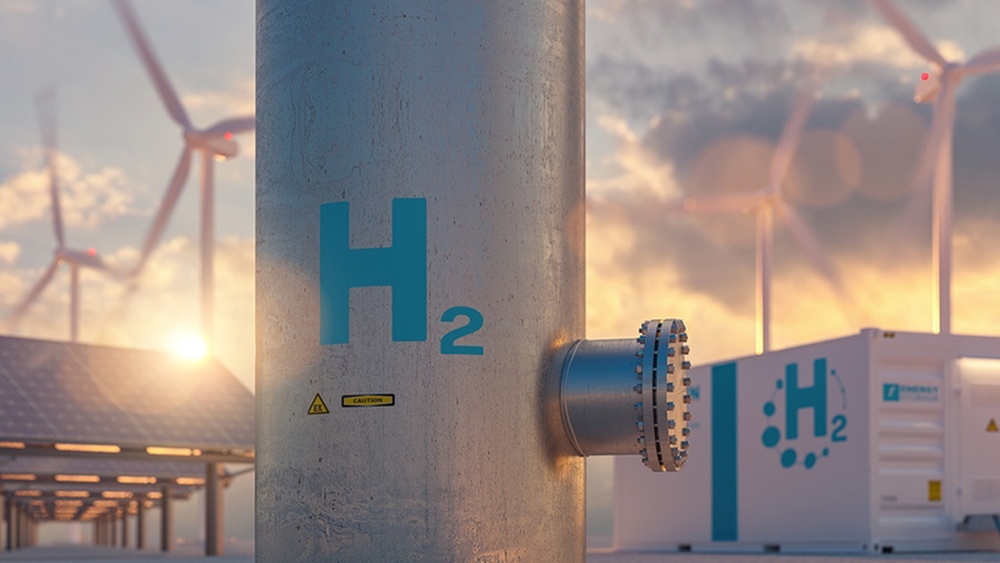
Hydrogen is emerging as a powerful tool in the global effort to cut greenhouse gas emissions. From clean energy storage to decarbonizing heavy industry, this versatile fuel offers a low-carbon alternative to fossil fuels. With the right infrastructure and innovation, hydrogen can play a central role in building a sustainable future.
Key Takeaways
- Hydrogen produces only water when used as fuel: Unlike fossil fuels, hydrogen combustion or use in fuel cells emits no carbon dioxide, making it a clean energy carrier.
- Green hydrogen is key to sustainability: Produced using renewable electricity, green hydrogen is the most environmentally friendly form and essential for deep decarbonization.
- Hydrogen can decarbonize hard-to-abate sectors: Industries like steel, cement, and shipping rely on high-heat processes that are difficult to electrify—hydrogen offers a viable low-carbon solution.
- Energy storage and grid balancing: Hydrogen can store excess renewable energy, helping stabilize power grids and support 24/7 clean energy access.
- Transportation is a growing application: Fuel cell electric vehicles (FCEVs) powered by hydrogen offer long range and fast refueling, ideal for trucks, buses, and trains.
- Global momentum is building: Countries like Germany, Japan, and Australia are investing heavily in hydrogen infrastructure and policy frameworks to scale adoption.
- Challenges remain in cost and infrastructure: While promising, hydrogen technology needs continued innovation and investment to become cost-competitive and widely accessible.
📑 Table of Contents
- Introduction: A Clean Fuel for a Changing World
- Understanding Hydrogen: Types and Production Methods
- Hydrogen in Industry: Decarbonizing Hard-to-Abate Sectors
- Hydrogen in Transportation: Powering the Future of Mobility
- Hydrogen for Energy Storage and Grid Stability
- Global Momentum and Policy Support
- Challenges and the Path Forward
- Conclusion: Hydrogen as a Pillar of Climate Action
Introduction: A Clean Fuel for a Changing World
Imagine a world where factories run without spewing smoke, where trucks and ships travel long distances without polluting the air, and where homes and businesses are powered by energy that leaves no carbon footprint. That future isn’t just a dream—it’s becoming more realistic every day, thanks in large part to hydrogen. As nations around the globe race to meet climate goals and reduce greenhouse gas emissions, hydrogen is stepping into the spotlight as a versatile, clean energy solution.
Hydrogen is the most abundant element in the universe, but here on Earth, it doesn’t exist in pure form. Instead, it’s found in compounds like water (H₂O) and hydrocarbons. The real magic happens when we extract hydrogen and use it as a fuel. When hydrogen is used in a fuel cell or burned, the only byproduct is water—no carbon dioxide, no harmful emissions. This makes it an incredibly attractive option for replacing fossil fuels in sectors that are notoriously difficult to decarbonize.
But not all hydrogen is created equal. The environmental benefits depend heavily on how it’s produced. That’s why understanding the different types of hydrogen—and how they fit into the broader energy transition—is crucial. From green hydrogen made with renewable energy to blue hydrogen produced from natural gas with carbon capture, the path to a low-carbon future involves smart choices and strategic investments.
Understanding Hydrogen: Types and Production Methods
Visual guide about The Role of Hydrogen in Reducing Greenhouse Gas Emissions
Image source: img.freepik.com
To appreciate hydrogen’s role in reducing greenhouse gas emissions, it’s important to first understand how it’s made. Hydrogen production methods vary widely in terms of cost, efficiency, and environmental impact. The color-coded system—gray, blue, green, and even pink and turquoise—helps distinguish between them based on the energy source and emissions involved.
Gray Hydrogen: The Current Standard
Currently, about 95% of the world’s hydrogen is produced using fossil fuels, primarily through a process called steam methane reforming (SMR). In this method, natural gas (mostly methane) is heated with steam to produce hydrogen and carbon dioxide. This is known as gray hydrogen. While it’s the cheapest and most common method, it’s also the most polluting—releasing up to 10 kilograms of CO₂ for every kilogram of hydrogen produced.
Because of its high carbon footprint, gray hydrogen is not a long-term solution for climate goals. However, it serves as a starting point for many industries already using hydrogen, such as oil refining and ammonia production.
Blue Hydrogen: A Transitional Step
Blue hydrogen is essentially gray hydrogen with a twist: the carbon dioxide produced during production is captured and stored underground using carbon capture and storage (CCS) technology. This can reduce emissions by up to 90%, making blue hydrogen a lower-carbon alternative.
Countries like the UK and Canada are investing in blue hydrogen projects as a bridge toward full decarbonization. For example, the H21 project in the UK aims to convert an entire city’s gas network to hydrogen, using blue hydrogen as an interim solution. While not zero-emission, blue hydrogen can help industries reduce their carbon footprint while green infrastructure scales up.
Green Hydrogen: The Gold Standard
Green hydrogen is produced by splitting water into hydrogen and oxygen using electrolysis—a process powered entirely by renewable energy like wind, solar, or hydropower. Because no fossil fuels are used and no CO₂ is emitted, green hydrogen is considered the most sustainable form.
Although currently more expensive than gray or blue hydrogen, costs are falling rapidly. According to the International Renewable Energy Agency (IRENA), the cost of green hydrogen could drop by up to 60% by 2030 as renewable energy prices continue to decline and electrolyzer technology improves. Projects like the HyDeal Ambition initiative in Europe aim to produce green hydrogen at scale for under $1.50 per kilogram by 2030—making it competitive with fossil-based alternatives.
Other Emerging Types: Pink and Turquoise Hydrogen
Pink hydrogen is produced using nuclear energy to power electrolysis, offering a low-carbon alternative in regions with strong nuclear infrastructure. Turquoise hydrogen, still in early development, uses a process called methane pyrolysis to produce hydrogen and solid carbon (instead of CO₂), potentially offering a cleaner path from natural gas.
While these types are not yet widely deployed, they highlight the diversity of pathways being explored to make hydrogen production cleaner and more efficient.
Hydrogen in Industry: Decarbonizing Hard-to-Abate Sectors
One of the biggest challenges in fighting climate change is reducing emissions from industries that are difficult to electrify. These “hard-to-abate” sectors—like steel, cement, chemicals, and heavy transport—account for a significant portion of global greenhouse gas emissions. Hydrogen offers a unique solution where batteries and direct electrification fall short.
Steel Production: Replacing Coal with Hydrogen
Traditional steelmaking relies on coal as a reducing agent to remove oxygen from iron ore. This process, known as blast furnace-basic oxygen furnace (BF-BOF), emits large amounts of CO₂. In contrast, hydrogen-based direct reduced iron (H-DRI) uses hydrogen gas to reduce iron ore, producing water instead of carbon dioxide.
Companies like SSAB in Sweden, along with partners LKAB and Vattenfall, are leading the way with the HYBRIT project. Their pilot plant has already produced fossil-free steel, and full-scale commercial production is expected by 2030. If widely adopted, hydrogen-based steelmaking could cut global CO₂ emissions from the sector by up to 80%.
Chemical and Fertilizer Production
Ammonia, a key ingredient in fertilizers, is currently produced using gray hydrogen derived from natural gas. Switching to green hydrogen could drastically reduce emissions from this essential industry. Yara, a major fertilizer producer, is piloting green ammonia production in Norway using renewable-powered electrolysis.
Similarly, methanol and other chemicals can be synthesized using green hydrogen and captured CO₂, creating a circular carbon economy. This approach not only reduces emissions but also turns waste into valuable products.
Cement and High-Heat Processes
Cement production requires extremely high temperatures—over 1,400°C—which are typically achieved by burning coal or natural gas. Electrifying these processes is technically challenging and expensive. Hydrogen, however, can burn cleanly at high temperatures, making it a promising alternative.
Pilot projects in Europe are testing hydrogen burners in cement kilns. While still in early stages, these efforts show that hydrogen could play a key role in decarbonizing one of the world’s most carbon-intensive industries.
Hydrogen in Transportation: Powering the Future of Mobility
Transportation is responsible for nearly a quarter of global CO₂ emissions, and while electric vehicles (EVs) are making strides in passenger cars, heavier and longer-range vehicles remain a challenge. Hydrogen fuel cell electric vehicles (FCEVs) offer a compelling solution for trucks, buses, trains, and even ships.
Fuel Cell Electric Vehicles (FCEVs)
FCEVs use hydrogen stored in high-pressure tanks to generate electricity in a fuel cell, powering an electric motor. Unlike battery EVs, which can take hours to recharge, FCEVs can be refueled in just 3–5 minutes—similar to gasoline vehicles. They also offer longer ranges, making them ideal for long-haul trucking and public transit.
Countries like Japan and South Korea are leading the way. Toyota’s Mirai and Hyundai’s NEXO are commercially available FCEVs, and Japan aims to have 800,000 FCEVs on the road by 2030. In the U.S., companies like Nikola and Plug Power are developing hydrogen-powered trucks for freight transport.
Hydrogen Trains and Buses
Rail and bus networks are increasingly turning to hydrogen. In Germany, Alstom’s Coradia iLint—the world’s first hydrogen-powered passenger train—has been running successfully since 2018, replacing diesel trains on non-electrified lines. Similarly, cities like London and Aberdeen are deploying hydrogen buses to reduce urban air pollution.
These vehicles not only cut emissions but also operate quietly and efficiently, improving quality of life in cities.
Maritime and Aviation: The Next Frontier
Shipping and aviation are among the toughest sectors to decarbonize due to their high energy demands and long travel distances. Hydrogen, especially in the form of liquid hydrogen or ammonia (a hydrogen carrier), is being explored as a clean fuel.
The International Maritime Organization (IMO) has set a goal to cut shipping emissions by 50% by 2050. Projects like the HySeas III ferry in Scotland and the Zero Emission Ship project in Norway are testing hydrogen-powered vessels. In aviation, companies like Airbus are developing hydrogen-powered aircraft, with the goal of launching a zero-emission plane by 2035.
While challenges remain—such as fuel storage, safety, and infrastructure—hydrogen is paving the way for cleaner skies and seas.
Hydrogen for Energy Storage and Grid Stability
One of the biggest hurdles in transitioning to renewable energy is intermittency. The sun doesn’t always shine, and the wind doesn’t always blow. This variability can destabilize power grids and lead to energy waste. Hydrogen offers a solution by acting as a long-term, large-scale energy storage medium.
Storing Excess Renewable Energy
When renewable energy generation exceeds demand, instead of curbing production, excess electricity can be used to produce hydrogen via electrolysis. This hydrogen can then be stored underground in salt caverns, depleted gas fields, or pressurized tanks—sometimes for months at a time.
Later, when energy demand rises or renewables are offline, the stored hydrogen can be converted back into electricity using fuel cells or burned in gas turbines. This “power-to-gas-to-power” system helps balance supply and demand, making grids more resilient and efficient.
Seasonal Energy Storage
Unlike batteries, which are best for short-term storage (hours to days), hydrogen can store energy for weeks or even seasons. This is especially valuable in regions with seasonal variations in renewable output—like northern Europe, where solar production drops significantly in winter.
Projects like the HyStock initiative in the Netherlands are exploring large-scale hydrogen storage in salt caverns. Similarly, Australia’s Hydrogen Utility (H2U) is developing a renewable hydrogen hub that will store green hydrogen for use in power generation and export.
Hydrogen in Power Generation
Hydrogen can also be used directly in power plants. Some gas turbines are already being retrofitted to run on a blend of natural gas and hydrogen, with the goal of reaching 100% hydrogen combustion. In the UK, the Keadby Hydrogen Power Station aims to be one of the world’s first large-scale, 100% hydrogen-fired power plants by 2030.
This flexibility allows existing infrastructure to transition gradually, reducing costs and accelerating adoption.
Global Momentum and Policy Support
Governments and international organizations are recognizing hydrogen’s potential and are taking action to support its development. National hydrogen strategies are being rolled out across the globe, backed by funding, research, and regulatory frameworks.
Europe’s Hydrogen Strategy
The European Union launched its Hydrogen Strategy in 2020, aiming to install 40 gigawatts of electrolyzers by 2030 and produce up to 10 million tons of renewable hydrogen annually. The EU is investing billions in hydrogen valleys—regional hubs that integrate production, storage, and use.
Germany, in particular, is a leader. Its National Hydrogen Strategy includes €9 billion in funding and partnerships with countries like Morocco to import green hydrogen.
Asia’s Hydrogen Ambitions
Japan and South Korea have long been proponents of hydrogen. Japan’s Basic Hydrogen Strategy targets 800,000 FCEVs and 900 hydrogen refueling stations by 2030. South Korea plans to produce 5.26 million tons of hydrogen annually by 2040 and become a global hydrogen exporter.
China, the world’s largest hydrogen producer, is also shifting toward green hydrogen. The country’s 14th Five-Year Plan includes support for hydrogen in transportation and industry, with major projects in Inner Mongolia and Xinjiang.
North America and Australia
The U.S. Department of Energy launched the Hydrogen Shot initiative in 2021, aiming to reduce the cost of clean hydrogen to $1 per kilogram in one decade. Canada is investing in hydrogen corridors for heavy transport, while Australia is positioning itself as a major exporter of green hydrogen, leveraging its abundant solar and wind resources.
These global efforts are creating a foundation for a hydrogen economy, driving innovation, and lowering costs through economies of scale.
Challenges and the Path Forward
Despite its promise, hydrogen faces significant challenges that must be addressed to realize its full potential in reducing greenhouse gas emissions.
Cost and Efficiency
Green hydrogen is still more expensive than fossil-based alternatives, primarily due to the high cost of electrolyzers and renewable electricity. While costs are falling, further innovation and scale are needed to make it competitive.
Energy efficiency is another concern. The round-trip efficiency of producing, storing, and using hydrogen is around 30–40%, compared to over 70% for batteries. This means more energy is required to deliver the same amount of usable power.
Infrastructure and Safety
Hydrogen has unique properties—it’s highly flammable, requires high-pressure storage, and can embrittle metals. Building a safe, reliable infrastructure for production, transport, and refueling is complex and expensive.
Pipelines, refueling stations, and storage facilities must be designed and regulated carefully. However, repurposing existing gas infrastructure could reduce costs and accelerate deployment.
Policy and Public Acceptance
Supportive policies—such as carbon pricing, subsidies, and mandates—are essential to level the economic playing field. Public awareness and acceptance are also crucial, especially as hydrogen is often misunderstood due to its association with the Hindenburg disaster.
Education, transparency, and community engagement will be key to building trust and ensuring a just transition.
The Way Forward
The path to a hydrogen-powered future requires collaboration across governments, industries, and communities. Continued investment in R&D, scaling of electrolyzer production, and integration with renewable energy systems will drive down costs and improve performance.
Pilot projects and demonstration hubs can showcase real-world applications and build momentum. International cooperation—such as hydrogen trade agreements and technology sharing—will also accelerate global adoption.
Conclusion: Hydrogen as a Pillar of Climate Action
Hydrogen is not a silver bullet, but it is a powerful tool in the fight against climate change. Its ability to decarbonize industries, store renewable energy, and power clean transportation makes it indispensable in achieving net-zero emissions. From steel mills in Sweden to hydrogen buses in London, real-world examples are proving that a hydrogen future is not only possible—it’s already underway.
The transition won’t happen overnight. It will require sustained effort, innovation, and investment. But with the right mix of technology, policy, and public support, hydrogen can play a central role in building a cleaner, more sustainable world. As we look ahead, one thing is clear: the future of energy isn’t just electric—it’s also hydrogen.
Frequently Asked Questions
What is green hydrogen and why is it important?
Green hydrogen is produced by splitting water using renewable electricity, emitting no carbon dioxide. It’s important because it offers a truly clean fuel option for industries and transport that are hard to decarbonize with electricity alone.
Can hydrogen really replace fossil fuels in heavy industry?
Yes, hydrogen can replace coal and natural gas in high-heat processes like steel and cement production. Projects like HYBRID in Sweden show that hydrogen-based steelmaking is technically feasible and can drastically cut emissions.
Is hydrogen safe to use as a fuel?
Hydrogen is flammable and requires careful handling, but with proper safety measures—like leak detection and ventilation—it can be used safely. Modern fuel cells and storage systems are designed with multiple safety features.
How does hydrogen help with renewable energy storage?
Hydrogen can store excess solar and wind energy by converting it into hydrogen via electrolysis. This stored hydrogen can later be used to generate electricity when renewables are not producing, helping balance the grid.
What countries are leading in hydrogen technology?
Germany, Japan, South Korea, Australia, and the UK are among the leaders, with national strategies, funding, and pilot projects. The EU as a whole is also heavily investing in hydrogen infrastructure and innovation.
Will hydrogen-powered cars replace electric vehicles?
Not necessarily. Battery EVs are ideal for short-range, light-duty vehicles, while hydrogen FCEVs are better suited for long-haul trucks, buses, and trains. Both technologies will likely coexist, serving different needs in the clean transport transition.