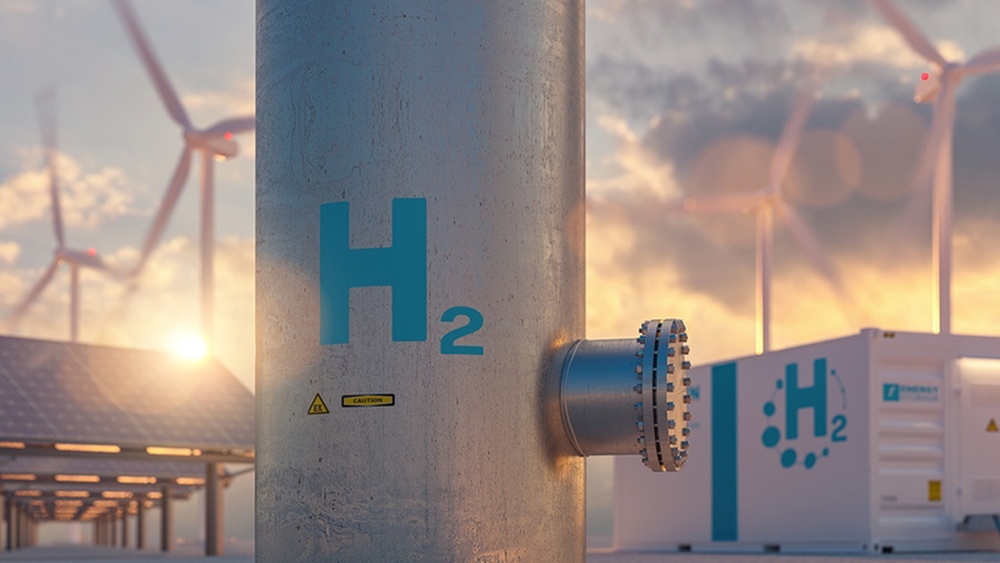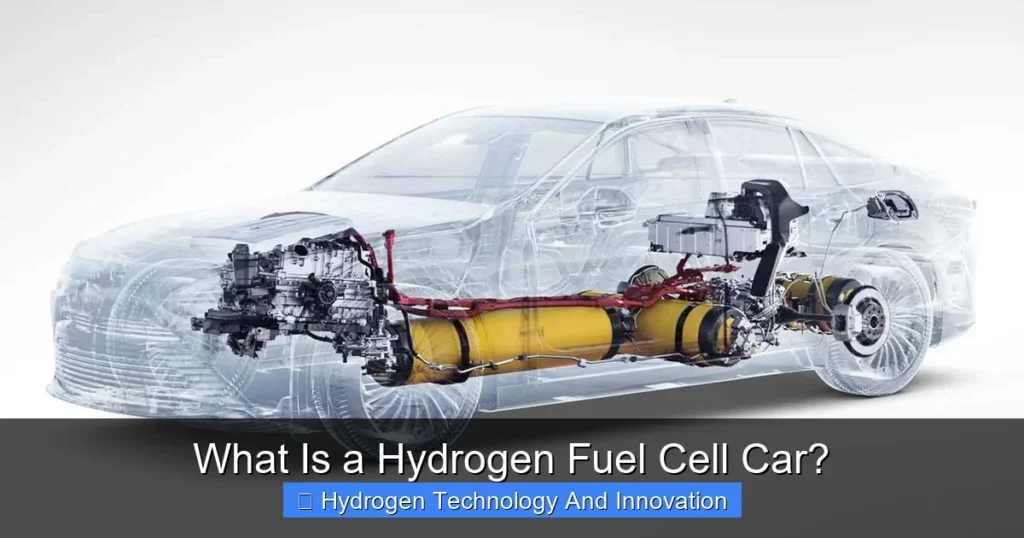
A hydrogen fuel cell car is an electric vehicle that generates its own electricity using hydrogen gas, emitting only water vapor as a byproduct. Unlike battery-powered EVs, these cars refuel quickly and offer long driving ranges, making them a promising solution for sustainable, zero-emission transportation.
Have you ever imagined driving a car that runs on water—well, almost? Not literally water, but something just as clean: hydrogen. A hydrogen fuel cell car might sound like science fiction, but it’s very much real and already on the road today. These vehicles are part of a quiet revolution in clean transportation, offering a zero-emission alternative that doesn’t rely on large, heavy batteries. Instead, they generate electricity on the go using a chemical reaction between hydrogen and oxygen—producing only water and heat as byproducts.
Unlike traditional gasoline cars that spew out carbon dioxide and pollutants, hydrogen fuel cell vehicles (FCEVs) are as clean as it gets when it comes to tailpipe emissions. They’re also different from battery electric vehicles (BEVs), which store electricity in large battery packs and need to be plugged in to recharge. FCEVs, on the other hand, make their own electricity using a device called a fuel cell stack. This means they can refuel in minutes and travel hundreds of miles—just like a gas-powered car—but without the environmental cost.
So, what exactly is a hydrogen fuel cell car? At its core, it’s an electric vehicle that uses hydrogen gas stored in high-pressure tanks to power an electric motor. The magic happens inside the fuel cell, where hydrogen atoms are split into protons and electrons. The electrons are forced through a circuit, creating an electric current that powers the car’s motor. Meanwhile, the protons move through a membrane, and when they reunite with the electrons (after passing through the circuit) and combine with oxygen from the air, they form water—plain old H₂O—which drips out of the exhaust. No smoke, no fumes, just clean water.
Key Takeaways
- Zero Emissions: Hydrogen fuel cell cars produce only water vapor, making them completely clean at the tailpipe.
- Fast Refueling: Refill a hydrogen tank in 3–5 minutes, similar to gasoline vehicles, unlike hours-long EV charging.
- Long Driving Range: Most models offer 300–400 miles per tank, ideal for long-distance travel.
- Electric Powertrain: Despite using hydrogen, these cars are electric—powered by quiet, efficient electric motors.
- Hydrogen Production Matters: Environmental benefits depend on how hydrogen is made—green hydrogen from renewables is cleanest.
- Infrastructure Challenges: Limited hydrogen refueling stations restrict widespread adoption, especially outside California and parts of Europe.
- Growing Innovation: Automakers and governments are investing heavily in hydrogen technology for cars, trucks, and public transit.
📑 Table of Contents
How Does a Hydrogen Fuel Cell Car Work?
To truly understand hydrogen fuel cell cars, it helps to break down the process step by step. Think of it like a high-tech power plant on wheels, quietly generating electricity as you drive.
The Fuel Cell Stack: The Heart of the System
The most important component in a hydrogen fuel cell car is the fuel cell stack. This is where the chemical reaction that produces electricity takes place. Each fuel cell consists of an anode (negative side), a cathode (positive side), and an electrolyte membrane in between. When hydrogen gas (H₂) is fed into the anode, a catalyst—usually platinum—splits the hydrogen molecules into protons and electrons.
The protons pass through the electrolyte membrane to the cathode, but the electrons cannot. Instead, they’re forced to travel through an external circuit, creating an electric current. This current powers the car’s electric motor, lights, and other systems. At the cathode, the electrons rejoin the protons and combine with oxygen from the air to form water (H₂O), which is released as vapor.
Multiple fuel cells are stacked together to increase power output. A typical fuel cell stack in a car might contain hundreds of individual cells, working in harmony to generate enough electricity to move the vehicle.
Hydrogen Storage: Keeping the Fuel Safe and Secure
Hydrogen is stored in high-pressure tanks, usually made of carbon fiber composites, located underneath the car. These tanks can hold hydrogen at pressures up to 10,000 psi (pounds per square inch), which allows for a large amount of fuel in a relatively small space. Modern tanks are designed to be extremely safe, with multiple layers and safety valves to prevent leaks or ruptures.
Refueling is quick and simple—similar to filling up a gas tank. A nozzle connects to the car’s fuel port, and compressed hydrogen gas flows into the tank in about 3 to 5 minutes. This is one of the biggest advantages over battery electric vehicles, which can take 30 minutes to several hours to recharge, depending on the charger type.
The Electric Motor: Quiet, Smooth, and Powerful
Once electricity is generated by the fuel cell, it powers an electric motor—just like in a battery EV. This motor provides instant torque, delivering smooth and responsive acceleration. Because there are no internal combustion engines, hydrogen fuel cell cars are incredibly quiet, offering a peaceful driving experience.
Some models also include a small battery or supercapacitor to store excess energy and provide an extra boost during acceleration. This helps improve efficiency and performance, especially during stop-and-go driving.
Energy Efficiency: From Tank to Wheels
One common question is: how efficient are hydrogen fuel cell cars compared to other vehicles? The answer depends on how you measure it.
From “tank to wheels”—meaning from the fuel in the car to the motion of the vehicle—hydrogen fuel cell cars are about 60% efficient. That’s better than gasoline engines, which are only about 20–30% efficient, but less efficient than battery electric vehicles, which can reach 77% or higher.
However, when you consider the full “well to wheels” cycle—including how the hydrogen is produced, transported, and stored—the efficiency drops. Most hydrogen today is made from natural gas through a process called steam methane reforming, which releases carbon dioxide. This “gray hydrogen” reduces the environmental benefits.
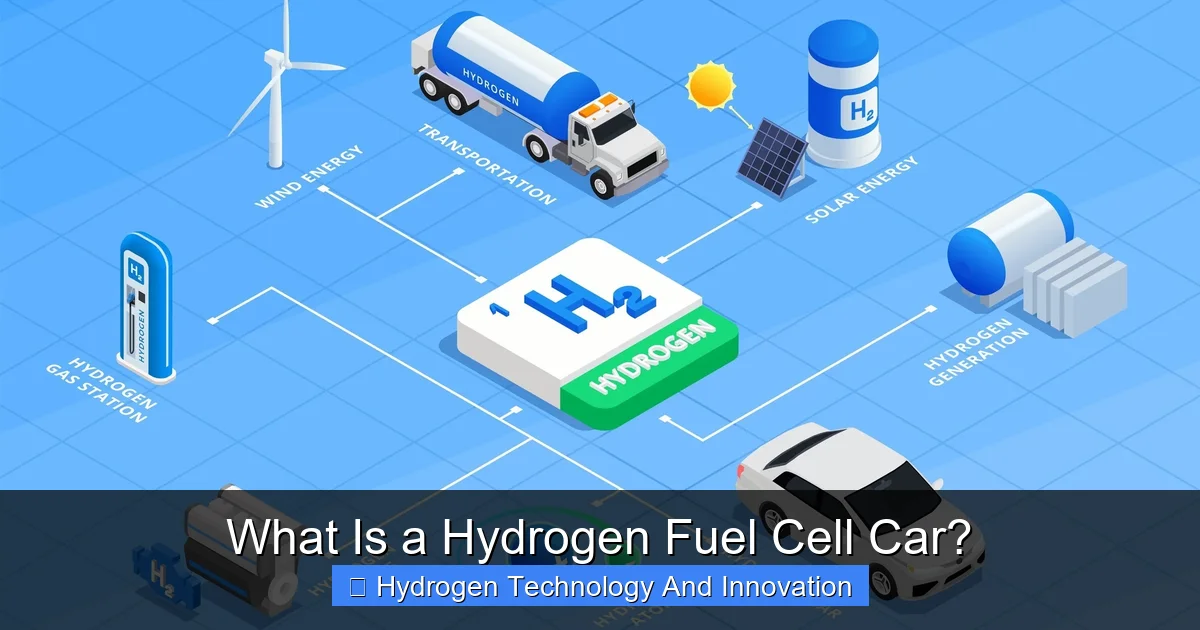
But when hydrogen is produced using renewable energy—like wind or solar power—to split water into hydrogen and oxygen (a process called electrolysis), it’s called “green hydrogen.” This version is truly clean and sustainable, making hydrogen fuel cell cars a viable part of a zero-emission future.
Benefits of Hydrogen Fuel Cell Cars
Visual guide about What Is a Hydrogen Fuel Cell Car?
Image source: aeologic.com
Hydrogen fuel cell cars offer several compelling advantages, especially for drivers who want clean transportation without sacrificing convenience.
Zero Tailpipe Emissions
The most obvious benefit is environmental. Since the only emission from a hydrogen fuel cell car is water vapor, they produce no greenhouse gases or air pollutants while driving. This makes them ideal for reducing urban smog and improving air quality in cities.
For people concerned about climate change, FCEVs offer a way to drive without contributing to carbon emissions—especially when powered by green hydrogen.
Fast Refueling and Long Range
One of the biggest drawbacks of battery electric vehicles is charging time. Even with fast chargers, it can take 30 minutes or more to recharge a battery to 80%. In contrast, refueling a hydrogen car takes just 3 to 5 minutes—about the same as filling up a gas tank.
Additionally, most hydrogen fuel cell cars have a driving range of 300 to 400 miles on a single tank. The Toyota Mirai, for example, offers up to 402 miles of range, while the Hyundai NEXO can go up to 380 miles. This makes them well-suited for long road trips and commercial use, such as delivery trucks and taxis.
Quiet and Smooth Driving Experience
Because hydrogen fuel cell cars use electric motors, they deliver the same quiet, smooth ride as battery EVs. There’s no engine noise, no gear shifts, and instant acceleration. This makes for a relaxing and enjoyable driving experience, especially in heavy traffic.
Potential for Renewable Energy Integration
Hydrogen can be produced using excess renewable energy. For example, when wind farms generate more electricity than the grid needs, that power can be used to produce hydrogen through electrolysis. This hydrogen can then be stored and used later to fuel cars or generate electricity during peak demand.
This creates a flexible energy system where hydrogen acts as a clean energy carrier, helping to balance supply and demand in a renewable-powered grid.
Reduced Dependence on Critical Minerals
Battery electric vehicles rely heavily on lithium, cobalt, and nickel—minerals that are often mined in environmentally damaging ways and concentrated in a few countries. Hydrogen fuel cell cars, while they do use some platinum in the fuel cell, require far fewer of these critical materials. This reduces geopolitical risks and environmental concerns related to mining.
Challenges and Limitations
Despite their many benefits, hydrogen fuel cell cars face significant challenges that have slowed their widespread adoption.
Limited Refueling Infrastructure
The biggest hurdle is the lack of hydrogen refueling stations. As of 2024, there are fewer than 100 public hydrogen stations in the United States, and almost all are located in California. Outside of the U.S., countries like Japan, South Korea, and Germany are building more stations, but coverage remains sparse.
This makes it difficult for most drivers to own a hydrogen car unless they live near a refueling network. In contrast, electric vehicle charging stations are becoming increasingly common, with over 150,000 public chargers in the U.S. alone.
High Cost of Hydrogen Production and Distribution
Producing, compressing, transporting, and storing hydrogen is expensive. Most hydrogen today is made from natural gas, which is cheap but not clean. Green hydrogen, produced from renewables, is much cleaner but currently costs two to three times more.
Additionally, hydrogen is a very light and low-density gas, which makes it difficult and costly to transport. It often needs to be compressed or liquefied, requiring specialized equipment and energy.
Energy Losses in the Hydrogen Lifecycle
As mentioned earlier, the full lifecycle efficiency of hydrogen is lower than that of battery electric vehicles. Producing hydrogen, compressing it, transporting it, and converting it back to electricity in a fuel cell results in significant energy losses—up to 60% in some cases.
This means that for every 100 units of renewable energy used to make hydrogen, only about 40 units end up powering the car. In contrast, battery EVs can deliver 70–80 units of energy to the wheels from the same 100 units of electricity.
Competition from Battery Electric Vehicles
Battery electric vehicles have seen rapid advancements in battery technology, charging infrastructure, and affordability. With models like the Tesla Model 3, Ford Mustang Mach-E, and Chevrolet Bolt offering long ranges and fast charging, many consumers are choosing BEVs over FCEVs.
Additionally, governments and automakers are investing heavily in EV technology, while hydrogen remains a niche market. This creates a “chicken-and-egg” problem: without more hydrogen cars, there’s little incentive to build more stations, and without more stations, few people will buy hydrogen cars.
Safety Concerns and Public Perception
Hydrogen is highly flammable and has been associated with safety concerns, largely due to historical events like the Hindenburg disaster. While modern hydrogen storage systems are extremely safe—with multiple safety features and rigorous testing—public perception can still be a barrier.
In reality, hydrogen is no more dangerous than gasoline or natural gas when handled properly. In fact, it’s lighter than air and disperses quickly in the event of a leak, reducing the risk of fire compared to liquid fuels.
Current Models and Real-World Examples
While hydrogen fuel cell cars are not yet mainstream, several automakers have launched production models that are available today.
Toyota Mirai
The Toyota Mirai is one of the most well-known hydrogen fuel cell cars. First introduced in 2014, the second-generation Mirai (launched in 2021) offers a sleek design, a range of up to 402 miles, and a luxurious interior. It’s available in select markets, primarily in California, where hydrogen stations are more common.
Toyota has also partnered with companies like Kenworth to develop hydrogen-powered trucks for freight transport, showing the potential for FCEVs beyond passenger cars.
Hyundai NEXO
The Hyundai NEXO is another leading hydrogen fuel cell SUV, offering up to 380 miles of range and advanced driver-assistance features. It’s available in the U.S., South Korea, and parts of Europe. Hyundai has also invested in hydrogen infrastructure and is developing hydrogen-powered buses and commercial vehicles.
Honda Clarity Fuel Cell
Honda offered the Clarity Fuel Cell from 2017 to 2021, providing a spacious sedan with a 360-mile range. Although Honda has paused production, the company continues to support existing vehicles and is exploring future hydrogen applications.
Commercial and Fleet Use
While passenger cars are limited, hydrogen fuel cell technology is gaining traction in commercial applications. Companies like Amazon, Walmart, and UPS are testing hydrogen-powered forklifts and delivery trucks in warehouses and distribution centers. These vehicles benefit from fast refueling and long operating hours, making hydrogen a practical choice for industrial use.
Public transit is another growing area. Cities like London, Tokyo, and Aberdeen have introduced hydrogen-powered buses that emit only water vapor, helping to reduce urban pollution.
The Future of Hydrogen Fuel Cell Cars
The future of hydrogen fuel cell cars depends on several factors, including technological advancements, infrastructure development, and government policy.
Advancements in Fuel Cell Technology
Researchers are working to reduce the cost and improve the efficiency of fuel cells. One major focus is reducing or replacing platinum, which is expensive and rare. New catalysts made from non-precious metals could make fuel cells more affordable.
Improvements in membrane technology and system design are also increasing durability and performance, allowing fuel cells to last longer and operate in a wider range of conditions.
Expansion of Hydrogen Infrastructure
Governments and private companies are investing in hydrogen refueling networks. California, for example, has a goal of building 200 hydrogen stations by 2025. The European Union and Japan have similar plans, with subsidies and incentives to encourage adoption.
In the U.S., the Infrastructure Investment and Jobs Act includes funding for hydrogen hubs—regional centers for production, storage, and distribution. These hubs could accelerate the growth of a hydrogen economy.
Green Hydrogen and Renewable Integration
The shift toward green hydrogen is critical for the environmental benefits of FCEVs. As renewable energy becomes cheaper and more abundant, producing hydrogen from solar and wind power will become more viable.
Countries like Australia, Canada, and Saudi Arabia are investing in large-scale green hydrogen projects, aiming to export hydrogen to global markets. This could create a new energy trade network, similar to oil and gas today.
Hydrogen in Heavy-Duty Transport
While passenger cars may remain a niche market, hydrogen is likely to play a bigger role in heavy-duty transportation. Trucks, ships, and trains require high energy density and long range, which hydrogen can provide better than batteries.
Companies like Nikola, Cummins, and Shell are developing hydrogen-powered trucks and refueling networks for freight corridors. This could be where hydrogen makes its biggest impact in the near term.
Policy and Incentives
Government support is essential for hydrogen adoption. Tax credits, grants, and emissions regulations can encourage automakers and consumers to choose hydrogen vehicles.
The U.S. Inflation Reduction Act includes tax credits for hydrogen production, especially green hydrogen. Similar policies in Europe and Asia are helping to drive innovation and investment.
Should You Buy a Hydrogen Fuel Cell Car?
If you’re considering a hydrogen fuel cell car, here are a few things to keep in mind.
First, check the availability of hydrogen stations in your area. If you live in California or a major city in Europe or Asia, you may have access to refueling. Otherwise, it could be a major inconvenience.
Second, consider your driving habits. If you frequently take long road trips or need quick refueling, a hydrogen car could be a good fit. But if you mostly drive short distances and have access to home charging, a battery electric vehicle might be more practical.
Third, think about cost. Hydrogen fuel cell cars are currently more expensive than comparable EVs, and hydrogen fuel itself can cost $10–$16 per kilogram—equivalent to $3–$5 per gallon of gasoline. However, some automakers offer free fuel for several years as an incentive.
Finally, consider the environmental impact. If your hydrogen comes from renewable sources, an FCEV can be a truly clean option. But if it’s made from natural gas, the benefits are reduced.
For most consumers today, battery electric vehicles are the more accessible and practical choice. But for those in the right location with the right needs, hydrogen fuel cell cars offer a compelling alternative.
Conclusion
Hydrogen fuel cell cars represent a bold step toward a cleaner, more sustainable transportation future. They combine the zero-emission benefits of electric vehicles with the convenience of fast refueling and long range—qualities that make them especially appealing for certain drivers and applications.
While challenges remain—particularly around infrastructure, cost, and hydrogen production—the technology is advancing rapidly. With continued investment and innovation, hydrogen could play a key role in decarbonizing not just passenger cars, but also trucks, buses, and industrial equipment.
As the world seeks solutions to climate change and air pollution, hydrogen fuel cell cars offer a promising path forward. They may not replace gasoline or battery electric vehicles entirely, but they are an important part of the clean mobility puzzle. Whether you’re a tech enthusiast, an environmental advocate, or just curious about the future of driving, hydrogen fuel cell cars are worth watching—and maybe even driving—in the years to come.
Frequently Asked Questions
How does a hydrogen fuel cell car produce electricity?
A hydrogen fuel cell car generates electricity through a chemical reaction between hydrogen and oxygen inside a fuel cell stack. Hydrogen is split into protons and electrons, and the flow of electrons creates an electric current that powers the car’s motor.
Are hydrogen fuel cell cars really zero emission?
Yes, hydrogen fuel cell cars emit only water vapor from the tailpipe, making them zero-emission vehicles. However, the overall environmental impact depends on how the hydrogen is produced—green hydrogen from renewables is the cleanest option.
How long does it take to refuel a hydrogen car?
Refueling a hydrogen fuel cell car takes about 3 to 5 minutes, similar to filling up a gasoline vehicle. This is much faster than charging a battery electric vehicle.
Where can I refuel a hydrogen fuel cell car?
Hydrogen refueling stations are currently limited, with most located in California, Japan, South Korea, and parts of Europe. Availability is expanding, but infrastructure remains a challenge in many regions.
What is the driving range of a hydrogen fuel cell car?
Most hydrogen fuel cell cars offer a range of 300 to 400 miles on a full tank, comparable to many gasoline vehicles and longer than many battery electric cars.
Are hydrogen fuel cell cars safe?
Yes, modern hydrogen fuel cell cars are designed with multiple safety features, including reinforced tanks and leak detection systems. Hydrogen disperses quickly in the air, reducing fire risk compared to liquid fuels.