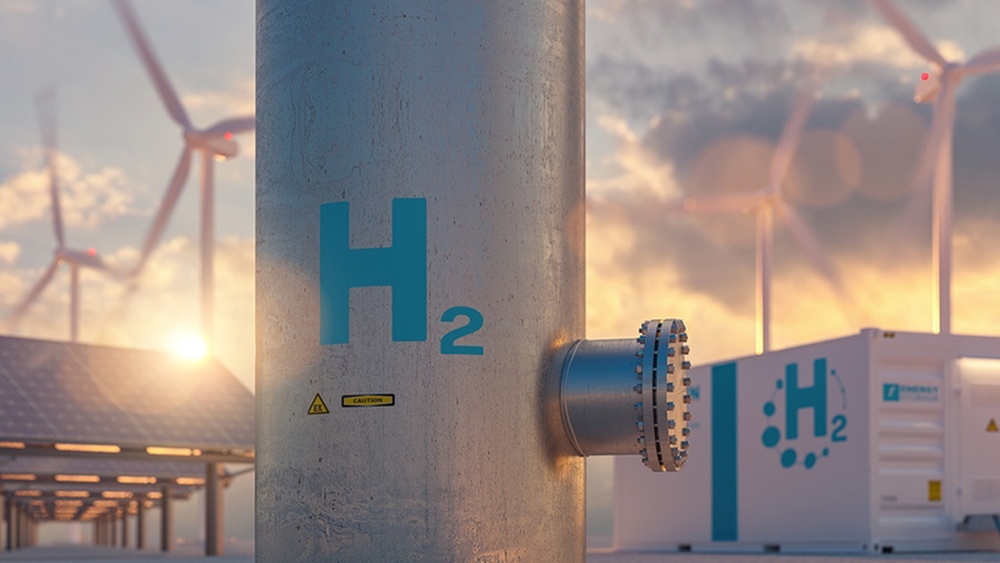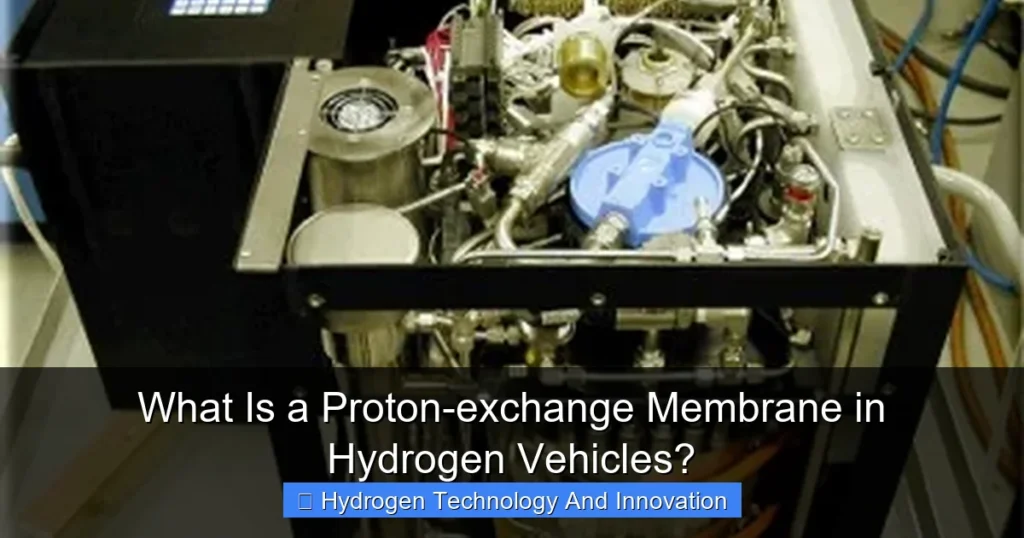
A proton-exchange membrane (PEM) is the heart of hydrogen fuel cell vehicles, enabling efficient conversion of hydrogen into electricity with only water as a byproduct. This advanced component allows for zero-emission driving, fast refueling, and quiet operation, making it a cornerstone of sustainable transportation.
Key Takeaways
- Core Function: The proton-exchange membrane (PEM) separates hydrogen into protons and electrons, allowing only protons to pass through while blocking electrons, which are forced to travel through an external circuit, generating electricity.
- Fuel Cell Efficiency: PEM fuel cells operate at high efficiency (40–60%), significantly outperforming internal combustion engines, and produce zero tailpipe emissions.
- Material Composition: Most PEMs are made from a polymer electrolyte, typically Nafion, which is highly conductive to protons when hydrated but requires careful moisture control.
- Operating Conditions: PEM fuel cells work best at low temperatures (60–80°C), enabling quick startup and responsiveness—ideal for passenger vehicles.
- Durability Challenges: Membrane degradation from drying, flooding, or chemical attack can reduce lifespan, driving ongoing research into more robust materials.
- Hydrogen Infrastructure: Widespread adoption of PEM-powered vehicles depends on expanding hydrogen refueling networks and lowering production costs.
- Future Innovations: Advances in non-precious metal catalysts, thinner membranes, and alternative polymers aim to boost performance and reduce costs.
📑 Table of Contents
- Introduction to Hydrogen Vehicles and Clean Mobility
- What Is a Proton-exchange Membrane?
- How PEM Fuel Cells Work in Hydrogen Vehicles
- Materials and Manufacturing of Proton-exchange Membranes
- Performance, Efficiency, and Environmental Impact
- Challenges and Limitations of PEM Technology
- The Future of Proton-exchange Membranes in Transportation
- Conclusion
Introduction to Hydrogen Vehicles and Clean Mobility
Imagine driving a car that emits nothing but water vapor—no smog, no greenhouse gases, just clean air behind you. That’s the promise of hydrogen fuel cell vehicles (FCVs), and at the center of this green revolution is a small but mighty component: the proton-exchange membrane, or PEM. These vehicles are not science fiction; they’re already on the road in cities like Tokyo, Los Angeles, and Berlin, offering a compelling alternative to battery-electric and gasoline-powered cars.
Hydrogen vehicles use fuel cells to convert hydrogen gas into electricity, which then powers an electric motor. Unlike battery-electric vehicles (BEVs) that store energy in large battery packs, FCVs generate electricity on demand. This means they can refuel in just a few minutes—similar to gasoline cars—while offering ranges of 300 to 400 miles per tank. The key to making this possible is the proton-exchange membrane, a thin, polymer-based layer that enables the chemical reaction at the heart of the fuel cell.
What Is a Proton-exchange Membrane?
Visual guide about What Is a Proton-exchange Membrane in Hydrogen Vehicles?
Image source: pureguard.net
At its core, a proton-exchange membrane is a specialized polymer film that acts as both an electrolyte and a separator in a hydrogen fuel cell. It’s typically less than the thickness of a human hair, yet it plays a critical role in the energy conversion process. The PEM is sandwiched between two electrodes—an anode and a cathode—forming what’s known as a membrane electrode assembly (MEA).
The magic happens when hydrogen gas (H₂) is fed to the anode side of the fuel cell. A catalyst—usually platinum—splits the hydrogen molecules into protons (H⁺) and electrons (e⁻). Here’s where the PEM comes in: it allows only the positively charged protons to pass through to the cathode side. The electrons, however, are blocked by the membrane and must travel through an external circuit, creating an electric current that can power a vehicle’s motor, lights, and electronics.
Once the protons reach the cathode, they combine with oxygen from the air and the returning electrons to form water (H₂O)—the only emission. This elegant process is not only clean but also highly efficient. Because the PEM enables a direct conversion of chemical energy to electrical energy, there are no moving parts in the fuel cell itself, resulting in quiet, reliable operation.
How the PEM Enables Electricity Generation
To understand how the proton-exchange membrane generates electricity, think of it as a selective gatekeeper. It’s designed to be permeable only to protons—tiny, positively charged hydrogen ions—while blocking electrons and gases like hydrogen and oxygen. This selective permeability is what drives the flow of electricity.
When hydrogen is introduced at the anode, the platinum catalyst breaks it down:
H₂ → 2H⁺ + 2e⁻
The protons (H⁺) migrate through the hydrated PEM toward the cathode. Meanwhile, the electrons (e⁻) are forced to take a detour through an external wire, creating an electric current. This current can be used to power a motor or charge a small buffer battery.
At the cathode, oxygen from the air enters and reacts with the protons and electrons:
½O₂ + 2H⁺ + 2e⁻ → H₂O
The result? Pure water drips out of the exhaust—no CO₂, no particulates, no noise. This entire process happens silently and continuously as long as hydrogen and oxygen are supplied.
Key Properties of a High-Performance PEM
Not all membranes are created equal. For a proton-exchange membrane to work effectively in a vehicle, it must meet several demanding criteria:
– **High Proton Conductivity:** The membrane must allow protons to move quickly and efficiently. This is typically achieved by keeping the membrane hydrated, as water molecules help shuttle protons through the polymer structure.
– **Low Gas Permeability:** It must prevent hydrogen and oxygen from crossing over, which would cause a short circuit and reduce efficiency.
– **Chemical Stability:** The PEM must resist degradation from reactive oxygen species and acidic conditions inside the fuel cell.
– **Mechanical Strength:** It needs to withstand pressure differences and physical stress during operation and temperature changes.
– **Thermal Stability:** While most PEMs operate at 60–80°C, they must remain stable across a range of temperatures, especially during startup in cold climates.
The most common material used today is a perfluorosulfonic acid (PFSA) polymer, with DuPont’s Nafion being the industry standard. Nafion has excellent proton conductivity when hydrated and is chemically robust, but it’s also expensive and sensitive to drying.
How PEM Fuel Cells Work in Hydrogen Vehicles
Now that we understand the PEM’s role, let’s see how it fits into the bigger picture of a hydrogen vehicle. A fuel cell stack—comprising dozens or even hundreds of individual PEM fuel cells—is the power plant of the vehicle. Each cell produces a small voltage (around 0.6 to 0.7 volts), so they are stacked in series to generate enough power to drive the motor.
When you press the accelerator in a hydrogen car like the Toyota Mirai or Hyundai NEXO, hydrogen from the onboard tanks flows into the fuel cell stack. At the same time, air (containing oxygen) is drawn in from the environment. The PEM in each cell facilitates the electrochemical reaction, generating electricity that powers the electric motor.
A small lithium-ion battery or supercapacitor is often included to handle peak power demands—like rapid acceleration—and to capture energy during braking (regenerative braking). This hybrid approach improves efficiency and responsiveness.
One of the biggest advantages of PEM fuel cells is their fast refueling time. While battery-electric vehicles can take 30 minutes to several hours to recharge, hydrogen vehicles can be refilled in 3 to 5 minutes, just like a gasoline car. This makes them particularly appealing for long-haul transportation, taxis, and fleet vehicles where downtime is costly.
Real-World Example: The Toyota Mirai
The Toyota Mirai is a prime example of PEM technology in action. It uses a stack of 370 individual fuel cells, each with its own proton-exchange membrane, to generate up to 182 horsepower. The Mirai can travel over 400 miles on a single tank of hydrogen and refuels in under five minutes.
Inside the Mirai, the PEM fuel cell operates quietly and efficiently, producing only water as a byproduct. Toyota has invested heavily in improving the durability and cost of its PEM system, reducing platinum usage and enhancing membrane resilience. The result is a vehicle that’s not only environmentally friendly but also practical for everyday use.
Comparison with Battery-Electric Vehicles
While both hydrogen and battery-electric vehicles produce zero emissions at the tailpipe, they differ in how they store and use energy. BEVs rely on large, heavy battery packs that take time to recharge. PEM-powered FCVs, on the other hand, generate electricity on board and can refuel quickly.
For short commutes and city driving, BEVs are often more efficient because they don’t lose energy in the hydrogen production and conversion process. However, for long-distance travel, heavy-duty transport, or cold climates, hydrogen vehicles with PEM fuel cells can offer advantages in range, refueling speed, and weight.
It’s not a matter of one technology replacing the other—both have roles to play in a decarbonized transportation future.
Materials and Manufacturing of Proton-exchange Membranes
The performance of a PEM fuel cell hinges on the quality and design of the membrane. Most commercial PEMs are made from perfluorosulfonic acid (PFSA) polymers, which consist of a hydrophobic Teflon-like backbone and hydrophilic sulfonic acid side chains. When hydrated, these side chains form nanoscale channels that allow protons to move through the membrane via a mechanism known as the Grotthuss mechanism—essentially, protons “hop” from one water molecule to the next.
Nafion, developed by DuPont in the 1960s, remains the gold standard due to its high proton conductivity and chemical stability. However, it has limitations: it’s expensive, requires careful humidity control, and can degrade over time.
Challenges with Current PEM Materials
One of the biggest challenges with Nafion and similar PFSA membranes is their dependence on water. If the membrane dries out—especially during cold starts or high-temperature operation—proton conductivity drops sharply, reducing performance. Conversely, if too much water accumulates (a condition called flooding), it can block gas diffusion layers and starve the electrodes of reactants.
Another issue is chemical degradation. Over time, reactive oxygen species (like hydrogen peroxide) can attack the polymer chains, leading to thinning, cracks, and eventual failure. This is particularly problematic at high voltages or during frequent start-stop cycles.
Innovations in PEM Materials
Researchers are actively developing next-generation PEMs to overcome these limitations. Some promising approaches include:
– **Reinforced Membranes:** Adding nanofibers or porous supports to improve mechanical strength and reduce thinning.
– **Alternative Polymers:** Exploring hydrocarbon-based membranes (e.g., sulfonated polyether ether ketone, or SPEEK) that are cheaper and less sensitive to humidity.
– **Thinner Membranes:** Reducing thickness to enhance proton transport and lower resistance, though this must be balanced against durability.
– **Self-Humidifying Membranes:** Incorporating materials that retain water or generate it internally to maintain optimal hydration.
Companies like Gore, 3M, and Ballard Power Systems are leading the charge in PEM innovation, aiming to deliver membranes that are more durable, efficient, and cost-effective.
Manufacturing Process
Producing a high-quality PEM involves precise control of thickness, uniformity, and hydration. The polymer is typically cast into a thin film using solvent-based techniques, then treated to ensure proper ion exchange capacity. The membrane is then integrated into the membrane electrode assembly (MEA), where it’s bonded to catalyst-coated gas diffusion layers.
Quality control is critical—any pinholes, wrinkles, or inconsistencies can lead to performance loss or failure. Advanced imaging and testing methods, such as scanning electron microscopy (SEM) and electrochemical impedance spectroscopy (EIS), are used to validate membrane integrity.
Performance, Efficiency, and Environmental Impact
PEM fuel cells are among the most efficient energy conversion devices available. While internal combustion engines typically operate at 20–30% efficiency, PEM fuel cells can reach 40–60% efficiency under real-world conditions. When combined with regenerative braking and hybrid systems, overall vehicle efficiency can exceed 60%.
This high efficiency translates into lower energy consumption and reduced environmental impact. However, the overall sustainability of hydrogen vehicles depends heavily on how the hydrogen is produced. If hydrogen is made from natural gas (“gray hydrogen”), the carbon footprint is significant. But if it’s produced using renewable energy via electrolysis (“green hydrogen”), the entire lifecycle can be nearly carbon-neutral.
Lifecycle Analysis of PEM Vehicles
Studies show that green hydrogen-powered FCVs can reduce greenhouse gas emissions by 50–70% compared to gasoline vehicles, even when accounting for fuel cell manufacturing and hydrogen production. The PEM itself contains fluorine and platinum, which have environmental costs, but these are offset over time by clean operation.
Recycling programs for fuel cells are emerging, aiming to recover precious metals and reduce waste. As the technology matures, the environmental footprint of PEMs is expected to shrink further.
Energy Density and Range Advantages
Hydrogen has a very high energy density by weight—about three times that of gasoline. This makes it ideal for applications where weight is a concern, such as aviation, shipping, and long-haul trucking. PEM fuel cells can leverage this advantage to deliver long ranges without the bulk of large battery packs.
For example, a hydrogen-powered semi-truck can travel 500–700 miles on a single tank, refueling in 15–20 minutes—something no current battery-electric truck can match.
Challenges and Limitations of PEM Technology
Despite its promise, PEM technology faces several hurdles that must be overcome for widespread adoption.
Durability and Lifespan
PEM fuel cells are sensitive to operating conditions. Frequent start-stop cycles, high temperatures, and impurities in hydrogen can accelerate membrane degradation. Most automotive fuel cells are designed to last 5,000 to 10,000 hours—roughly 150,000 to 300,000 miles—but real-world performance can vary.
Research is focused on improving membrane stability, reducing platinum loading, and developing fault-tolerant control systems.
Cost Barriers
The high cost of PEM fuel cells remains a major obstacle. Platinum catalysts, specialized membranes, and precision manufacturing drive up prices. While costs have fallen significantly—from over $1,000 per kilowatt in the early 2000s to around $50–100 per kilowatt today—they still need to drop further to compete with internal combustion engines and batteries.
Economies of scale, improved materials, and automated production are key to reducing costs.
Hydrogen Infrastructure
One of the biggest challenges isn’t the PEM itself, but the lack of hydrogen refueling stations. As of 2024, there are fewer than 200 public hydrogen stations in the U.S., mostly in California. Building a nationwide network requires massive investment in production, storage, and distribution.
However, governments and private companies are investing in hydrogen hubs and pilot projects. The U.S. Department of Energy’s H2@Scale initiative and the European Clean Hydrogen Alliance are working to accelerate infrastructure development.
Public Perception and Safety
Hydrogen has a reputation for being explosive, thanks to historical events like the Hindenburg disaster. But modern hydrogen vehicles are designed with multiple safety systems: reinforced tanks, leak detectors, and automatic shutoff valves. In fact, hydrogen disperses quickly into the air, reducing the risk of fire compared to liquid fuels.
Education and transparency are essential to building public trust in hydrogen technology.
The Future of Proton-exchange Membranes in Transportation
The future of PEM technology is bright, with ongoing research focused on making membranes cheaper, stronger, and more efficient. Scientists are exploring non-precious metal catalysts (like iron-nitrogen-carbon materials) to replace platinum, which could cut costs by up to 80%.
New membrane designs aim to operate at higher temperatures (100–200°C), which would simplify cooling systems and improve efficiency. High-temperature PEMs (HT-PEMs) using phosphoric acid-doped polymers are already being tested in stationary applications and could soon enter the automotive market.
Integration with Renewable Energy
PEM fuel cells are a perfect match for renewable energy systems. Excess solar or wind power can be used to produce green hydrogen via electrolysis, which is then stored and used to generate electricity when needed. This creates a clean, flexible energy loop that supports grid stability and decarbonization.
Countries like Germany, Japan, and Australia are investing heavily in hydrogen economies, viewing PEM technology as a cornerstone of their climate strategies.
Expanding Beyond Passenger Vehicles
While passenger cars like the Mirai and NEXO grab headlines, PEM fuel cells are finding applications in buses, trucks, trains, and even ships. For example, Alstom’s hydrogen-powered Coradia iLint train operates in Germany, emitting only water and steam.
In aviation, companies like ZeroAvia are developing PEM-based systems for regional flights, aiming to reduce the carbon footprint of air travel.
Policy and Investment Driving Growth
Government policies are accelerating PEM adoption. The U.S. Inflation Reduction Act includes tax credits for hydrogen production, while the European Union’s Green Deal supports hydrogen infrastructure. Automakers like Toyota, Hyundai, and BMW are committing billions to fuel cell development.
As costs fall and infrastructure expands, PEM-powered vehicles could become a common sight on roads worldwide.
Conclusion
The proton-exchange membrane may be invisible to the driver, but it’s the silent hero enabling the clean, quiet, and efficient operation of hydrogen vehicles. By facilitating the conversion of hydrogen into electricity with nothing but water as a byproduct, PEM technology offers a compelling path to decarbonizing transportation.
While challenges remain—cost, durability, infrastructure—the progress made in recent years is remarkable. With continued innovation and investment, PEM fuel cells could play a central role in a sustainable energy future, powering everything from cars to cargo ships.
As we move toward a world with zero emissions, the proton-exchange membrane stands as a testament to human ingenuity and the power of clean technology. The road ahead is hydrogen-fueled, and it’s powered by science, one proton at a time.
Frequently Asked Questions
What is a proton-exchange membrane made of?
Most proton-exchange membranes are made from a perfluorosulfonic acid (PFSA) polymer, such as Nafion. These materials have a Teflon-like backbone with sulfonic acid groups that allow protons to move through when hydrated.
How long does a PEM fuel cell last in a vehicle?
A PEM fuel cell in a hydrogen vehicle is designed to last between 5,000 and 10,000 hours of operation, which translates to roughly 150,000 to 300,000 miles, depending on usage and maintenance.
Can PEM fuel cells work in cold weather?
Yes, but cold starts can be challenging. PEMs require moisture to conduct protons, and freezing temperatures can cause ice formation. Modern systems use heating elements and optimized startup procedures to overcome this.
Is hydrogen safe in vehicles with PEM fuel cells?
Yes, hydrogen is safe when handled properly. FCVs have multiple safety features, including reinforced tanks, leak detectors, and automatic shutoff valves. Hydrogen disperses quickly, reducing fire risk.
How efficient are PEM fuel cells compared to gasoline engines?
PEM fuel cells are significantly more efficient, operating at 40–60% efficiency, while gasoline engines typically achieve only 20–30%. This means less energy waste and lower fuel consumption.
What happens if the PEM dries out?
If the proton-exchange membrane dries out, proton conductivity drops sharply, reducing power output and potentially damaging the membrane. Proper humidity control is essential for optimal performance.