Hydrogen fuel cells produce only water and heat as byproducts, making them a truly clean energy solution. Unlike fossil fuels, they emit no greenhouse gases during operation, offering a sustainable path toward decarbonizing transportation, industry, and power generation.
Key Takeaways
- Zero tailpipe emissions: Hydrogen fuel cells emit only water vapor and warm air, eliminating harmful pollutants like CO₂ and NOx.
- Renewable hydrogen potential: When produced using renewable energy (green hydrogen), the entire lifecycle becomes carbon-neutral.
- High energy efficiency: Fuel cells convert energy more efficiently than internal combustion engines, reducing overall energy waste.
- Versatile applications: From cars and buses to backup power and industrial processes, hydrogen fuel cells can decarbonize multiple sectors.
- Reduced air pollution: Widespread adoption improves urban air quality, especially in densely populated cities.
- Energy storage solution: Excess renewable energy can be stored as hydrogen, supporting grid stability and renewable integration.
- Long-term sustainability: As green hydrogen production scales, fuel cells offer a scalable, future-proof clean energy pathway.
📑 Table of Contents
- The Clean Energy Revolution: Why Hydrogen Fuel Cells Are Better for the Environment
- How Hydrogen Fuel Cells Work: The Science Behind Clean Energy
- Zero Emissions: The Environmental Advantage of Hydrogen Fuel Cells
- Green Hydrogen: The Key to a Truly Sustainable Future
- Real-World Applications: Where Hydrogen Fuel Cells Are Making a Difference
- Challenges and the Path Forward
- The Future Is Hydrogen: A Cleaner, Greener World
The Clean Energy Revolution: Why Hydrogen Fuel Cells Are Better for the Environment
Imagine a world where vehicles glide silently down the highway, factories hum without smoke, and power plants generate electricity without releasing a single puff of carbon dioxide into the atmosphere. This isn’t a scene from a sci-fi movie—it’s a future made possible by hydrogen fuel cells. As climate change accelerates and air pollution reaches critical levels in cities worldwide, the search for clean, sustainable energy has never been more urgent. Among the most promising solutions is hydrogen fuel cell technology, a quiet, efficient, and environmentally friendly alternative to fossil fuels.
Hydrogen fuel cells generate electricity through a chemical reaction between hydrogen and oxygen, producing only water and heat as byproducts. No combustion. No smoke. No greenhouse gases. This simple yet revolutionary process offers a stark contrast to traditional energy sources like gasoline, diesel, and coal, which release massive amounts of carbon dioxide, nitrogen oxides, and particulate matter. As governments, industries, and consumers seek ways to reduce their carbon footprint, hydrogen fuel cells are emerging as a key player in the global shift toward sustainability.
But what makes hydrogen fuel cells truly better for the environment? It’s not just about what they don’t emit—it’s about how they can transform entire energy systems. From reducing dependence on finite fossil fuels to enabling large-scale renewable energy storage, hydrogen fuel cells offer a multi-faceted solution to some of our planet’s most pressing environmental challenges. In this article, we’ll explore the science behind hydrogen fuel cells, their environmental benefits, real-world applications, and why they represent a cleaner, greener future for generations to come.
How Hydrogen Fuel Cells Work: The Science Behind Clean Energy
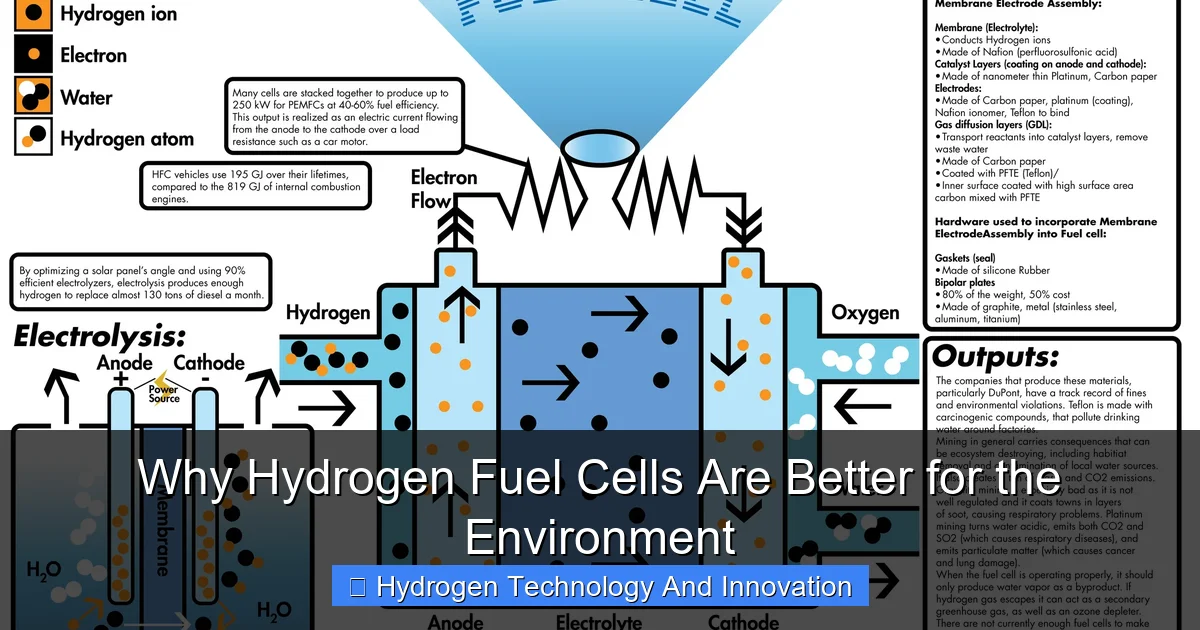
Visual guide about Why Hydrogen Fuel Cells Are Better for the Environment
Image source: images.squarespace-cdn.com
To understand why hydrogen fuel cells are better for the environment, it helps to know how they work. At their core, hydrogen fuel cells are electrochemical devices that convert chemical energy directly into electrical energy—without burning fuel. This process is not only clean but also highly efficient.
The Basic Chemistry of Fuel Cells
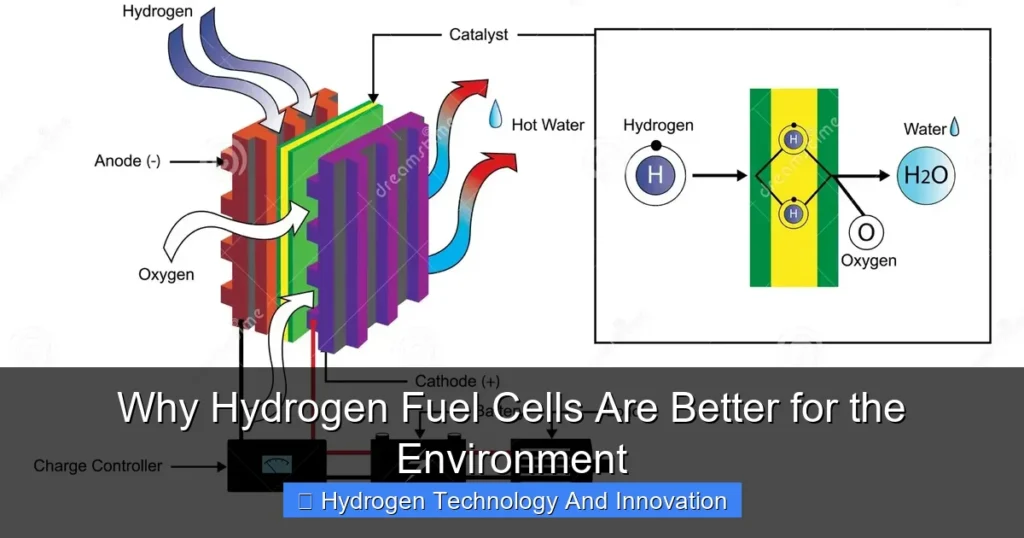
A typical hydrogen fuel cell consists of two electrodes—an anode and a cathode—separated by an electrolyte. Hydrogen gas is fed into the anode, where a catalyst (usually platinum) splits the hydrogen molecules into protons and electrons. The protons pass through the electrolyte to the cathode, while the electrons travel through an external circuit, creating an electric current that can power a motor, light a bulb, or charge a battery. At the cathode, the protons and electrons reunite with oxygen from the air to form water—the only emission.
This reaction is fundamentally different from combustion. In a gasoline engine, for example, fuel is burned in the presence of oxygen, releasing energy but also producing carbon dioxide, water vapor, and various pollutants. In contrast, the fuel cell reaction is clean, quiet, and highly controlled. There’s no flame, no explosion, and no toxic byproducts.
Types of Hydrogen Fuel Cells
There are several types of fuel cells, each suited to different applications. The most common for transportation and portable power is the Proton Exchange Membrane (PEM) fuel cell. It operates at relatively low temperatures (around 80°C), starts quickly, and is compact—making it ideal for cars, buses, and drones.
Other types include Solid Oxide Fuel Cells (SOFCs), which operate at high temperatures and are better suited for stationary power generation, and Alkaline Fuel Cells (AFCs), which have been used in space missions for decades. Each type has its own advantages, but all share the core benefit: clean energy production with minimal environmental impact.
Energy Efficiency: More Power, Less Waste
One of the biggest environmental advantages of hydrogen fuel cells is their high energy efficiency. Internal combustion engines in cars typically convert only 20–30% of the energy in fuel into useful work, with the rest lost as heat. In contrast, hydrogen fuel cells can achieve efficiencies of 40–60%, and even higher when waste heat is captured for heating or industrial use (a process known as cogeneration).
This means that for the same amount of energy input, a fuel cell vehicle can travel farther than a gasoline-powered car. Less energy wasted translates to fewer resources consumed and a smaller environmental footprint. When combined with renewable hydrogen production, the efficiency gains become even more significant.
Zero Emissions: The Environmental Advantage of Hydrogen Fuel Cells
The most obvious environmental benefit of hydrogen fuel cells is their zero-emission operation. Unlike fossil fuel engines, which spew out a cocktail of pollutants, fuel cells produce only water and heat. This makes them a game-changer for reducing air pollution and combating climate change.
No Greenhouse Gas Emissions During Use
When a hydrogen fuel cell powers a vehicle or a building, it emits no carbon dioxide (CO₂), no methane (CH₄), and no nitrous oxide (N₂O)—the primary greenhouse gases responsible for global warming. This is a stark contrast to gasoline and diesel engines, which are major contributors to climate change. According to the Environmental Protection Agency (EPA), transportation accounts for nearly 30% of U.S. greenhouse gas emissions, with passenger cars and trucks making up the largest share.
By replacing these vehicles with hydrogen fuel cell models, we could drastically cut emissions. For example, a hydrogen-powered bus emits zero tailpipe CO₂, helping cities meet climate goals and improve public health. In regions where hydrogen is produced using renewable energy, the entire lifecycle emissions are near zero.
Improved Air Quality in Urban Areas
Beyond climate change, air pollution is a major public health issue. Pollutants like nitrogen oxides (NOx), particulate matter (PM2.5), and carbon monoxide (CO) are linked to respiratory diseases, heart conditions, and premature deaths. In cities like Los Angeles, Beijing, and Delhi, smog and poor air quality are daily realities.
Hydrogen fuel cell vehicles (FCVs) eliminate these harmful emissions at the tailpipe. A study by the California Air Resources Board found that widespread adoption of FCVs could reduce smog-forming emissions by up to 90% in urban areas. This means cleaner air, healthier lungs, and fewer hospital visits—especially for children and the elderly.
Quiet Operation Reduces Noise Pollution
Another often-overlooked benefit is noise reduction. Fuel cell vehicles are nearly silent, especially compared to diesel trucks and buses. This contributes to lower noise pollution in cities, improving quality of life and reducing stress-related health issues. Quieter streets also make cities more livable and pedestrian-friendly.
Green Hydrogen: The Key to a Truly Sustainable Future
While hydrogen fuel cells themselves are clean, the environmental benefits depend heavily on how the hydrogen is produced. Not all hydrogen is created equal. The color-coded system—gray, blue, and green hydrogen—helps distinguish between production methods and their environmental impact.
Gray, Blue, and Green Hydrogen Explained
– Gray hydrogen is produced from natural gas through a process called steam methane reforming (SMR). This method releases large amounts of CO₂, making it environmentally harmful.
– Blue hydrogen uses the same process but captures and stores the CO₂ emissions underground (carbon capture and storage, or CCS). While better than gray, it still relies on fossil fuels.
– Green hydrogen is produced using renewable energy—like wind, solar, or hydropower—to split water into hydrogen and oxygen via electrolysis. This method emits no CO₂ and is the most sustainable option.
Currently, about 95% of hydrogen is gray, but the shift toward green hydrogen is accelerating. Countries like Germany, Japan, and Australia are investing billions in green hydrogen infrastructure. When hydrogen fuel cells are powered by green hydrogen, the entire energy chain becomes carbon-neutral.
Renewable Energy Storage and Grid Stability
One of the biggest challenges with renewable energy is intermittency—the sun doesn’t always shine, and the wind doesn’t always blow. This makes it difficult to match supply with demand. Hydrogen fuel cells offer a solution: excess renewable energy can be used to produce hydrogen through electrolysis, which is then stored and used later in fuel cells to generate electricity.
This transforms hydrogen into a form of renewable energy storage. For example, during sunny afternoons when solar panels produce more electricity than needed, the surplus can power electrolyzers to make hydrogen. That hydrogen can then fuel buses at night or provide backup power during grid outages. This not only reduces reliance on fossil fuels but also stabilizes the electrical grid.
Scaling Green Hydrogen Production
The cost of green hydrogen has dropped significantly in recent years, thanks to falling renewable energy prices and advances in electrolyzer technology. According to the International Energy Agency (IEA), green hydrogen could become cost-competitive with gray hydrogen by 2030 in many regions. As production scales up, hydrogen fuel cells will become even more environmentally beneficial.
Real-World Applications: Where Hydrogen Fuel Cells Are Making a Difference
Hydrogen fuel cells aren’t just a theoretical solution—they’re already being used in real-world applications across multiple sectors. From transportation to industry, their environmental benefits are being demonstrated every day.
Transportation: Clean Mobility for the Future
The most visible use of hydrogen fuel cells is in transportation. Companies like Toyota, Hyundai, and Honda have launched hydrogen-powered vehicles such as the Mirai, NEXO, and Clarity. These cars can travel 300–400 miles on a single tank and refuel in under five minutes—offering the convenience of gasoline cars with zero emissions.
Public transit is another major application. Cities like London, Tokyo, and Cologne have deployed hydrogen buses that serve thousands of passengers daily. In the U.S., the Federal Transit Administration has funded hydrogen bus projects in California and Ohio. These buses reduce urban emissions and serve as mobile showcases for clean technology.
Heavy-duty transport is also embracing hydrogen. Trucks, trains, and even ships are being tested with fuel cell systems. For example, the Alstom Coradia iLint is a hydrogen-powered train operating in Germany, replacing diesel trains on non-electrified lines. Similarly, companies like Nikola and Hyundai are developing hydrogen trucks for long-haul freight.
Industrial and Stationary Power
Beyond vehicles, hydrogen fuel cells provide clean power for buildings, data centers, and industrial facilities. Hospitals, schools, and emergency shelters use fuel cells as backup power sources that emit no fumes—critical during natural disasters. Data centers, which consume vast amounts of electricity, are exploring fuel cells to reduce their carbon footprint and improve energy resilience.
In industry, hydrogen fuel cells can replace diesel generators and coal-fired boilers. For example, Amazon and Walmart use hydrogen forklifts in their warehouses, reducing indoor air pollution and improving worker safety. These forklifts refuel in minutes and operate quietly, making them ideal for indoor use.
Portable and Emergency Power
Fuel cells are also used in portable applications, such as military equipment, drones, and remote sensors. In disaster zones, hydrogen-powered generators can provide clean, reliable electricity when the grid is down. Unlike diesel generators, they don’t require fuel deliveries and don’t emit harmful fumes.
Challenges and the Path Forward
Despite their many benefits, hydrogen fuel cells face challenges that must be addressed to achieve widespread adoption. These include infrastructure limitations, production costs, and public awareness.
Infrastructure: The Need for Hydrogen Refueling Stations
One of the biggest barriers is the lack of hydrogen refueling infrastructure. Unlike gasoline stations, which are everywhere, hydrogen stations are still rare. As of 2023, there are fewer than 200 public hydrogen stations in the U.S., mostly in California. This limits the practicality of hydrogen vehicles for many consumers.
However, governments and private companies are investing in infrastructure. Japan has over 160 stations, and Europe is building a network across Germany, France, and the Netherlands. In the U.S., the Bipartisan Infrastructure Law includes funding for hydrogen hubs—regional centers for production, storage, and distribution.
Cost and Scalability
Currently, hydrogen fuel cells are more expensive than batteries or internal combustion engines. The catalysts (like platinum) and materials drive up costs. However, as production scales and technology improves, prices are expected to fall. Automakers are already reducing costs through innovation and economies of scale.
Battery-electric vehicles (BEVs) are often seen as competitors to hydrogen vehicles. While BEVs are excellent for short-range urban driving, hydrogen fuel cells have advantages for long-range and heavy-duty applications. The two technologies can coexist, serving different needs in the clean transportation ecosystem.
Public Awareness and Education
Many people still don’t understand how hydrogen fuel cells work or why they’re better for the environment. Misconceptions about safety (e.g., hydrogen explosions) persist, despite hydrogen being used safely in industry for decades. Public education and demonstration projects are essential to build trust and acceptance.
The Future Is Hydrogen: A Cleaner, Greener World
As the world races to meet climate targets and reduce pollution, hydrogen fuel cells offer a powerful tool for decarbonization. They are not a silver bullet, but they are a critical part of a diversified clean energy strategy. When powered by green hydrogen, they provide a truly sustainable, zero-emission energy solution.
From reducing urban smog to enabling renewable energy storage, the environmental benefits are clear. And as technology advances and costs decline, hydrogen fuel cells will become more accessible and widespread. The transition won’t happen overnight, but with continued investment, innovation, and public support, a hydrogen-powered future is within reach.
Imagine cities where the air is clean, vehicles are silent, and energy is generated without harming the planet. That future is possible—and hydrogen fuel cells are helping to make it a reality.
Frequently Asked Questions
Are hydrogen fuel cells really emission-free?
Yes, hydrogen fuel cells produce only water and heat as byproducts during operation, making them emission-free at the point of use. However, the environmental impact depends on how the hydrogen is produced—green hydrogen from renewables is truly clean.
Is hydrogen safe to use in vehicles?
Yes, hydrogen is safe when handled properly. It’s lighter than air and disperses quickly if leaked. Modern hydrogen vehicles undergo rigorous safety testing and include multiple safety features, such as leak detectors and automatic shut-off valves.
How long does it take to refuel a hydrogen car?
Refueling a hydrogen fuel cell vehicle takes about 3–5 minutes, similar to gasoline cars—much faster than charging most electric vehicles.
Can hydrogen fuel cells power homes?
Yes, stationary hydrogen fuel cells can provide clean, reliable electricity for homes, especially in areas with unreliable grids or during power outages. They can also be used for heating and hot water.
What’s the difference between hydrogen fuel cells and batteries?
Batteries store electricity, while fuel cells generate it through a chemical reaction. Fuel cells offer faster refueling and longer range, making them better for heavy-duty and long-distance applications.
Will hydrogen fuel cells replace electric vehicles?
Not entirely. Hydrogen fuel cells and battery-electric vehicles serve different needs. Batteries are ideal for short-range urban driving, while hydrogen excels in long-haul transport, aviation, and industrial uses. Both are important for a clean energy future.