Hydrogen fuel station availability by region varies widely, with strong growth in California, Europe, and parts of Asia. While infrastructure is still developing, early adopters and governments are driving expansion to support clean transportation.
Key Takeaways
- California leads the U.S. in hydrogen stations: Over 50 public stations support fuel cell vehicles like the Toyota Mirai and Hyundai NEXO.
- Europe is rapidly expanding its network: Countries like Germany, France, and the Netherlands are investing heavily in hydrogen refueling infrastructure.
- Japan and South Korea are global pioneers: Both nations have national strategies and dozens of stations supporting hydrogen mobility.
- Public-private partnerships drive growth: Collaboration between automakers, energy firms, and governments accelerates station deployment.
- Rural and inland areas lag behind: Most stations are in urban centers, limiting long-distance travel for hydrogen vehicle owners.
- Future expansion depends on cost and demand: Falling production costs and rising vehicle sales could boost station availability by 2030.
- Hydrogen stations support more than cars: Buses, trucks, and even trains are beginning to use hydrogen fuel in select regions.
📑 Table of Contents
- Hydrogen Fuel Station Availability by Region: A Global Overview
- North America: Leading the Charge in the U.S.
- Europe: A Continent-Wide Push for Hydrogen
- Asia: Japan and South Korea Lead the Way
- Rest of the World: Emerging Markets and Niche Applications
- Challenges and Barriers to Widespread Adoption
- The Future of Hydrogen Refueling: What’s Next?
Hydrogen Fuel Station Availability by Region: A Global Overview
Imagine pulling up to a fueling station, connecting a nozzle, and filling your car with hydrogen—no emissions, just water vapor coming out the tailpipe. Sounds futuristic, right? But in certain parts of the world, this is already a reality. Hydrogen fuel cell vehicles (FCEVs) are gaining traction as a clean alternative to gasoline and even battery-electric vehicles, especially for long-haul transport and heavy-duty applications. However, one of the biggest challenges holding back widespread adoption is the lack of hydrogen fuel station availability by region.
Unlike gasoline stations, which are nearly everywhere, hydrogen refueling infrastructure is still in its infancy. The number of stations, their locations, and their accessibility vary dramatically depending on where you are in the world. In some areas, like California or Tokyo, you can find multiple stations within a city. In others, you might have to drive hundreds of miles to find one. This uneven distribution affects not only consumer confidence in hydrogen vehicles but also the feasibility of using them for daily commutes or road trips.
So, where exactly can you fuel up with hydrogen today? And where is the network growing the fastest? This article breaks down hydrogen fuel station availability by region, highlighting key markets, emerging hubs, and the factors driving—or slowing—progress. Whether you’re a potential FCEV buyer, a policy maker, or just curious about the future of clean transportation, understanding the current state of hydrogen infrastructure is essential.
North America: Leading the Charge in the U.S.
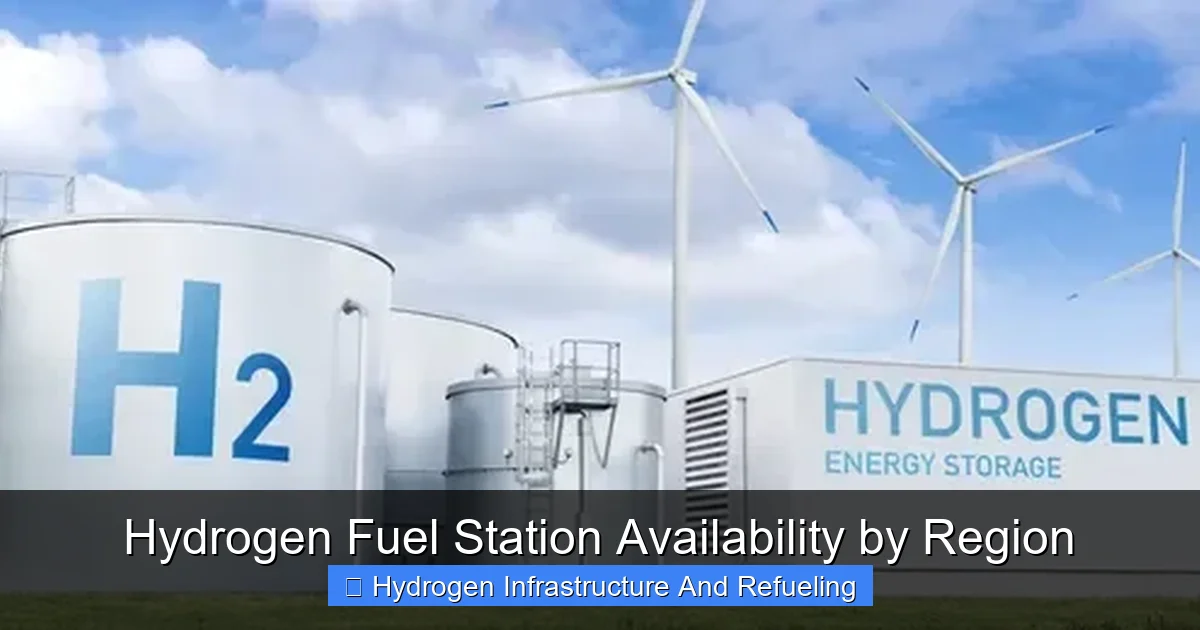
Visual guide about Hydrogen Fuel Station Availability by Region
Image source: hydrogenfuelfinder.com
When it comes to hydrogen fuel station availability by region in North America, the United States—particularly California—stands out as the clear leader. As of 2024, California is home to more than 50 public hydrogen refueling stations, making it the only state where FCEVs can be reliably used for everyday driving. These stations are primarily located in major metropolitan areas like Los Angeles, San Francisco, and San Diego, with additional support in the Central Valley and along key highway corridors.
The Golden State’s dominance isn’t accidental. It’s the result of decades of strategic investment, supportive policies, and collaboration between government agencies, automakers, and energy companies. The California Fuel Cell Partnership (CaFCP), a coalition that includes Toyota, Hyundai, Shell, and the state government, has been instrumental in planning and deploying stations. Their roadmap aims to have 1,000 stations by 2030, supporting up to 1 million FCEVs on the road.
One of the most visible signs of progress is the expansion of the “Hydrogen Highway”—a network of stations designed to connect major cities and enable long-distance travel. For example, drivers can now travel from San Francisco to Los Angeles with confidence, thanks to stations spaced roughly every 50 to 70 miles along Highway 101 and I-5. This kind of connectivity is crucial for building consumer trust.
But it’s not just about cars. California is also testing hydrogen-powered buses, delivery trucks, and even port equipment. The Port of Long Beach, for instance, has deployed hydrogen fuel cell drayage trucks to reduce emissions in one of the busiest shipping hubs in the U.S. These real-world applications help justify further investment in infrastructure.
Outside California, hydrogen station availability is sparse. A few stations exist in the Northeast, particularly in Connecticut and New York, supported by state grants and regional initiatives. However, these are often limited in capacity and not always open to the public. Canada, meanwhile, has only a handful of stations, mostly in British Columbia and Quebec, with plans to expand in the coming years.
The main challenges in North America remain cost and scale. Building a hydrogen station can cost between $1 million and $3 million, depending on size and technology. Unlike gasoline stations, which are profitable from day one, hydrogen stations often operate at a loss initially due to low vehicle adoption. This makes private investment risky without government subsidies or long-term contracts.
Still, momentum is building. The Inflation Reduction Act (IRA) of 2022 includes tax credits for clean hydrogen production and infrastructure, which could accelerate deployment. Additionally, companies like Plug Power and Air Liquide are investing in regional hydrogen hubs, aiming to serve both transportation and industrial needs.
Europe: A Continent-Wide Push for Hydrogen
Europe is emerging as a major player in the global hydrogen economy, with hydrogen fuel station availability by region expanding rapidly across the continent. Unlike the U.S., where progress is concentrated in one state, Europe’s approach is more decentralized, with multiple countries developing their own networks in parallel.
Germany is arguably the European leader. As of 2024, it has over 100 hydrogen refueling stations, the most in Europe. The German government, in partnership with companies like H2 Mobility, Linde, and TotalEnergies, has committed to building a nationwide network. Their goal is to have 1,000 stations by 2030, supported by €9 billion in federal funding for hydrogen technologies.
France and the Netherlands are also making significant strides. France has around 30 stations, with plans to double that number by 2025. The French government’s “Hydrogen Plan” includes subsidies for both vehicle purchases and infrastructure development. Meanwhile, the Netherlands has focused on integrating hydrogen into its logistics and public transport sectors. Rotterdam, Europe’s largest port, is becoming a hub for hydrogen-powered ships and trucks.
Scandinavian countries like Norway and Sweden are leveraging their strong renewable energy bases to produce green hydrogen—hydrogen made using wind, solar, or hydroelectric power. This not only reduces emissions but also enhances energy security. Norway, for example, has several stations along the E18 highway, enabling cross-country travel for FCEVs.
One of the most exciting developments in Europe is the creation of cross-border hydrogen corridors. The “H2 Corridor” project, supported by the European Union, aims to connect hydrogen stations from the Netherlands to Italy, passing through Germany, Austria, and Switzerland. This initiative is designed to support long-haul trucking and intercity travel, addressing one of the biggest gaps in current infrastructure.
Public transportation is another area where Europe is leading. Cities like Hamburg, Berlin, and Cologne have introduced hydrogen-powered buses, and several countries are testing hydrogen trains. In Germany, the Coradia iLint, a hydrogen train developed by Alstom, is already in commercial service on regional lines, offering a zero-emission alternative to diesel trains.
Despite this progress, challenges remain. Station density is still low in many rural areas, and the cost of hydrogen remains higher than gasoline or electricity in most cases. Additionally, there’s a lack of standardization in refueling protocols, which can complicate cross-border travel.
Still, the European Union’s Green Deal and REPowerEU plan have placed hydrogen at the center of the continent’s energy transition. With billions in funding and a clear regulatory framework, Europe is well-positioned to become a global leader in hydrogen infrastructure.
Asia: Japan and South Korea Lead the Way
When it comes to hydrogen fuel station availability by region, Asia—particularly Japan and South Korea—has been ahead of the curve for over a decade. Both countries have embraced hydrogen as a key component of their clean energy strategies, driven by limited natural resources, high population density, and a strong industrial base.
Japan is often considered the birthplace of the modern hydrogen economy. The Japanese government launched its “Basic Hydrogen Strategy” in 2017, aiming to create a “hydrogen society” where hydrogen is used for transportation, power generation, and industrial processes. As part of this vision, Japan has built more than 160 hydrogen refueling stations—the highest number in Asia and among the highest per capita in the world.
Tokyo, Osaka, and Nagoya are the main hubs, with stations located in urban centers, near government offices, and along major highways. The country’s automakers, especially Toyota and Honda, have been instrumental in driving demand. Toyota’s Mirai, one of the first mass-produced FCEVs, has been sold in Japan since 2014, and the company is now on its second generation. Honda also offered the Clarity Fuel Cell, though it has since paused production.
South Korea is not far behind. The Korean government has set an ambitious target of 1,200 hydrogen stations by 2040, with over 300 already operational as of 2024. Hyundai, the country’s largest automaker, has been a major force behind this growth. The Hyundai NEXO, a sleek and efficient FCEV, is widely available and supported by a growing network of stations.
One of the unique aspects of Korea’s approach is the integration of hydrogen into urban planning. In cities like Seoul and Ulsan, hydrogen refueling stations are often co-located with hydrogen production facilities or renewable energy plants. This reduces transportation costs and improves efficiency. Additionally, Korea is investing in hydrogen-powered taxis and buses, with pilot programs in several metropolitan areas.
China, while slower to start, is now ramping up its efforts. The Chinese government has included hydrogen in its national energy strategy, with a focus on heavy-duty transport and industrial applications. As of 2024, China has over 300 hydrogen stations, mostly in cities like Beijing, Shanghai, and Guangzhou. However, many of these are not yet open to the public and are used primarily for testing and demonstration projects.
India and Southeast Asia are still in the early stages. India has a few pilot stations, often tied to government research initiatives, but widespread adoption remains years away. Thailand and Singapore are exploring hydrogen for public transport and port operations, but infrastructure is minimal.
The main advantage in Asia is strong government support and close collaboration between automakers and energy companies. However, high production costs and reliance on imported hydrogen (often from fossil fuels) remain barriers. Still, with continued investment, Asia is poised to remain a global leader in hydrogen infrastructure.
Rest of the World: Emerging Markets and Niche Applications
While North America, Europe, and Asia dominate the conversation on hydrogen fuel station availability by region, other parts of the world are beginning to explore hydrogen as a clean energy solution. Though infrastructure is limited, several countries are laying the groundwork for future expansion.
Australia is one of the most promising emerging markets. With abundant renewable energy resources—especially solar and wind—Australia has the potential to become a major producer of green hydrogen. The country has several pilot stations, particularly in South Australia and Queensland, often tied to research projects or mining operations. The government’s National Hydrogen Strategy aims to position Australia as a global exporter of hydrogen, with plans to build domestic refueling networks to support local demand.
In the Middle East, countries like Saudi Arabia and the UAE are investing heavily in hydrogen as part of their economic diversification efforts. Saudi Arabia’s NEOM project includes plans for a $5 billion green hydrogen plant, which could eventually support a network of refueling stations. The UAE has a few stations in Dubai and Abu Dhabi, primarily for demonstration purposes, but the government is actively promoting hydrogen for transport and industry.
Chile is another standout in Latin America. With vast solar resources in the Atacama Desert, Chile is developing green hydrogen projects for export and domestic use. A few pilot stations have been installed in Santiago, and the government is working with international partners to expand the network.
Africa remains largely untapped, but South Africa is exploring hydrogen for mining and transport. A pilot station in Johannesburg supports a small fleet of hydrogen-powered buses, and the government is studying the feasibility of a national hydrogen strategy.
In all these regions, the focus is often on niche applications rather than passenger vehicles. Heavy-duty trucks, buses, and industrial equipment are seen as the most viable early adopters due to their high energy demands and centralized refueling needs.
The challenge in these emerging markets is funding and technical expertise. Building a hydrogen station requires specialized knowledge and significant capital, which can be difficult to secure in developing economies. However, international partnerships and climate finance initiatives are helping to bridge the gap.
Challenges and Barriers to Widespread Adoption
Despite progress in key regions, hydrogen fuel station availability by region remains limited by several persistent challenges. One of the biggest hurdles is cost. Producing, transporting, and storing hydrogen is expensive, especially when compared to gasoline or electricity. Most hydrogen today is produced from natural gas (known as “grey hydrogen”), which still generates carbon emissions. While “green hydrogen” made from renewables is cleaner, it’s also significantly more expensive.
Another issue is infrastructure complexity. Hydrogen stations require high-pressure storage, specialized compressors, and safety systems to handle a highly flammable gas. This makes them more complex and costly to build and maintain than electric charging stations.
Consumer awareness is also a barrier. Many people are unfamiliar with hydrogen vehicles and how they work. Unlike electric cars, which have gained widespread attention, FCEVs are still seen as a niche technology. This lack of awareness translates into low demand, which in turn discourages investment in new stations.
Finally, there’s the “chicken-and-egg” problem: without enough vehicles, there’s little incentive to build stations, and without stations, consumers are reluctant to buy vehicles. Breaking this cycle requires coordinated action from governments, automakers, and energy companies.
The Future of Hydrogen Refueling: What’s Next?
Looking ahead, hydrogen fuel station availability by region is expected to grow significantly, driven by falling production costs, technological advances, and stronger policy support. Experts predict that by 2030, major markets could have hundreds or even thousands of stations, enabling broader adoption of FCEVs.
One promising trend is the rise of hydrogen hubs—regional clusters where production, storage, and refueling are integrated. These hubs can serve multiple sectors, from transportation to industry, improving efficiency and reducing costs.
Another development is the expansion of mobile refueling solutions. Companies are testing hydrogen trailers and portable stations that can be deployed temporarily for events, construction sites, or remote areas. This could help bridge the gap in underserved regions.
Ultimately, the future of hydrogen refueling will depend on collaboration, innovation, and sustained investment. While challenges remain, the progress made in key regions shows that a hydrogen-powered future is not just possible—it’s already underway.
Frequently Asked Questions
Where can I find hydrogen fuel stations in the U.S.?
Most hydrogen fuel stations in the U.S. are located in California, with over 50 public stations in cities like Los Angeles, San Francisco, and San Diego. A few stations also exist in the Northeast, but availability outside California is very limited.
Are hydrogen fuel stations safe?
Yes, hydrogen fuel stations are designed with multiple safety features, including leak detection, ventilation systems, and automatic shut-offs. Hydrogen is lighter than air and disperses quickly, reducing fire risk compared to gasoline.
Can I drive a hydrogen car across the country?
Currently, long-distance travel with a hydrogen car is only feasible in California and parts of Europe. Most stations are clustered in urban areas, so cross-country trips are not yet practical in most regions.
How much does it cost to fuel a hydrogen car?
The cost varies by region, but in California, hydrogen typically costs around $12–$16 per kilogram. A full tank can cost $80–$100 and provide a range of 300–400 miles, similar to a gasoline car.
Are hydrogen stations open to the public?
Most hydrogen stations in California and Europe are open to the public. However, some stations in Asia and pilot projects in other regions may be restricted to fleets or demonstration vehicles.
Will hydrogen stations become as common as gas stations?
It’s unlikely hydrogen stations will match the density of gas stations, but they could become common in urban areas and along major highways by 2030, especially if FCEV adoption increases and production costs fall.