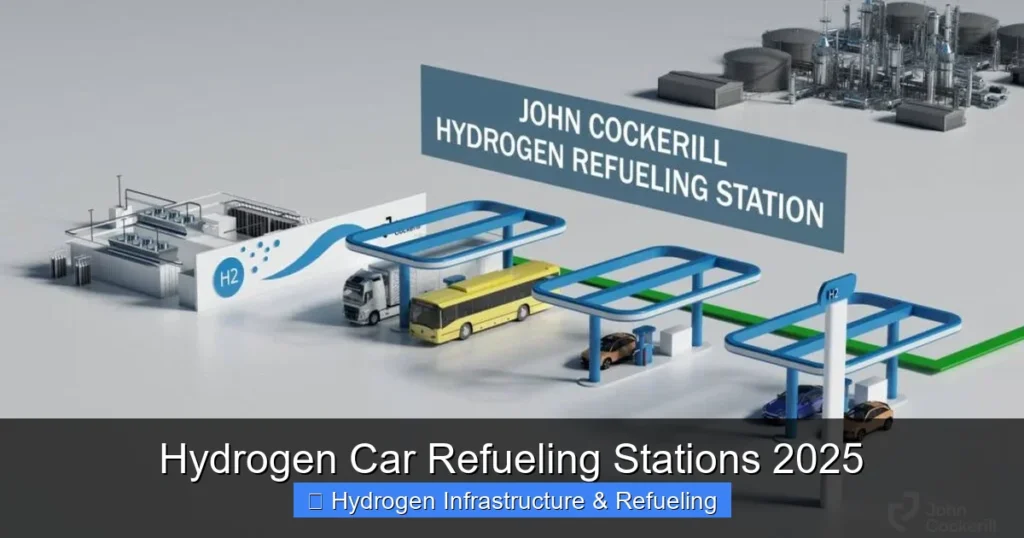
Hydrogen fueling infrastructure is rapidly evolving to support zero-emission transportation. From production and storage to distribution and station deployment, this network is key to scaling hydrogen-powered vehicles and heavy-duty transport.
Key Takeaways
- Hydrogen fueling stations are expanding globally: Countries like Japan, Germany, and the U.S. are investing heavily in building refueling networks to support fuel cell electric vehicles (FCEVs).
- Green hydrogen is the sustainable goal: Produced using renewable energy, green hydrogen reduces carbon emissions and supports climate targets.
- Refueling is fast and convenient: Hydrogen vehicles can refuel in 3–5 minutes, similar to gasoline, offering a major advantage over battery charging.
- Infrastructure faces high costs and technical hurdles: Building stations and transporting hydrogen safely remain expensive and complex challenges.
- Heavy-duty transport leads adoption: Trucks, buses, and industrial equipment are early adopters due to hydrogen’s high energy density and quick refueling.
- Government policies drive growth: Subsidies, tax incentives, and national strategies are accelerating infrastructure development.
- Innovation is improving efficiency: Advances in compression, storage, and electrolysis are making hydrogen more viable and cost-effective.
📑 Table of Contents
- Introduction: The Rise of Hydrogen as a Clean Energy Solution
- What Is Hydrogen Fueling Infrastructure?
- How Is Hydrogen Produced for Fueling?
- Hydrogen Storage and Transportation Challenges
- Building a Network: Hydrogen Refueling Stations
- Applications: Where Hydrogen Fueling Makes the Most Sense
- The Role of Policy and Investment
- Future Outlook: What’s Next for Hydrogen Infrastructure?
- Conclusion: The Road Ahead for Hydrogen Fueling
Introduction: The Rise of Hydrogen as a Clean Energy Solution
Imagine pulling up to a fueling station, connecting a nozzle, and filling your vehicle in under five minutes—just like gasoline—but without any tailpipe emissions. That’s the promise of hydrogen fueling infrastructure. As the world shifts toward cleaner transportation, hydrogen is emerging as a powerful alternative to fossil fuels and even battery-electric systems, especially for long-haul and heavy-duty applications.
Hydrogen fuel cell electric vehicles (FCEVs) produce electricity on board by combining hydrogen with oxygen, emitting only water vapor. But for these vehicles to become mainstream, they need a reliable and accessible network of fueling stations. That’s where hydrogen fueling infrastructure comes in. It’s not just about the pumps—it’s a complex system involving production, storage, transportation, and dispensing. And while still in its early stages compared to electric charging networks, this infrastructure is growing fast, backed by government support, private investment, and technological innovation.
What Is Hydrogen Fueling Infrastructure?
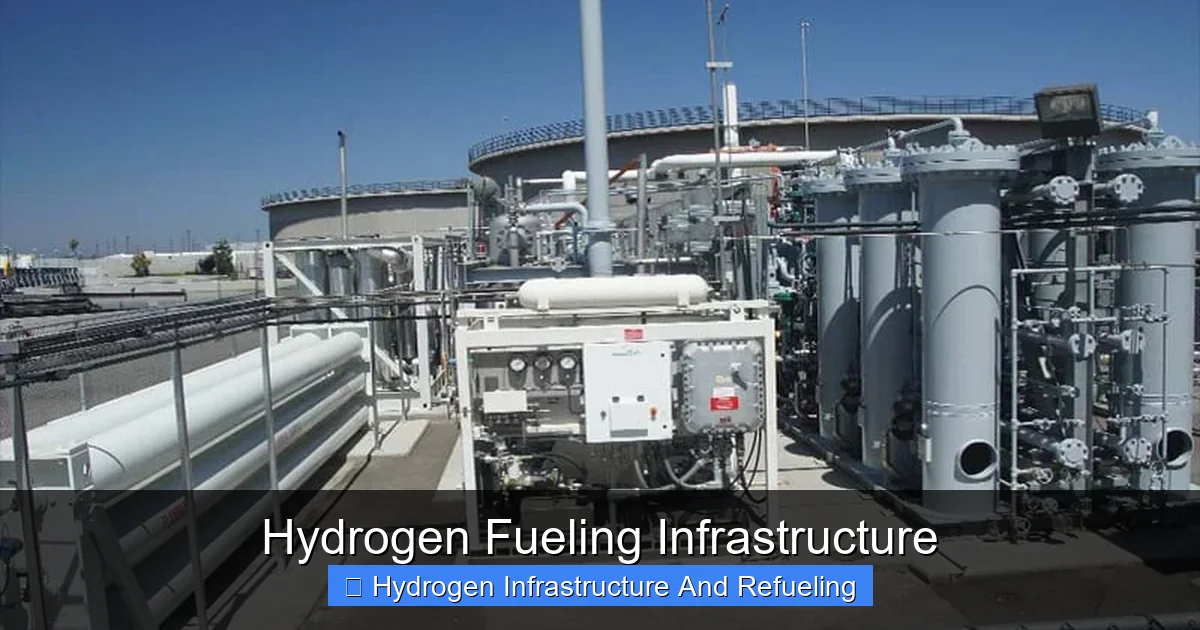
Visual guide about Hydrogen Fueling Infrastructure
Image source: gasworld.com
Hydrogen fueling infrastructure refers to the complete ecosystem required to deliver hydrogen fuel to vehicles. Unlike gasoline stations that simply store and dispense fuel, hydrogen infrastructure must handle a highly flammable, low-density gas that requires special handling, storage, and safety protocols. The system includes several key components: production facilities, compression and storage systems, transportation methods, and refueling stations.
At its core, the infrastructure enables the safe and efficient delivery of hydrogen to fuel cell vehicles. This includes everything from large-scale hydrogen production plants to the small dispensers at local stations. The goal is to create a seamless experience for drivers—similar to filling up at a gas station—while ensuring safety, reliability, and environmental sustainability.
Components of the Hydrogen Fueling Network
A typical hydrogen fueling station includes several critical components. First, there’s the hydrogen source—this could be on-site production using electrolysis or delivery via tube trailers from a central plant. Next, the hydrogen is compressed to high pressures (typically 350 or 700 bar) to maximize storage density. It’s then stored in high-strength tanks before being dispensed into vehicles.
Safety systems are also essential. Hydrogen is lighter than air and disperses quickly, but it’s also highly flammable. Stations are equipped with leak detectors, ventilation systems, and emergency shut-off valves. Many also use advanced materials and designs to prevent embrittlement—a condition where metals become brittle when exposed to hydrogen.
Another important aspect is the dispenser interface. Modern hydrogen dispensers are designed to be user-friendly, with clear instructions and automatic shut-off features. Some even include pre-cooling systems to ensure the hydrogen is delivered at the optimal temperature, improving fueling speed and efficiency.
How Is Hydrogen Produced for Fueling?
Before hydrogen can be used as fuel, it must be produced. And how it’s made makes a big difference in its environmental impact. Currently, most hydrogen is produced from natural gas through a process called steam methane reforming (SMR). While this method is cost-effective, it releases carbon dioxide, making it a “gray” hydrogen source.
However, the future of hydrogen fueling infrastructure depends on cleaner production methods. “Blue” hydrogen uses SMR but captures and stores the CO2 emissions, reducing its carbon footprint. The real game-changer, though, is “green” hydrogen—produced by splitting water into hydrogen and oxygen using renewable electricity from sources like wind, solar, or hydropower.
Green Hydrogen: The Sustainable Path Forward
Green hydrogen is the gold standard for clean energy. It produces zero emissions during production and use, making it ideal for decarbonizing transportation, industry, and power generation. Electrolyzers—devices that use electricity to split water—are the key technology behind green hydrogen. As renewable energy costs continue to fall, green hydrogen is becoming more economically viable.
Countries like Germany, Australia, and Canada are investing billions in green hydrogen projects. For example, Germany’s National Hydrogen Strategy aims to build 10 gigawatts of electrolysis capacity by 2030. Similarly, Australia is developing massive solar and wind farms to power hydrogen production for export and domestic use.
On-Site vs. Centralized Production
Hydrogen can be produced either on-site at fueling stations or at centralized plants and transported to stations. On-site production using small electrolyzers offers greater independence and reduces transportation costs, but it requires a reliable source of renewable electricity. Centralized production, on the other hand, benefits from economies of scale and can serve multiple stations, but it adds complexity and cost related to transportation.
Many early hydrogen stations use delivered hydrogen, often transported in high-pressure tube trailers. However, as green hydrogen production scales up, we’re likely to see more on-site generation, especially in areas with abundant renewable energy.
Hydrogen Storage and Transportation Challenges
Storing and transporting hydrogen is one of the biggest challenges in building a robust fueling infrastructure. Hydrogen has a very low energy density by volume, which means it must be compressed or liquefied to be practical for transport and storage.
Compression and High-Pressure Storage
Most hydrogen fueling stations store hydrogen as a compressed gas at 350 or 700 bar (5,000–10,000 psi). This allows vehicles to carry enough fuel for long-range travel—typically 300–400 miles per fill-up. Compressing hydrogen requires energy, but it’s currently the most practical method for light-duty vehicles.
High-pressure storage tanks are made from advanced composite materials to withstand the stress and prevent leaks. These tanks are rigorously tested and must meet strict safety standards. In vehicles, they’re often mounted in protected areas to minimize risk in a collision.
Liquid Hydrogen: A Denser Option
Liquid hydrogen offers higher energy density and is used in some heavy-duty applications and space programs. However, it must be cooled to -253°C (-423°F), requiring expensive cryogenic equipment and insulation. Boil-off—the natural evaporation of liquid hydrogen—can lead to fuel loss over time, making it less practical for widespread use in passenger vehicles.
Despite these challenges, liquid hydrogen is being explored for long-haul trucking and aviation, where weight and space are critical. Companies like Nikola and Toyota are developing hydrogen-powered trucks that use liquid hydrogen for extended range.
Pipeline and Tube Trailer Transport
Transporting hydrogen from production sites to fueling stations is another hurdle. Pipelines are the most efficient method for large volumes, but building new hydrogen pipelines is expensive and faces regulatory and safety concerns. Existing natural gas pipelines can sometimes be repurposed, but hydrogen can cause embrittlement in some materials.
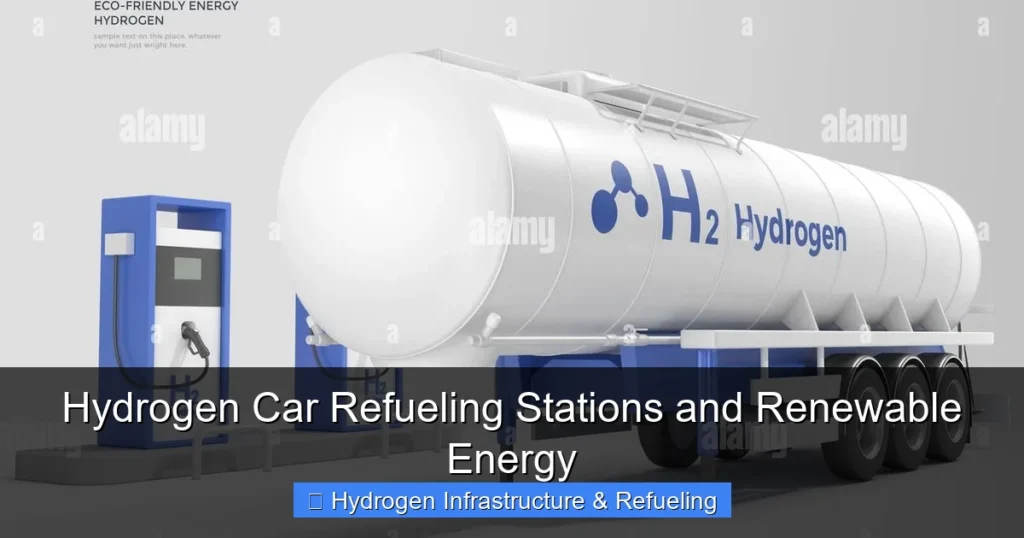
As a result, most hydrogen is currently transported by truck in high-pressure tube trailers. These trailers can carry several hundred kilograms of hydrogen, but the process is energy-intensive and adds to the cost. Rail and barge transport are also being considered for regional distribution.
Building a Network: Hydrogen Refueling Stations
The number of hydrogen refueling stations is growing, but it’s still far behind electric charging networks. As of 2024, there are over 1,000 hydrogen stations worldwide, with the majority in Japan, South Korea, Germany, and California. These stations serve a mix of passenger cars, buses, trucks, and industrial equipment.
Station Design and Operations
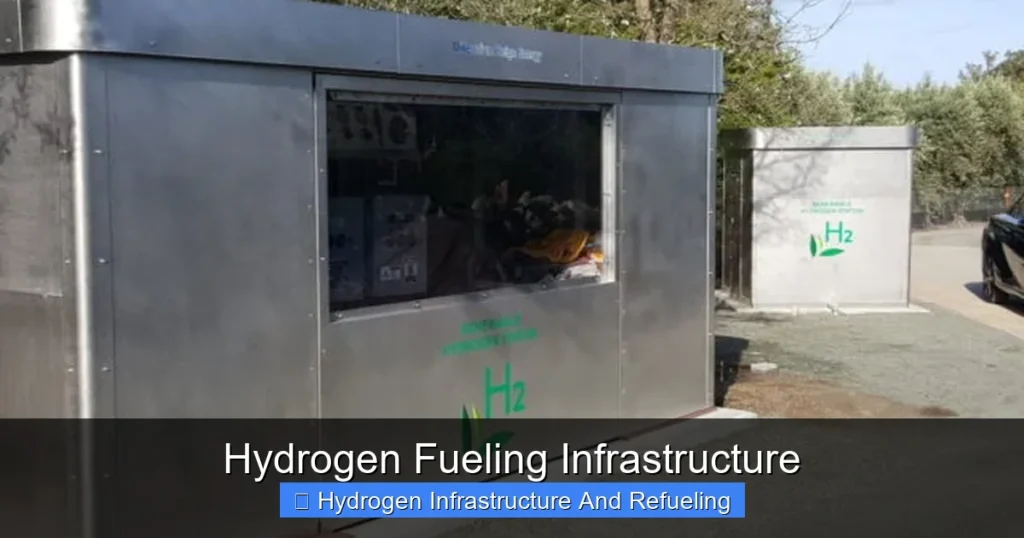
A typical hydrogen station includes a dispenser, compressor, storage tanks, and safety systems. Some stations also have on-site electrolyzers for green hydrogen production. The design prioritizes safety, with wide spacing between equipment, blast-resistant structures, and automated monitoring.
Refueling a hydrogen vehicle is simple. The driver connects the nozzle, the system purges air from the line, and hydrogen flows into the tank. The entire process takes 3–5 minutes, making it much faster than charging an electric vehicle. Many stations also offer payment systems integrated with mobile apps or membership cards.
Cost and Scalability
One of the biggest barriers to expanding hydrogen fueling infrastructure is cost. A single hydrogen station can cost between $1.5 million and $3 million to build—much more than a fast-charging EV station. High costs come from specialized equipment, safety systems, and permitting.
However, costs are expected to fall as technology improves and production scales up. Modular station designs, shared infrastructure, and government incentives are helping to reduce expenses. For example, California’s Clean Transportation Program has funded over 100 hydrogen stations, driving down costs through volume and experience.
Case Study: California’s Hydrogen Highway
California is a global leader in hydrogen infrastructure. The state’s “Hydrogen Highway” initiative, launched in the early 2000s, aimed to build a network of stations to support FCEVs. Today, California has over 60 operational hydrogen stations, with more in development.
The program is supported by automakers like Toyota, Hyundai, and Honda, which lease FCEVs to consumers. Stations are strategically located along major highways and in urban centers like Los Angeles and San Francisco. The state also offers rebates and incentives for station operators and vehicle buyers.
This public-private partnership model has been key to success. It ensures demand for hydrogen while reducing risk for investors. Similar models are being adopted in Europe and Asia.
Applications: Where Hydrogen Fueling Makes the Most Sense
While hydrogen vehicles are still a niche market, they’re finding strong use cases in specific sectors. The key advantage of hydrogen is its high energy density and fast refueling—making it ideal for applications where downtime is costly.
Passenger Vehicles: A Growing Niche
FCEVs like the Toyota Mirai, Hyundai NEXO, and Honda Clarity offer zero-emission driving with the convenience of quick refueling. They’re ideal for drivers who need long range and can’t wait hours to recharge. However, limited station availability and higher vehicle costs have slowed adoption.
Still, automakers remain committed. Toyota plans to expand its Mirai lineup, and Hyundai is investing in hydrogen trucks and buses. As infrastructure grows, passenger FCEVs could become more mainstream, especially in regions with strong government support.
Heavy-Duty Transport: The Sweet Spot
Hydrogen shines in heavy-duty applications. Trucks, buses, and delivery vans often operate on fixed routes and return to a central depot, making it easier to build dedicated fueling stations. Hydrogen’s fast refueling and long range are major advantages over batteries, which can take hours to charge and add significant weight.
Companies like Nikola, Hyzon, and Daimler are developing hydrogen-powered trucks for freight and logistics. In Europe, the H2Haul project is testing hydrogen trucks across multiple countries. In the U.S., ports like Long Beach and Los Angeles are piloting hydrogen drayage trucks to reduce emissions.
Public Transit and Fleets
Cities are also turning to hydrogen for public transit. Buses powered by hydrogen fuel cells offer zero emissions and quiet operation, improving urban air quality. London, Hamburg, and Tokyo have deployed hydrogen buses, and more cities are following suit.
Fleet operators, including delivery companies and logistics firms, are also exploring hydrogen. Amazon and Walmart are testing hydrogen trucks for last-mile delivery. These fleets benefit from centralized refueling and predictable routes.
The Role of Policy and Investment
Government support is critical for building hydrogen fueling infrastructure. Policies, subsidies, and strategic planning help de-risk investments and create demand.
National Hydrogen Strategies
Many countries have launched national hydrogen strategies. The European Union’s Hydrogen Strategy aims to install 40 gigawatts of electrolyzers by 2030. Japan’s Basic Hydrogen Strategy targets 800,000 FCEVs and 900 stations by 2030. The U.S. Department of Energy’s Hydrogen Program supports research, development, and deployment.
These strategies often include funding for infrastructure, tax credits, and mandates for clean transportation. For example, the U.S. Inflation Reduction Act offers tax credits for clean hydrogen production, incentivizing green hydrogen development.
Public-Private Partnerships
Collaboration between governments, automakers, energy companies, and utilities is essential. Joint ventures like H2 Mobility in Germany and First Element Fuel in California bring together stakeholders to build and operate stations.
These partnerships share costs, align goals, and accelerate deployment. They also help standardize technology and safety practices, ensuring interoperability and reliability.
Future Outlook: What’s Next for Hydrogen Infrastructure?
The future of hydrogen fueling infrastructure looks promising but uncertain. Costs are falling, technology is improving, and demand is growing—especially in heavy-duty and industrial sectors. However, challenges remain, including high upfront costs, limited production capacity, and competition from battery-electric vehicles.
Innovation on the Horizon
New technologies could transform the landscape. Solid-state hydrogen storage, for example, could allow safer and more compact storage without high pressure or extreme cold. Advances in electrolysis are making green hydrogen cheaper and more efficient.
Smart stations with AI-powered monitoring and predictive maintenance could improve reliability and reduce downtime. Mobile refueling units—trucks that deliver hydrogen to remote locations—could expand access in rural or underserved areas.
Integration with Renewable Energy
As renewable energy grows, hydrogen can play a key role in energy storage. Excess solar and wind power can be used to produce hydrogen, which can then be stored and used later for transportation or power generation. This creates a flexible, resilient energy system.
Countries with abundant renewables—like Australia, Chile, and Saudi Arabia—are positioning themselves as future hydrogen exporters. They plan to produce green hydrogen and ship it globally, creating a new energy trade network.
A Long-Term Vision
Hydrogen fueling infrastructure won’t replace gasoline or electric charging overnight. But it will likely become a key part of a diversified clean transportation system. In the long term, hydrogen could power not just vehicles, but also ships, planes, and industrial processes.
The transition will take time, investment, and collaboration. But with the right policies and innovation, hydrogen can help us build a cleaner, more sustainable future.
Conclusion: The Road Ahead for Hydrogen Fueling
Hydrogen fueling infrastructure is more than just a network of pumps—it’s a complex, evolving system that holds the key to decarbonizing transportation. From production and storage to distribution and refueling, every link in the chain must work together to make hydrogen a viable fuel.
While challenges remain, the progress is undeniable. Countries around the world are investing in hydrogen, automakers are launching new vehicles, and technology is advancing rapidly. The focus is shifting from gray to green hydrogen, and from niche applications to scalable solutions.
For consumers, the experience is becoming simpler and more convenient. For the planet, it’s a step toward zero emissions. As infrastructure expands and costs fall, hydrogen could play a major role in the clean energy transition—especially for heavy-duty transport and long-range travel.
The road ahead is long, but the destination is clear: a future where clean, fast, and reliable fueling is available for all.
Frequently Asked Questions
How long does it take to refuel a hydrogen vehicle?
Refueling a hydrogen vehicle takes about 3 to 5 minutes, similar to filling up a gasoline car. This is much faster than charging an electric vehicle, making hydrogen ideal for long trips and commercial use.
Is hydrogen fueling safe?
Yes, hydrogen fueling is safe when proper protocols are followed. Stations use advanced safety systems, leak detectors, and ventilation to prevent accidents. Hydrogen disperses quickly in air, reducing fire risk compared to gasoline.
Where can I find a hydrogen fueling station?
Hydrogen stations are currently concentrated in California, Japan, South Korea, Germany, and parts of China. Use apps like H2.Live or the U.S. Department of Energy’s Alternative Fuels Data Center to locate nearby stations.
What vehicles use hydrogen fuel?
Hydrogen fuel cell electric vehicles (FCEVs) like the Toyota Mirai, Hyundai NEXO, and Honda Clarity use hydrogen. Heavy-duty trucks, buses, and forklifts are also adopting hydrogen fuel cells for zero-emission operation.
Is hydrogen fuel expensive?
Currently, hydrogen fuel costs more than gasoline or electricity per mile, often $10–$16 per kilogram. However, prices are expected to fall as production scales up and green hydrogen becomes more common.
Can hydrogen be produced sustainably?
Yes, green hydrogen produced using renewable energy is completely sustainable and emits no carbon. It’s the preferred method for clean hydrogen fueling infrastructure and is key to long-term environmental benefits.