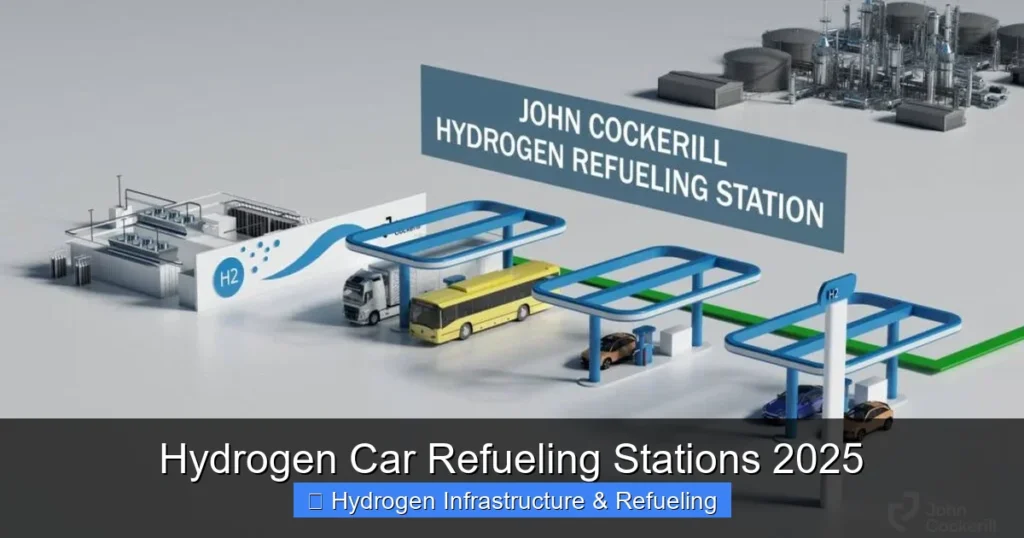
Hydrogen fueling stations in Canada are expanding rapidly, driven by government support, private investment, and the push for zero-emission vehicles. These stations power fuel cell electric vehicles (FCEVs) and play a key role in Canada’s clean energy future, especially in urban centers and along key transportation corridors.
Key Takeaways
- Hydrogen fueling stations in Canada are increasing in number, with over 30 operational or planned sites as of 2024, primarily in British Columbia, Quebec, and Ontario.
- Government funding and policy support from federal and provincial levels are accelerating infrastructure development through programs like the Hydrogen Strategy for Canada.
- Most stations use green hydrogen, produced via electrolysis powered by renewable energy, aligning with Canada’s climate goals.
- FCEVs offer fast refueling and long range, making hydrogen a viable alternative to battery-electric vehicles for heavy-duty transport and long-distance travel.
- Public-private partnerships are essential, with companies like HTEC, Shell, and Toyota leading station deployment and vehicle integration.
- Challenges remain, including high costs, limited vehicle availability, and the need for broader public awareness and education.
- The future looks promising, with projections of 100+ stations by 2030, supporting Canada’s goal of net-zero emissions by 2050.
📑 Table of Contents
- Hydrogen Fueling Stations in Canada: Powering the Future of Clean Transportation
- The Current State of Hydrogen Fueling Infrastructure in Canada
- How Hydrogen Fueling Works: A Simple Explanation
- Driving the Growth: Government Support and Policy
- Private Sector Leadership: Who’s Building the Stations?
- Challenges and Barriers to Widespread Adoption
- The Road Ahead: What’s Next for Hydrogen in Canada?
- Conclusion: A Clean Fuel for a Clean Future
Hydrogen Fueling Stations in Canada: Powering the Future of Clean Transportation
Imagine pulling up to a fueling station, connecting a nozzle to your car, and in just three to five minutes, you’re back on the road with a full tank—emission-free. No long charging times, no range anxiety. This isn’t science fiction. It’s the reality of hydrogen fueling stations in Canada, a growing network that’s quietly reshaping how we think about clean transportation.
Hydrogen fueling stations are specialized facilities that dispense compressed hydrogen gas to power fuel cell electric vehicles (FCEVs). Unlike battery-electric vehicles (BEVs), which rely on large batteries and lengthy charging times, FCEVs generate electricity on-board through a chemical reaction between hydrogen and oxygen, emitting only water vapor as a byproduct. This makes them a compelling option for drivers who need quick refueling and long-range capability—especially in cold climates where battery performance can dip.
Canada, with its vast geography, cold winters, and ambitious climate targets, is uniquely positioned to benefit from hydrogen mobility. While electric vehicles have gained significant traction, hydrogen offers a complementary solution, particularly for heavy-duty trucks, buses, and long-haul freight. As the country strives to meet its goal of net-zero emissions by 2050, hydrogen infrastructure is becoming a critical piece of the puzzle.
The Current State of Hydrogen Fueling Infrastructure in Canada
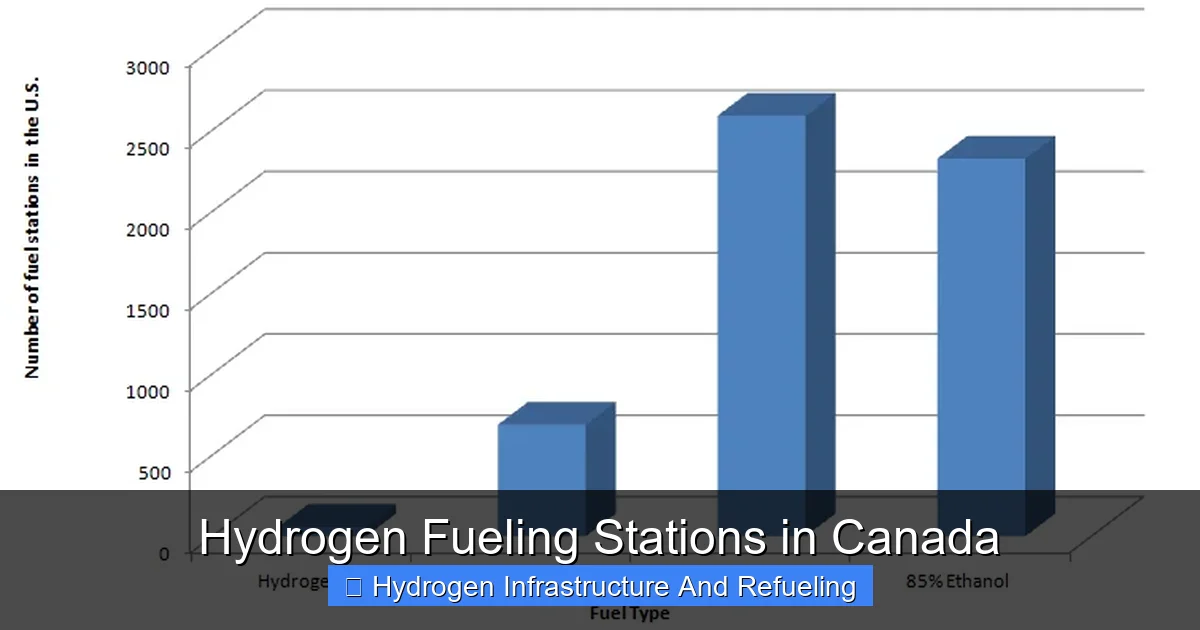
Visual guide about Hydrogen Fueling Stations in Canada
Image source: hydrogenenergyandfuel.weebly.com
As of 2024, Canada has over 30 hydrogen fueling stations either operational or in development. While this number may seem modest compared to the thousands of gas stations or EV chargers, it represents a significant leap from just a decade ago. The growth is concentrated in key regions: British Columbia leads the way, followed closely by Quebec and Ontario. These provinces have not only embraced hydrogen technology but have also invested heavily in supporting infrastructure and policy frameworks.
British Columbia is home to the country’s first public hydrogen fueling station, opened in 2018 by HTEC (Hydrogen Technology & Energy Corporation) in North Vancouver. Since then, the province has added several more stations in cities like Vancouver, Burnaby, and Surrey. These stations serve both passenger vehicles and fleet operators, including transit agencies testing hydrogen-powered buses.
In Quebec, the focus has been on integrating hydrogen into public transit and freight. The province’s first public hydrogen station opened in Montreal in 2021, developed in partnership with Cummins and the Quebec government. Ontario, meanwhile, is building momentum with stations in Toronto and Ottawa, supported by funding from Natural Resources Canada and private sector partners.
Where Are the Stations Located?
Hydrogen fueling stations in Canada are strategically placed along major transportation corridors and in urban centers with high vehicle traffic. Here’s a snapshot of key locations:
- Vancouver, BC: Multiple stations operated by HTEC, including one at the University of British Columbia and another near the Port of Vancouver, supporting both passenger and commercial vehicles.
- Montreal, QC: A public-access station in the Saint-Laurent borough, serving FCEVs and hydrogen-powered buses.
- Toronto, ON: A station in the downtown core, developed by Enbridge and PowerTap, with plans for expansion.
- Ottawa, ON: A pilot station supporting municipal fleet vehicles and public demonstrations.
- Calgary, AB: A station under development by Suncor and ATCO, aimed at supporting heavy-duty transport in the energy sector.
These stations are often co-located with existing gas stations or industrial facilities, reducing land use and infrastructure costs. For example, Shell has retrofitted some of its retail sites in BC to include hydrogen dispensers, blending traditional fueling with future-ready technology.
Types of Hydrogen Stations
Not all hydrogen fueling stations are created equal. In Canada, stations fall into three main categories:
- Retail (Public Access): Open to the general public, these stations allow individual FCEV owners to refuel. They are typically found in urban centers and along highways.
- Fleet-Only: Dedicated to specific organizations, such as transit agencies, delivery companies, or government fleets. These stations are often located at depots or maintenance facilities.
- Mobile or Temporary: Portable units used for demonstrations, events, or pilot projects. They help test hydrogen technology in new regions without permanent infrastructure.
Most new stations are designed to be scalable, with the ability to add more dispensers or increase capacity as demand grows. Some also include on-site hydrogen production, using electrolysis powered by renewable electricity—a key feature for reducing carbon footprints.
How Hydrogen Fueling Works: A Simple Explanation
If you’ve never seen a hydrogen fueling station, it might seem complex. But the process is surprisingly similar to filling up a gas-powered car—just cleaner and quieter.
When you arrive at a hydrogen station, you’ll find a dispenser that looks much like a gasoline pump, but with a different nozzle. The nozzle connects to your vehicle’s fuel inlet, forming a secure seal. Once connected, the station pressurizes hydrogen gas and transfers it into your car’s high-pressure storage tanks—typically at 700 bar (10,000 psi). This high pressure allows the vehicle to store enough hydrogen for a range of 500 to 700 kilometers, comparable to a conventional sedan.
The entire refueling process takes about 3 to 5 minutes—faster than most fast-charging EVs and far quicker than Level 2 charging. There’s no waiting around, no range anxiety, and no emissions. Just pull up, fuel up, and go.
Safety First: Is Hydrogen Safe?
Safety is a common concern when it comes to hydrogen, given its flammability. But in reality, hydrogen is one of the safest fuels when handled properly. It’s lighter than air, so any leaks dissipate quickly upward, reducing the risk of pooling or explosion. Modern FCEVs and fueling stations are equipped with multiple safety systems, including leak detectors, automatic shut-off valves, and fire suppression.
Canada’s hydrogen stations comply with strict national and international safety standards, such as those set by the Canadian Standards Association (CSA) and the Society of Automotive Engineers (SAE). Regular inspections and maintenance ensure that equipment remains in top condition.
Moreover, hydrogen has been used safely in industrial applications for decades—from refining oil to producing chemicals. The technology for safe storage and transport is well established. With proper training and protocols, hydrogen fueling is as safe as, if not safer than, gasoline or diesel.
Driving the Growth: Government Support and Policy
The expansion of hydrogen fueling stations in Canada isn’t happening by accident. It’s the result of coordinated efforts by federal, provincial, and municipal governments, backed by clear policy direction and financial incentives.
In December 2020, the Government of Canada released the Hydrogen Strategy for Canada, a comprehensive roadmap aimed at positioning the country as a global leader in hydrogen production and use. The strategy outlines a vision for a low-carbon hydrogen economy, with targets for domestic use and export. A key pillar of the strategy is building infrastructure—especially refueling stations—to support zero-emission transportation.
Federal Funding Programs
Several federal programs provide funding for hydrogen infrastructure:
- Zero Emission Vehicle Infrastructure Program (ZEVIP): Offers grants to support the deployment of alternative fuel stations, including hydrogen. To date, ZEVIP has funded multiple hydrogen projects across Canada.
- Strategic Innovation Fund (SIF): Supports large-scale clean technology projects, including hydrogen production and distribution networks.
- Clean Fuels Fund: A $1.5 billion initiative to expand production and use of low-carbon fuels, including green hydrogen.
These programs reduce the financial burden on private companies and municipalities, making it easier to justify the high upfront costs of building hydrogen stations.
Provincial Initiatives
Provinces are also playing a critical role. British Columbia’s CleanBC plan includes support for hydrogen infrastructure, with a goal of having a hydrogen corridor along Highway 1 from Vancouver to Kamloops. Quebec’s 2030 Green Economy Plan emphasizes hydrogen for heavy transport and industrial decarbonization. Ontario’s Low-Carbon Hydrogen Strategy aims to develop a hydrogen hub in the Greater Toronto Area.
Municipalities are getting involved too. Cities like Vancouver, Montreal, and Toronto are incorporating hydrogen into their climate action plans, setting targets for zero-emission public transit and supporting pilot projects.
Private Sector Leadership: Who’s Building the Stations?
While government support is essential, the private sector is driving much of the on-the-ground progress. Several companies are leading the charge in developing and operating hydrogen fueling stations in Canada.
HTEC (Hydrogen Technology & Energy Corporation)
Based in Vancouver, HTEC is Canada’s leading hydrogen infrastructure company. Founded in 2008, it has built and operates the majority of public hydrogen stations in the country. HTEC focuses on producing, distributing, and dispensing hydrogen, with a strong emphasis on green hydrogen made from renewable electricity.
HTEC’s stations are designed for reliability and ease of use. They offer real-time monitoring, remote diagnostics, and customer support. The company also works with automakers like Toyota and Hyundai to ensure compatibility with their FCEVs.
Shell and Other Energy Giants
Global energy companies are entering the Canadian hydrogen market. Shell, for example, has partnered with HTEC to co-develop hydrogen stations in British Columbia. These stations are integrated into Shell’s existing retail network, making them convenient for drivers.
Other players include Enbridge, which is investing in hydrogen production and distribution, and ATCO, which is developing hydrogen hubs in Alberta. These companies bring capital, expertise, and supply chain access, helping to scale the infrastructure quickly.
Automotive Partnerships
Car manufacturers are also investing in infrastructure to support their FCEV offerings. Toyota, which produces the Mirai, has collaborated with HTEC and government agencies to deploy stations in key markets. Hyundai, with its NEXO SUV, is following a similar path. These partnerships ensure that as more hydrogen vehicles hit the road, the fueling network keeps pace.
Challenges and Barriers to Widespread Adoption
Despite the progress, hydrogen fueling stations in Canada still face significant hurdles. The biggest challenge is cost. Building a single hydrogen station can cost between $1 million and $3 million—far more than a gasoline pump or even a fast EV charger. This high cost is due to the need for high-pressure storage, specialized compressors, and safety systems.
Limited Vehicle Availability
Another barrier is the limited number of FCEVs on the road. As of 2024, there are only a few thousand hydrogen-powered vehicles in Canada, compared to over 300,000 EVs. This low volume makes it difficult to justify the investment in new stations. Most FCEVs are concentrated in British Columbia and Quebec, where incentives and infrastructure are strongest.
Hydrogen Production and Distribution
Not all hydrogen is created equal. “Grey” hydrogen, produced from natural gas, is cheaper but emits carbon. “Blue” hydrogen captures and stores those emissions, while “green” hydrogen uses renewable energy and is truly zero-emission. In Canada, the goal is to prioritize green hydrogen, but production capacity is still limited.
Transporting hydrogen is also complex. It requires high-pressure tanks or cryogenic liquefaction, both of which are energy-intensive. Most Canadian stations receive hydrogen via tube trailers from centralized production facilities, which adds to the cost and carbon footprint.
Public Awareness and Education
Many Canadians are unfamiliar with hydrogen vehicles and how they work. Misconceptions about safety, cost, and performance persist. Building public trust requires education campaigns, test-drive events, and partnerships with schools and community groups.
The Road Ahead: What’s Next for Hydrogen in Canada?
The future of hydrogen fueling stations in Canada is bright. With strong government backing, private sector innovation, and growing demand for clean transportation, the network is expected to expand rapidly in the coming years.
Industry experts predict that Canada could have 100 or more hydrogen stations by 2030. These will form regional clusters and connect major cities, creating a national hydrogen corridor. The focus will shift from passenger vehicles to heavy-duty applications—trucks, buses, trains, and even marine vessels—where hydrogen’s advantages are most pronounced.
Innovation on the Horizon
New technologies are making hydrogen more viable. Advances in electrolysis are reducing the cost of green hydrogen production. Solid-state hydrogen storage could make vehicles lighter and safer. And hydrogen blending into natural gas pipelines is being tested as a way to decarbonize heating and industry.
Canada’s abundant renewable energy—hydro, wind, and solar—gives it a competitive edge in producing clean hydrogen. With the right investments, the country could become a global exporter of green hydrogen, fueling not just its own transportation sector but also international markets.
A Complement, Not a Competitor
It’s important to remember that hydrogen isn’t meant to replace battery-electric vehicles. Instead, it’s a complement. BEVs are ideal for short-range, urban driving. FCEVs excel in long-haul, heavy-duty, and cold-weather applications. Together, they offer a comprehensive solution for decarbonizing transportation.
As the network of hydrogen fueling stations in Canada grows, so too will the options for drivers, fleet operators, and policymakers. The journey is just beginning, but the destination—a cleaner, greener future—is within reach.
Conclusion: A Clean Fuel for a Clean Future
Hydrogen fueling stations in Canada represent more than just a new way to fill up your car. They symbolize a shift toward sustainable, resilient, and innovative transportation. From the bustling streets of Vancouver to the industrial heartland of Alberta, hydrogen is powering a quiet revolution.
While challenges remain, the momentum is undeniable. With continued investment, collaboration, and public support, Canada can build a hydrogen economy that reduces emissions, creates jobs, and leads the world in clean energy.
So the next time you see a hydrogen station, don’t just pass it by. Take a moment to appreciate what it stands for—a future where clean fuel is fast, safe, and accessible to all.
Frequently Asked Questions
How many hydrogen fueling stations are there in Canada?
As of 2024, there are over 30 hydrogen fueling stations in Canada, with the majority located in British Columbia, Quebec, and Ontario. This number is expected to grow significantly by 2030.
Are hydrogen fueling stations safe?
Yes, hydrogen fueling stations are safe when built and operated according to strict standards. Hydrogen dissipates quickly if leaked, and modern stations include multiple safety features like leak detection and automatic shut-off systems.
How long does it take to refuel a hydrogen car?
Refueling a hydrogen car takes about 3 to 5 minutes, similar to filling up a gasoline vehicle. This is much faster than charging most electric vehicles.
What types of vehicles use hydrogen fueling stations?
Hydrogen fueling stations power fuel cell electric vehicles (FCEVs), including passenger cars like the Toyota Mirai and Hyundai NEXO, as well as buses, trucks, and other fleet vehicles.
Is the hydrogen used in Canadian stations clean?
Many stations in Canada use green hydrogen, produced using renewable electricity. This ensures the fuel is truly zero-emission from production to use.
Can I drive a hydrogen car across Canada?
Currently, hydrogen fueling stations are concentrated in a few provinces, so long-distance travel is limited. However, planned expansions aim to create a national hydrogen corridor in the coming years.