Hydrogen fueling stations are emerging as a key part of the clean transportation revolution. From Asia to Europe and North America, nations are investing in hydrogen infrastructure to support fuel cell electric vehicles (FCEVs) and reduce carbon emissions. This article offers a global look at progress, challenges, and future opportunities in hydrogen refueling.
Key Takeaways
- Global growth is accelerating: Over 1,000 hydrogen fueling stations are now operational worldwide, with Japan, Germany, and California leading the way.
- Government support is critical: National policies, subsidies, and partnerships are driving infrastructure development and lowering costs.
- Hydrogen vehicles are expanding: FCEVs like the Toyota Mirai and Hyundai NEXO are gaining traction, especially in commercial fleets and public transit.
- Refueling is fast and clean: Hydrogen vehicles can refuel in 3–5 minutes, emitting only water vapor, making them ideal for long-haul transport.
- Challenges remain: High costs, energy-intensive production, and limited station density hinder widespread adoption.
- Green hydrogen is the future: Stations powered by renewable energy are key to making hydrogen truly sustainable.
- Collaboration is essential: Public-private partnerships and international cooperation will shape the future of hydrogen mobility.
📑 Table of Contents
The Rise of Hydrogen Mobility
Imagine pulling up to a fueling station, filling your car in minutes, and driving off with nothing but water dripping from the tailpipe. That’s not science fiction—it’s the promise of hydrogen-powered vehicles. As the world races to cut carbon emissions and combat climate change, hydrogen is stepping into the spotlight as a clean alternative to fossil fuels. And at the heart of this shift are hydrogen fueling stations—specialized facilities that deliver compressed hydrogen gas to fuel cell electric vehicles (FCEVs).
Unlike battery electric vehicles (BEVs), which rely on large, heavy batteries and long charging times, FCEVs generate electricity on board using hydrogen and oxygen. The result? A quiet, zero-emission ride with the convenience of quick refueling. But for this vision to become reality, we need a robust network of hydrogen fueling stations. Just like gas stations today, these stations must be accessible, reliable, and safe.
The good news? Countries around the world are stepping up. From Japan’s dense urban networks to Germany’s cross-country corridors and California’s pioneering infrastructure, hydrogen refueling is no longer a niche concept. It’s becoming a tangible part of the clean transportation ecosystem. But while progress is exciting, it’s not without hurdles. High costs, limited vehicle availability, and the need for renewable hydrogen production are all challenges that must be addressed.
In this article, we’ll take a global tour of hydrogen fueling stations—exploring where they’re being built, how they work, who’s leading the charge, and what the future holds. Whether you’re a curious driver, a policy maker, or a clean energy enthusiast, understanding hydrogen infrastructure is key to imagining a cleaner, greener future on the road.
How Hydrogen Fueling Stations Work
Visual guide about Hydrogen Fueling Stations: a Global Perspective
Image source: 64.media.tumblr.com
Before diving into global trends, it helps to understand how hydrogen fueling stations actually function. At first glance, they might look similar to traditional gas stations—pumps, hoses, and payment systems—but the technology behind them is far more advanced.
The Refueling Process
When a hydrogen-powered vehicle arrives at a station, the driver connects a nozzle to the vehicle’s fuel inlet. The station then delivers high-pressure hydrogen gas—typically at 350 or 700 bar—directly into the vehicle’s onboard tanks. This process takes just 3 to 5 minutes, comparable to filling up a gasoline car. Once the tank is full, the vehicle can travel 300 to 400 miles on a single fill, depending on the model and driving conditions.
Unlike electric charging, which can take 30 minutes to several hours, hydrogen refueling offers a familiar, time-efficient experience. This makes FCEVs especially appealing for long-distance travel, ride-sharing services, and commercial fleets that can’t afford downtime.
Station Components and Safety
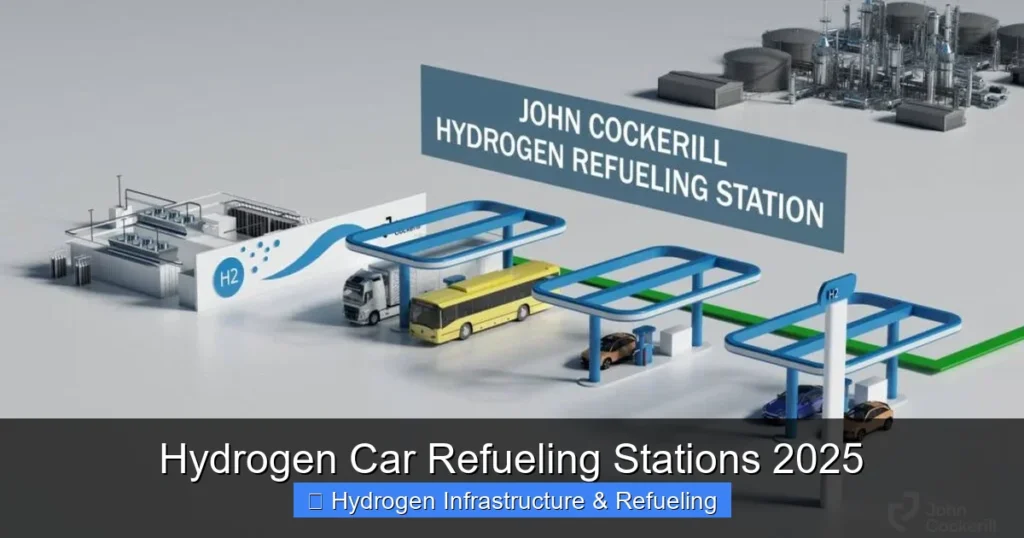
A typical hydrogen fueling station includes several key components: hydrogen storage tanks, compressors, dispensers, and safety systems. The hydrogen is usually stored as a compressed gas in high-strength cylinders. Compressors increase the pressure to meet vehicle requirements, while dispensers control the flow and monitor temperature and pressure in real time.
Safety is a top priority. Hydrogen is flammable, but it’s also lighter than air, so it disperses quickly if leaked. Stations are equipped with sensors, ventilation systems, and emergency shut-off valves to prevent accidents. In fact, hydrogen has been safely used in industrial applications for over a century, and modern stations follow strict international safety standards.
On-Site vs. Delivered Hydrogen
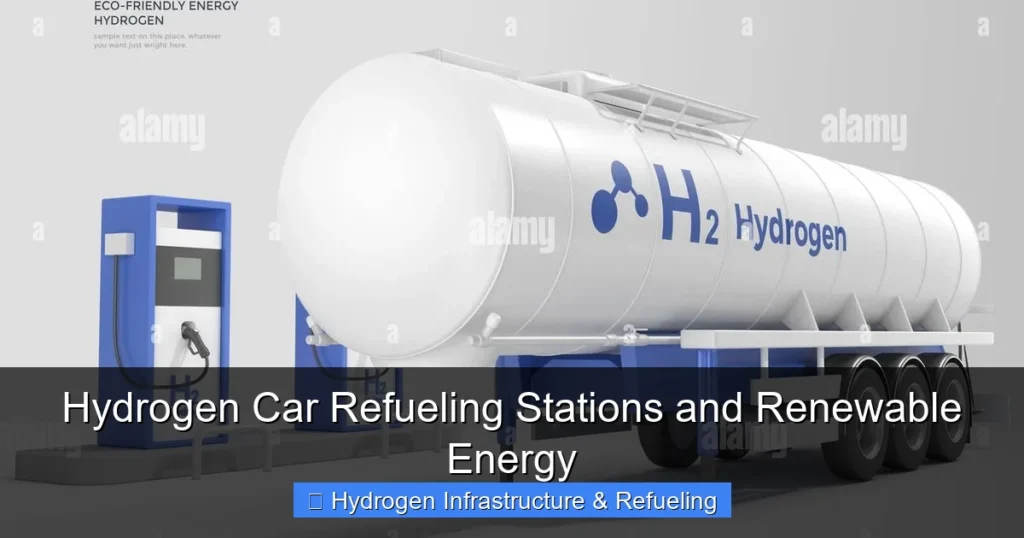
There are two main ways hydrogen gets to a fueling station: delivered or produced on-site. Most stations today receive hydrogen via tube trailers from centralized production facilities. This method is cost-effective for early-stage networks but relies on transportation, which adds emissions and complexity.
On-site production, where hydrogen is generated directly at the station using electrolysis (splitting water into hydrogen and oxygen with electricity), is growing in popularity—especially when powered by renewable energy. This “green hydrogen” approach reduces carbon footprint and increases energy independence. However, it requires significant space and upfront investment.
As technology improves and costs fall, we’re likely to see more hybrid models—stations that combine delivered hydrogen with on-site generation—offering flexibility and resilience.
Global Leaders in Hydrogen Infrastructure
While hydrogen fueling is still in its early stages, several countries are emerging as global leaders in building out infrastructure. Their strategies vary, but they share a common goal: creating a sustainable, scalable network to support hydrogen mobility.
Japan: The Pioneer
Japan is arguably the world’s most advanced hydrogen nation. With over 160 operational hydrogen fueling stations, it has the densest network globally. The government launched its “Basic Hydrogen Strategy” in 2017, aiming to make hydrogen a core energy source by 2050. Companies like Toyota, Honda, and Iwatani Corporation are investing heavily in both vehicles and infrastructure.
Tokyo alone has more than 30 stations, many located in urban centers and near public transit hubs. Japan is also pioneering hydrogen use in buses, taxis, and even forklifts. The country’s focus on energy security—having limited fossil fuel resources—makes hydrogen an attractive option.
Germany: Europe’s Hydrogen Hub
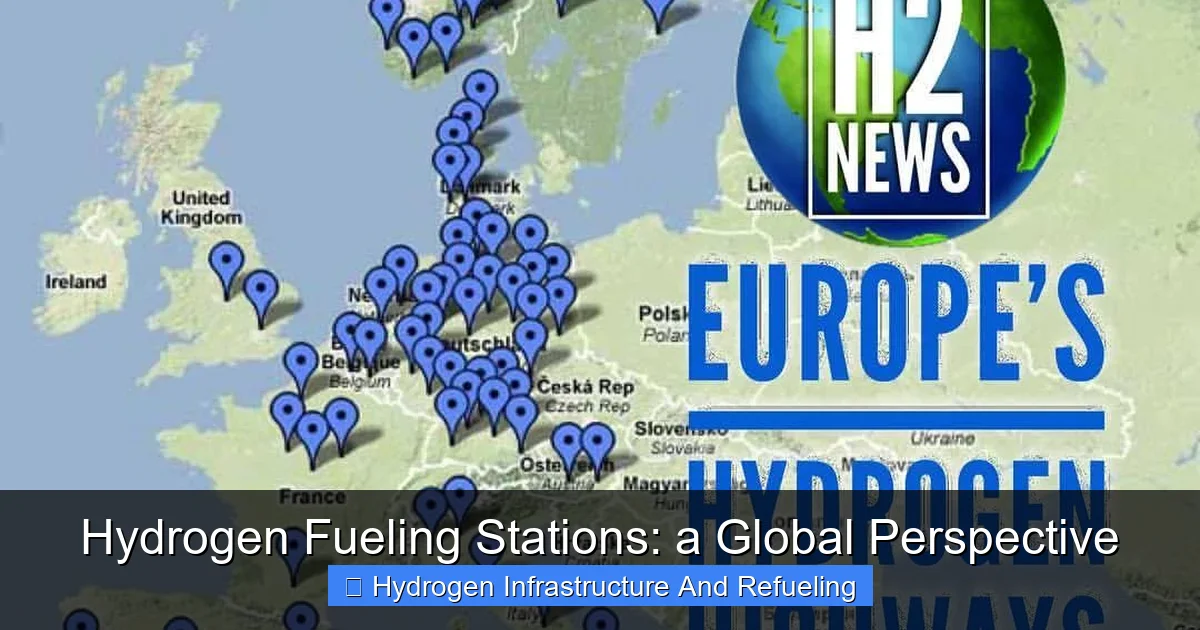
Germany is leading the charge in Europe, with over 100 hydrogen fueling stations and ambitious expansion plans. The government’s National Hydrogen Strategy aims to make Germany a global leader in hydrogen technology. With strong support from automakers like BMW and Daimler, and energy giants like Linde and Shell, Germany is building a nationwide network.
A standout project is the H2 Mobility initiative, a public-private partnership that has deployed stations along major highways, enabling long-distance travel. Germany is also investing in green hydrogen production, using wind and solar power to produce clean fuel.
California: The U.S. Trailblazer
In the United States, California is far ahead of other states when it comes to hydrogen infrastructure. With more than 60 operational stations—mostly in Los Angeles and the San Francisco Bay Area—California is home to the largest concentration of FCEVs in the country.
The state’s Zero-Emission Vehicle (ZEV) mandate and incentives from the California Air Resources Board (CARB) have driven demand. Programs like the Clean Transportation Program fund station construction, while automakers like Toyota and Hyundai offer fueling credits to new FCEV buyers.
California is also focusing on green hydrogen. The state aims to produce 200,000 metric tons of renewable hydrogen annually by 2030, powering both transportation and industrial uses.
South Korea: Fast Growth and Fleet Focus
South Korea has rapidly expanded its hydrogen network, with over 80 stations as of 2023. The government’s Hydrogen Economy Roadmap targets 1,200 stations by 2040. Hyundai, the country’s largest automaker, is a major driver, with its NEXO SUV leading global FCEV sales.
South Korea is also focusing on hydrogen buses and trucks. Seoul alone operates over 300 hydrogen buses, with plans to reach 10,000 by 2030. The country’s compact geography and strong manufacturing base make it ideal for scaling hydrogen technology.
China: Scaling Up with State Support
China is the world’s largest automotive market, and it’s now turning its attention to hydrogen. While still in the early stages—with around 300 stations—China is investing heavily in hydrogen infrastructure as part of its carbon neutrality goals.
The government supports hydrogen through subsidies, pilot cities, and partnerships with companies like Sinopec and SAIC Motor. China is particularly focused on heavy-duty transport, using hydrogen for trucks, buses, and port equipment. With its massive industrial capacity, China has the potential to become a global hydrogen powerhouse.
Challenges Facing Hydrogen Fueling Stations
Despite promising growth, hydrogen fueling stations face several significant challenges that could slow adoption.
High Costs
Building a hydrogen fueling station is expensive—typically between $1.5 million and $3 million per unit. This is much higher than electric charging stations or even traditional gas stations. Costs come from specialized equipment, safety systems, and the need for high-pressure storage.
While prices are expected to fall as technology scales, the high upfront investment remains a barrier, especially in regions with limited government support.
Limited Vehicle Availability
There are still relatively few hydrogen-powered vehicles on the road. As of 2023, global FCEV sales are in the tens of thousands—compared to millions of BEVs. This low demand makes it hard to justify building new stations, creating a “chicken-and-egg” problem: no stations mean few buyers, and few buyers mean no stations.
Automakers are working to expand their FCEV lineups, but progress is slow. Most hydrogen vehicles are sedans or SUVs, with limited options for trucks or motorcycles.
Hydrogen Production and Sustainability
Not all hydrogen is created equal. Today, over 95% of hydrogen is produced from natural gas through a process called steam methane reforming (SMR), which emits carbon dioxide. This “gray hydrogen” undermines the environmental benefits of FCEVs.
“Green hydrogen,” produced using renewable electricity, is the ideal—but it’s currently more expensive and less available. Scaling up green hydrogen production is essential for hydrogen to be a truly clean fuel.
Infrastructure Gaps
Even in leading countries, hydrogen stations are concentrated in urban areas. Rural and remote regions have little to no access, limiting the practicality of FCEVs for long-distance travel. Expanding the network requires significant investment and coordination.
Additionally, hydrogen transportation—via truck or pipeline—is complex and costly. Building a national hydrogen grid, like natural gas pipelines, is a long-term goal but not yet feasible.
Public Awareness and Acceptance
Many people still don’t know what hydrogen vehicles are, let alone how they work. Misconceptions about safety—fueled by outdated images of the Hindenburg—persist. Education and outreach are needed to build public trust and encourage adoption.
The Role of Government and Policy
Government support is one of the most powerful drivers of hydrogen infrastructure development. Without policy incentives, funding, and long-term planning, the hydrogen economy would struggle to take off.
Subsidies and Incentives
Countries like Japan, Germany, and the U.S. offer financial incentives to reduce the cost of building and operating hydrogen stations. These include grants, tax credits, and low-interest loans. In California, for example, the state covers up to 80% of station construction costs through its Clean Transportation Program.
Consumers also benefit. Many governments offer rebates or tax breaks for buying FCEVs, and some even provide free or discounted hydrogen fuel for the first few years.
Regulatory Frameworks
Clear regulations are essential for safety, interoperability, and market growth. Governments are working with industry groups to develop standards for station design, fuel quality, and vehicle compatibility.
The International Organization for Standardization (ISO) and the Society of Automotive Engineers (SAE) have established guidelines for hydrogen refueling, ensuring that vehicles and stations can work together seamlessly.
National Strategies and Roadmaps
Many countries have published hydrogen strategies outlining their vision and goals. These documents set targets for station deployment, hydrogen production, and carbon reduction. They also encourage collaboration between government, industry, and research institutions.
For example, the European Union’s Hydrogen Strategy aims to install at least 1,000 hydrogen refueling stations by 2030. The U.S. Department of Energy’s “H2@Scale” initiative supports research and deployment across multiple sectors.
Public-Private Partnerships
No single entity can build a hydrogen network alone. Successful projects often involve partnerships between governments, energy companies, automakers, and technology providers.
H2 Mobility in Germany, for instance, is a joint venture between Air Liquide, Linde, OMV, Shell, and TotalEnergies. These collaborations pool resources, share risks, and accelerate deployment.
The Future of Hydrogen Fueling Stations
Looking ahead, the future of hydrogen fueling stations is bright—but it depends on continued innovation, investment, and collaboration.
Technology Advancements
New technologies are making hydrogen stations more efficient and affordable. Advances in electrolysis, such as proton exchange membrane (PEM) and solid oxide electrolyzers, are reducing the cost of green hydrogen production. Smaller, modular stations are being developed for urban areas with limited space.
Refueling technology is also improving. Next-generation dispensers will offer faster fill times, better temperature control, and enhanced safety features. Some stations are even integrating solar panels and battery storage to increase energy independence.
Expansion into New Sectors
While passenger cars get much of the attention, hydrogen’s biggest opportunities may lie in heavy-duty transport. Trucks, buses, trains, and ships require long range and quick refueling—areas where hydrogen excels.
Ports and logistics hubs are ideal locations for hydrogen stations, serving fleets of delivery trucks and cargo vehicles. In Europe, hydrogen-powered trains are already running on non-electrified rail lines. In Japan, hydrogen ferries are being tested for coastal routes.
Integration with Renewable Energy
The future of hydrogen is green. As wind and solar power become cheaper and more widespread, excess renewable energy can be used to produce hydrogen during off-peak hours. This “power-to-gas” approach turns electricity into a storable fuel, helping balance the grid and reduce curtailment.
Hydrogen can also be used in industrial processes, heating, and power generation, creating a multi-use energy carrier that supports a fully renewable economy.
Global Collaboration
Hydrogen is a global challenge that requires global solutions. Countries are sharing knowledge, harmonizing standards, and investing in cross-border projects. The International Hydrogen Trade Forum and the Hydrogen Council are examples of international cooperation driving progress.
As more nations commit to net-zero emissions, hydrogen will play a growing role in decarbonizing hard-to-abate sectors. The expansion of hydrogen fueling stations is not just about cars—it’s about building a cleaner, more resilient energy system.
Conclusion
Hydrogen fueling stations are more than just pumps—they’re the foundation of a new energy era. From Tokyo to Berlin to Los Angeles, countries are laying the groundwork for a future where clean, fast, and efficient refueling is the norm. While challenges remain, the momentum is undeniable.
The journey to widespread hydrogen adoption won’t happen overnight. It will require sustained investment, smart policies, and public engagement. But as technology improves and costs decline, hydrogen has the potential to transform not just transportation, but entire energy systems.
For drivers, fleet operators, and policymakers, now is the time to pay attention. The hydrogen highway is being built—one station at a time. And with every new pump, we move closer to a world where clean mobility is accessible to all.
Frequently Asked Questions
How many hydrogen fueling stations are there worldwide?
As of 2023, there are over 1,000 hydrogen fueling stations operating globally, with the majority located in Japan, Germany, California, South Korea, and China. The number is growing rapidly as countries invest in clean transportation infrastructure.
How long does it take to refuel a hydrogen car?
Refueling a hydrogen-powered vehicle takes just 3 to 5 minutes, similar to filling up a gasoline car. This makes it much faster than charging most electric vehicles, especially for long-distance travel.
Are hydrogen fueling stations safe?
Yes, hydrogen fueling stations are designed with multiple safety features, including leak detection, ventilation, and emergency shut-off systems. Hydrogen disperses quickly in air, reducing fire risk, and the technology has been used safely in industry for decades.
What is green hydrogen, and why is it important?
Green hydrogen is produced using renewable electricity to split water into hydrogen and oxygen. It’s important because it’s carbon-free, making it essential for truly sustainable hydrogen vehicles and a clean energy future.
Can I buy a hydrogen car in the U.S.?
Yes, hydrogen-powered vehicles like the Toyota Mirai and Hyundai NEXO are available in select U.S. states, primarily California, where most hydrogen fueling stations are located. Availability is limited but expanding.
Will hydrogen stations replace gas stations?
Not entirely. Hydrogen stations will likely coexist with electric chargers and traditional gas stations, serving different vehicle types and use cases. Hydrogen is especially promising for heavy-duty transport and long-range applications.