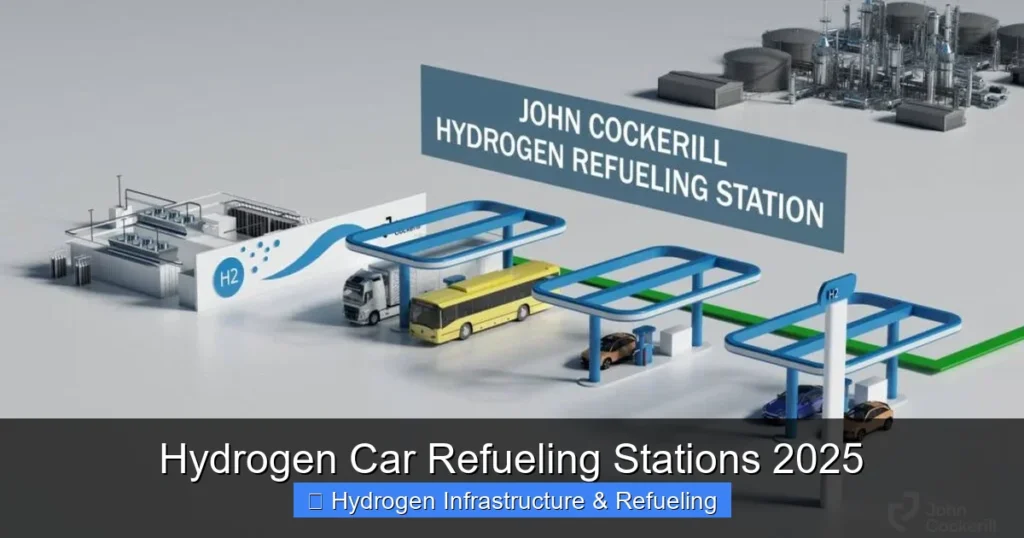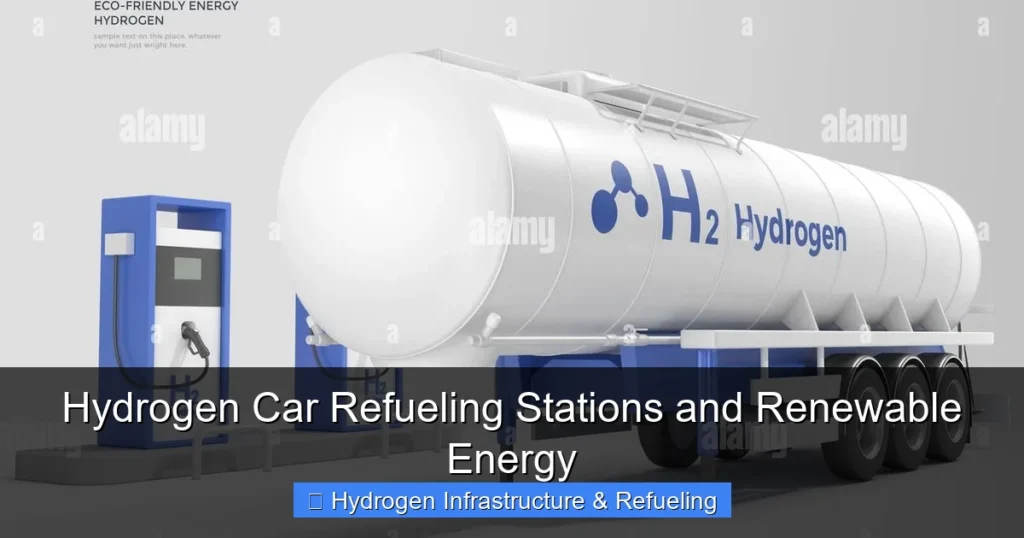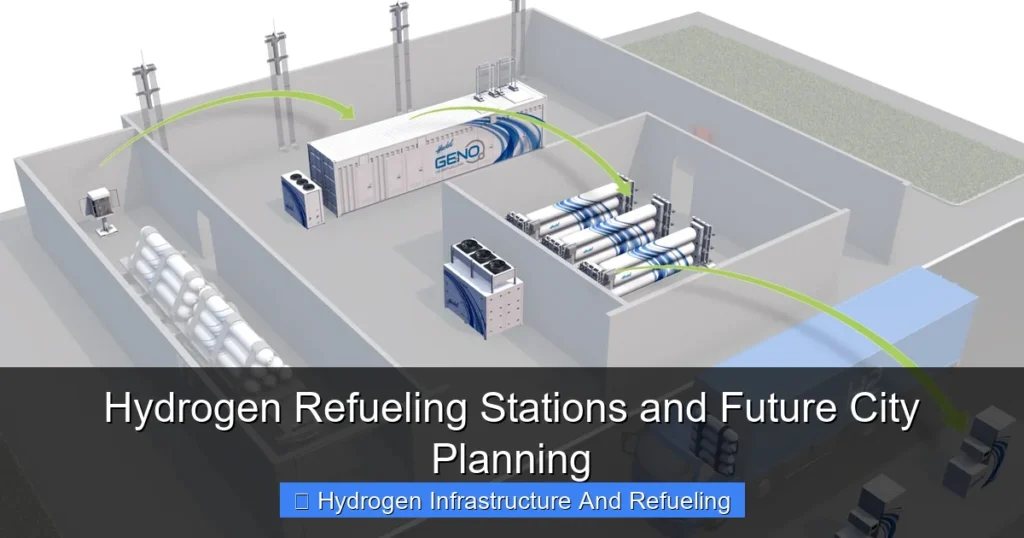
Hydrogen refueling stations are emerging as a key component of sustainable urban development. As cities aim to reduce emissions and embrace clean energy, integrating hydrogen infrastructure into city planning is becoming essential for a greener, more resilient future.
Key Takeaways
- Hydrogen refueling stations support zero-emission transportation: They enable fuel cell electric vehicles (FCEVs) to operate with only water as a byproduct, reducing urban air pollution.
- Strategic placement is critical for adoption: Stations must be integrated into existing transit corridors, highways, and urban hubs to maximize accessibility and convenience.
- Hydrogen infrastructure complements renewable energy systems: Excess solar and wind power can be used to produce green hydrogen, creating a closed-loop energy ecosystem.
- City planning must prioritize safety and zoning: Proper regulations and buffer zones ensure safe operation while minimizing public risk.
- Public-private partnerships accelerate deployment: Collaboration between governments, energy companies, and automakers is essential for scaling hydrogen networks.
- Hydrogen supports broader urban sustainability goals: Beyond transport, it can power buildings, buses, and industrial processes, contributing to net-zero city targets.
- Early investment pays long-term dividends: Cities that integrate hydrogen planning now will lead in clean mobility and energy innovation.
📑 Table of Contents
- Introduction: The Rise of Hydrogen in Urban Mobility
- Why Hydrogen? The Case for Clean Fuel in Cities
- Integrating Hydrogen Stations into Urban Infrastructure
- Powering the Future: Green Hydrogen and Renewable Energy
- Overcoming Challenges: Cost, Regulation, and Public Perception
- Global Leaders in Hydrogen City Planning
- The Road Ahead: What Cities Can Do Now
- Conclusion: Building Cities That Breathe
Introduction: The Rise of Hydrogen in Urban Mobility
Imagine a city where buses glide silently through downtown streets, delivery trucks emit nothing but water vapor, and long-haul freight moves without a trace of diesel fumes. This isn’t a distant sci-fi dream—it’s the vision cities are actively working toward with the help of hydrogen refueling stations. As urban populations grow and climate concerns intensify, cities are rethinking how people and goods move. Traditional gasoline and diesel vehicles are being phased out in favor of cleaner alternatives, and hydrogen is stepping into the spotlight as a powerful contender.
Unlike battery-electric vehicles that rely on charging stations, hydrogen-powered vehicles refuel in minutes—similar to gasoline—making them ideal for heavy-duty transport, public transit, and long-distance travel. But for this vision to become reality, cities need more than just vehicles; they need a robust network of hydrogen refueling stations. These stations aren’t just fuel stops—they’re the backbone of a new energy ecosystem. And just like gas stations shaped 20th-century cities, hydrogen refueling stations will shape the cities of tomorrow.
Why Hydrogen? The Case for Clean Fuel in Cities
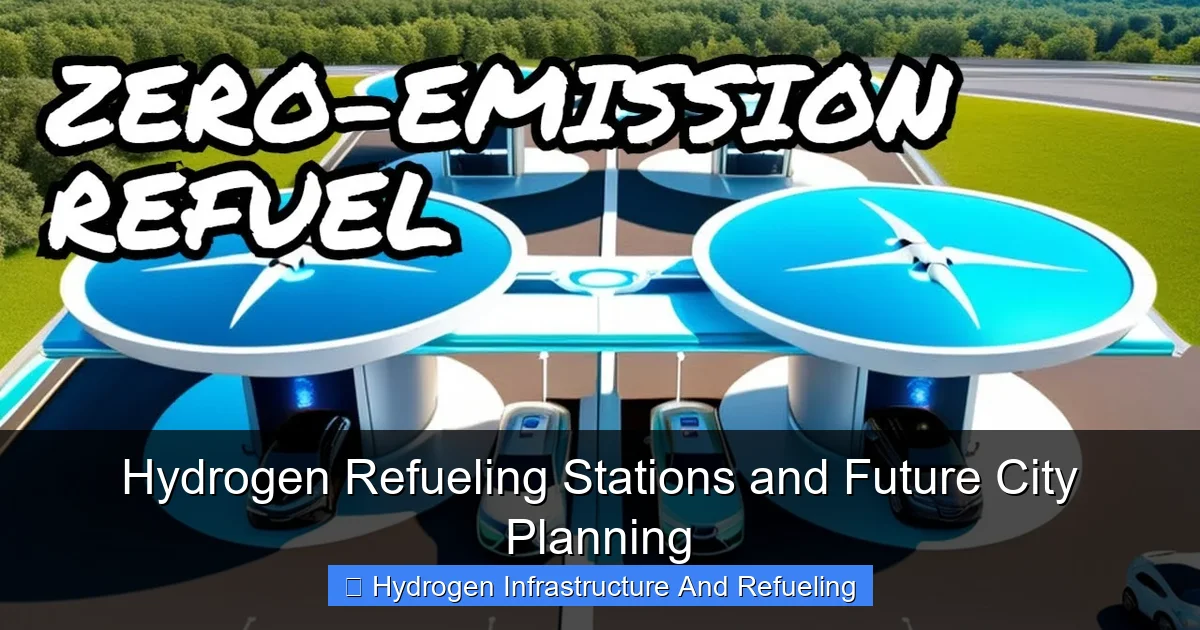
Visual guide about Hydrogen Refueling Stations and Future City Planning
Image source: i.ytimg.com
Hydrogen is often called the “fuel of the future,” and for good reason. When used in a fuel cell, hydrogen combines with oxygen to produce electricity, powering a vehicle with only water and heat as byproducts. This makes it a zero-emission energy source—perfect for cities battling smog, noise pollution, and carbon emissions. But not all hydrogen is created equal. The environmental benefits depend heavily on how it’s produced.
Green vs. Gray Hydrogen: What’s the Difference?
Hydrogen can be produced in several ways, but the two most common are “gray” and “green” hydrogen. Gray hydrogen is made from natural gas through a process called steam methane reforming, which releases carbon dioxide—defeating the purpose of clean energy. In contrast, green hydrogen is produced using renewable electricity (like solar or wind) to split water into hydrogen and oxygen via electrolysis. This method emits no greenhouse gases and is the only truly sustainable form of hydrogen.
Cities committed to climate goals are pushing for green hydrogen infrastructure. For example, Copenhagen has announced plans to build one of Europe’s largest green hydrogen plants, powered entirely by offshore wind. This hydrogen will fuel buses, trucks, and even industrial processes, helping the city achieve carbon neutrality by 2025.
Hydrogen’s Role in Decarbonizing Hard-to-Electrify Sectors
While battery-electric vehicles work well for passenger cars, they face limitations in weight, range, and charging time—especially for heavy-duty applications. Think about a city bus that runs 18 hours a day or a delivery truck that covers hundreds of miles. These vehicles need quick refueling and long range, which hydrogen can provide. A hydrogen fuel cell bus can travel up to 300 miles on a single tank and refuel in under 10 minutes—something no battery-electric bus can match today.
This makes hydrogen refueling stations essential for decarbonizing sectors that are difficult to electrify. Cities like Los Angeles and Tokyo are already deploying hydrogen-powered buses and garbage trucks, reducing emissions in some of the most polluting urban fleets.
Integrating Hydrogen Stations into Urban Infrastructure
Building a hydrogen refueling network isn’t just about installing pumps—it’s about rethinking how cities are designed. Unlike gasoline stations, hydrogen stations require unique safety considerations, space for storage, and integration with energy grids. Smart city planning ensures these stations are not only functional but also accessible, safe, and aesthetically compatible with urban environments.
Location, Location, Location: Where to Place Hydrogen Stations
Strategic placement is key to adoption. Hydrogen refueling stations should be located along major transit routes, near highways, and in industrial zones where heavy vehicles operate. They should also be integrated into existing fueling corridors—near gas stations or electric vehicle charging hubs—to make them familiar and convenient for drivers.
For example, the H2USA initiative in the U.S. has focused on building hydrogen corridors along Interstate 5 in California, connecting Los Angeles, San Francisco, and Seattle. This allows long-distance travelers to refuel seamlessly, just like with gasoline. Similarly, in Germany, the H2 Mobility network is placing stations every 50 to 100 kilometers along major Autobahns.
Designing Stations for Safety and Efficiency
Hydrogen is highly flammable and lighter than air, which raises safety concerns. However, with proper engineering, hydrogen stations are as safe as—or safer than—gasoline stations. Modern stations use advanced leak detection, ventilation systems, and automated shut-off valves to prevent accidents.
Design also plays a role. Some cities are experimenting with compact, modular stations that can be installed in tight urban spaces. Others are integrating stations into multi-use developments—like transit hubs or shopping centers—where they serve both vehicles and buildings. For instance, a station in Rotterdam powers not only cars but also nearby homes and offices using waste heat from the fueling process.
Powering the Future: Green Hydrogen and Renewable Energy
One of the most exciting aspects of hydrogen refueling stations is their potential to integrate with renewable energy systems. Cities are increasingly generating excess electricity from solar panels and wind turbines—especially during peak production hours. Instead of wasting this energy, it can be used to produce green hydrogen, which is then stored and used to refuel vehicles.
Hydrogen as a Form of Energy Storage
Think of hydrogen as a battery that never runs out. When the sun shines or the wind blows, electrolyzers can convert surplus electricity into hydrogen. This hydrogen is stored in tanks and later used to generate electricity in fuel cells—either for vehicles or for the grid during peak demand. This creates a flexible, resilient energy system that balances supply and demand.
In Australia, the city of Adelaide is piloting a “hydrogen ecosystem” where solar panels on public buildings generate power for electrolysis. The resulting hydrogen fuels city buses and is also injected into the natural gas grid for heating. This closed-loop system reduces reliance on fossil fuels and maximizes the use of local renewable resources.
Microgrids and Hydrogen-Powered Resilience
Hydrogen refueling stations can also serve as emergency power sources. During blackouts or natural disasters, hydrogen fuel cells can provide backup electricity for critical infrastructure like hospitals, shelters, and communication networks. This makes cities more resilient in the face of climate-related disruptions.
Tokyo has already demonstrated this capability. During the 2011 earthquake and tsunami, hydrogen-powered generators kept emergency services running when the grid failed. Today, the city is expanding its hydrogen infrastructure to include mobile refueling units that can be deployed during crises.
Overcoming Challenges: Cost, Regulation, and Public Perception
Despite its promise, hydrogen infrastructure faces several hurdles. High costs, lack of standardization, and public skepticism are slowing adoption. But cities that tackle these challenges head-on are paving the way for a hydrogen-powered future.
The Cost Barrier: Why Hydrogen Is Still Expensive
Currently, green hydrogen production is more expensive than gray hydrogen or gasoline. Electrolyzers are costly, and renewable electricity prices—while falling—still add up. However, costs are dropping rapidly. According to the International Energy Agency (IEA), the cost of green hydrogen could fall by 60% by 2030 as technology improves and production scales up.
Cities can help by offering subsidies, tax incentives, and public procurement programs. For example, the city of Hamburg in Germany has committed to purchasing only hydrogen-powered buses for its public transit system, creating demand that drives down costs through economies of scale.
Navigating Regulations and Zoning Laws
Zoning laws often restrict where hydrogen stations can be built due to safety concerns. Many cities require large buffer zones between stations and residential areas, making urban placement difficult. However, updated regulations based on modern safety data can ease these restrictions.
California has led the way with updated codes that allow hydrogen stations in mixed-use zones, provided they meet strict safety standards. This has enabled stations in downtown areas, increasing accessibility for urban drivers.
Changing Public Perception: Education and Transparency
Many people still associate hydrogen with the Hindenburg disaster, but modern hydrogen technology is vastly safer. Public education campaigns can help dispel myths and build trust. Cities can host open houses at hydrogen stations, offer test drives in fuel cell vehicles, and partner with schools to teach students about clean energy.
In Seoul, South Korea, the government has launched a “Hydrogen City” initiative that includes public tours, interactive exhibits, and community workshops. As a result, public support for hydrogen infrastructure has grown significantly.
Global Leaders in Hydrogen City Planning
Several cities around the world are already leading the charge in hydrogen integration. Their experiences offer valuable lessons for others looking to follow.
Tokyo: A Hydrogen-Powered Olympic Vision
Tokyo made headlines during the 2020 Olympics by showcasing hydrogen technology. The Olympic Village was powered by hydrogen fuel cells, and a fleet of hydrogen buses transported athletes and visitors. The city has since expanded its hydrogen network, with plans to deploy 100 refueling stations by 2030. Tokyo’s approach combines government leadership, private investment, and public engagement—a model other cities can emulate.
Copenhagen: Green Hydrogen from Wind Power
Copenhagen is leveraging its abundant offshore wind resources to produce green hydrogen. The city’s “H2RES” project uses wind energy to power electrolysis, creating hydrogen for buses and ferries. Copenhagen’s success lies in its integration of hydrogen with existing renewable infrastructure, creating a seamless clean energy loop.
Los Angeles: A West Coast Hydrogen Corridor
Los Angeles is part of California’s ambitious hydrogen highway, with over 50 refueling stations already operational. The city is focusing on heavy-duty applications, including port trucks and drayage vehicles, which are major sources of pollution. By targeting high-impact sectors, LA is maximizing the environmental benefits of hydrogen.
The Road Ahead: What Cities Can Do Now
The transition to hydrogen won’t happen overnight, but cities can take concrete steps today to prepare for the future. Early planning and investment will position them as leaders in clean mobility and sustainable development.
Start with Pilot Projects
Cities don’t need to build a full network overnight. Starting with a few pilot stations—especially in high-traffic areas or industrial zones—can demonstrate feasibility and build public support. These projects can also serve as testbeds for new technologies and business models.
Foster Public-Private Partnerships
No single entity can build a hydrogen network alone. Cities should partner with energy companies, automakers, and technology providers to share costs and expertise. For example, Toyota and Shell have collaborated on hydrogen stations in California, combining automotive innovation with energy infrastructure.
Update Urban Planning Codes
City planners should revise zoning laws, building codes, and permitting processes to accommodate hydrogen infrastructure. This includes defining safety standards, streamlining approvals, and identifying suitable locations for future stations.
Invest in Workforce Training
As hydrogen technology grows, so will the need for skilled workers. Cities can support training programs for technicians, engineers, and safety inspectors to ensure a qualified workforce is ready to maintain and operate hydrogen systems.
Engage the Community
Public buy-in is essential. Cities should involve residents in planning discussions, address concerns transparently, and highlight the benefits of hydrogen—cleaner air, quieter streets, and energy independence.
Conclusion: Building Cities That Breathe
Hydrogen refueling stations are more than just fuel stops—they’re symbols of a new urban era. As cities strive to reduce emissions, improve air quality, and build resilient energy systems, hydrogen offers a versatile, scalable solution. From powering buses and trucks to storing renewable energy and supporting emergency services, hydrogen infrastructure touches nearly every aspect of urban life.
The journey won’t be easy. Costs must come down, regulations must evolve, and public trust must be earned. But the cities that embrace hydrogen today will reap the rewards tomorrow: cleaner air, quieter streets, and a stronger, more sustainable future. The blueprint is being written now—and every hydrogen refueling station is a step toward a city that truly breathes.
Frequently Asked Questions
What is a hydrogen refueling station?
A hydrogen refueling station is a facility that dispenses hydrogen gas to fuel cell electric vehicles (FCEVs). These stations compress and store hydrogen, then deliver it to vehicles through specialized pumps, similar to gasoline stations but for clean energy.
Are hydrogen refueling stations safe?
Yes, hydrogen refueling stations are designed with multiple safety features, including leak detection, ventilation, and automatic shut-off systems. Modern hydrogen technology is rigorously tested and considered as safe as—or safer than—traditional fuel stations.
How long does it take to refuel a hydrogen vehicle?
Refueling a hydrogen vehicle takes about 3 to 5 minutes, comparable to gasoline. This makes it ideal for buses, trucks, and other vehicles that need quick turnaround times.
Can hydrogen stations be built in cities?
Yes, with proper planning and updated regulations, hydrogen stations can be safely integrated into urban areas. Many cities are already installing compact, modular stations in downtown locations and transit hubs.
What powers hydrogen refueling stations?
Hydrogen stations can be powered by the grid or on-site renewable energy. Green hydrogen stations use solar or wind power to produce hydrogen via electrolysis, creating a fully sustainable energy cycle.
How do hydrogen stations support city sustainability goals?
Hydrogen stations reduce transportation emissions, support renewable energy storage, and enable zero-emission public transit. They help cities meet climate targets and improve air quality for residents.