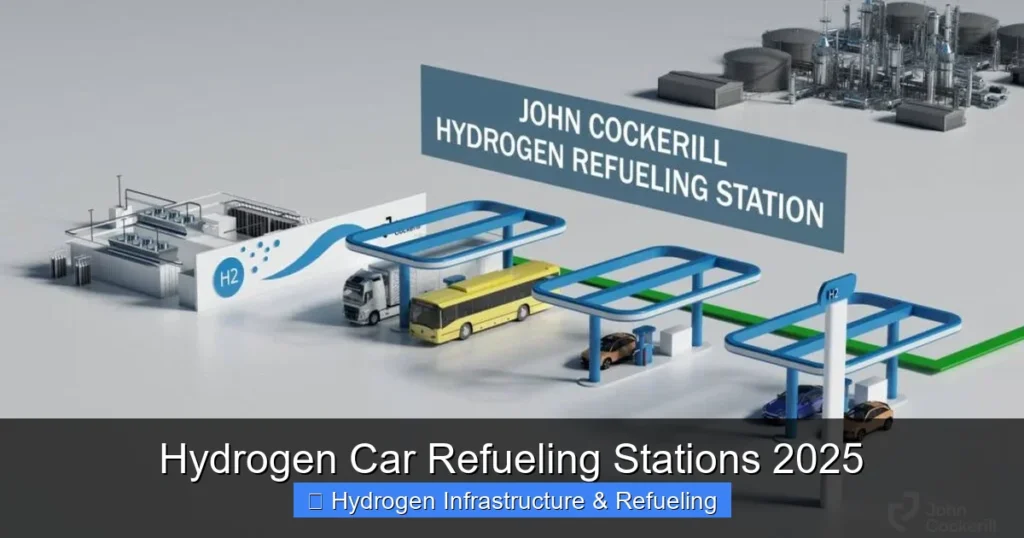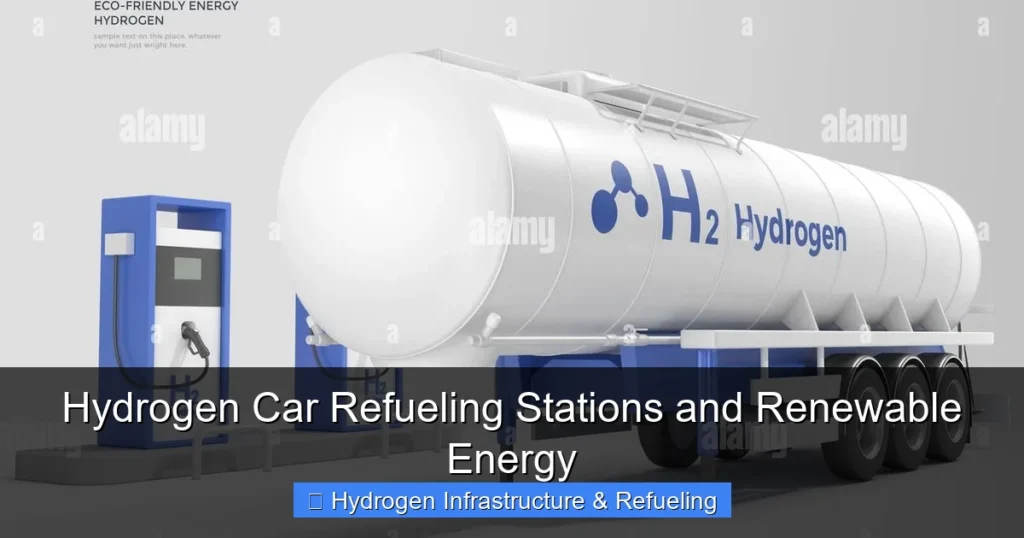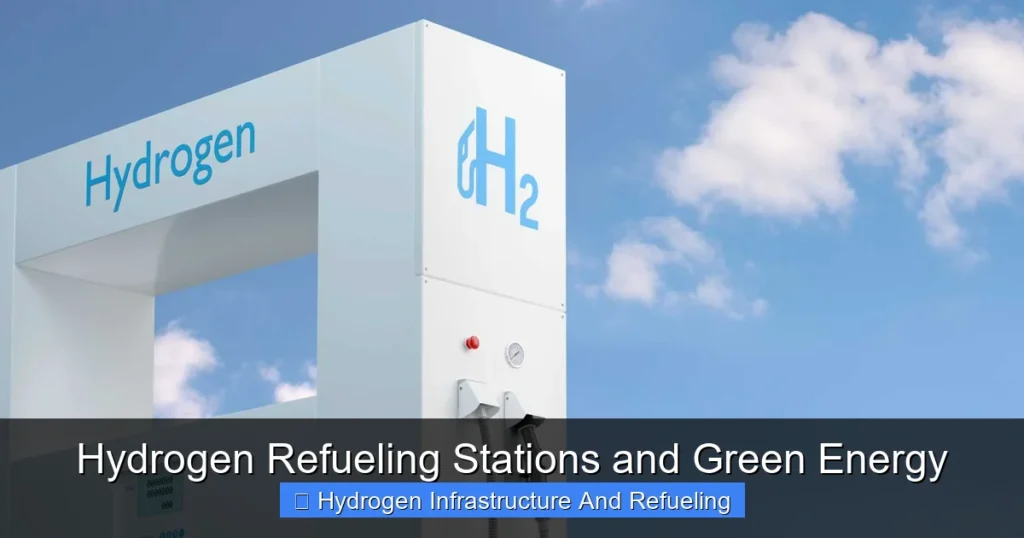
Hydrogen refueling stations are emerging as a key pillar of the green energy transition, enabling zero-emission transportation through clean hydrogen fuel. As nations push toward carbon neutrality, these stations support fuel cell electric vehicles (FCEVs) and heavy-duty transport, offering fast refueling and long range—without the tailpipe emissions.
Key Takeaways
- Hydrogen refueling stations enable clean transportation: They support fuel cell electric vehicles (FCEVs) that emit only water vapor, making them a zero-emission alternative to gasoline and diesel.
- Green hydrogen is produced using renewable energy: When made via electrolysis powered by wind, solar, or hydro, hydrogen becomes a truly sustainable fuel source.
- Infrastructure is expanding globally: Countries like Japan, Germany, and the U.S. are investing heavily in hydrogen refueling networks to support decarbonization goals.
- Refueling is fast and convenient: Hydrogen vehicles can be refueled in 3–5 minutes, similar to gasoline cars, offering a practical advantage over battery-electric vehicles.
- Heavy-duty transport benefits most: Trucks, buses, ships, and trains are ideal candidates for hydrogen due to long ranges and high energy demands.
- Challenges remain in cost and scalability: High production costs, storage difficulties, and limited station availability still hinder widespread adoption.
- Policy and innovation drive progress: Government incentives, research funding, and technological advances are accelerating the development of hydrogen infrastructure.
📑 Table of Contents
- Hydrogen Refueling Stations and Green Energy
- What Are Hydrogen Refueling Stations?
- Green Hydrogen: The Clean Fuel of the Future
- Global Expansion of Hydrogen Refueling Infrastructure
- Hydrogen vs. Battery Electric Vehicles: A Complementary Future
- The Role of Policy and Innovation
- The Road Ahead: A Hydrogen-Powered Future
Hydrogen Refueling Stations and Green Energy
Imagine pulling up to a fueling station, filling your car in under five minutes, and driving off with nothing but water dripping from the tailpipe. No smog, no carbon emissions, no noise—just clean, efficient travel. This isn’t science fiction. It’s the promise of hydrogen refueling stations and green energy.
As the world races to combat climate change, transportation remains one of the toughest sectors to decarbonize. While electric vehicles (EVs) powered by batteries have made great strides, they’re not the only solution. Enter hydrogen—a lightweight, energy-dense fuel that, when used in fuel cells, produces electricity to power vehicles with zero harmful emissions. The key to unlocking this potential? A robust network of hydrogen refueling stations.
These stations aren’t just futuristic concepts. They’re already operating in cities across Europe, Asia, and North America. From Tokyo to Los Angeles, hydrogen-powered buses, trucks, and passenger cars are hitting the roads, supported by growing infrastructure. But how do these stations work? What makes hydrogen a green energy source? And what does the future hold for this technology?
Let’s dive into the world of hydrogen refueling stations and explore how they’re shaping the future of clean transportation.
What Are Hydrogen Refueling Stations?
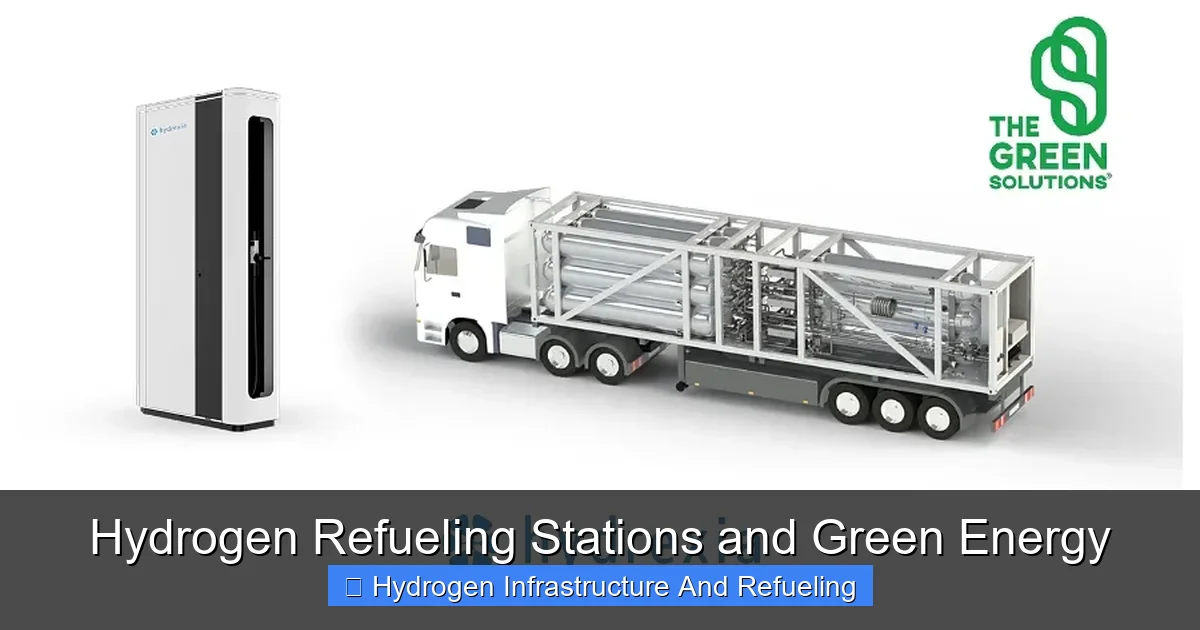
Visual guide about Hydrogen Refueling Stations and Green Energy
Image source: img.fuelcellsworks.com
Hydrogen refueling stations are specialized facilities designed to deliver compressed hydrogen gas to fuel cell electric vehicles (FCEVs). Unlike gas stations that pump liquid fuel, these stations store hydrogen in high-pressure tanks and dispense it directly into a vehicle’s onboard storage system. Once inside the vehicle, the hydrogen reacts with oxygen in a fuel cell to generate electricity, which powers the motor. The only byproduct? Pure water.
These stations come in various forms. Some are standalone units located along highways or in urban centers, while others are integrated into existing fueling networks. Mobile refueling units are also being tested for remote areas or emergency use. The technology behind them is similar to that of natural gas stations, but with stricter safety protocols due to hydrogen’s flammability and low ignition energy.
One of the biggest advantages of hydrogen refueling is speed. While battery-electric vehicles can take 30 minutes to several hours to recharge—depending on the charger type—hydrogen vehicles can be refueled in just 3 to 5 minutes. That’s a game-changer for long-haul trucking, public transit, and commercial fleets that can’t afford downtime.
For example, Toyota’s Mirai and Hyundai’s NEXO are passenger FCEVs that can travel over 300 miles on a single tank and refuel in under five minutes. In California, over 50 hydrogen refueling stations support these vehicles, with more under construction. Similarly, in Germany, the H2 Mobility initiative aims to build a nationwide network of 100 stations by 2025.
How Hydrogen Refueling Stations Work
So, how does a hydrogen refueling station actually deliver fuel? The process involves several key steps:
First, hydrogen is produced—either on-site or delivered via tube trailers from a central production facility. On-site production often uses electrolysis, where electricity splits water (H₂O) into hydrogen and oxygen. If that electricity comes from renewable sources like wind or solar, the hydrogen is considered “green.”
Next, the hydrogen is compressed to high pressures—typically 350 or 700 bar (5,000 or 10,000 psi)—to maximize storage density. It’s then stored in secure, reinforced tanks designed to withstand extreme conditions.
When a vehicle arrives, the driver connects a specialized nozzle to the car’s fuel inlet. The station’s dispenser communicates with the vehicle to ensure compatibility and safety. Once confirmed, hydrogen flows into the vehicle’s tank under controlled pressure and temperature. Advanced sensors monitor the process to prevent overfilling or leaks.
Safety is a top priority. Hydrogen is lighter than air and disperses quickly, reducing the risk of explosion. Still, stations are equipped with leak detectors, ventilation systems, and emergency shut-off valves. Many are also built with blast-resistant materials and located away from high-traffic areas.
Types of Hydrogen Refueling Stations
Not all hydrogen stations are created equal. They vary based on production method, scale, and location. Here are the main types:
Centralized stations receive hydrogen via truck or pipeline from large production plants. These are common in regions with established hydrogen supply chains, like parts of Europe and Japan.
On-site production stations generate hydrogen directly at the location using electrolysis or steam methane reforming (SMR). While SMR is cheaper, it produces carbon emissions unless paired with carbon capture. Electrolysis, especially when powered by renewables, is the greener option.
Mobile refueling units are portable stations that can be deployed temporarily. They’re useful for events, construction sites, or areas without permanent infrastructure.
Micro stations are small-scale units designed for urban areas or private fleets. They take up less space and can be installed in parking lots or garages.
Each type has its pros and cons. Centralized stations benefit from economies of scale but depend on transportation logistics. On-site stations offer independence but require more maintenance and space. The choice depends on local needs, energy availability, and investment capacity.
Green Hydrogen: The Clean Fuel of the Future
Not all hydrogen is created equal. In fact, the color of hydrogen—yes, it’s categorized by color—tells you a lot about its environmental impact.
Most hydrogen today is “gray,” produced from natural gas through steam methane reforming. This process releases carbon dioxide, making it far from green. “Blue” hydrogen is similar but includes carbon capture and storage (CCS) to reduce emissions. While better than gray, it’s still not fully clean.
Then there’s “green” hydrogen—the gold standard. It’s produced using renewable energy to power electrolysis, splitting water into hydrogen and oxygen with zero carbon emissions. When hydrogen refueling stations use green hydrogen, the entire lifecycle—from production to use—becomes truly sustainable.
Green hydrogen is key to aligning hydrogen fuel with global climate goals. The International Energy Agency (IEA) estimates that green hydrogen could meet 24% of the world’s energy needs by 2050, avoiding up to 830 million tons of CO₂ annually.
Countries are investing heavily in green hydrogen. Australia is developing massive solar and wind farms to export green hydrogen to Asia. The European Union’s Hydrogen Strategy aims to install 40 gigawatts of electrolyzers by 2030. In the U.S., the Department of Energy’s “Hydrogen Shot” initiative targets reducing the cost of clean hydrogen to $1 per kilogram within a decade.
Why Green Hydrogen Matters for Refueling Stations
Using green hydrogen in refueling stations ensures that the environmental benefits of FCEVs are realized. If the hydrogen comes from fossil fuels, the overall emissions savings are minimal—or even negative when accounting for production and transport.
Green hydrogen also supports energy independence. Regions with abundant renewable resources can produce their own fuel, reducing reliance on imported oil and gas. This is especially valuable for island nations or remote communities.
Moreover, green hydrogen can store excess renewable energy. Solar and wind power are intermittent—they generate electricity when the sun shines or wind blows, not always when it’s needed. Excess energy can be used to produce hydrogen, which is then stored and used later in vehicles or industrial processes. This turns hydrogen into a flexible energy carrier, stabilizing the grid and maximizing renewable use.
For example, in Iceland, geothermal energy powers electrolysis to produce green hydrogen for buses and fishing vessels. In Chile, solar farms in the Atacama Desert are being used to generate hydrogen for export and domestic use.
Global Expansion of Hydrogen Refueling Infrastructure
The global hydrogen refueling network is growing rapidly, driven by government policies, private investment, and technological progress. As of 2023, there are over 1,000 hydrogen refueling stations worldwide, with the majority in Asia, Europe, and North America.
Japan leads the way with over 160 stations, supported by strong government backing and automaker collaboration. The country aims to have 900 stations by 2030 and is promoting hydrogen for cars, buses, and even homes.
South Korea follows closely, with plans to deploy 1,200 stations by 2040. Hyundai has been a major player, exporting its XCIENT fuel cell trucks to Europe and the U.S.
In Europe, Germany has over 100 stations and is expanding its network through the H2 Mobility partnership. France, the Netherlands, and the UK are also investing heavily. The EU’s “Fit for 55” package includes hydrogen in its decarbonization strategy, with funding for infrastructure and research.
The United States has around 70 stations, mostly in California. The state’s Zero-Emission Vehicle (ZEV) mandate and clean fuel programs have accelerated adoption. The Bipartisan Infrastructure Law includes $8 billion for hydrogen hubs, aiming to create regional networks for production, storage, and distribution.
China is also emerging as a major player, with over 300 stations planned by 2025. The government sees hydrogen as a way to reduce air pollution and boost energy security.
Challenges to Widespread Adoption
Despite progress, hydrogen refueling stations face significant hurdles. The biggest is cost. Building a station can cost $1–3 million, compared to $100,000–500,000 for a fast-charging EV station. High production costs for green hydrogen—currently $3–6 per kilogram—also limit affordability.
Infrastructure is another barrier. Hydrogen is difficult to transport and store. It requires high-pressure tanks or cryogenic temperatures, and pipelines are expensive to build. Most hydrogen is still delivered by truck, which adds emissions and cost.
Public awareness is low. Many consumers don’t know hydrogen vehicles exist, let alone how they work. Safety concerns—though largely unfounded—also persist due to hydrogen’s association with the Hindenburg disaster.
Finally, the chicken-and-egg problem remains: without enough vehicles, there’s little demand for stations. Without stations, consumers won’t buy FCEVs. Breaking this cycle requires coordinated investment and policy support.
Success Stories and Pilot Projects
Despite challenges, several projects show what’s possible. In California, the “Hydrogen Highway” initiative has created a network of stations along major freeways, enabling long-distance travel. Toyota and Shell have partnered to expand stations in the state.
In Germany, the “H2 Mobility” project has built a nationwide network, with stations in cities like Berlin, Munich, and Hamburg. The program includes partnerships with automakers, energy companies, and governments.
In Japan, the “Hydrogen Society” vision includes refueling stations at train stations, shopping centers, and airports. The 2020 Tokyo Olympics featured a hydrogen-powered village and fleet of FCEVs.
These examples prove that with the right support, hydrogen infrastructure can scale. They also highlight the importance of collaboration between public and private sectors.
Hydrogen vs. Battery Electric Vehicles: A Complementary Future
A common question is whether hydrogen or battery-electric vehicles (BEVs) will dominate the clean transport market. The answer? Both—and they serve different needs.
BEVs are ideal for short- to medium-range travel, especially in cities. They’re efficient, quiet, and increasingly affordable. Charging infrastructure is also expanding rapidly.
But for long-haul trucking, aviation, shipping, and heavy industry, hydrogen has clear advantages. FCEVs offer longer ranges, faster refueling, and don’t lose performance in cold weather. A hydrogen truck can travel 500–700 miles on a single tank and refuel in 15–30 minutes—something no battery can match today.
Moreover, hydrogen doesn’t rely on rare minerals like lithium and cobalt, which have environmental and ethical concerns. While battery recycling is improving, hydrogen production can be more sustainable if powered by renewables.
The future isn’t hydrogen vs. batteries—it’s hydrogen and batteries. Each technology fills a gap the other can’t. Just as we use different tools for different jobs, we’ll use different fuels for different transport needs.
Real-World Applications Beyond Passenger Cars
While passenger FCEVs get attention, the biggest impact of hydrogen may come in other sectors.
Trucking: Companies like Nikola, Hyundai, and Toyota are developing hydrogen-powered semi-trucks. These vehicles can haul heavy loads over long distances without emissions. In 2023, Hyundai delivered 47 XCIENT trucks to Switzerland, where they’re refueled at dedicated stations.
Buses: Cities worldwide are testing hydrogen buses. London, Cologne, and Aberdeen have fleets that reduce urban pollution and noise. Hydrogen buses can operate all day on a single fill, unlike battery buses that need frequent charging.
Shipping and Aviation: Maritime and aviation industries are exploring hydrogen and ammonia (a hydrogen carrier) as clean fuels. The EU’s “Fit for 55” plan includes hydrogen in maritime decarbonization. Airbus aims to launch a hydrogen-powered passenger plane by 2035.
Rail: Hydrogen trains are already running in Germany and the UK. They’re ideal for non-electrified rail lines, offering a clean alternative to diesel locomotives.
These applications show that hydrogen refueling stations aren’t just for cars—they’re part of a broader clean energy ecosystem.
The Role of Policy and Innovation
Government policy is critical to the success of hydrogen refueling infrastructure. Without supportive regulations, funding, and targets, progress will be slow.
Many countries have introduced hydrogen strategies. The U.S. National Clean Hydrogen Strategy and Roadmap outlines goals for production, use, and cost reduction. The EU’s REPowerEU plan aims to produce 10 million tons of domestic green hydrogen by 2030.
Incentives like tax credits, grants, and low-interest loans help offset high upfront costs. California’s Clean Transportation Program has funded over 50 hydrogen stations. Germany offers subsidies for station construction and vehicle purchases.
Innovation is also driving change. New electrolyzer technologies are becoming more efficient and cheaper. Solid-state hydrogen storage could make tanks safer and lighter. AI and IoT are improving station monitoring and maintenance.
Startups and universities are exploring novel approaches. For example, researchers at MIT are developing catalysts that reduce the energy needed for electrolysis. Companies like Plug Power and Nel Hydrogen are scaling up production and lowering costs.
Tips for Building a Hydrogen Refueling Network
For cities and companies considering hydrogen infrastructure, here are some practical tips:
- Start with high-demand areas: Focus on freight corridors, ports, and urban centers where hydrogen vehicles are already operating.
- Leverage partnerships: Collaborate with automakers, energy firms, and governments to share costs and expertise.
- Use existing infrastructure: Retrofit gas stations or integrate hydrogen into multi-fuel hubs.
- Prioritize safety and training: Ensure staff are trained in hydrogen handling and emergency response.
- Communicate with the public: Educate communities about the benefits and safety of hydrogen to build trust.
The Road Ahead: A Hydrogen-Powered Future
The journey to a hydrogen-powered future is still in its early stages, but the momentum is undeniable. Hydrogen refueling stations are no longer experimental—they’re operational, expanding, and proving their value in real-world applications.
As green hydrogen production scales and costs fall, these stations will become more accessible and affordable. Advances in fuel cell technology, storage, and safety will further boost adoption.
The vision is clear: a world where transportation is clean, efficient, and sustainable. Where trucks, buses, ships, and cars run on hydrogen made from sunlight and wind. Where refueling takes minutes, not hours. Where cities breathe easier and the planet heals.
It won’t happen overnight. But with continued investment, innovation, and collaboration, hydrogen refueling stations will play a central role in the green energy revolution.
The future is hydrogen—and it’s closer than you think.
Frequently Asked Questions
How does a hydrogen refueling station work?
A hydrogen refueling station compresses and stores hydrogen gas, then dispenses it into a vehicle’s tank under high pressure. The hydrogen reacts with oxygen in a fuel cell to generate electricity, powering the vehicle with only water as emissions.
Is hydrogen fuel safe?
Yes, hydrogen is safe when handled properly. It’s lighter than air and disperses quickly, reducing explosion risk. Stations include leak detectors, ventilation, and emergency shut-offs to ensure safety.
What is green hydrogen?
Green hydrogen is produced using renewable energy (like wind or solar) to split water into hydrogen and oxygen via electrolysis. It emits no carbon during production, making it the cleanest form of hydrogen.
How long does it take to refuel a hydrogen car?
Hydrogen vehicles can be refueled in 3 to 5 minutes, similar to gasoline cars. This is much faster than charging a battery-electric vehicle, which can take 30 minutes to several hours.
Where are hydrogen refueling stations located?
Most stations are in Japan, Germany, California, and South Korea. The U.S., EU, and China are rapidly expanding their networks, with hundreds more planned by 2030.
Can hydrogen be used in trucks and buses?
Yes, hydrogen is ideal for heavy-duty transport. It offers long range, fast refueling, and high energy density, making it a practical zero-emission solution for trucks, buses, and trains.