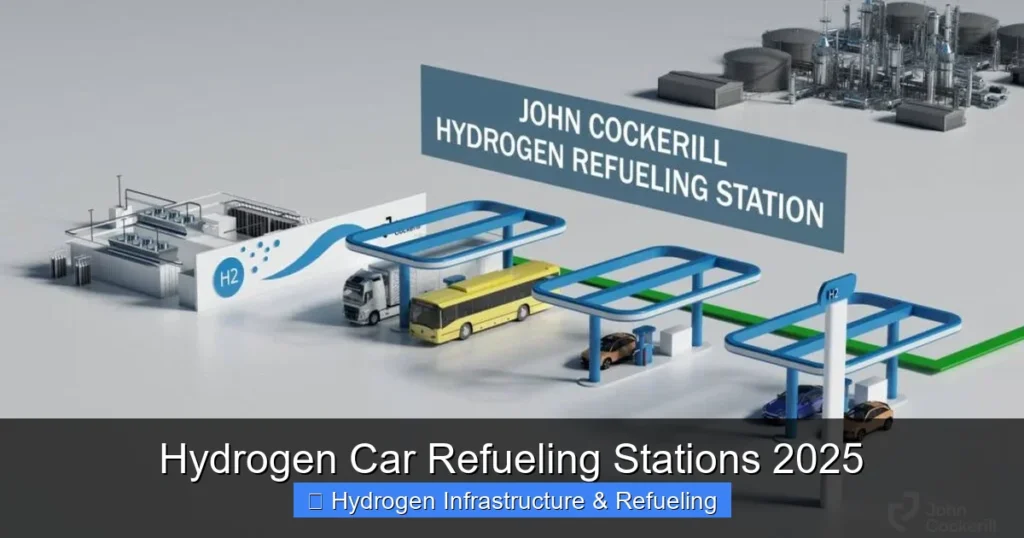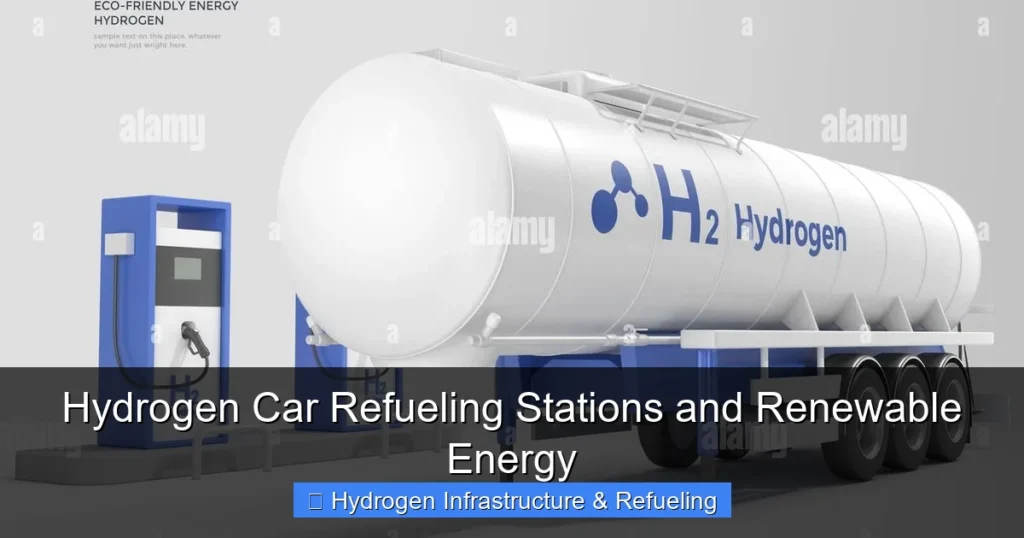
Hydrogen refueling stations are emerging as a game-changer in the clean energy transition, offering fast refueling and zero tailpipe emissions for fuel cell vehicles. As governments and automakers invest heavily in hydrogen infrastructure, this technology could redefine how we power transportation in the decades ahead.
Imagine pulling up to a fueling station, connecting a nozzle, and filling your car in under five minutes—just like you’ve always done with gasoline. But instead of emitting harmful pollutants, your vehicle releases nothing but clean water vapor. This isn’t science fiction. It’s the promise of hydrogen refueling stations, a technology quietly gaining momentum as a cornerstone of the clean transportation revolution.
Hydrogen has long been hailed as a potential alternative to fossil fuels, but for decades, it remained on the sidelines due to technological and economic barriers. Today, that’s changing. With climate change accelerating and global emissions targets tightening, the world is searching for scalable, sustainable energy solutions. Hydrogen—especially when produced using renewable sources—offers a compelling answer. And at the heart of this shift are hydrogen refueling stations, the critical infrastructure that makes hydrogen-powered vehicles practical for everyday use.
From passenger cars to long-haul trucks, hydrogen fuel cell vehicles (FCVs) are proving their worth in real-world applications. But just like electric vehicles need charging stations, FCVs depend on a network of hydrogen refueling stations to operate efficiently. As these stations multiply across cities and highways, they’re laying the foundation for a future where clean, fast, and reliable refueling is the norm—not the exception.
Key Takeaways
- Hydrogen fuel cells produce only water as emissions: When hydrogen is used in a fuel cell, the only byproduct is water vapor, making it a truly clean energy source for vehicles.
- Refueling is fast and convenient: Hydrogen vehicles can be refueled in 3–5 minutes, similar to gasoline cars, offering a major advantage over battery-electric vehicles.
- Infrastructure is expanding globally: Countries like Japan, Germany, and the U.S. are rapidly building hydrogen refueling networks to support growing fleets of fuel cell vehicles.
- Hydrogen supports heavy-duty transport: Trucks, buses, and trains benefit from hydrogen’s high energy density and quick refueling, where batteries may fall short.
- Green hydrogen is key to sustainability: Producing hydrogen using renewable energy (solar, wind) ensures the entire lifecycle remains eco-friendly.
- Government policies are accelerating adoption: Subsidies, tax incentives, and national hydrogen strategies are driving investment in refueling infrastructure.
- Challenges remain in cost and distribution: High production and transportation costs, along with limited station availability, are hurdles still being addressed.
📑 Table of Contents
The Rise of Hydrogen as a Clean Fuel
Hydrogen is the most abundant element in the universe, but here on Earth, it doesn’t exist in its pure form. It must be extracted from compounds like water (H₂O) or natural gas (CH₄). When produced using renewable energy—through a process called electrolysis—hydrogen becomes “green hydrogen,” a truly sustainable fuel with zero carbon emissions.
Unlike gasoline or diesel, hydrogen doesn’t burn in an engine. Instead, it’s used in a fuel cell to generate electricity through a chemical reaction with oxygen. This electricity powers the vehicle’s motor, and the only byproduct is water. It’s a closed-loop system that’s as clean as it gets.
The appeal of hydrogen goes beyond environmental benefits. It offers a familiar refueling experience. While battery-electric vehicles (BEVs) require 30 minutes to several hours to recharge—even at fast-charging stations—hydrogen vehicles can be refueled in just 3 to 5 minutes. That’s a game-changer for drivers who value time and convenience, especially on long trips or for commercial fleets that can’t afford downtime.
Countries like Japan, South Korea, and Germany are leading the charge. Japan’s “Basic Hydrogen Strategy” aims to build 900 hydrogen refueling stations by 2030. Germany has over 100 stations in operation, with plans to expand further. In the U.S., California is the epicenter of hydrogen infrastructure, with more than 60 stations currently serving the state’s growing fleet of fuel cell vehicles.
How Hydrogen Fuel Cells Work
At the core of every hydrogen-powered vehicle is the fuel cell stack. Think of it as a mini power plant on wheels. Inside the stack, hydrogen gas is fed into an anode, where a catalyst—usually platinum—splits the hydrogen atoms into protons and electrons.
The protons pass through a membrane to the cathode, while the electrons are forced to travel through an external circuit, creating an electric current. This current powers the vehicle’s motor. At the cathode, the protons, electrons, and oxygen from the air combine to form water—pure H₂O—which is released as vapor.
This process is silent, efficient, and emission-free. Modern fuel cells can convert up to 60% of the energy in hydrogen into electricity—nearly double the efficiency of internal combustion engines.
Green vs. Gray Hydrogen: Why It Matters
Not all hydrogen is created equal. The color-coded system helps distinguish between production methods:
– Green hydrogen is made using renewable energy (solar, wind, hydro) to power electrolysis, splitting water into hydrogen and oxygen. This method produces zero emissions.
– Gray hydrogen is produced from natural gas through steam methane reforming (SMR), which releases carbon dioxide. While cheaper, it’s not sustainable.
– Blue hydrogen uses the same SMR process but captures and stores the CO₂ emissions, reducing its environmental impact.
For hydrogen to truly be a clean fuel, the shift to green hydrogen is essential. Fortunately, the cost of renewable energy is dropping, making green hydrogen increasingly viable. In regions with abundant solar or wind power—like Australia, the Middle East, and parts of the U.S.—green hydrogen production is becoming economically competitive.
Hydrogen Refueling Stations: The Backbone of FCV Adoption
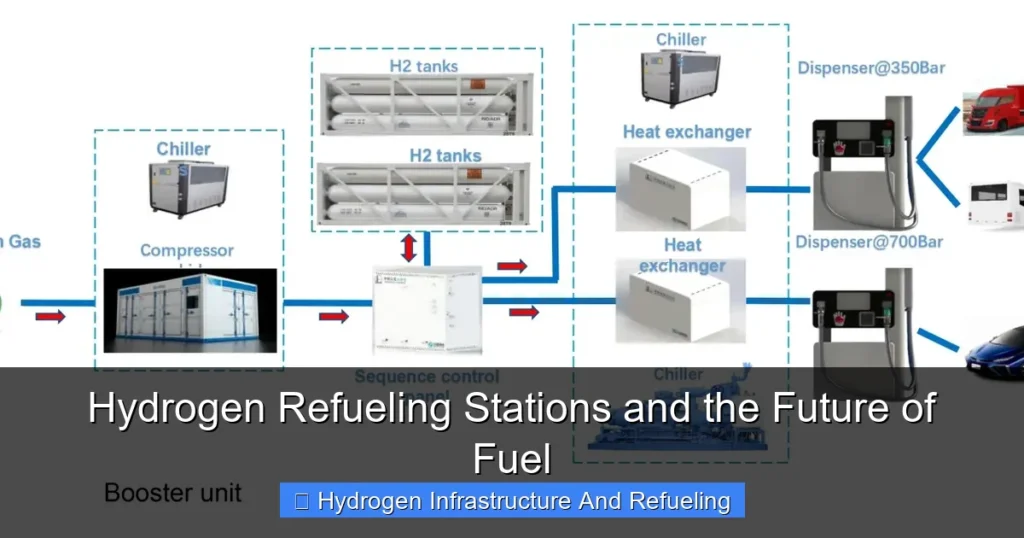
Visual guide about Hydrogen Refueling Stations and the Future of Fuel
Image source: s3.us-east-1.amazonaws.com
Without a reliable network of refueling stations, even the most advanced hydrogen vehicles are useless. That’s why building out hydrogen refueling infrastructure is just as important as developing the vehicles themselves.
A typical hydrogen refueling station looks similar to a gasoline station, but with key differences. Instead of underground tanks, hydrogen is stored in high-pressure tanks above ground. The dispenser connects to the vehicle’s fuel port, and compressed hydrogen gas is pumped into the onboard tanks at pressures up to 700 bar (over 10,000 psi)—enough to fill the tank in minutes.
These stations require specialized equipment, including compressors, cooling systems, and safety sensors to handle the high-pressure gas safely. They also need to meet strict regulatory standards to prevent leaks or accidents.
Types of Hydrogen Refueling Stations
There are three main types of hydrogen refueling stations:
– Retail stations: Located in urban areas or along highways, these are open to the public and serve passenger vehicles. Examples include the stations operated by Shell, Toyota, and Air Liquide in California and Europe.
– Fleet stations: Dedicated to specific users, such as bus depots, delivery trucks, or municipal vehicles. These are common in cities like Los Angeles, where hydrogen-powered buses are in service.
– Mobile refuelers: Trailer-mounted units that can deliver hydrogen to remote locations or temporary sites. Useful for construction zones or emergency response.
Each type plays a role in expanding access and supporting different use cases.
Real-World Examples of Hydrogen Stations
Let’s look at a few success stories:
– California, USA: Home to the largest hydrogen refueling network in North America, California has over 60 stations, with more under construction. The state’s “Hydrogen Highway” initiative, launched in the early 2000s, has been instrumental in supporting Toyota Mirai and Hyundai NEXO sales.
– Hamburg, Germany: The city hosts one of Europe’s most advanced hydrogen networks, with stations integrated into public transit. Hamburg’s hydrogen buses have logged millions of kilometers, proving the technology’s reliability.
– Tokyo, Japan: With over 160 stations, Japan leads the world in hydrogen infrastructure. The government offers subsidies for both station construction and vehicle purchases, accelerating adoption.
These examples show that with the right investment and policy support, hydrogen refueling networks can grow quickly.
Advantages of Hydrogen Refueling Over Alternatives
While battery-electric vehicles dominate the headlines, hydrogen refueling offers unique advantages that make it a vital part of the clean transportation mix.
Speed and Convenience
The biggest selling point? Refueling time. A hydrogen vehicle can be filled in 3–5 minutes, just like a gasoline car. Compare that to even the fastest EV chargers, which take 20–30 minutes for an 80% charge. For long-distance travel or commercial fleets, this difference is huge.
Imagine a delivery truck making multiple stops a day. With hydrogen, it can refuel quickly and get back on the road. With batteries, it might need to charge for hours, reducing productivity.
Range and Performance
Hydrogen vehicles offer longer ranges than most EVs. The Toyota Mirai, for example, can travel over 400 miles on a single tank—more than many electric sedans. And because hydrogen is energy-dense, it’s ideal for heavy-duty applications where battery weight and charging time are limiting factors.
Trucks, trains, and even ships are exploring hydrogen as a solution. The Alstom Coradia iLint, a hydrogen-powered train in Germany, has been running successfully since 2018, proving that hydrogen can power large, heavy vehicles over long distances.
Environmental Benefits
When powered by green hydrogen, fuel cell vehicles produce zero emissions. No CO₂, no nitrogen oxides, no particulate matter. This is especially important in urban areas, where air quality is a major concern.
Even when hydrogen is produced from natural gas (gray or blue), the overall emissions are still lower than gasoline or diesel, especially when combined with carbon capture.
Energy Security and Grid Stability
Hydrogen can also support the broader energy system. Excess renewable energy—like solar power on sunny days—can be used to produce hydrogen, which is then stored and used later. This helps balance the grid and reduces reliance on fossil fuels.
In remote areas, hydrogen can replace diesel generators, providing clean, reliable power without the noise or pollution.
Challenges Facing Hydrogen Refueling Infrastructure
Despite its promise, hydrogen refueling faces significant hurdles. Overcoming these challenges is key to widespread adoption.
High Costs
Building a hydrogen refueling station is expensive—anywhere from $1 million to $3 million per station, depending on size and technology. That’s 10 to 20 times more than a standard gas station.
The cost of hydrogen itself is also high. Currently, green hydrogen costs $4–$6 per kilogram, compared to $1–$2 for gasoline equivalent. While prices are expected to fall as production scales up, affordability remains a barrier.
Limited Availability
There are only about 1,000 hydrogen refueling stations worldwide—most concentrated in a few countries. In the U.S., for example, 95% of stations are in California. This lack of coverage makes it difficult for drivers outside major cities to use hydrogen vehicles.
Expanding the network requires massive investment and coordination between governments, energy companies, and automakers.
Hydrogen Production and Transportation
Producing hydrogen is one thing; getting it to the station is another. Hydrogen is a small, lightweight molecule that’s hard to contain. It can leak through pipes and requires high-pressure or cryogenic (liquid) storage for transport.
Most hydrogen today is produced near where it’s used, but long-distance transport is still inefficient. Building pipelines or using ammonia as a carrier are potential solutions, but they’re still in development.
Safety Concerns
Hydrogen is flammable, and its high-pressure storage raises safety questions. However, modern systems are designed with multiple safeguards—automatic shutoffs, leak detectors, and reinforced tanks. In fact, hydrogen is no more dangerous than gasoline when handled properly.
Public perception remains a challenge. Education and transparency are needed to build trust in the technology.
The Global Push for Hydrogen Infrastructure
Governments and private companies are stepping up to address these challenges. National hydrogen strategies are being rolled out worldwide, with billions in funding for research, infrastructure, and incentives.
Government Initiatives
– European Union: The EU’s “Hydrogen Strategy” aims to install 1,000 hydrogen refueling stations by 2030 and produce 10 million tons of green hydrogen annually.
– United States: The Inflation Reduction Act includes tax credits for clean hydrogen production, while the Bipartisan Infrastructure Law funds hydrogen hubs across the country.
– China: The world’s largest auto market is investing heavily in hydrogen, with plans to have 1,000 stations and 1 million fuel cell vehicles by 2035.
These policies are creating momentum, attracting private investment and accelerating innovation.
Private Sector Innovation
Companies like Plug Power, Ballard Power Systems, and Nikola are developing new technologies to lower costs and improve efficiency. Startups are exploring modular stations, on-site hydrogen production, and hydrogen-powered drones.
Automakers are also committing to hydrogen. Toyota, Hyundai, and Honda continue to produce fuel cell vehicles, while companies like Volvo and Daimler are testing hydrogen trucks.
Public-Private Partnerships
Collaboration is key. In California, the state government partners with energy companies and automakers to co-fund station construction. In Germany, the H2 Mobility initiative brings together industrial giants like Linde, TotalEnergies, and BMW to build a national network.
These partnerships share risks and resources, making large-scale deployment more feasible.
The Future of Hydrogen Refueling
So, what does the future hold? Experts predict that hydrogen refueling stations will become as common as gas stations—especially in urban centers and along major highways.
By 2030, countries like Japan, Germany, and South Korea could have nationwide networks. In the U.S., hydrogen corridors are being planned across the Northeast, Midwest, and West Coast.
Integration with Renewable Energy
The future of hydrogen is green. As solar and wind power expand, excess energy will be used to produce hydrogen during off-peak hours. This “power-to-gas” model turns renewable energy into a storable, transportable fuel.
Imagine a solar farm in the desert producing hydrogen during the day, which is then shipped to cities for refueling. This could revolutionize energy logistics.
Hydrogen in Aviation and Shipping
Beyond cars and trucks, hydrogen could power airplanes and ships. Airbus is developing hydrogen-powered aircraft for 2035, while companies like Maersk are exploring hydrogen and ammonia as marine fuels.
Refueling infrastructure will need to adapt—airports and ports will require specialized hydrogen handling systems.
A Complementary Role
Hydrogen won’t replace batteries. Instead, it will complement them. EVs are ideal for short-range, urban driving. Hydrogen excels in long-haul, heavy-duty, and high-utilization applications.
The future of fuel is diverse. Hydrogen refueling stations will be one piece of a larger clean energy puzzle.
Conclusion
Hydrogen refueling stations represent more than just a new way to fill up your car. They’re a symbol of innovation, sustainability, and the relentless pursuit of a cleaner future. While challenges remain, the progress made in just the past decade is remarkable.
From fast refueling times to zero emissions, hydrogen offers a compelling alternative to fossil fuels. With continued investment, smart policies, and public support, hydrogen refueling stations could become as familiar as the gas pumps we use today.
The road ahead is long, but the destination is clear: a world powered by clean, renewable energy. And hydrogen is helping us get there—one refuel at a time.
Frequently Asked Questions
How long does it take to refuel a hydrogen car?
It takes about 3 to 5 minutes to refuel a hydrogen fuel cell vehicle, similar to filling up a gasoline car. This is much faster than charging an electric vehicle.
Are hydrogen refueling stations safe?
Yes, hydrogen refueling stations are designed with multiple safety features, including leak detectors, automatic shutoffs, and high-strength storage tanks. When properly maintained, they are as safe as conventional fuel stations.
Where are hydrogen refueling stations located?
Most hydrogen stations are in California, Japan, Germany, and South Korea. However, new stations are being built in the U.S., Europe, and China as part of national hydrogen strategies.
Can I produce hydrogen at home for my car?
Currently, home hydrogen production is not practical or safe for most people. It requires specialized equipment and high-pressure storage. Public or fleet stations are the standard for now.
What vehicles use hydrogen refueling stations?
Passenger cars like the Toyota Mirai and Hyundai NEXO, as well as buses, trucks, and trains, use hydrogen refueling stations. Heavy-duty vehicles are a key focus for hydrogen adoption.
Is hydrogen fuel expensive?
Currently, hydrogen fuel costs more than gasoline, but prices are expected to drop as production scales up and renewable energy becomes cheaper. Government incentives also help reduce costs for consumers.