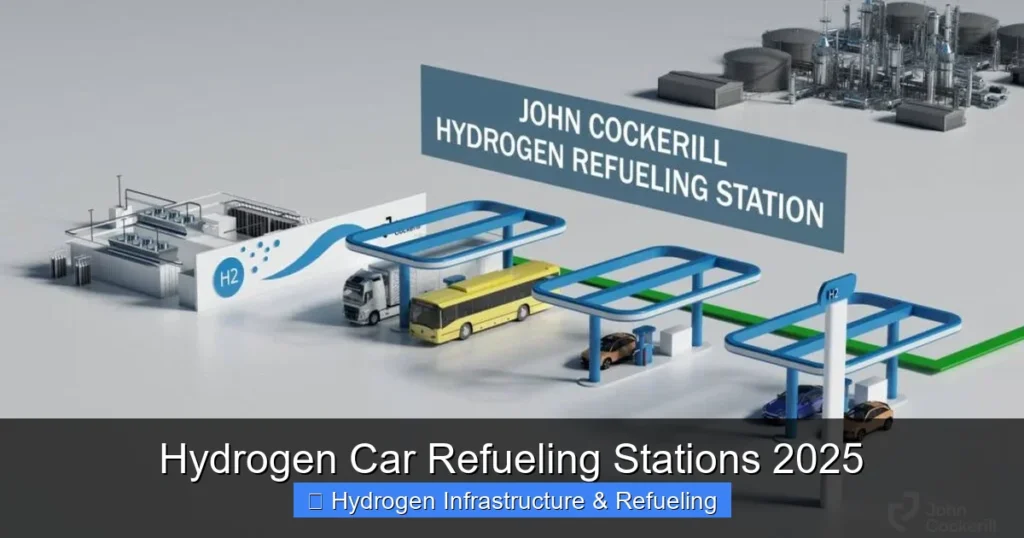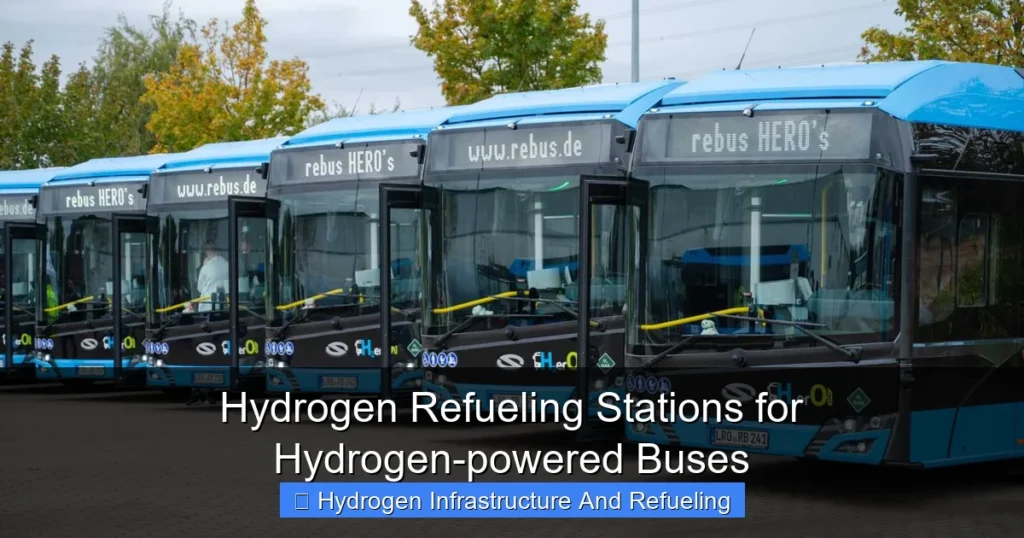
Hydrogen refueling stations are the backbone of zero-emission public transit, powering hydrogen-powered buses with clean, fast, and reliable energy. As cities shift toward sustainable transportation, these stations play a vital role in reducing urban pollution and supporting scalable green mobility solutions.
Key Takeaways
- Hydrogen-powered buses produce zero tailpipe emissions, making them ideal for improving urban air quality and meeting climate goals.
- Hydrogen refueling stations enable fast refueling—often in under 10 minutes—matching or exceeding diesel bus turnaround times.
- Refueling infrastructure can be centralized or distributed, depending on fleet size, route patterns, and city planning needs.
- Green hydrogen, produced using renewable energy, ensures the entire lifecycle of bus operation remains environmentally friendly.
- Government incentives and public-private partnerships are accelerating the deployment of hydrogen refueling networks worldwide.
- Safety standards and training are critical for station operators and maintenance crews due to hydrogen’s unique properties.
- Scalability and cost reduction are improving as technology advances and demand for clean transit grows.
📑 Table of Contents
- Introduction: The Rise of Clean Transit
- How Hydrogen Refueling Stations Work
- Types of Hydrogen Refueling Stations
- Benefits of Hydrogen Refueling for Public Transit
- Challenges and Solutions in Deployment
- Global Examples and Success Stories
- The Future of Hydrogen Refueling Infrastructure
- Conclusion: Fueling a Cleaner Future
Introduction: The Rise of Clean Transit
Imagine a city where buses glide silently through busy streets, leaving behind nothing but clean air and a quieter urban soundscape. This isn’t a futuristic dream—it’s becoming reality in cities like Aberdeen, Tokyo, and Los Angeles, where hydrogen-powered buses are already on the road. These vehicles run on fuel cells that combine hydrogen and oxygen to produce electricity, with water vapor as the only emission. But for these buses to operate efficiently, they need a reliable network of hydrogen refueling stations.
Hydrogen refueling stations for hydrogen-powered buses are more than just gas pumps with a different fuel. They represent a critical piece of green infrastructure that supports the transition away from fossil fuels. Unlike electric buses that require long charging times and extensive electrical grid upgrades, hydrogen buses can be refueled quickly—often in under 10 minutes—making them ideal for high-frequency public transit routes. As cities aim to cut carbon emissions and improve air quality, hydrogen refueling stations are emerging as a practical, scalable solution for sustainable mass transportation.
How Hydrogen Refueling Stations Work
At first glance, a hydrogen refueling station might look similar to a traditional gas station, but the technology underneath is far more advanced. These stations store hydrogen gas under high pressure and deliver it directly to the bus’s onboard tanks. The process is designed to be safe, efficient, and user-friendly, even for large fleet operations.
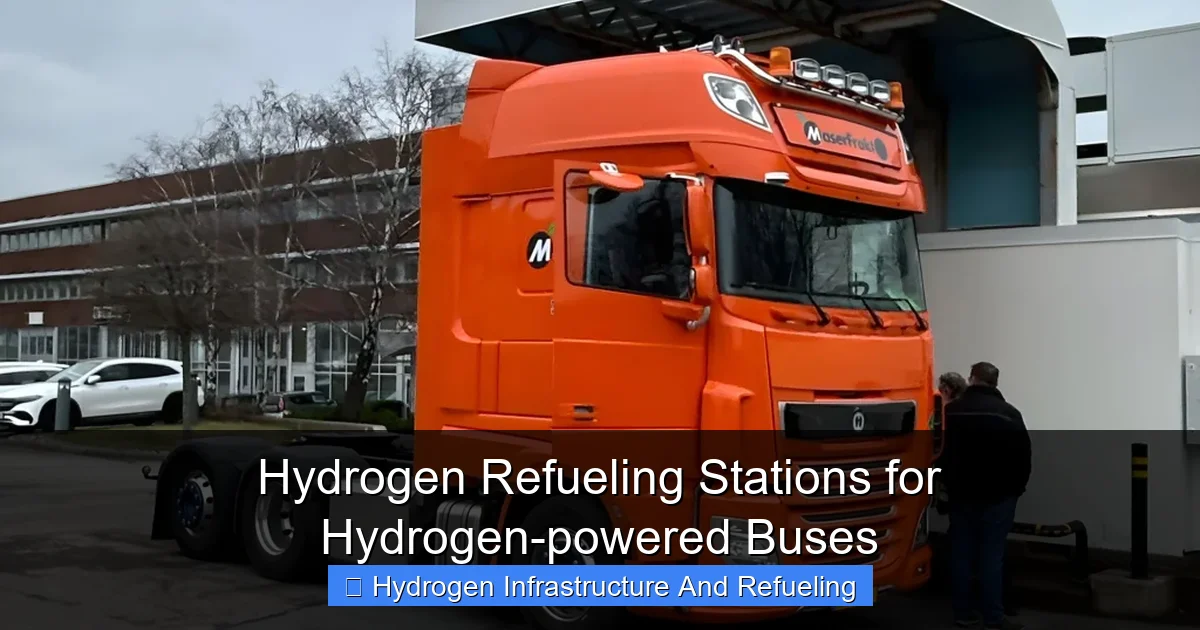
Visual guide about Hydrogen Refueling Stations for Hydrogen-powered Buses
Image source: hydrogen-central.com
Hydrogen Storage and Compression
Hydrogen is stored at the station in high-pressure tanks, typically at 350 or 700 bar (5,000 to 10,000 psi). Because hydrogen is the lightest element, it takes up a lot of space unless compressed. To maximize storage capacity, stations use advanced compression systems that squeeze hydrogen into compact volumes. Some stations also use liquid hydrogen storage, which offers even greater density, though it requires cryogenic temperatures and more complex handling.
Refueling Process
When a hydrogen-powered bus arrives, the driver connects a specialized nozzle to the vehicle’s fuel port. The station’s dispenser communicates with the bus’s onboard system to ensure compatibility and safety. Once confirmed, hydrogen flows into the tanks at a controlled rate. The entire process usually takes 5 to 10 minutes—comparable to refueling a diesel bus. This speed is a major advantage over battery-electric buses, which can take hours to recharge.
Safety Systems and Monitoring
Safety is a top priority at hydrogen refueling stations. Hydrogen is flammable and invisible when burning, so stations are equipped with multiple layers of protection. These include leak detection sensors, automatic shut-off valves, fire suppression systems, and ventilation to prevent gas buildup. Operators are trained to respond to emergencies, and stations undergo regular inspections to meet strict safety standards set by organizations like the National Fire Protection Association (NFPA) and the International Organization for Standardization (ISO).
Types of Hydrogen Refueling Stations
Not all hydrogen refueling stations are the same. Their design and scale depend on the needs of the fleet, the availability of hydrogen supply, and local infrastructure. Understanding the different types helps cities and transit agencies choose the right solution.
Centralized vs. Distributed Stations
Centralized stations are large facilities that serve multiple buses and are often located near depots or maintenance yards. They’re ideal for cities with large fleets and predictable routes. For example, the Hydrogen Bus Project in Aberdeen, Scotland, uses a centralized station that fuels 10 buses daily. These stations can produce hydrogen on-site using electrolysis or receive deliveries from hydrogen production plants.
Distributed stations, on the other hand, are smaller and placed along bus routes or at key transit hubs. They’re useful for cities with smaller fleets or those testing hydrogen technology. A distributed approach allows for gradual expansion and reduces the need for long hydrogen transport distances.
On-Site Production vs. Delivered Hydrogen
Some stations generate hydrogen on-site using electrolysis, where electricity splits water into hydrogen and oxygen. If the electricity comes from solar or wind, this produces “green hydrogen”—the cleanest option. On-site production reduces transportation costs and emissions but requires space and reliable power.
Other stations receive hydrogen via tube trailers or liquid tankers from centralized production facilities. This is common in regions where hydrogen production is concentrated, such as near industrial zones or renewable energy farms. While delivery adds complexity, it allows smaller stations to operate without large capital investments.
Mobile Refueling Units
For temporary deployments or emergency backup, mobile hydrogen refueling units are available. These are truck-mounted systems that can travel to depots or event sites. While not a permanent solution, they offer flexibility during pilot programs or infrastructure upgrades.
Benefits of Hydrogen Refueling for Public Transit
Hydrogen-powered buses and their refueling infrastructure offer a range of advantages over traditional diesel and even battery-electric alternatives. These benefits make them a compelling choice for cities committed to sustainability and operational efficiency.
Zero Tailpipe Emissions
The most obvious benefit is environmental. Hydrogen buses emit only water vapor, eliminating harmful pollutants like nitrogen oxides (NOx), particulate matter, and carbon dioxide (CO₂). This is especially important in densely populated cities where air quality is a major health concern. For example, in Foshan, China, hydrogen buses have helped reduce urban smog and improve respiratory health among residents.
Fast Refueling and Long Range
Unlike battery-electric buses that may need to recharge for several hours, hydrogen buses can be refueled in under 10 minutes. This allows transit agencies to maintain tight schedules and high service frequency. Additionally, hydrogen buses typically have a range of 300 to 500 miles on a single tank—far exceeding most electric buses. This makes them suitable for long routes, rural areas, or cities with limited charging infrastructure.
Quiet Operation
Hydrogen buses are significantly quieter than diesel buses, reducing noise pollution in urban environments. This improves the quality of life for passengers and residents alike. In cities like Copenhagen, where noise reduction is a priority, hydrogen buses are seen as a key part of the green transition.
Energy Security and Resilience
Hydrogen can be produced from diverse sources, including renewable energy, natural gas, and even waste. This reduces dependence on imported oil and enhances energy security. In regions with abundant solar or wind power, hydrogen production can store excess energy and use it later for transportation—turning buses into mobile energy storage units.
Challenges and Solutions in Deployment
Despite their benefits, hydrogen refueling stations face several challenges that can slow adoption. However, many of these are being addressed through innovation, policy support, and collaboration.
High Initial Costs
Building a hydrogen refueling station is expensive—often costing $1 million to $3 million per unit, depending on size and technology. This includes equipment, safety systems, permitting, and installation. However, costs are expected to fall as production scales up and technology improves. Government grants, such as those from the U.S. Department of Energy’s H2@Scale initiative, are helping offset these expenses.
Limited Hydrogen Supply
Currently, most hydrogen is produced from natural gas, which emits CO₂. To be truly sustainable, hydrogen must come from renewable sources. Green hydrogen production is growing, but it’s still limited by the availability of low-cost renewable electricity and electrolyzers. Expanding solar and wind farms, along with incentives for green hydrogen, can help close this gap.
Infrastructure Gaps
Hydrogen refueling networks are still sparse compared to gasoline or electric charging stations. This creates a “chicken-and-egg” problem: transit agencies hesitate to buy hydrogen buses without stations, and investors hesitate to build stations without demand. Public-private partnerships, like the California Fuel Cell Partnership, are helping break this cycle by coordinating fleet purchases and infrastructure development.
Public Perception and Safety Concerns
Some people associate hydrogen with the Hindenburg disaster, but modern hydrogen systems are far safer. Hydrogen disperses quickly in air, reducing fire risk, and stations are built with multiple safety layers. Education campaigns and community engagement can help build public trust. For example, in Whistler, Canada, transit authorities held open houses to demonstrate station safety and answer questions.
Global Examples and Success Stories
Cities around the world are leading the way in deploying hydrogen refueling stations for buses. These real-world examples show what’s possible and provide valuable lessons for others.
Europe: Aberdeen and Cologne
Aberdeen, Scotland, launched one of Europe’s first hydrogen bus fleets in 2015. With support from the EU’s JIVE (Joint Initiative for Hydrogen Vehicles across Europe) program, the city now operates 10 hydrogen buses and a dedicated refueling station. The project has reduced CO₂ emissions by over 1,000 tons annually and created local green jobs.
In Cologne, Germany, the H2Bus Europe initiative is deploying 60 hydrogen buses and multiple refueling stations. The project emphasizes green hydrogen produced from wind energy, showcasing a fully sustainable transit model.
Asia: Foshan and Tokyo
Foshan, China, has become a global leader in hydrogen transit, with over 1,000 hydrogen buses and multiple refueling stations. The city invested heavily in hydrogen infrastructure as part of its clean air strategy. Similarly, Tokyo used hydrogen buses during the 2020 Olympics to showcase its commitment to sustainability.
North America: California and Canada
California is home to the largest hydrogen bus fleet in the U.S., with over 50 buses operating in cities like Oakland and Riverside. The state’s Clean Transportation Program provides funding for both buses and refueling stations. In Canada, Whistler’s hydrogen bus project has been running since 2010, proving the technology’s reliability in cold climates.
The Future of Hydrogen Refueling Infrastructure
The future looks bright for hydrogen refueling stations. As technology advances and demand grows, we can expect faster, cheaper, and more widespread deployment.
Cost Reduction and Scalability
Economies of scale, improved electrolyzers, and modular station designs are driving down costs. Experts predict that hydrogen refueling could become cost-competitive with diesel within the next decade, especially as carbon pricing increases the cost of fossil fuels.
Integration with Renewable Energy
Future stations may be directly connected to solar or wind farms, enabling 100% green hydrogen production. Some concepts even envision “hydrogen hubs” where buses, trucks, and trains share refueling infrastructure, maximizing efficiency.
Smart Technology and Automation
Next-generation stations will use AI and IoT sensors to monitor performance, predict maintenance needs, and optimize refueling schedules. Automated dispensers could allow buses to refuel without driver intervention, further improving efficiency.
Policy and Investment Support
Governments are increasingly supporting hydrogen infrastructure through grants, tax credits, and mandates. The U.S. Infrastructure Investment and Jobs Act includes $8 billion for hydrogen hubs, while the European Green Deal promotes hydrogen as a key clean energy carrier. These policies will accelerate adoption and innovation.
Conclusion: Fueling a Cleaner Future
Hydrogen refueling stations are more than just fueling points—they are gateways to a cleaner, quieter, and more sustainable public transit system. By enabling hydrogen-powered buses to operate efficiently and reliably, these stations help cities reduce emissions, improve air quality, and meet climate goals. While challenges remain, the rapid progress in technology, policy, and real-world deployments shows that hydrogen is no longer a niche solution. It’s a practical, scalable option for the future of urban mobility.
As more cities invest in hydrogen infrastructure, we can expect to see networks expand, costs fall, and public acceptance grow. Whether through centralized depots or distributed stations, green hydrogen production or delivered supply, the path forward is clear. Hydrogen refueling stations are not just supporting buses—they’re helping drive the transition to a zero-emission world.
Frequently Asked Questions
How long does it take to refuel a hydrogen-powered bus?
Refueling a hydrogen-powered bus typically takes 5 to 10 minutes, similar to filling up a diesel bus. This fast turnaround time allows transit agencies to maintain efficient schedules and high service frequency.
Are hydrogen refueling stations safe?
Yes, hydrogen refueling stations are designed with multiple safety features, including leak detectors, automatic shut-off valves, and fire suppression systems. Hydrogen disperses quickly in air, reducing fire risk, and operators are trained to handle emergencies.
Where does the hydrogen for these stations come from?
Hydrogen can be produced on-site using electrolysis (splitting water with electricity) or delivered from centralized production facilities. Green hydrogen, made with renewable energy, is the most sustainable option.
Can hydrogen refueling stations serve other vehicles?
Yes, many hydrogen stations are designed to serve multiple vehicle types, including cars, trucks, and trains. This shared infrastructure can improve cost efficiency and support broader adoption of hydrogen technology.
How much does it cost to build a hydrogen refueling station?
Building a hydrogen refueling station typically costs between $1 million and $3 million, depending on size and technology. Costs are expected to decrease as production scales and technology improves.
What cities currently have hydrogen-powered buses and refueling stations?
Cities like Aberdeen (Scotland), Foshan (China), Cologne (Germany), and Oakland (USA) have operational hydrogen bus fleets and refueling stations. Many more are in development worldwide.