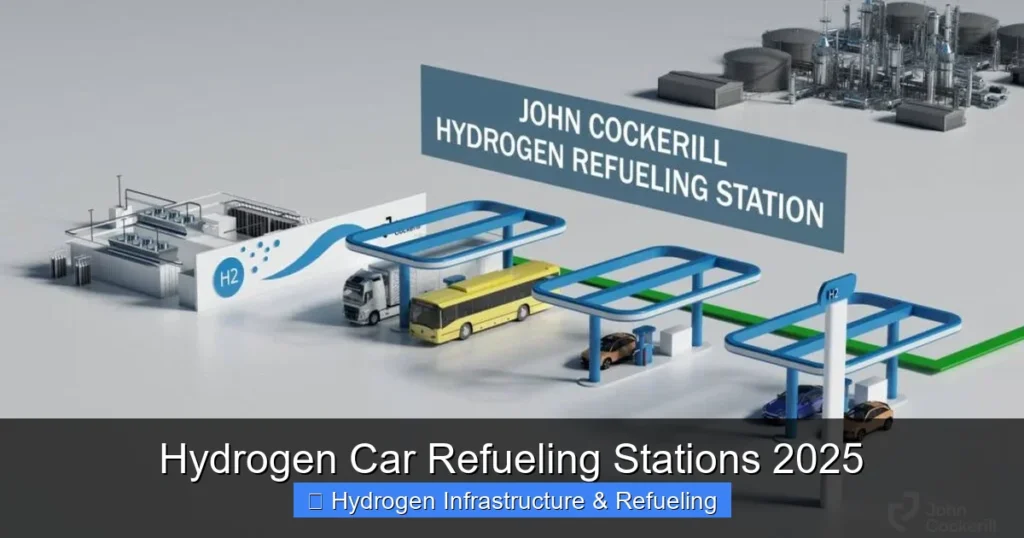
Hydrogen refueling stations are paving the way for sustainable long-distance travel. With rapid refueling times and zero tailpipe emissions, hydrogen-powered vehicles offer a viable alternative to electric and fossil-fueled cars—especially on highways and remote routes.
Key Takeaways
- Hydrogen refueling is fast: Fill up in 3–5 minutes, similar to gasoline—ideal for road trips and commercial fleets.
- Zero emissions at the tailpipe: Only water vapor is released, making hydrogen a clean energy option for long-haul travel.
- Infrastructure is expanding: Countries like Japan, Germany, and the U.S. are investing heavily in hydrogen station networks.
- Best for heavy-duty and long-range vehicles: Trucks, buses, and SUVs benefit most from hydrogen’s high energy density.
- Green hydrogen is the future: When produced using renewable energy, hydrogen becomes a truly sustainable fuel source.
- Challenges remain: High costs, storage complexity, and limited station coverage still hinder widespread adoption.
- Government support is crucial: Subsidies, tax incentives, and public-private partnerships are accelerating infrastructure growth.
📑 Table of Contents
Why Hydrogen for Long-Distance Travel?
Imagine hitting the open road in a vehicle that refuels in minutes, emits nothing but water, and can travel 300–400 miles on a single tank. That’s not science fiction—it’s the promise of hydrogen-powered long-distance travel. As the world shifts toward cleaner transportation, hydrogen fuel cell vehicles (FCEVs) are emerging as a powerful solution, especially for journeys where charging time and range anxiety are real concerns.
Unlike battery-electric vehicles (BEVs), which can take 30 minutes to several hours to recharge—even at fast-charging stations—hydrogen vehicles refuel in about the same time it takes to fill a gas tank. This makes them particularly appealing for road trips, cross-country freight, and commercial fleets that can’t afford long downtimes. Plus, hydrogen has a much higher energy density than batteries, meaning vehicles can carry more energy without adding excessive weight—a major advantage for trucks, buses, and SUVs.
But hydrogen isn’t just about convenience. It’s about sustainability. When hydrogen is produced using renewable energy—like wind or solar—it becomes “green hydrogen,” a truly carbon-free fuel. Even when produced from natural gas (known as “gray hydrogen”), it still emits significantly less CO₂ than gasoline or diesel. For long-distance travelers who care about their environmental footprint, hydrogen offers a compelling middle ground between performance and planet-friendly driving.
The Role of Hydrogen in Decarbonizing Transportation
Transportation accounts for nearly a quarter of global CO₂ emissions, and long-haul travel—especially by trucks and buses—is one of the hardest sectors to electrify. Batteries are heavy, take up space, and require long charging times, making them less practical for heavy-duty applications. Hydrogen, on the other hand, can deliver the range and refueling speed needed for uninterrupted travel.
Countries like Japan, South Korea, and Germany are leading the charge in hydrogen infrastructure, recognizing its potential to decarbonize not just passenger cars but also logistics, public transit, and even aviation. In the U.S., states like California are building out hydrogen corridors along major highways, enabling FCEVs to travel from San Francisco to Los Angeles and beyond without range concerns.
Moreover, hydrogen isn’t just for cars. It’s being tested in trains, ships, and even airplanes. For example, Alstom’s hydrogen-powered Coradia iLint trains are already running in Germany, offering a quiet, zero-emission alternative to diesel locomotives. As technology improves and costs come down, hydrogen could become the backbone of a clean, efficient transportation network.
How Hydrogen Refueling Stations Work
Hydrogen refueling stations may look similar to gas stations, but the technology behind them is far more complex. These stations store compressed hydrogen gas (usually at 350 or 700 bar pressure) and dispense it directly into a vehicle’s fuel cell system. The process is quick, safe, and requires minimal driver interaction—just like pumping gas.
When you pull up to a hydrogen station, you’ll typically see a dispenser with a nozzle that connects to your vehicle’s fuel inlet. The system automatically checks for compatibility and safety before beginning the transfer. Within 3 to 5 minutes, your tank is full, and you’re back on the road. No plugs, no waiting, no range anxiety.
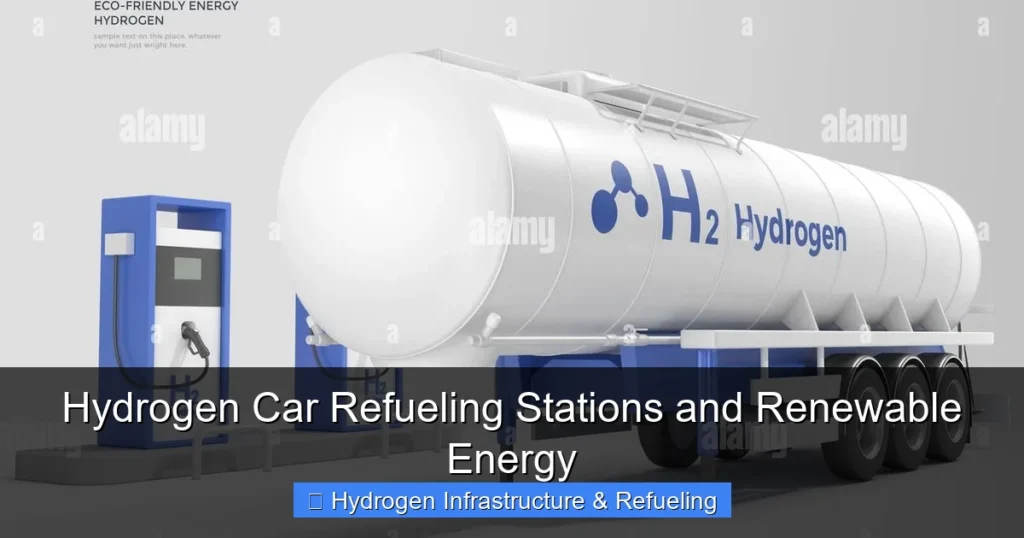
But what happens behind the scenes? Most hydrogen stations use on-site electrolysis or receive hydrogen via tube trailers from centralized production facilities. Electrolysis splits water (H₂O) into hydrogen and oxygen using electricity—ideally from renewable sources. This method produces green hydrogen, which is the gold standard for sustainability.
Some stations also use steam methane reforming (SMR), a process that extracts hydrogen from natural gas. While this method is cheaper and more common today, it does produce CO₂ as a byproduct. However, when paired with carbon capture and storage (CCS), SMR can significantly reduce emissions, creating “blue hydrogen.”
Types of Hydrogen Refueling Stations
Not all hydrogen stations are created equal. They vary in size, capacity, and production method, depending on location and demand. Here are the main types:
- Retail stations: Located along highways or in urban areas, these serve individual consumers and small fleets. They’re often part of larger fueling networks and may offer both hydrogen and electric charging.
- Fleet stations: Built specifically for commercial or municipal fleets, such as buses, taxis, or delivery trucks. These stations are usually larger and can refuel multiple vehicles per hour.
- Mobile refuelers: Portable units that can deliver hydrogen to remote locations or events. They’re useful for testing new routes or supporting temporary operations.
- On-site production stations: Generate hydrogen directly at the station using electrolysis or SMR. This reduces transportation costs and emissions but requires more space and infrastructure.
- Centralized distribution stations: Receive hydrogen via pipelines or tube trailers from large production plants. These are common in regions with established hydrogen supply chains.
Each type plays a role in building a comprehensive hydrogen refueling network. As demand grows, we’ll likely see more hybrid stations that combine hydrogen, electric, and even biofuel options—giving drivers maximum flexibility.
Safety and Reliability of Hydrogen Stations
One of the biggest concerns about hydrogen is safety. After all, it’s a flammable gas, and images of the Hindenburg disaster still linger in public memory. But modern hydrogen refueling stations are designed with multiple layers of safety to prevent leaks, fires, or explosions.
Hydrogen is actually lighter than air, so if it does leak, it rises and disperses quickly—unlike gasoline fumes, which can pool near the ground. Stations are equipped with sensors that detect hydrogen concentrations and automatically shut down operations if levels rise above safe thresholds. Dispensers have breakaway nozzles, emergency stop buttons, and grounding systems to prevent static sparks.
Vehicles themselves are built with reinforced tanks made of carbon fiber that can withstand extreme pressure and impact. In crash tests, hydrogen tanks have proven to be as safe—or safer—than gasoline tanks. Plus, fuel cells shut down automatically in an accident, cutting off the hydrogen supply.
Regulations also play a key role. In the U.S., the National Fire Protection Association (NFPA) sets strict standards for hydrogen fueling systems. Similar codes exist in Europe, Japan, and other regions. These guidelines ensure that stations are designed, installed, and maintained to the highest safety standards.
Global Progress in Hydrogen Infrastructure
The expansion of hydrogen refueling stations is happening at different speeds around the world, driven by government policies, private investment, and technological innovation. While still in its early stages compared to electric charging networks, hydrogen infrastructure is growing rapidly—especially in regions with strong environmental goals.
Leading Countries in Hydrogen Refueling
Japan is arguably the global leader in hydrogen infrastructure. With over 160 operational stations as of 2023, the country has embraced hydrogen as a cornerstone of its energy strategy. The Japanese government has set a goal of 900 stations by 2030, supported by subsidies and partnerships with automakers like Toyota and Honda. The 2020 Tokyo Olympics showcased hydrogen-powered buses and taxis, highlighting the country’s commitment to a hydrogen society.
Germany follows closely behind, with more than 100 stations across the country. The German government has invested billions in hydrogen research and infrastructure through its National Hydrogen Strategy. Companies like H2 Mobility and Linde are building a nationwide network, with stations along the Autobahn and in major cities like Berlin, Munich, and Hamburg. Germany is also exploring hydrogen pipelines to connect production hubs with refueling stations, reducing reliance on truck transport.
In the United States, California is the epicenter of hydrogen development. The state has over 60 public hydrogen stations, mostly in the San Francisco Bay Area, Los Angeles, and San Diego. The California Fuel Cell Partnership, a collaboration between government, industry, and environmental groups, is working to expand the network to 1,000 stations by 2030. The state also offers generous rebates for FCEV purchases and station construction.
South Korea is another major player, with plans to build 1,200 hydrogen stations by 2040. The government has introduced tax incentives, low-interest loans, and public awareness campaigns to promote hydrogen adoption. Hyundai’s NEXO SUV is one of the most popular FCEVs on the market, and the company is investing heavily in hydrogen trucks and buses.
Emerging Markets and Future Expansion
While Asia and Europe are leading the charge, other regions are beginning to invest in hydrogen infrastructure. Canada has launched hydrogen corridors in British Columbia and Quebec, supported by federal funding. Australia is leveraging its abundant renewable resources to produce green hydrogen for domestic use and export.
In the Middle East, countries like Saudi Arabia and the UAE are exploring hydrogen as part of their economic diversification strategies. Saudi Arabia’s NEOM project includes plans for a $5 billion green hydrogen plant, powered entirely by solar and wind energy. The goal is to produce hydrogen for both local transportation and international export.
Even in developing nations, hydrogen is gaining traction. Chile, for example, is using its vast solar resources to produce green hydrogen for mining operations and public transit. These early adopters show that hydrogen isn’t just for wealthy nations—it can play a role in sustainable development worldwide.
Challenges Facing Hydrogen Refueling Networks
Despite the progress, hydrogen refueling stations face significant hurdles that must be overcome for widespread adoption. Cost is the biggest barrier. Building a single hydrogen station can cost between $1 million and $3 million—far more than a gasoline station or even a high-power EV charger. This high upfront investment makes it difficult to justify expansion in low-demand areas.
Production and distribution are also challenges. Most hydrogen today is produced from natural gas, which isn’t sustainable in the long term. Green hydrogen, while cleaner, is currently 2–3 times more expensive due to the cost of electrolyzers and renewable electricity. Transporting hydrogen is tricky too—it’s less energy-dense than gasoline, so it requires compression or liquefaction, both of which are energy-intensive.
Then there’s the “chicken-and-egg” problem: automakers won’t build more FCEVs without more stations, and investors won’t build stations without more vehicles. This Catch-22 slows down growth and creates uncertainty in the market.
Overcoming the Barriers
To address these challenges, governments and private companies are taking action. Subsidies and tax credits can lower the cost of station construction and vehicle purchases. In the U.S., the Inflation Reduction Act includes tax credits for clean hydrogen production, which could make green hydrogen cost-competitive by 2030.
Public-private partnerships are also key. Companies like Toyota, Shell, and Air Liquide are collaborating on joint ventures to build hydrogen corridors. For example, the H2USA initiative in the U.S. brings together automakers, energy companies, and government agencies to accelerate infrastructure development.
Technology improvements will also help. New electrolyzer designs are becoming more efficient and affordable. Advances in storage, such as liquid organic hydrogen carriers (LOHCs) and underground salt caverns, could make hydrogen transport safer and cheaper.
Finally, consumer education is essential. Many people still don’t understand how hydrogen vehicles work or where they can refuel. Clear signage, mobile apps, and public awareness campaigns can help drivers feel more confident about choosing hydrogen.
The Future of Long-Distance Travel with Hydrogen
Looking ahead, hydrogen refueling stations are poised to play a major role in the future of long-distance travel. As technology improves and costs decline, we can expect to see more hydrogen corridors along major highways, enabling seamless cross-country journeys in zero-emission vehicles.
One promising development is the rise of hydrogen-powered trucks. Companies like Nikola, Hyundai, and Toyota are testing hydrogen semi-trucks that can travel 500–700 miles on a single tank—perfect for freight routes between cities. These trucks could reduce emissions in the logistics industry, which is responsible for a significant share of transportation-related CO₂.
Another trend is the integration of hydrogen with renewable energy. Solar and wind farms can power electrolyzers to produce green hydrogen during off-peak hours, storing excess energy for later use. This creates a symbiotic relationship between clean power and clean transportation.
In the long term, hydrogen could even support intercity travel beyond roads. Hydrogen-powered trains are already in service in Europe, and companies like Airbus are developing hydrogen aircraft for short-haul flights. While these applications are still in early stages, they show the versatility of hydrogen as an energy carrier.
Tips for Travelers Considering Hydrogen Vehicles
If you’re thinking about taking a long-distance trip in a hydrogen-powered vehicle, here are a few practical tips:
- Plan your route: Use apps like H2.Live or PlugShare to locate hydrogen stations along your journey. Most are concentrated in urban areas and along major highways.
- Check station status: Some stations may be temporarily offline for maintenance. Call ahead or check the station’s website before you go.
- Bring a backup plan: While hydrogen networks are growing, coverage is still limited in rural areas. Consider renting an FCEV only for trips where stations are readily available.
- Understand the cost: Hydrogen fuel is currently more expensive than gasoline or electricity per mile, though prices vary by region. Factor this into your travel budget.
- Stay informed: Hydrogen technology is evolving quickly. Follow industry news and government incentives to stay up to date on new stations and vehicle models.
With a little planning, hydrogen-powered long-distance travel can be a smooth, sustainable, and exciting experience.
Conclusion
Hydrogen refueling stations are more than just a futuristic concept—they’re a practical solution for clean, efficient long-distance travel. With fast refueling times, zero emissions, and growing infrastructure, hydrogen-powered vehicles offer a compelling alternative to traditional and electric cars, especially for road trips, freight, and heavy-duty transport.
While challenges like cost, production, and station availability remain, global investment and innovation are steadily overcoming these barriers. Countries like Japan, Germany, and the U.S. are leading the way, building networks that make hydrogen travel increasingly accessible.
As green hydrogen production scales up and technology improves, we can expect to see hydrogen become a mainstream fuel for long-haul journeys. Whether you’re driving across the country in an FCEV SUV or riding a hydrogen-powered bus, the future of travel is looking cleaner, faster, and more sustainable—one hydrogen refueling station at a time.
Frequently Asked Questions
How long does it take to refuel a hydrogen vehicle?
Refueling a hydrogen vehicle takes just 3 to 5 minutes, similar to filling up a gasoline car. This makes it ideal for long-distance travel where time is critical.
Are hydrogen refueling stations safe?
Yes, hydrogen stations are designed with multiple safety features, including leak detection, automatic shutoffs, and reinforced vehicle tanks. Hydrogen disperses quickly if released, reducing fire risk.
Where can I find hydrogen refueling stations?
Hydrogen stations are currently concentrated in countries like Japan, Germany, and the U.S., especially in California. Use apps like H2.Live or PlugShare to locate stations along your route.
Is hydrogen fuel expensive?
Currently, hydrogen fuel costs more per mile than gasoline or electricity, but prices are expected to drop as production scales up and green hydrogen becomes more common.
Can hydrogen vehicles travel long distances?
Yes, most hydrogen vehicles have a range of 300–400 miles per tank, making them well-suited for long-distance travel without frequent stops.
What is green hydrogen?
Green hydrogen is produced using renewable energy to split water into hydrogen and oxygen. It’s the most sustainable form of hydrogen, with zero carbon emissions.