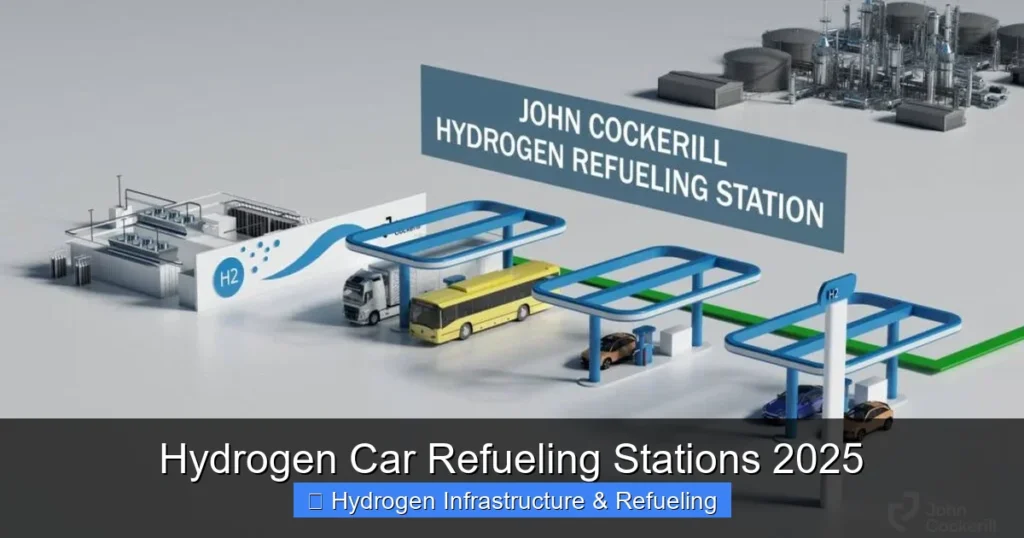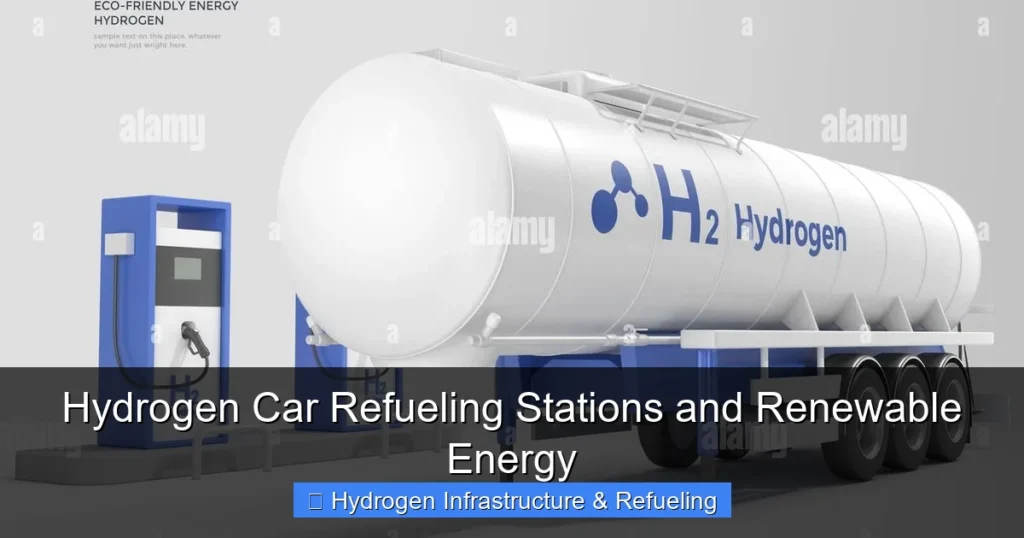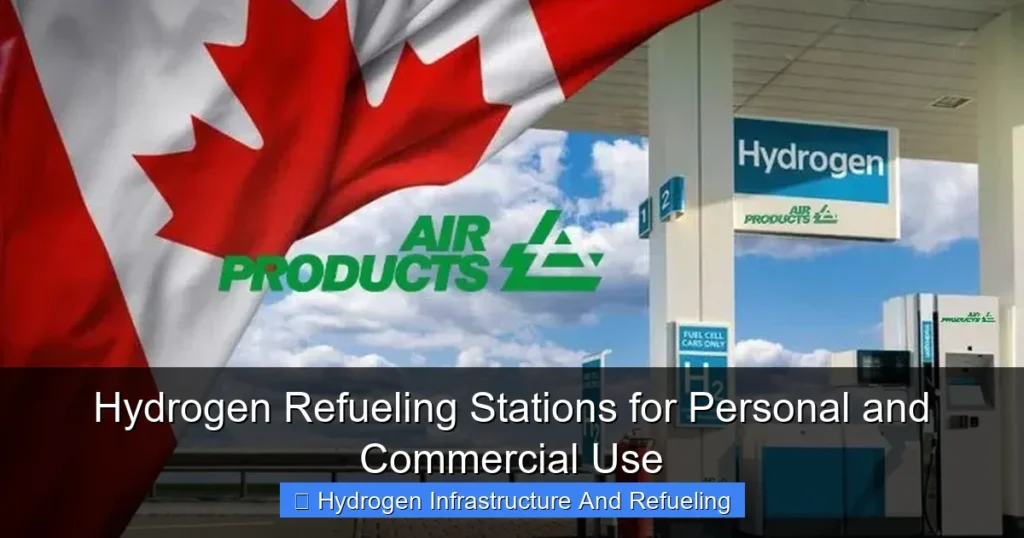
Hydrogen refueling stations are paving the way for a cleaner, zero-emission transportation future. From personal cars to heavy-duty trucks, these stations deliver fast, reliable refueling using green hydrogen. As the network grows, they’re becoming a practical and sustainable choice for drivers and fleet operators alike.
Key Takeaways
- Hydrogen refueling stations support both personal and commercial vehicles, offering a clean alternative to gasoline and diesel.
- Refueling is fast—similar to gasoline, taking just 3–10 minutes for most vehicles.
- Stations use compressed hydrogen gas stored at high pressure (typically 700 bar) for maximum efficiency.
- Green hydrogen, produced using renewable energy, is the most sustainable option and is growing in availability.
- Commercial fleets benefit greatly from hydrogen due to long-range needs and quick turnaround times.
- Government incentives and private investment are accelerating the expansion of hydrogen infrastructure.
- Challenges remain, including high upfront costs and limited station availability outside key regions.
📑 Table of Contents
- What Are Hydrogen Refueling Stations?
- How Hydrogen Refueling Works
- Hydrogen for Personal Vehicles: A Growing Option
- Hydrogen for Commercial and Fleet Use: A Game Changer
- The State of Hydrogen Infrastructure Today
- Future Outlook: What’s Next for Hydrogen Refueling?
- Challenges and Considerations
- Conclusion
What Are Hydrogen Refueling Stations?
Hydrogen refueling stations are specialized facilities designed to safely store and dispense hydrogen gas to fuel cell electric vehicles (FCEVs). Unlike battery-electric vehicles that plug in to recharge, FCEVs use hydrogen to generate electricity onboard through a chemical reaction in a fuel cell. This process produces only water vapor as a byproduct, making it a truly zero-emission solution when the hydrogen is produced cleanly.
These stations look and function similarly to traditional gas stations, but instead of pumping liquid fuel, they deliver compressed hydrogen gas directly into a vehicle’s tank. The technology behind hydrogen refueling has advanced significantly in recent years, making the process safe, efficient, and user-friendly. Most modern stations are equipped with automated safety systems, real-time monitoring, and user interfaces that guide drivers through the refueling process.
The rise of hydrogen refueling stations is closely tied to the growing interest in clean transportation. As governments and industries aim to reduce carbon emissions, hydrogen offers a promising path—especially for applications where batteries fall short, such as long-haul trucking, buses, and industrial equipment. While still in the early stages of deployment compared to electric charging networks, hydrogen infrastructure is expanding rapidly in key markets like California, Japan, Germany, and South Korea.
How Hydrogen Refueling Works
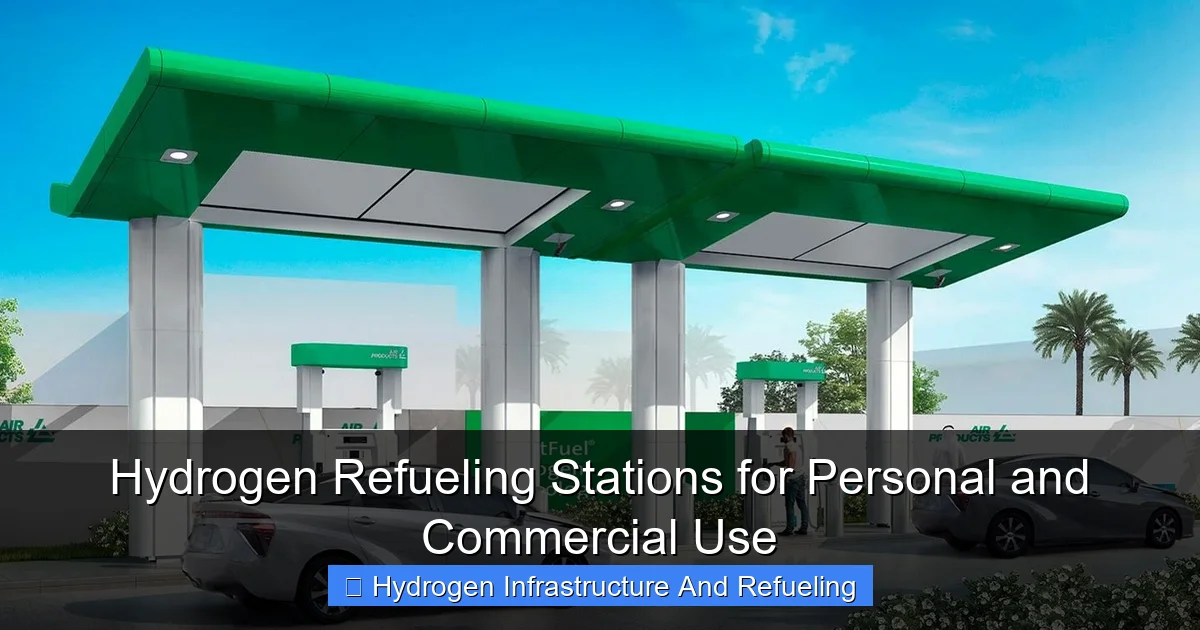
Visual guide about Hydrogen Refueling Stations for Personal and Commercial Use
Image source: gh2forclimate.org
Understanding how hydrogen refueling works helps demystify the technology and shows why it’s a viable option for both personal and commercial use. The process begins with hydrogen production, which can come from various sources. The cleanest method—called green hydrogen—uses renewable energy (like wind or solar) to split water into hydrogen and oxygen through electrolysis. Other methods include gray hydrogen (from natural gas) and blue hydrogen (from natural gas with carbon capture), but green hydrogen is the goal for a truly sustainable future.
Once produced, hydrogen is compressed and transported to refueling stations, either via pipelines or specialized tube trailers. At the station, the hydrogen is stored in high-pressure tanks—typically at 5,000 to 10,000 psi (pounds per square inch)—and then dispensed into vehicles at 700 bar (about 10,000 psi). This high pressure allows for a large amount of hydrogen to be stored in a relatively small space, giving FCEVs a driving range comparable to gasoline vehicles—often 300 to 400 miles on a single fill.
The actual refueling process is simple and quick. A driver pulls up to the dispenser, connects a specially designed nozzle to the vehicle’s fuel inlet, and initiates the fill. The system automatically checks for leaks, equalizes pressure, and begins transferring hydrogen. Most refueling takes between 3 and 10 minutes, which is significantly faster than charging a battery-electric vehicle. This speed is a major advantage for commercial fleets that need to minimize downtime.
Safety is a top priority in hydrogen refueling. Hydrogen is lighter than air and disperses quickly if released, reducing the risk of fire. Stations are equipped with multiple safety features, including flame detectors, emergency shut-offs, and ventilation systems. Additionally, hydrogen fueling nozzles are designed to prevent accidental disconnection and ensure a secure seal during transfer.
Hydrogen for Personal Vehicles: A Growing Option
For individual drivers, hydrogen-powered cars offer a compelling alternative to both gasoline and battery-electric vehicles. Models like the Toyota Mirai, Hyundai NEXO, and the upcoming Honda Clarity Fuel Cell are already on the road, delivering smooth, quiet performance with zero tailpipe emissions. These vehicles are ideal for people who want the environmental benefits of electric driving but need the convenience of fast refueling and long range.
One of the biggest advantages of hydrogen for personal use is the refueling experience. Unlike electric vehicles that may require 30 minutes to several hours to recharge—depending on the charger type—hydrogen vehicles can be refueled in under 10 minutes. This makes them more practical for road trips, busy schedules, or households with multiple drivers. Plus, hydrogen cars don’t suffer from the “range anxiety” that some EV owners experience, especially in cold weather when battery performance can drop.
However, the biggest barrier for personal hydrogen vehicle adoption is the limited availability of refueling stations. As of 2024, most hydrogen stations are concentrated in California, with smaller networks in Japan, South Korea, and parts of Europe. This means that unless you live in or near these areas, owning a hydrogen car may not be practical. That said, the infrastructure is expanding. California alone has over 60 operational hydrogen stations, with plans to reach 200 by 2026. The state’s Zero-Emission Vehicle (ZEV) program and incentives from the California Air Resources Board (CARB) are helping drive this growth.
Another consideration is cost. Hydrogen fuel is currently more expensive than gasoline on a per-mile basis, though prices are expected to fall as production scales up and green hydrogen becomes more common. Some automakers, like Toyota and Hyundai, offer free hydrogen fuel for the first few years of ownership to help offset this cost and encourage adoption.
For environmentally conscious drivers, the appeal of hydrogen is clear: zero emissions, fast refueling, and a driving experience similar to conventional cars. As the network of hydrogen refueling stations grows, personal hydrogen vehicles could become a mainstream choice—especially for those who need longer range or live in areas with limited EV charging options.
Hydrogen for Commercial and Fleet Use: A Game Changer
While personal hydrogen vehicles are still gaining traction, the real potential for hydrogen lies in commercial and fleet applications. Heavy-duty trucks, delivery vans, buses, and even forklifts are increasingly turning to hydrogen fuel cells because they offer the range, power, and refueling speed that batteries struggle to match.
Long-haul trucking is one of the most promising areas for hydrogen. A typical semi-truck can travel 500 to 1,000 miles on a single tank of hydrogen, and refueling takes just 15 to 30 minutes—compared to hours of charging for electric trucks. Companies like Nikola, Hyundai, and Toyota are already testing hydrogen-powered trucks on real-world routes. For example, Toyota’s “Project Portal” deployed hydrogen-fuel-cell trucks at the Port of Los Angeles, demonstrating their ability to handle heavy loads and long shifts without emissions.
Delivery fleets are another strong use case. Companies like Amazon and UPS are investing in hydrogen-powered delivery vans because they can be refueled quickly and return to service faster than their electric counterparts. This is crucial for logistics operations where downtime directly impacts delivery schedules and customer satisfaction.
Public transportation is also embracing hydrogen. Cities like London, Hamburg, and Tokyo are adding hydrogen buses to their fleets. These buses produce no emissions, run quietly, and can operate all day on a single fill. Unlike electric buses that require lengthy charging stops, hydrogen buses can refuel in minutes and continue their routes—making them ideal for high-frequency urban transit.
Even industrial equipment is going hydrogen. Forklifts in warehouses, airport ground support vehicles, and port machinery are increasingly powered by fuel cells. These applications benefit from the fast refueling and consistent power output of hydrogen, which allows for continuous operation without battery degradation over time.
The growth of hydrogen for commercial use is supported by strong economic and environmental incentives. Many governments offer grants, tax credits, and low-interest loans for fleet operators who switch to zero-emission vehicles. In the U.S., the Inflation Reduction Act includes significant funding for clean hydrogen production and infrastructure. Similarly, the European Union’s Green Deal promotes hydrogen as a key part of its decarbonization strategy.
The State of Hydrogen Infrastructure Today
As of 2024, the global network of hydrogen refueling stations is still in its early stages, but it’s growing rapidly. According to the International Energy Agency (IEA), there are over 1,000 hydrogen refueling stations worldwide, with the majority located in Asia, North America, and Europe. Japan leads with over 160 stations, followed by Germany with more than 100, and the United States with around 70—most of which are in California.
California remains the epicenter of hydrogen infrastructure in the U.S. The state’s aggressive climate goals and supportive policies have made it a testing ground for hydrogen technology. The California Fuel Cell Partnership, a collaboration between automakers, energy companies, and government agencies, has been instrumental in expanding the network. Stations are strategically located along major highways and in urban centers to support both personal and commercial vehicles.
In Europe, countries like Germany, France, and the Netherlands are investing heavily in hydrogen corridors—networks of refueling stations along key transportation routes. The H2 Mobility initiative in Germany aims to build 1,000 stations by 2030. Similarly, the UK’s Hydrogen Strategy includes plans for hydrogen hubs in industrial regions and transportation corridors.
Asia is also a major player. South Korea has set a goal of 1,200 hydrogen stations by 2040, while China is rapidly expanding its network, particularly in cities like Beijing, Shanghai, and Guangzhou. Japan’s “Basic Hydrogen Strategy” supports the development of a hydrogen society, with refueling stations integrated into urban planning and energy systems.
Despite this progress, challenges remain. The high cost of building and operating hydrogen stations is a major barrier. A single station can cost between $1 million and $3 million, depending on size and technology. Additionally, hydrogen production and transportation are still expensive, especially for green hydrogen. However, economies of scale, technological improvements, and government support are expected to drive costs down over time.
Another challenge is standardization. Different countries and manufacturers use varying protocols for hydrogen dispensing, which can create compatibility issues. Efforts are underway to harmonize standards, such as the SAE J2601 protocol for light-duty vehicles, to ensure interoperability and ease of use.
Future Outlook: What’s Next for Hydrogen Refueling?
The future of hydrogen refueling stations looks promising, driven by technological innovation, policy support, and growing demand for clean transportation. Several trends are shaping the next phase of hydrogen infrastructure development.
First, green hydrogen production is scaling up. New electrolyzer technologies are becoming more efficient and affordable, making it easier to produce hydrogen using renewable energy. Projects like the HyDeal Ambition in Europe aim to produce green hydrogen at costs below $2 per kilogram by 2030—making it competitive with fossil fuels.
Second, modular and mobile refueling solutions are emerging. These compact stations can be deployed quickly in remote areas or temporary sites, such as construction zones or event venues. Mobile hydrogen trailers can also deliver fuel directly to fleets, reducing the need for fixed infrastructure.
Third, integration with renewable energy systems is increasing. Some hydrogen stations are being built alongside solar farms or wind turbines, allowing them to produce and dispense hydrogen on-site. This reduces transportation costs and carbon footprint, creating a truly sustainable fuel cycle.
Fourth, hydrogen is being explored for use beyond transportation. Refueling stations could one day support hydrogen-powered trains, ships, and even backup power systems for buildings. This diversification will help justify the investment in infrastructure and accelerate adoption.
Finally, public awareness and acceptance are improving. As more people experience hydrogen vehicles and learn about their benefits, demand for refueling stations will grow. Educational campaigns, test-drive events, and partnerships with ride-sharing companies are helping to demystify hydrogen technology.
Governments and private companies are also collaborating on large-scale hydrogen hubs. These regional clusters combine production, storage, distribution, and end-use applications to create efficient, cost-effective hydrogen ecosystems. The U.S. Department of Energy’s Regional Clean Hydrogen Hubs program, for example, has awarded funding to seven hubs across the country to accelerate development.
Challenges and Considerations
Despite the optimism, hydrogen refueling faces several challenges that must be addressed for widespread adoption. The high upfront cost of building stations remains a significant hurdle. Unlike electric charging stations, which can be installed relatively cheaply, hydrogen stations require specialized equipment, safety systems, and high-pressure storage—driving up capital expenses.
Hydrogen production is another concern. While green hydrogen is the ideal, most hydrogen today is produced from natural gas, which still generates carbon emissions. Scaling up renewable-powered electrolysis is essential to make hydrogen truly sustainable.
Storage and transportation of hydrogen also pose technical and economic challenges. Hydrogen is the smallest and lightest molecule, making it prone to leaks and difficult to contain. It must be compressed or liquefied for transport, both of which require energy and specialized infrastructure.
Public perception and safety concerns, though often overstated, can slow adoption. Educating the public about the safety record of hydrogen—especially compared to gasoline—is important. In reality, hydrogen has been used safely in industrial applications for decades, and modern refueling systems include multiple layers of protection.
Finally, competition with battery-electric vehicles is intense. EVs have a head start in infrastructure, cost, and consumer familiarity. For hydrogen to succeed, it must clearly demonstrate advantages in specific use cases—like long-haul transport and heavy industry—where batteries are less practical.
Conclusion
Hydrogen refueling stations are more than just a futuristic concept—they are a growing reality with the potential to transform how we power personal and commercial vehicles. With fast refueling, zero emissions, and long range, hydrogen offers a compelling solution for a cleaner transportation future. While challenges remain, the combination of technological progress, government support, and private investment is driving rapid expansion.
For personal drivers, hydrogen cars provide a practical alternative to gasoline and electric vehicles, especially in regions with established infrastructure. For commercial fleets, hydrogen is already proving its value in applications where speed, range, and reliability are critical. As green hydrogen production scales and costs decline, the network of refueling stations will grow, making hydrogen a viable option for more people and industries.
The journey toward a hydrogen-powered future is just beginning, but the momentum is undeniable. With continued innovation and collaboration, hydrogen refueling stations will play a key role in building a sustainable, low-carbon world.
Frequently Asked Questions
How long does it take to refuel a hydrogen vehicle?
Refueling a hydrogen vehicle typically takes between 3 and 10 minutes, similar to filling up a gasoline car. This makes it much faster than charging most electric vehicles.
Are hydrogen refueling stations safe?
Yes, hydrogen refueling stations are designed with multiple safety features, including leak detection, emergency shut-offs, and ventilation systems. Hydrogen disperses quickly if released, reducing fire risk.
Where are hydrogen refueling stations located?
Most stations are currently in California, Japan, South Korea, and parts of Europe. Expansion is underway in the U.S., Germany, and China, with plans for hundreds more stations by 2030.
Is hydrogen fuel expensive?
Currently, hydrogen fuel is more expensive than gasoline, but prices are expected to fall as production scales up and green hydrogen becomes more common. Some automakers offer free fuel for early adopters.
Can hydrogen be produced sustainably?
Yes, green hydrogen is produced using renewable energy to split water into hydrogen and oxygen. This method creates zero emissions and is the most sustainable form of hydrogen.
What vehicles can use hydrogen refueling stations?
Hydrogen refueling stations support fuel cell electric vehicles (FCEVs), including passenger cars, buses, trucks, and industrial equipment like forklifts and airport ground vehicles.