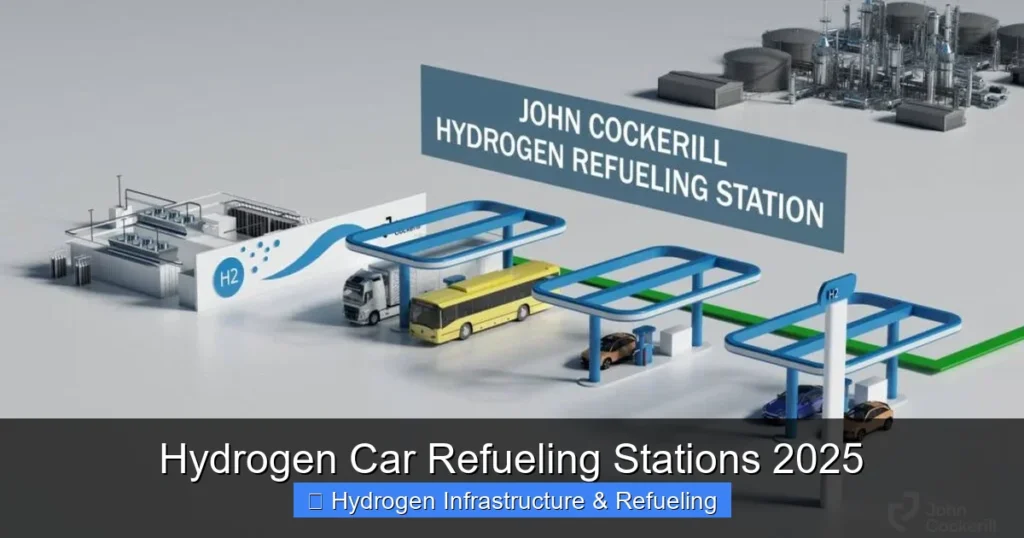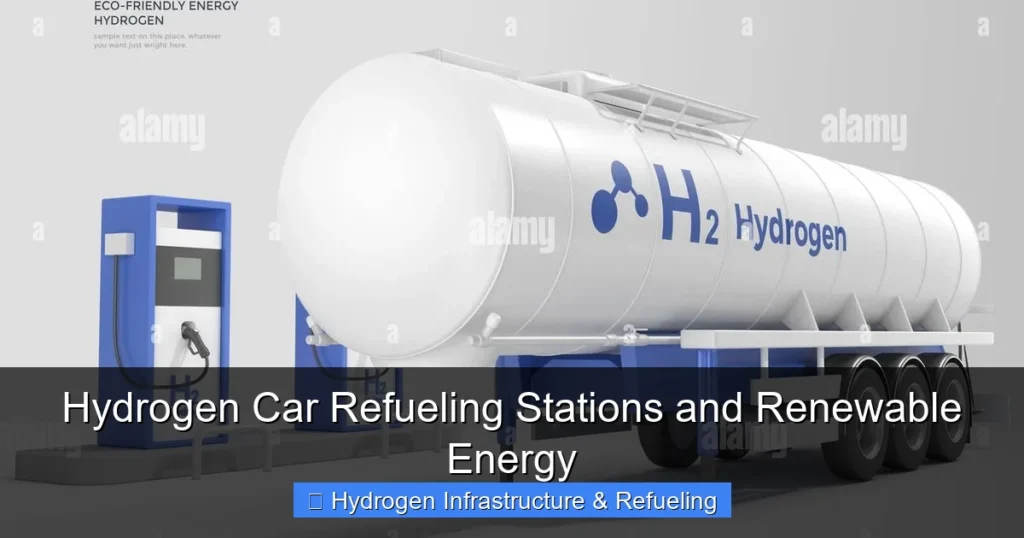
Hydrogen refueling stations in urban areas are emerging as a key solution for zero-emission transportation. These stations support fuel cell electric vehicles (FCEVs) and help cities reduce air pollution, cut carbon emissions, and meet climate goals. With growing investment and innovation, urban hydrogen infrastructure is becoming more accessible and efficient.
Imagine driving through a bustling city—honking cars, crowded sidewalks, and skyscrapers reaching into the sky. Now picture that same city, but with cleaner air, quieter streets, and vehicles that leave no harmful emissions behind. That’s the future hydrogen refueling stations in urban areas are helping to build. As cities around the world grapple with air pollution and climate change, hydrogen-powered transportation is emerging as a powerful ally. Unlike battery electric vehicles (BEVs), which rely on large batteries and long charging times, fuel cell electric vehicles (FCEVs) powered by hydrogen can refuel in minutes and travel long distances—making them especially useful in urban settings where time and space are at a premium.
Hydrogen refueling stations are the backbone of this clean mobility revolution. Just like gas stations serve conventional cars, these stations provide compressed hydrogen gas to FCEVs. When hydrogen combines with oxygen in a fuel cell, it generates electricity to power the vehicle—emitting only water vapor as a byproduct. This makes hydrogen an attractive option for cities aiming to improve air quality and reduce their carbon footprint. While electric vehicles are gaining popularity, hydrogen offers a complementary solution, especially for heavy-duty vehicles like buses, taxis, and delivery trucks that need quick refueling and long range.
Key Takeaways
- Hydrogen refueling stations are critical for supporting fuel cell electric vehicles (FCEVs) in cities. Without a reliable network, FCEVs cannot operate effectively in urban environments.
- Urban stations reduce local air pollution and greenhouse gas emissions. Hydrogen-powered vehicles emit only water vapor, making them ideal for dense city centers.
- Stations can be integrated into existing fueling infrastructure. Many are co-located with gas stations or public transit hubs for convenience.
- Green hydrogen—produced using renewable energy—is the most sustainable option. It ensures the entire fuel cycle is low-carbon.
- Government incentives and public-private partnerships are accelerating deployment. Cities like Tokyo, Los Angeles, and Berlin are leading the way.
- Challenges include high costs, safety concerns, and limited vehicle availability. However, technology and policy are rapidly improving.
- Future urban planning must include hydrogen infrastructure to support clean mobility. Early adoption helps cities stay ahead in the green transition.
📑 Table of Contents
The Rise of Hydrogen in Urban Mobility
Urban areas are at the forefront of the clean transportation movement. With millions of people living in close proximity, cities face unique challenges when it comes to air quality, noise pollution, and traffic congestion. Traditional gasoline and diesel vehicles contribute significantly to these problems, releasing nitrogen oxides, particulate matter, and carbon dioxide. In response, many cities are setting ambitious goals to phase out fossil fuel vehicles and adopt zero-emission alternatives.
Hydrogen-powered vehicles offer a compelling solution. They combine the environmental benefits of electric propulsion with the convenience of fast refueling. A typical FCEV can be refueled in three to five minutes—about the same time it takes to fill up a gas tank—and can travel 300 to 400 miles on a single tank. This makes them ideal for urban fleets, such as taxis, ride-sharing services, and municipal buses, which operate on fixed routes and require minimal downtime.
Cities like Tokyo, Los Angeles, and Berlin have already begun investing in hydrogen refueling infrastructure. Tokyo, for example, has over 30 hydrogen stations and aims to have 90 by 2025 as part of its broader strategy to host a “hydrogen society.” Los Angeles is integrating hydrogen stations into its public transit system, with hydrogen-powered buses serving key routes. These early adopters are proving that hydrogen can work in real-world urban environments.
Why Urban Areas Are Ideal for Hydrogen Stations
Urban areas offer several advantages for deploying hydrogen refueling stations. First, population density means there’s a higher concentration of potential users. A single station can serve hundreds of vehicles daily, improving cost efficiency. Second, cities often have better access to utilities, transportation networks, and skilled labor, which simplifies construction and maintenance. Third, urban centers are more likely to have supportive policies, such as low-emission zones or incentives for clean vehicles, which drive demand for hydrogen fuel.
Moreover, hydrogen stations can be strategically placed near high-traffic areas like transit hubs, commercial districts, and major highways. This ensures convenience for drivers and maximizes station utilization. For example, a station located near a train station or airport can serve both public and private vehicles, increasing its value.
Real-World Examples of Urban Hydrogen Stations
Let’s look at a few real-world examples to see how hydrogen refueling stations are making a difference in cities.
In **Copenhagen, Denmark**, the city has partnered with energy companies to build a network of hydrogen stations supporting both passenger cars and heavy-duty vehicles. One station, located near the city center, serves a fleet of hydrogen-powered taxis operated by a local green mobility company. The station uses green hydrogen produced from wind energy, ensuring the entire fuel cycle is carbon-free.
In **Seoul, South Korea**, the government has launched a comprehensive hydrogen roadmap, including the installation of over 100 refueling stations by 2025. These stations are integrated into public transportation systems, with hydrogen buses running on key urban routes. The city also offers subsidies for FCEV purchases, making them more affordable for residents.
In **San Francisco, USA**, the first hydrogen refueling station in the Bay Area opened in 2015 and has since expanded to a network of over 20 stations. These stations support a growing fleet of Toyota Mirai and Hyundai NEXO vehicles, as well as hydrogen-powered delivery vans used by companies like Amazon and UPS.
These examples show that hydrogen refueling stations are not just theoretical—they’re already operating in cities around the world, serving real people and real vehicles.
How Hydrogen Refueling Stations Work
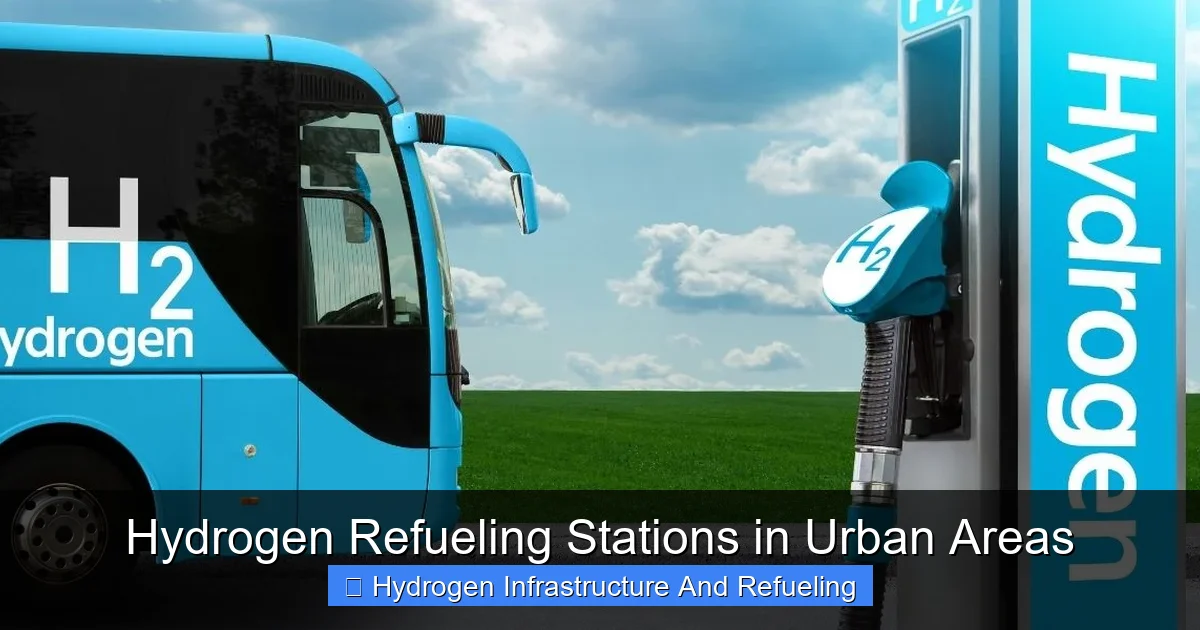
Visual guide about Hydrogen Refueling Stations in Urban Areas
Image source: sustainable-bus.com
To understand the potential of hydrogen in urban areas, it’s important to know how refueling stations actually work. While the concept may seem futuristic, the technology is based on well-established principles of gas compression and storage.
At its core, a hydrogen refueling station consists of three main components: a hydrogen production or delivery system, a storage system, and a dispenser. Let’s break these down.
Hydrogen Production and Delivery
Hydrogen can be produced in several ways, but the most common methods are steam methane reforming (SMR) and electrolysis. SMR uses natural gas to produce hydrogen and is currently the most cost-effective method, but it emits carbon dioxide. Electrolysis, on the other hand, uses electricity to split water into hydrogen and oxygen. When powered by renewable energy—such as solar or wind—this process produces “green hydrogen,” which is completely emissions-free.
In urban areas, hydrogen is often delivered to stations via tube trailers from centralized production facilities. These trailers transport compressed hydrogen gas at high pressure (typically 250–500 bar) and unload it at the station. Alternatively, some stations include on-site electrolyzers that produce hydrogen using local renewable electricity. This approach reduces transportation costs and emissions, making it ideal for cities with access to clean energy.
Storage and Compression
Once delivered or produced, hydrogen must be stored safely and efficiently. Most urban stations use high-pressure storage tanks made of composite materials that can withstand pressures up to 900 bar. These tanks are designed to hold large volumes of hydrogen in a compact space, which is crucial in cities where land is expensive.
Before dispensing, hydrogen is compressed to the required pressure for vehicle fuel tanks—typically 350 bar for buses and trucks, and 700 bar for passenger cars. Compression ensures that vehicles receive a full tank in a short amount of time, mimicking the experience of filling up with gasoline.
Dispensing and Safety
The final step is dispensing hydrogen into the vehicle. The process is similar to using a gas pump: the driver connects a nozzle to the vehicle’s fuel port, and the station delivers hydrogen at the correct pressure and temperature. Modern dispensers are equipped with safety features, such as automatic shut-off valves and leak detectors, to prevent accidents.
Safety is a top priority in hydrogen refueling. While hydrogen is flammable, it’s also lighter than air and disperses quickly in open spaces, reducing the risk of explosion. Stations are designed with multiple safety systems, including ventilation, fire suppression, and emergency shutdown protocols. Regular inspections and staff training further ensure safe operation.
Benefits of Hydrogen Refueling Stations in Cities
Hydrogen refueling stations offer a range of benefits for urban areas, from environmental improvements to economic opportunities. Let’s explore the most significant advantages.
Zero Local Emissions
The most obvious benefit is the reduction in local air pollution. FCEVs emit only water vapor, meaning they produce no tailpipe emissions of nitrogen oxides (NOx), particulate matter (PM), or carbon monoxide (CO). This is especially important in cities, where poor air quality contributes to respiratory diseases, heart conditions, and premature deaths.
For example, a single hydrogen-powered bus can prevent the emission of over 100 tons of CO2 annually compared to a diesel bus. In a city with hundreds of buses, the cumulative impact is enormous.
Support for Heavy-Duty and Fleet Vehicles
While battery electric vehicles are great for passenger cars, they face limitations when it comes to heavy-duty applications. Large vehicles like buses, trucks, and delivery vans require high energy density and fast refueling—something hydrogen excels at.
Hydrogen fuel cells are lighter and more compact than large battery packs, allowing vehicles to carry more cargo or passengers. Plus, refueling takes minutes, not hours. This makes hydrogen ideal for urban fleets that operate on tight schedules.
Cities like London and Paris are already testing hydrogen-powered garbage trucks and delivery vans. These vehicles can operate all day without recharging, reducing downtime and increasing efficiency.
Energy Diversity and Resilience
Hydrogen adds diversity to a city’s energy mix. Unlike electricity, which relies heavily on the grid, hydrogen can be produced and stored independently. This enhances energy resilience, especially during power outages or extreme weather events.
For example, during a blackout, hydrogen-powered emergency vehicles can still operate, ensuring public safety. Additionally, excess renewable energy can be used to produce hydrogen during off-peak hours, storing it for later use—a process known as “power-to-gas.”
Economic Development and Job Creation
Building and operating hydrogen refueling stations creates jobs in engineering, construction, maintenance, and logistics. As the hydrogen economy grows, cities can attract investment and position themselves as leaders in clean technology.
In Germany, the “H2 Mobility” initiative has created thousands of jobs and spurred innovation in hydrogen infrastructure. Similar programs are underway in the U.S., Japan, and Canada.
Public Health Improvements
Cleaner air means healthier residents. Studies show that reducing vehicle emissions can lead to fewer asthma attacks, lower hospital admissions, and longer life expectancy. By replacing diesel buses and trucks with hydrogen alternatives, cities can make a tangible difference in public health.
Challenges and Barriers to Adoption
Despite the many benefits, hydrogen refueling stations face several challenges that must be addressed for widespread adoption.
High Initial Costs
One of the biggest barriers is cost. Building a hydrogen refueling station can cost between $1 million and $3 million, depending on size and technology. This is significantly more than a gasoline station or even a fast-charging EV station.
The high cost is due to expensive components like compressors, storage tanks, and safety systems. Additionally, hydrogen production—especially green hydrogen—is still more expensive than fossil fuels.
However, costs are expected to fall as technology improves and production scales up. Government subsidies and public-private partnerships can help bridge the gap in the short term.
Limited Vehicle Availability
Another challenge is the limited number of FCEVs on the market. Currently, only a handful of models are available, such as the Toyota Mirai, Hyundai NEXO, and Honda Clarity. This restricts demand for hydrogen fuel.
Automakers are investing in hydrogen technology, but progress has been slower than with battery electric vehicles. Consumer awareness and education are also needed to build confidence in hydrogen-powered transportation.
Safety Concerns and Public Perception
Hydrogen has a reputation for being dangerous, largely due to historical events like the Hindenburg disaster. While modern hydrogen systems are much safer, public perception remains a hurdle.
Education and transparency are key. Cities can host public demonstrations, offer station tours, and share safety data to build trust. Clear signage and emergency response plans also help reassure the public.
Infrastructure and Land Use
Urban areas often lack space for new infrastructure. Finding suitable locations for hydrogen stations—especially those with on-site production—can be difficult. Zoning laws, permitting processes, and community opposition can delay projects.
Creative solutions are needed, such as retrofitting existing gas stations or integrating stations into public buildings. Co-location with EV charging stations can also maximize land use.
Hydrogen Production and Sustainability
Not all hydrogen is created equal. “Grey hydrogen,” produced from natural gas, still contributes to carbon emissions. For hydrogen to be truly sustainable, cities must prioritize green hydrogen from renewable sources.
This requires investment in renewable energy and electrolysis technology. Policies that incentivize green hydrogen production can accelerate the transition.
The Future of Hydrogen in Urban Areas
The future of hydrogen refueling stations in urban areas looks promising. As technology advances and costs decline, hydrogen is poised to play a major role in the clean transportation ecosystem.
Integration with Renewable Energy
The next frontier is integrating hydrogen production with renewable energy sources. Solar and wind farms can generate excess electricity during peak production hours, which is then used to produce hydrogen via electrolysis. This hydrogen can be stored and used to refuel vehicles when needed, creating a flexible and sustainable energy system.
Cities like Reykjavik, Iceland, are already exploring this model. With abundant geothermal and hydroelectric power, Iceland can produce green hydrogen at a low cost and export it to neighboring countries.
Smart Stations and Digital Integration
Future hydrogen stations will be smarter and more connected. Digital platforms will allow drivers to locate stations, check availability, and pay via mobile apps. Real-time monitoring will optimize operations and predict maintenance needs.
Some stations may even offer multi-fuel services, combining hydrogen, electricity, and traditional fuels in one location. This “energy hub” model provides flexibility and convenience for drivers.
Expansion to New Vehicle Types
While passenger cars and buses are the current focus, hydrogen could power a wider range of urban vehicles in the future. This includes delivery drones, municipal equipment, and even personal mobility devices like hydrogen-powered scooters.
Ports and airports are also exploring hydrogen for ground support equipment, such as baggage carts and cargo loaders. These applications can significantly reduce emissions in high-traffic areas.
Global Collaboration and Standards
To accelerate adoption, cities and countries must work together to develop common standards for hydrogen production, storage, and safety. International collaboration can reduce costs, improve interoperability, and build public confidence.
Organizations like the International Hydrogen Council and the Clean Energy Ministerial are already leading these efforts. As more cities join the movement, the global hydrogen economy will grow stronger.
Conclusion
Hydrogen refueling stations in urban areas are more than just a futuristic idea—they’re a practical, scalable solution for cleaner, healthier cities. By supporting zero-emission vehicles, reducing air pollution, and enabling energy resilience, these stations are helping urban centers meet their climate and sustainability goals.
While challenges remain, the momentum is undeniable. With continued investment, innovation, and public support, hydrogen infrastructure will become as common as gas stations are today. The road to a hydrogen-powered future is being paved one city at a time, and the journey has already begun.
Whether you’re a city planner, a fleet operator, or just someone who cares about the air you breathe, now is the time to get involved. The future of urban mobility is clean, quiet, and powered by hydrogen.
Frequently Asked Questions
How long does it take to refuel a hydrogen vehicle in an urban station?
It typically takes 3 to 5 minutes to refuel a hydrogen vehicle, similar to filling up a gasoline car. This makes hydrogen a convenient option for busy urban drivers.
Are hydrogen refueling stations safe in crowded city areas?
Yes, hydrogen stations are designed with multiple safety features, including leak detection, ventilation, and automatic shut-off systems. Hydrogen disperses quickly in open air, reducing explosion risks.
Can hydrogen stations be built in existing gas stations?
Yes, many hydrogen stations are co-located with traditional gas stations or EV charging points. This saves space and leverages existing infrastructure and customer traffic.
What is green hydrogen, and why is it important for cities?
Green hydrogen is produced using renewable energy like wind or solar power. It’s important because it ensures the entire fuel cycle is emissions-free, making it ideal for sustainable urban transportation.
Are there enough hydrogen vehicles to justify building stations in cities?
While FCEV numbers are still growing, demand is increasing, especially for fleets like buses and delivery vehicles. Early investment in stations helps build the market and encourages vehicle adoption.
How do hydrogen stations help cities meet climate goals?
By enabling zero-emission transportation, hydrogen stations reduce greenhouse gas emissions and air pollution, helping cities achieve carbon neutrality and improve public health.