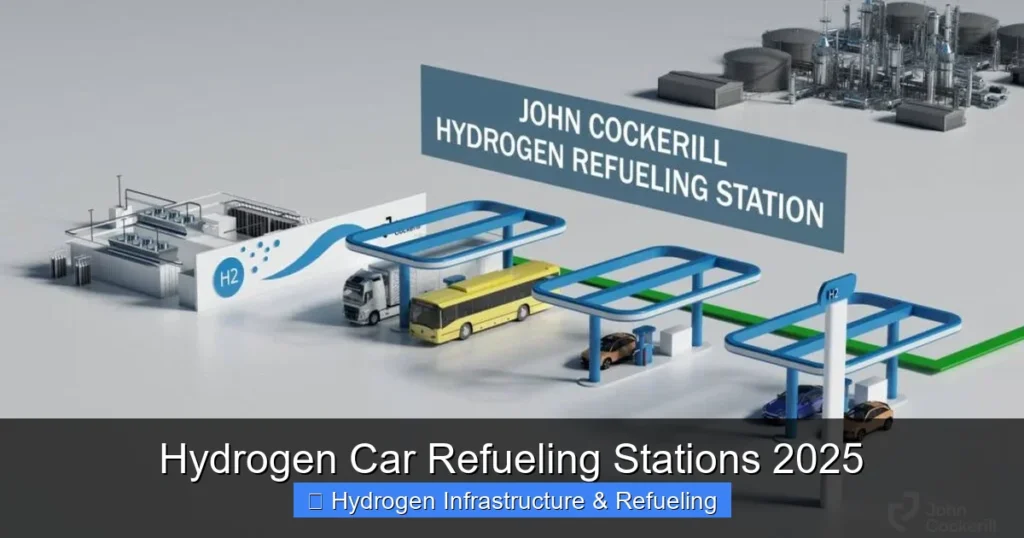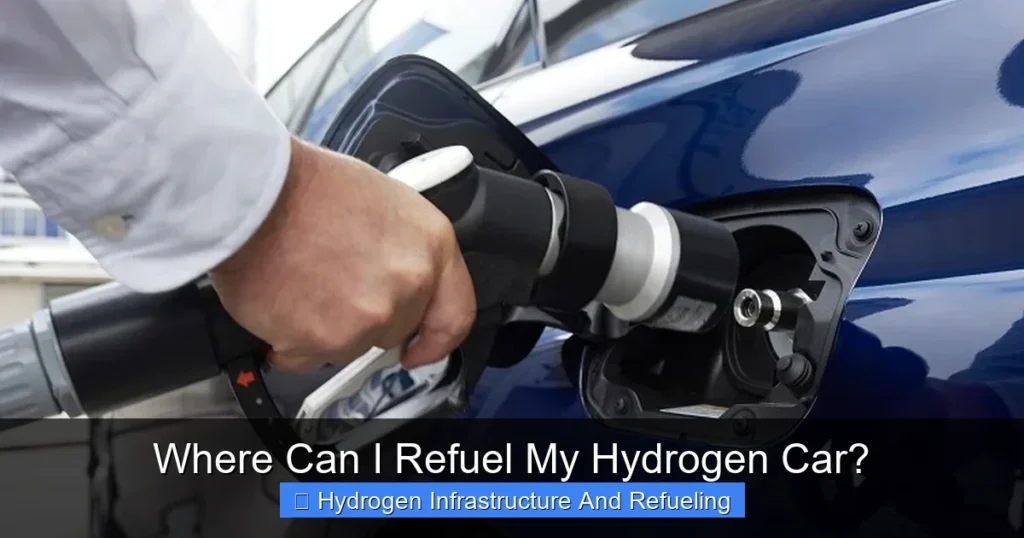
Refueling a hydrogen car is becoming easier as infrastructure expands, especially in California and parts of Europe. While still limited compared to gasoline or EV charging, hydrogen stations are growing in key regions, and tools like station locators make finding fuel simple and convenient.
Key Takeaways
- Hydrogen refueling stations are concentrated in California, with over 60 operational sites. Most are located in urban areas like Los Angeles, San Francisco, and San Diego, making them accessible for daily drivers.
- Europe leads in hydrogen infrastructure outside the U.S., especially in Germany, the UK, and Scandinavia. Countries like Germany have national networks supporting both passenger and commercial hydrogen vehicles.
- Use apps and websites like H2.Live, PlugShare, and the U.S. Department of Energy’s Alternative Fuels Data Center to locate stations. These tools provide real-time availability, pricing, and user reviews.
- Hydrogen refueling is fast—typically 3 to 5 minutes—similar to gasoline. This makes it ideal for long-distance travel and fleet operations.
- Home refueling is not currently practical for most consumers. Unlike EVs, hydrogen requires high-pressure storage and specialized equipment not available for residential use.
- The future of hydrogen refueling looks promising with government and private investments. Expansion plans aim to make hydrogen accessible in more states and countries by 2030.
- Hydrogen cars are best suited for specific use cases, such as fleets, taxis, and regional travel. They complement EVs rather than replace them, especially in areas with limited charging infrastructure.
📑 Table of Contents
- Where Can I Refuel My Hydrogen Car? A Complete Guide to Hydrogen Refueling
- Hydrogen Refueling Stations: Where Are They Located?
- How to Find a Hydrogen Refueling Station
- What’s It Like to Refuel a Hydrogen Car?
- The Future of Hydrogen Refueling Infrastructure
- Is a Hydrogen Car Right for You?
- Conclusion
Where Can I Refuel My Hydrogen Car? A Complete Guide to Hydrogen Refueling
So, you’ve made the leap into the future of clean transportation—you drive a hydrogen fuel cell vehicle (FCEV). Congratulations! You’re part of a growing movement toward zero-emission mobility that doesn’t rely on batteries. But now you’re wondering: Where can I refuel my hydrogen car? It’s a fair question, especially when you’re used to the convenience of gas stations on every corner or EV chargers popping up in parking lots.
Unlike electric vehicles, which can often be charged at home, hydrogen cars require specialized refueling stations. These stations compress and store hydrogen gas at high pressure (usually 700 bar) and deliver it directly into your vehicle’s tank in just a few minutes. While the network isn’t as widespread as gasoline or EV charging, it’s growing—especially in certain regions. The good news? If you live in or near major urban centers in California, parts of Europe, or select areas in Asia, you’re likely within range of a hydrogen station.
This guide will walk you through everything you need to know about hydrogen refueling: where stations are located, how to find them, what the experience is like, and what the future holds. Whether you’re a current hydrogen car owner or considering one, understanding the refueling landscape is key to making the most of this innovative technology.
Hydrogen Refueling Stations: Where Are They Located?
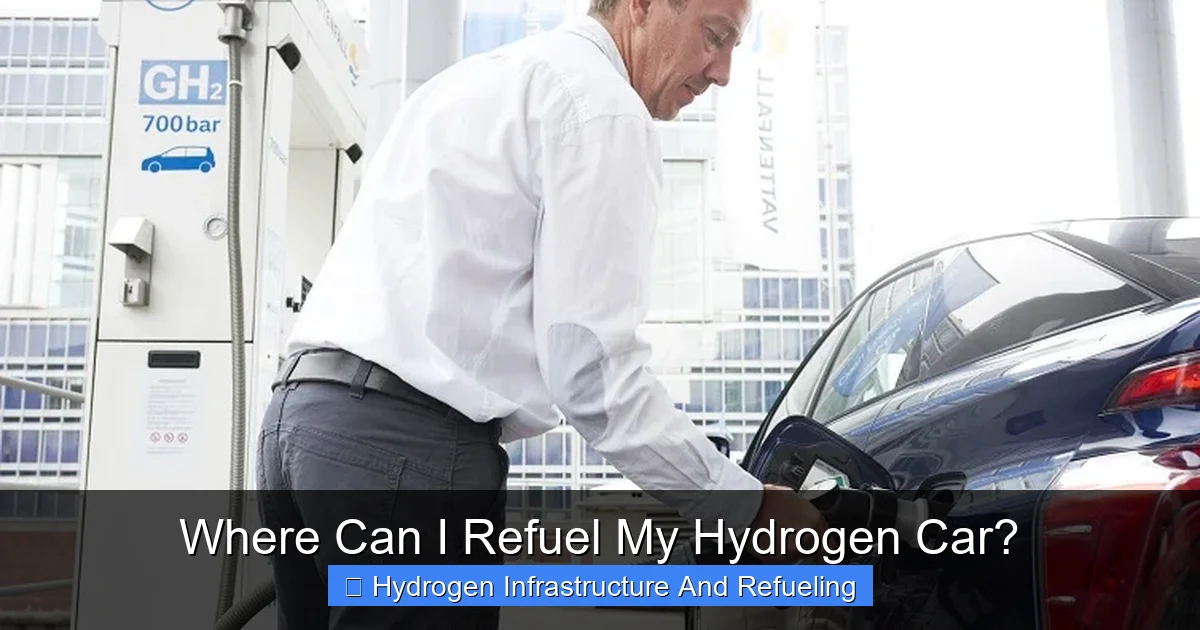
Visual guide about Where Can I Refuel My Hydrogen Car?
Image source: mag.toyota.co.uk
The short answer: hydrogen refueling stations are still relatively rare, but they’re concentrated in specific regions where government support, automaker investment, and environmental goals align. As of 2024, the United States has around 70 operational hydrogen refueling stations, with the vast majority located in California. That’s no coincidence—California has been a pioneer in zero-emission vehicle (ZEV) policy and offers incentives for both consumers and station developers.
Outside the U.S., Europe is leading the charge. Germany, for example, has over 100 hydrogen stations and aims to reach 1,000 by 2030. The UK, France, and the Netherlands are also expanding their networks, particularly along major highways and in industrial zones. In Asia, Japan and South Korea have invested heavily in hydrogen infrastructure, with hundreds of stations supporting both passenger cars and commercial fleets.
California: The U.S. Hub for Hydrogen Refueling
California is the undisputed leader in hydrogen refueling infrastructure in the United States. With more than 60 public stations, it’s the only state where owning a hydrogen car is truly practical for most drivers. These stations are strategically placed along major freeways and in metropolitan areas, including:
– Los Angeles
– San Francisco Bay Area
– San Diego
– Sacramento
For example, if you live in Los Angeles, you’ll find stations in places like Santa Monica, Burbank, and Long Beach. In the Bay Area, stations are located in San Jose, Oakland, and Fremont. This network allows for regional travel and even some cross-state trips, especially with planned expansions into Nevada and Arizona.
The California Fuel Cell Partnership (CaFCP) plays a key role in coordinating efforts between automakers, energy companies, and government agencies. Their goal is to support 1,000 stations and 200,000 FCEVs by 2030. With major automakers like Toyota, Hyundai, and Honda offering hydrogen models in the state, demand is steadily increasing.
Europe: A Growing Network Across the Continent
Europe is rapidly building its hydrogen refueling network, driven by the European Union’s Green Deal and national climate targets. Germany’s H2 Mobility initiative is one of the most ambitious, with stations operated by companies like Shell, Linde, and Air Liquide. These stations are often co-located with traditional gas stations, making them easy to find and use.
The UK has around 15 stations, with plans to expand to 100 by 2030. London, Birmingham, and Manchester are key hubs, and the government offers grants for both vehicle purchases and infrastructure development. In Scandinavia, countries like Norway and Sweden are investing in hydrogen for heavy transport, but passenger car refueling is also growing.
France and the Netherlands are also making progress. France has over 20 stations, with a focus on the Paris region and major highways. The Netherlands is developing a “hydrogen highway” connecting Amsterdam, Rotterdam, and The Hague, with plans to extend into Belgium and Germany.
Asia: Japan and South Korea Lead the Way
Japan has long been a proponent of hydrogen technology, calling it a cornerstone of its “Hydrogen Society” vision. With over 160 stations, Japan has the most extensive network outside of Europe. Stations are found in Tokyo, Osaka, Nagoya, and other major cities, and many are integrated with public transportation hubs.
South Korea is close behind, with more than 120 stations and aggressive expansion plans. The government subsidizes both vehicle purchases and station construction, and companies like Hyundai are major players in the global hydrogen market. In fact, Hyundai’s NEXO is one of the most widely available hydrogen cars in the world.
China is also investing heavily in hydrogen, particularly for buses and trucks, though passenger car refueling is still limited. Major cities like Beijing, Shanghai, and Guangzhou have a handful of stations, and the government aims to have 1,000 by 2030.
How to Find a Hydrogen Refueling Station
Now that you know where stations are located, the next question is: how do you find them when you need one? Fortunately, several tools make this easy—even if you’re on the road.
Use Hydrogen Station Locator Apps and Websites
The best way to find a hydrogen refueling station is through dedicated apps and websites. These platforms provide real-time information on station locations, availability, pricing, and even user reviews. Here are the top tools to use:
– H2.Live: This is one of the most comprehensive hydrogen station locators. It covers stations in the U.S., Europe, and Asia, with filters for public access, payment methods, and station status. You can also see live updates on whether a station is operational.
– PlugShare: While primarily known for EV charging, PlugShare also includes hydrogen stations. It’s user-friendly and allows you to plan trips with multiple stops. You can filter by network, connector type, and availability.
– U.S. Department of Energy’s Alternative Fuels Data Center (AFDC): This government-run site offers a detailed map of alternative fuel stations, including hydrogen. It’s especially useful for U.S. drivers and includes data on station types, hours, and access codes.
– Hydrogen Council’s Station Map: This global map, maintained by the Hydrogen Council, shows stations across North America, Europe, and Asia. It’s less detailed than H2.Live but gives a good overview of international coverage.
Check with Your Automaker
If you drive a hydrogen car from Toyota, Hyundai, or Honda, your automaker likely provides station locators through their mobile apps or websites. For example:
– Toyota’s Hydrogen Station Finder: Available through the Toyota app, this tool shows nearby stations and provides directions.
– Hyundai’s Blue Link: Offers station locations and trip planning for NEXO drivers.
– Honda’s Clarity App: Includes a station locator for Clarity Fuel Cell owners.
These apps often integrate with your vehicle’s navigation system, so you can get turn-by-turn directions to the nearest station.
Plan Ahead for Long Trips
Because hydrogen stations are still sparse, planning is essential—especially for long-distance travel. Use the tools above to map your route and identify stations along the way. Some apps even allow you to reserve a refueling slot, though this feature is still limited.
For example, if you’re driving from Los Angeles to San Francisco, you’ll find multiple stations along I-5 and Highway 101. But if you’re heading into rural areas or other states, you may need to adjust your plans. Currently, hydrogen refueling is not practical for cross-country trips outside of California, though that could change as infrastructure expands.
What’s It Like to Refuel a Hydrogen Car?
If you’ve never refueled a hydrogen car, you might be curious about the process. The good news? It’s surprisingly similar to filling up a gasoline car—fast, clean, and straightforward.
The Refueling Process: Step by Step
Here’s what to expect when you pull up to a hydrogen station:
1. Park and Turn Off the Engine: Just like at a gas station, you’ll need to turn off your vehicle before refueling.
2. Open the Fuel Door: The hydrogen filler is usually located where you’d expect—on the side of the car, often marked with a blue or green cap.
3. Remove the Nozzle and Connect: The nozzle is designed to fit securely into the filler. It will click into place and create a sealed connection to prevent leaks.
4. Start the Refuel: Press a button on the nozzle or the station display to begin. The system will automatically check for leaks and pressurize the line.
5. Wait 3 to 5 Minutes: Hydrogen flows quickly into your tank at high pressure. Most cars can go from empty to full in under five minutes—much faster than fast-charging an EV.
6. Disconnect and Replace the Cap: Once refueling is complete, the nozzle will release automatically. Replace the cap and close the fuel door.
7. Pay and Go: Payment is usually handled through a credit card, mobile app, or membership account. Some stations are free for early adopters or fleet operators.
Safety and Convenience
Hydrogen is a flammable gas, but modern refueling systems are designed with multiple safety features. Stations have emergency shut-offs, leak detectors, and fire suppression systems. The nozzles are designed to prevent accidental disconnection, and the entire process is automated to minimize human error.
From a convenience standpoint, hydrogen refueling is hard to beat. No waiting for a battery to charge, no range anxiety on long trips, and no emissions—just water vapor coming out of the tailpipe. For drivers who value time and simplicity, it’s a compelling option.
The Future of Hydrogen Refueling Infrastructure
While hydrogen refueling is still in its early stages, the future looks bright. Governments, automakers, and energy companies are investing billions in expanding the network and making hydrogen more accessible.
Government Support and Incentives
In the U.S., the Biden administration has included hydrogen in its clean energy strategy, with funding from the Bipartisan Infrastructure Law. California continues to offer grants for station construction, and other states like New York and Connecticut are exploring pilot programs.
In Europe, the EU’s Hydrogen Strategy aims to install 1,000 large-scale hydrogen refueling stations by 2030. Germany, France, and the Netherlands are leading the way with national roadmaps and public-private partnerships.
Private Sector Investment
Major energy companies like Shell, BP, and TotalEnergies are building hydrogen stations alongside their traditional fuel offerings. Automakers are also investing—Toyota and Hyundai have partnered with station developers to ensure their vehicles have places to refuel.
Startups are also entering the space, focusing on mobile refueling units and modular stations that can be deployed quickly in new areas.
Expansion Beyond Passenger Cars
While passenger cars get most of the attention, the real growth in hydrogen refueling may come from commercial vehicles. Trucks, buses, and delivery vans benefit from hydrogen’s fast refueling and long range. Ports, airports, and logistics hubs are ideal locations for hydrogen stations, and several pilot projects are already underway.
For example, the Port of Los Angeles has hydrogen fueling for drayage trucks, and Amazon is testing hydrogen-powered delivery vehicles in select markets.
Is a Hydrogen Car Right for You?
Before you rush out to buy a hydrogen car, it’s important to consider whether it fits your lifestyle and driving habits.
Pros of Hydrogen Cars
– Fast refueling: 3–5 minutes, just like gasoline.
– Long range: Most FCEVs can go 300–400 miles on a tank.
– Zero emissions: Only water comes out of the tailpipe.
– Quiet and smooth ride: Similar to electric vehicles.
Cons of Hydrogen Cars
– Limited refueling stations: Only practical in certain regions.
– Higher upfront cost: Hydrogen cars are more expensive than EVs or gas cars.
– Hydrogen production is not always clean: Most hydrogen today is made from natural gas, not renewable sources.
Who Should Consider a Hydrogen Car?
Hydrogen cars are best suited for:
– Drivers in California or parts of Europe with access to stations.
– Fleet operators, taxi services, or delivery companies.
– People who frequently take long trips and want fast refueling.
– Early adopters who want to support clean technology.
If you live in an area without hydrogen stations, or if you primarily drive short distances, an electric vehicle might be a better fit—for now.
Conclusion
So, where can you refuel your hydrogen car? The answer depends on where you live, but if you’re in California, parts of Europe, or select areas in Asia, you’re in luck. Hydrogen refueling stations are growing, and tools like H2.Live and PlugShare make it easy to find them. The experience is fast, clean, and convenient—perfect for drivers who want zero emissions without the wait.
While the infrastructure isn’t as widespread as gasoline or EV charging, the future is promising. With government support, private investment, and expanding networks, hydrogen refueling could become more accessible in the coming decade. For now, hydrogen cars are a niche but exciting option—especially for those who value speed, range, and sustainability.
If you’re considering a hydrogen car, do your research. Check station availability in your area, explore incentives, and take a test drive. The road to clean transportation is paved with choices, and hydrogen is one of the most innovative paths forward.
Frequently Asked Questions
How many hydrogen refueling stations are there in the U.S.?
As of 2024, there are approximately 70 operational hydrogen refueling stations in the United States, with over 60 located in California. The rest are in limited pilot programs in states like New York and Connecticut.
Can I refuel my hydrogen car at home?
No, home refueling is not currently practical for hydrogen cars. It requires high-pressure storage, specialized compressors, and safety systems that are not available for residential use.
How long does it take to refuel a hydrogen car?
Hydrogen refueling typically takes 3 to 5 minutes, similar to filling up a gasoline car. This is much faster than charging an electric vehicle, even with fast chargers.
Are hydrogen refueling stations safe?
Yes, hydrogen stations are designed with multiple safety features, including leak detectors, emergency shut-offs, and fire suppression systems. The refueling process is automated to minimize risk.
Can I use hydrogen stations if I don’t own a hydrogen car?
Most public hydrogen stations are open to all hydrogen vehicle owners, regardless of make or model. Some may require a membership or app login, but access is generally not restricted.
Will hydrogen refueling stations become more common?
Yes, governments and private companies are investing heavily in hydrogen infrastructure. Expansion plans aim to make refueling stations more widespread by 2030, especially in Europe and parts of the U.S.