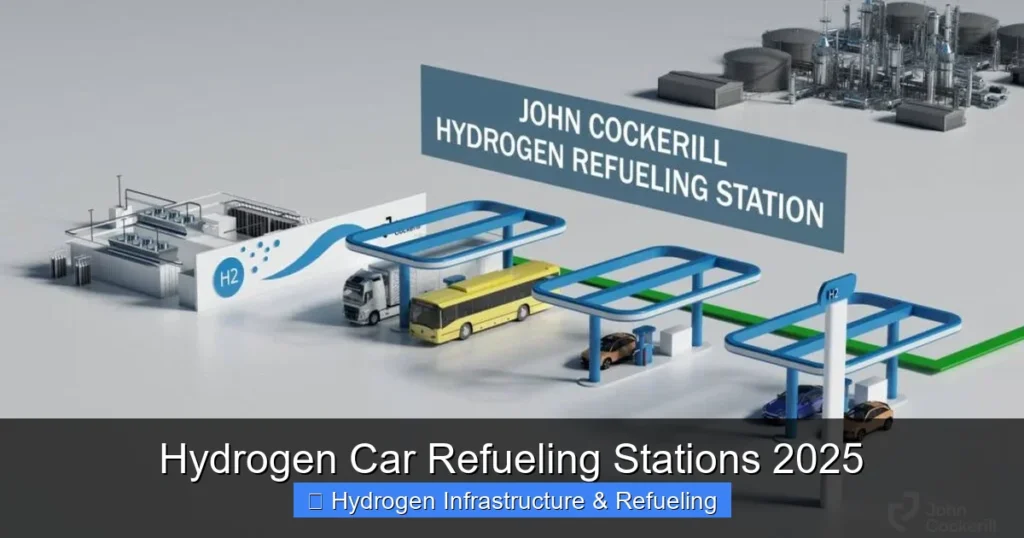
Hydrogen fuel is becoming more accessible across the United States, especially in California, which leads the nation in hydrogen refueling stations. While infrastructure is still developing, new stations are opening in states like Hawaii, New York, and Connecticut, making it easier for fuel cell electric vehicle (FCEV) drivers to travel and refuel.
Key Takeaways
- California dominates hydrogen fuel availability: Over 90% of U.S. hydrogen stations are located in California, with the Bay Area, Los Angeles, and San Diego being key hubs.
- Fuel cell electric vehicles (FCEVs) are growing: Models like the Toyota Mirai, Hyundai NEXO, and Honda Clarity Fuel Cell rely on hydrogen, and automakers are expanding their FCEV lineups.
- Public and private partnerships drive infrastructure: Companies like Shell, Toyota, and FirstElement Fuel are investing heavily in building and maintaining hydrogen refueling networks.
- Hydrogen stations are expanding beyond California: States like Hawaii, New York, and Connecticut are launching pilot programs and new stations to support regional FCEV adoption.
- Mobile and temporary refueling options exist: For events or remote locations, mobile hydrogen refuelers can deliver fuel on demand.
- Hydrogen production is evolving: Green hydrogen, made using renewable energy, is gaining traction as a sustainable fuel source.
- Future growth is promising: Federal and state incentives are accelerating hydrogen infrastructure development nationwide.
📑 Table of Contents
- Where to Find Hydrogen Fuel in the US: A Complete Guide
- California: The Epicenter of Hydrogen Fuel in the US
- Beyond California: Emerging Hydrogen Markets
- Who’s Building the Hydrogen Infrastructure?
- How Hydrogen Fuel Is Produced and Delivered
- Challenges and Future Outlook
- Tips for Finding and Using Hydrogen Fuel
- Conclusion
Where to Find Hydrogen Fuel in the US: A Complete Guide
Imagine driving a car that emits nothing but water vapor—no tailpipe pollution, no carbon emissions, just clean, quiet performance. That’s the promise of hydrogen fuel cell electric vehicles (FCEVs), and they’re no longer a futuristic fantasy. Today, hydrogen-powered cars like the Toyota Mirai and Hyundai NEXO are on the road, offering zero-emission driving with the convenience of quick refueling—just like a gasoline car.
But here’s the catch: unlike electric vehicles (EVs), which can charge at home or at thousands of public chargers, hydrogen fuel is still relatively hard to find. If you’re considering an FCEV or already own one, knowing where to find hydrogen fuel in the US is essential. The good news? The network is growing, and it’s more accessible than you might think—especially if you live in certain parts of the country.
This guide will walk you through everything you need to know about hydrogen fuel availability in the United States. We’ll cover where stations are located, how the infrastructure is expanding, who’s building it, and what the future holds. Whether you’re a current FCEV owner, thinking about making the switch, or just curious about clean transportation, this article has you covered.
California: The Epicenter of Hydrogen Fuel in the US
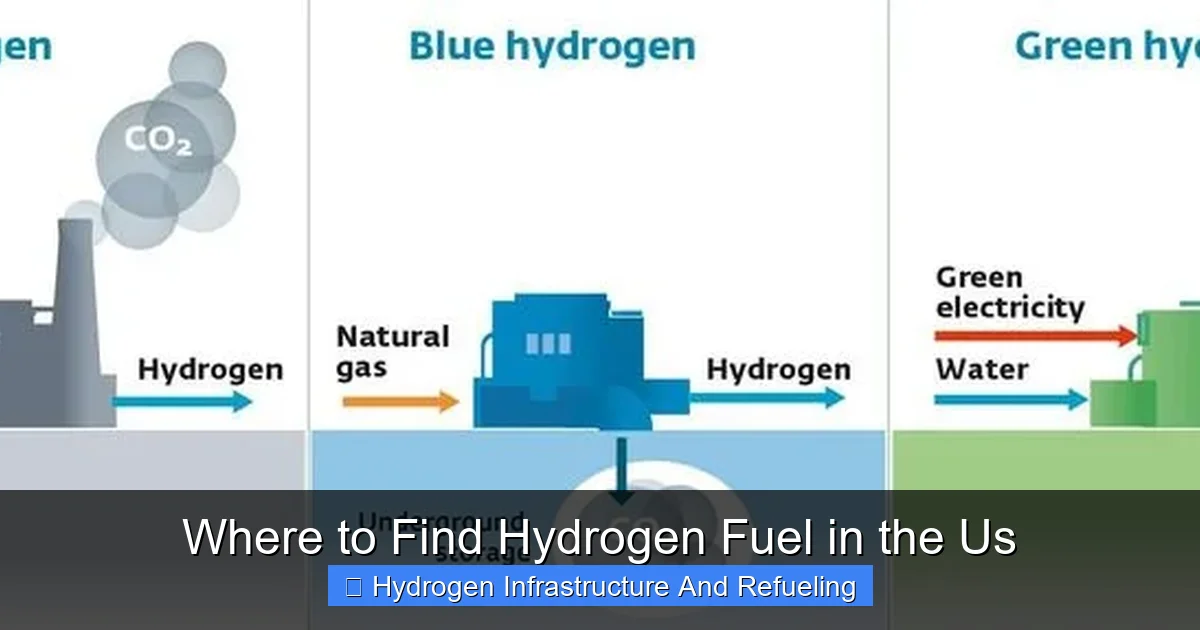
Visual guide about Where to Find Hydrogen Fuel in the Us
Image source: energyeducation.ca
When it comes to hydrogen fuel in the US, California is the undisputed leader. The Golden State is home to more than 90% of the nation’s hydrogen refueling stations, making it the only place where FCEV drivers can reliably travel long distances without worrying about running out of fuel.
Why California Leads the Way
California’s leadership in hydrogen infrastructure stems from a combination of aggressive climate policies, strong government support, and partnerships between automakers and energy companies. The state has set ambitious goals to reduce greenhouse gas emissions, and zero-emission vehicles (ZEVs) like FCEVs play a key role in that strategy.
The California Air Resources Board (CARB) has been instrumental in promoting hydrogen fuel through programs like the ZEV mandate, which requires automakers to sell a certain percentage of clean vehicles. To support this, the state has invested hundreds of millions of dollars in building hydrogen refueling stations through initiatives like the Clean Transportation Program.
Major Hydrogen Hubs in California
The majority of hydrogen stations are concentrated in three key regions:
- Los Angeles Basin: With over 40 stations, LA is the most hydrogen-friendly city in the country. Stations are located throughout the metro area, including downtown, Santa Monica, Long Beach, and the San Fernando Valley.
- San Francisco Bay Area: The Bay Area has more than 30 stations, with strong coverage in San Jose, Oakland, Berkeley, and Palo Alto. This makes it easy for commuters and tech-savvy drivers to refuel.
- San Diego: Southern California’s second-largest city has a growing network of stations, particularly along major highways like I-5 and I-15.
These stations are typically located at existing gas stations, standalone fueling sites, or dedicated hydrogen hubs. Many are operated by companies like FirstElement Fuel, Shell, and Toyota, and are open to the public 24/7.
How to Find Stations in California
The easiest way to locate hydrogen stations in California is through online tools and apps. The California Fuel Cell Partnership (CaFCP) maintains a comprehensive, up-to-date map of all public hydrogen stations on their website. Apps like PlugShare and Hydrogen Fuel Stations also allow you to search by location, filter by availability, and even check real-time station status.
For example, if you’re planning a road trip from San Francisco to Los Angeles, you can use these tools to map out your refueling stops. Most routes are well-covered, with stations spaced about 30–50 miles apart—similar to gas stations on a long drive.
Beyond California: Emerging Hydrogen Markets
While California dominates the hydrogen landscape, other states are beginning to invest in infrastructure. These emerging markets are crucial for the long-term growth of hydrogen fuel in the US, especially as automakers expand FCEV offerings nationwide.
Hawaii: A Renewable Energy Pioneer
Hawaii is one of the most promising markets for hydrogen outside of California. The state has abundant renewable energy resources—especially solar and wind—and is actively exploring green hydrogen as a way to store and use that energy.
The Hawaii Center for Advanced Transportation Technologies (HCATT) has partnered with the U.S. Department of Energy to develop hydrogen infrastructure. Several hydrogen stations are already operational on Oahu, primarily supporting fleet vehicles like buses and delivery trucks. There are also plans to expand public access and support passenger FCEVs in the coming years.
One unique advantage in Hawaii is the potential for localized hydrogen production. Because the islands rely heavily on imported fossil fuels, producing hydrogen from local renewables could reduce energy costs and increase energy independence.
New York and the Northeast
New York is making strides in hydrogen infrastructure, particularly in the New York City metropolitan area and upstate regions. The state has launched pilot programs to test hydrogen buses and fueling stations, with support from the New York State Energy Research and Development Authority (NYSERDA).
In 2023, the first public hydrogen refueling station in New York opened in White Plains, serving both passenger vehicles and fleet operators. Additional stations are planned for Long Island and the Hudson Valley. Connecticut and Massachusetts are also exploring hydrogen projects, often in partnership with universities and research institutions.
These efforts are still in early stages, but they signal a growing interest in hydrogen as part of a broader clean transportation strategy in the Northeast.
Other States with Hydrogen Activity
A few other states have hydrogen stations or active development projects:
- Washington: The Pacific Northwest has seen interest in hydrogen for heavy-duty transportation, including trucks and ferries. A hydrogen refueling station opened in Seattle in 2022, primarily for fleet use.
- Texas: While better known for oil and gas, Texas is investing in hydrogen as part of its energy transition. The state has several hydrogen production facilities and is exploring infrastructure for industrial and transportation use.
- Florida: The Sunshine State has pilot projects focused on hydrogen buses and port operations, particularly in Miami and Tampa.
While these states don’t yet have widespread public access, they represent important steps toward a national hydrogen network.
Who’s Building the Hydrogen Infrastructure?
The expansion of hydrogen fuel in the US isn’t happening by accident. It’s the result of collaboration between government agencies, private companies, and research organizations. Here’s a look at the key players driving the growth.
Automakers Leading the Charge
Automakers are among the biggest supporters of hydrogen infrastructure. Toyota, Hyundai, and Honda have been at the forefront of FCEV development and are actively investing in refueling networks.
- Toyota: The maker of the Mirai has partnered with FirstElement Fuel to build and operate hydrogen stations in California. Toyota also provides funding and technical support for station development.
- Hyundai: The NEXO SUV is one of the most advanced FCEVs on the market. Hyundai has worked with Shell and other partners to open stations in California and Hawaii.
- Honda: Although Honda discontinued the Clarity Fuel Cell in 2021, the company continues to support hydrogen technology and has expressed interest in future FCEV models.
These automakers understand that without fueling infrastructure, consumers won’t buy their vehicles. That’s why they’re helping to build the ecosystem from the ground up.
Energy Companies and Fuel Providers
Major energy companies are also getting involved. Shell has opened several hydrogen stations in California and is exploring expansion into other states. The company sees hydrogen as a key part of its strategy to become a net-zero emissions business by 2050.
FirstElement Fuel is another major player. Founded in 2013, the company operates one of the largest networks of hydrogen stations in the US, with over 40 locations in California. FirstElement works closely with automakers, government agencies, and utilities to ensure reliable, safe refueling.
Other companies, like Air Liquide and Linde, are involved in hydrogen production and distribution. These industrial gas giants have the expertise to produce, compress, and transport hydrogen at scale, making them essential partners in building a national network.
Government Support and Incentives
Federal and state governments are providing critical support for hydrogen infrastructure. The U.S. Department of Energy (DOE) funds research and demonstration projects through its Hydrogen and Fuel Cell Technologies Office. The DOE’s H2@Scale initiative aims to advance affordable hydrogen production, storage, and use across multiple sectors.
At the state level, California’s Clean Transportation Program has allocated over $200 million for hydrogen station development. Other states are following suit with grants, tax credits, and regulatory support.
The Inflation Reduction Act of 2022 also includes significant incentives for clean hydrogen production, particularly “green hydrogen” made with renewable energy. These tax credits could accelerate investment in hydrogen infrastructure nationwide.
How Hydrogen Fuel Is Produced and Delivered
Understanding where hydrogen fuel comes from is just as important as knowing where to find it. The production and delivery process affects cost, sustainability, and availability.
Methods of Hydrogen Production
Hydrogen can be produced in several ways, but not all methods are equally clean:
- Grey Hydrogen: Made from natural gas through a process called steam methane reforming (SMR). This is the most common method today but produces carbon emissions.
- Blue Hydrogen: Also made from natural gas, but the carbon emissions are captured and stored (carbon capture and storage, or CCS). This reduces environmental impact.
- Green Hydrogen: Produced by splitting water into hydrogen and oxygen using renewable electricity (electrolysis). This method is emissions-free and considered the gold standard for sustainable hydrogen.
Currently, most hydrogen in the US is grey or blue, but green hydrogen is growing rapidly. California, for example, is encouraging stations to use at least 33% renewable hydrogen, with a goal of 100% in the future.
Delivery to Refueling Stations
Once produced, hydrogen must be transported to refueling stations. This can be done in three main ways:
- Pipeline: In some industrial areas, hydrogen is delivered via pipeline. This is efficient but limited to regions with existing infrastructure.
- Liquid Tankers: Hydrogen can be cooled to a liquid state and transported by truck. This method is energy-intensive but allows for long-distance delivery.
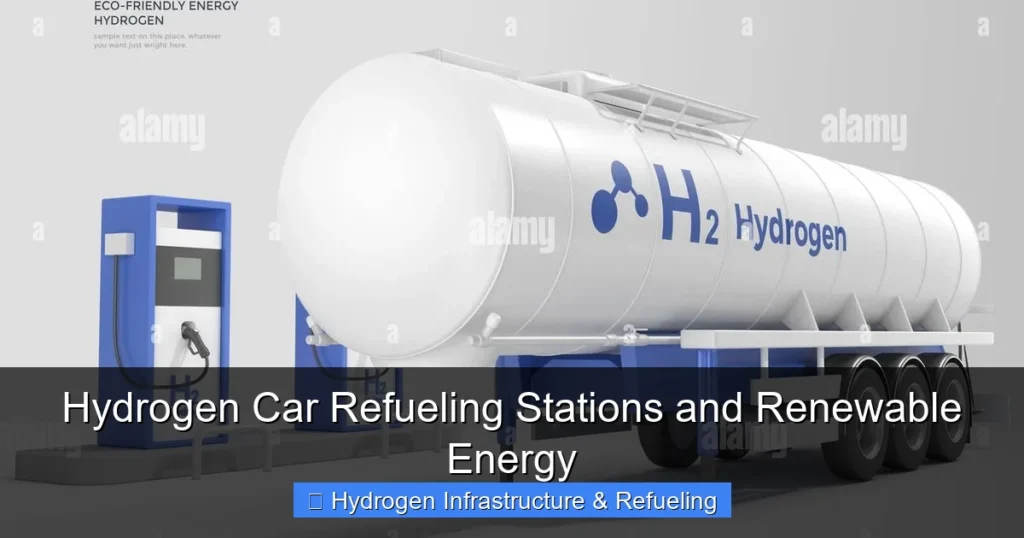
- Gas Tube Trailers: Compressed hydrogen gas is transported in high-pressure tube trailers. This is the most common method for delivering hydrogen to retail stations.
Most hydrogen stations in the US receive fuel via tube trailers. The hydrogen is then stored on-site in high-pressure tanks and dispensed to vehicles using specialized nozzles.
On-Site Production
Some stations produce hydrogen on-site using electrolysis. This eliminates the need for transportation and can reduce costs over time. On-site production is especially attractive in areas with cheap renewable electricity, like solar-rich regions in California or wind-heavy areas in Texas.
While still rare, on-site production is expected to grow as electrolyzer technology improves and costs decline.
Challenges and Future Outlook
Despite progress, hydrogen fuel in the US faces several challenges. High costs, limited infrastructure, and competition from battery electric vehicles (BEVs) are major hurdles. But the future is bright, with strong momentum behind hydrogen as a clean energy solution.
Cost and Affordability
Hydrogen fuel is currently more expensive than gasoline or electricity. In California, a kilogram of hydrogen costs around $16–$20, and most FCEVs get about 60–70 miles per kilogram. That means a full tank (around 5 kg) costs $80–$100 and delivers 300–350 miles of range.
While this is comparable to gasoline on a per-mile basis, it’s still more expensive than charging an EV. However, prices are expected to fall as production scales up and green hydrogen becomes more common.
Infrastructure Gaps
The biggest barrier to widespread adoption is the lack of stations outside California. Even within California, some rural areas have limited coverage. Expanding the network will require significant investment and coordination.
But progress is being made. The U.S. Department of Energy estimates that the number of hydrogen stations could grow from around 60 today to over 1,000 by 2030, assuming continued investment and policy support.
The Role of Green Hydrogen
The shift to green hydrogen is critical for the long-term viability of FCEVs. As renewable energy becomes cheaper and more abundant, producing hydrogen with zero emissions will become economically feasible.
States like California, Hawaii, and New York are leading the way, but federal incentives could accelerate adoption nationwide. The Inflation Reduction Act’s production tax credits for clean hydrogen could make green hydrogen cost-competitive with fossil-based alternatives within the next decade.
Competition with Battery Electric Vehicles
FCEVs face stiff competition from BEVs, which have a much larger charging network and lower operating costs. However, hydrogen has advantages in certain applications:
- Long-range and fast refueling: FCEVs can refuel in 3–5 minutes and travel 300–400 miles, similar to gasoline cars.
- Heavy-duty transportation: Hydrogen is better suited for large vehicles like trucks, buses, and trains, where batteries are too heavy or take too long to charge.
- Cold weather performance: Hydrogen fuel cells perform better in cold climates than batteries, which lose efficiency in low temperatures.
For these reasons, hydrogen is likely to complement—rather than replace—battery electric vehicles in the clean transportation ecosystem.
Tips for Finding and Using Hydrogen Fuel
If you’re driving an FCEV or planning to, here are some practical tips to make refueling as smooth as possible.
Use Reliable Station Locators
Always check station availability before you travel. Apps like PlugShare, Hydrogen Fuel Stations, and the CaFCP map show real-time status, hours, and user reviews. Some stations may be temporarily out of service for maintenance.
Plan Long Trips in Advance
Even in California, station spacing can vary. Use route-planning tools to identify refueling stops along your journey. The CaFCP website offers trip planners specifically for FCEVs.
Carry a Backup Plan
In rare cases, a station may be down or out of fuel. Keep a list of nearby stations and consider carrying a portable hydrogen emergency kit (if available) or having roadside assistance that understands FCEVs.
Understand the Refueling Process
Refueling an FCEV is similar to pumping gas, but with a few differences. The nozzle is larger and requires a secure connection. Most stations have clear instructions, and attendants are often available to help.
Always follow safety guidelines: turn off the vehicle, avoid smoking, and ensure the nozzle is properly seated before starting the pump.
Stay Informed About Incentives
Many states offer incentives for FCEV owners, including tax credits, rebates, and access to carpool lanes. California, for example, offers a $5,000 rebate for new FCEV purchases and allows solo drivers in HOV lanes.
Check with your state’s energy office or the IRS for the latest federal and local incentives.
Conclusion
Hydrogen fuel in the US is no longer a niche technology—it’s a growing part of the clean transportation landscape. While California remains the hub of hydrogen infrastructure, other states are beginning to invest in stations and production facilities. With support from automakers, energy companies, and government agencies, the network is expanding rapidly.
For FCEV drivers, finding hydrogen fuel is easier than ever, especially in major metropolitan areas. And as green hydrogen production scales up and costs decline, hydrogen could become a mainstream fuel option for cars, trucks, and even industrial applications.
The road ahead is promising. Whether you’re already driving a hydrogen-powered vehicle or just curious about the future of clean energy, now is the time to explore the possibilities. With the right infrastructure, incentives, and innovation, hydrogen fuel could play a key role in building a sustainable, zero-emission transportation system across the United States.
Frequently Asked Questions
Where can I find hydrogen fuel stations in the US?
Most hydrogen fuel stations are located in California, especially in Los Angeles, the Bay Area, and San Diego. A few stations are also operational in Hawaii, New York, and Washington. Use apps like PlugShare or the California Fuel Cell Partnership map to find the nearest location.
Can I drive a hydrogen car outside of California?
While possible, long-distance travel outside California is currently limited due to sparse infrastructure. However, states like Hawaii and New York are expanding their networks, and future growth is expected in the Northeast and Pacific Northwest.
How much does hydrogen fuel cost?
In California, hydrogen costs about $16–$20 per kilogram. Most FCEVs get 60–70 miles per kilogram, so a full tank (5 kg) costs $80–$100 and provides 300–350 miles of range. Prices may decrease as production scales up.
Is hydrogen fuel safe?
Yes, hydrogen is safe when handled properly. Stations follow strict safety protocols, and FCEVs are designed with multiple safety features. Hydrogen is lighter than air and disperses quickly in case of a leak, reducing fire risk.
What cars run on hydrogen fuel?
The main hydrogen-powered vehicles available in the US are the Toyota Mirai, Hyundai NEXO, and formerly the Honda Clarity Fuel Cell. These are zero-emission vehicles that refuel in minutes and offer long range.
Will hydrogen fuel become more widely available?
Yes, with federal and state incentives, growing automaker support, and advances in green hydrogen production, hydrogen infrastructure is expected to expand significantly over the next decade, especially in key regions beyond California.