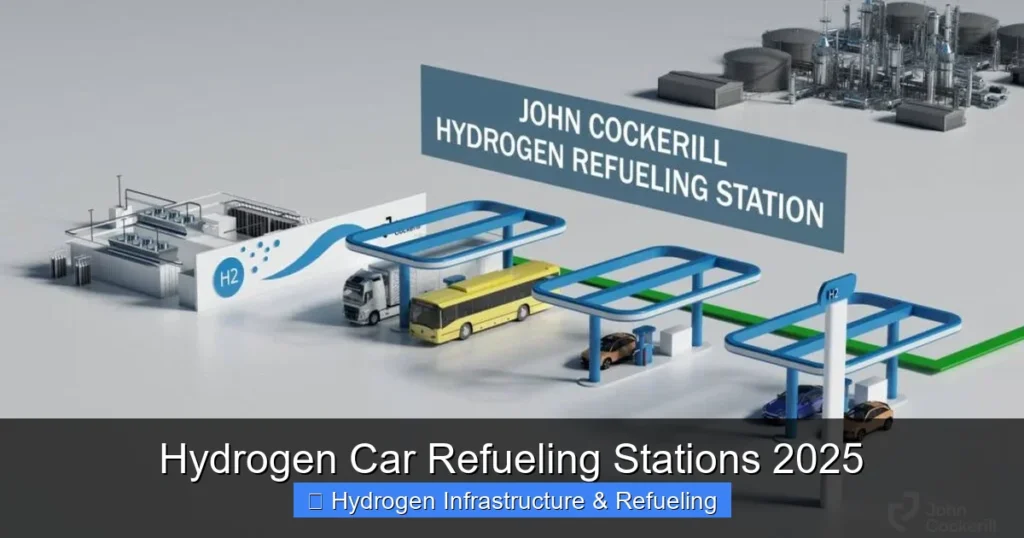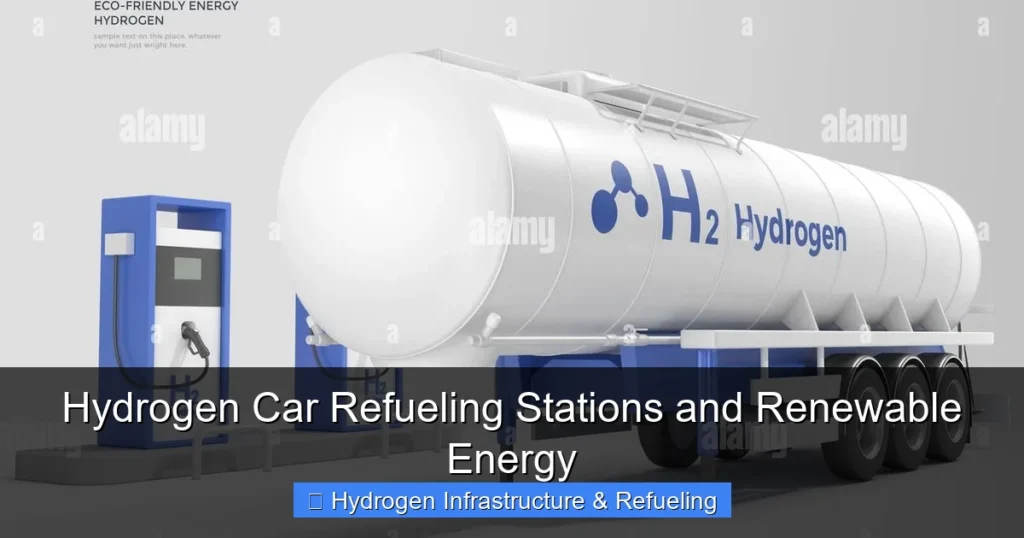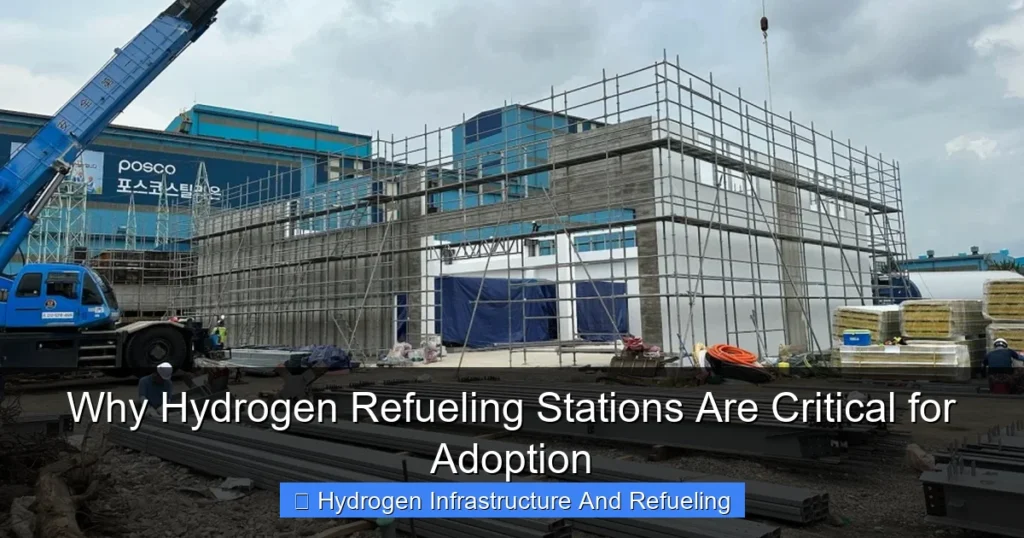
Why hydrogen refueling stations are critical for adoption is an essential topic that provides valuable insights and practical knowledge for anyone interested in learning more about this subject.
Key Takeaways
- Understanding Why hydrogen refueling stations are critical for adoption: Provides essential knowledge for making informed decisions
- Practical applications: Can be applied in various real-world scenarios
- Key benefits: Offers significant advantages when properly implemented
- Important considerations: Requires attention to specific details and best practices
- Future implications: Continues to evolve and impact related fields
📑 Table of Contents
- Why Hydrogen Refueling Stations Are Critical for Adoption
- The Role of Hydrogen Refueling Stations in the Clean Energy Transition
- Overcoming the Infrastructure Gap: Challenges and Solutions
- How Hydrogen Refueling Stations Support Fleet and Commercial Vehicles
- The Economic and Environmental Benefits of Expanding Hydrogen Infrastructure
- Innovations and Trends Shaping the Future of Hydrogen Refueling
- Data Snapshot: Global Hydrogen Refueling Station Growth
- Tips for Consumers and Fleet Operators Considering Hydrogen
- Conclusion: The Road Ahead for Hydrogen Refueling
Why Hydrogen Refueling Stations Are Critical for Adoption
Imagine pulling up to a fueling station, not with a gas pump or an electric plug, but with a sleek nozzle that fills your car with clean, odorless hydrogen. In minutes, you’re back on the road—zero emissions, long range, and no long charging waits. Sounds like science fiction, right? But it’s not. Hydrogen fuel cell vehicles (FCEVs) are already here, quietly cruising highways in places like California, Japan, and parts of Europe. Yet, despite their promise, they haven’t gone mainstream. Why? The answer is simple: hydrogen refueling stations.
Just like electric vehicles (EVs) need charging stations, hydrogen-powered vehicles need places to refuel. Without a reliable network of hydrogen refueling stations, even the most advanced FCEV is little more than a high-tech paperweight. It’s the classic chicken-and-egg problem: people won’t buy hydrogen cars if they can’t refuel them, and companies won’t build stations if there aren’t enough cars on the road. But here’s the good news—progress is being made. Governments, automakers, and energy companies are investing in hydrogen infrastructure, and the momentum is building. Understanding why hydrogen refueling stations are critical isn’t just about technology; it’s about paving the way for a cleaner, more sustainable future.
The Role of Hydrogen Refueling Stations in the Clean Energy Transition
We’re in the middle of a global shift toward cleaner energy. Climate change, air pollution, and energy security are pushing nations to rethink how we power transportation. While battery electric vehicles (BEVs) have grabbed most of the spotlight, hydrogen fuel cell vehicles offer a unique and complementary solution—especially for long-haul trucks, buses, and industrial equipment. But for hydrogen to play its part, we need the right infrastructure in place.
Visual guide about Why Hydrogen Refueling Stations Are Critical for Adoption
Image source: plugpower.com
Hydrogen as a Clean Fuel Alternative
Hydrogen is the most abundant element in the universe, and when used in a fuel cell, it produces only water and heat as byproducts. No carbon dioxide. No smog-forming pollutants. That makes it an incredibly attractive option for decarbonizing sectors that are hard to electrify with batteries alone. Think about delivery trucks that need to travel 500 miles in a day or city buses that run on tight schedules. For these use cases, hydrogen offers fast refueling and long range—something that’s still a challenge for many battery-powered vehicles.
Why Infrastructure Comes First
Let’s be honest: no one wants to buy a car they can’t reliably fuel. That’s why hydrogen refueling stations are so important. They’re the backbone of the hydrogen economy. Without them, even the most efficient FCEV can’t fulfill its potential. It’s like having a smartphone with no cellular network—great hardware, but limited usefulness. Stations provide the confidence consumers and fleet operators need to make the switch.
Real-World Examples of Success
Take California, for example. The state has invested heavily in hydrogen infrastructure, with over 60 public hydrogen refueling stations as of 2024. This network supports thousands of FCEVs, including Toyota Mirai sedans and Hyundai NEXO SUVs. In fact, California’s Hydrogen Highway Network has become a model for other regions. Similarly, in Japan, the government has partnered with automakers like Toyota and Honda to build a nationwide network, aiming for 1,000 stations by 2030. These efforts show that when infrastructure is prioritized, adoption follows.
Overcoming the Infrastructure Gap: Challenges and Solutions
Despite the promise, building a hydrogen refueling network isn’t easy. It comes with real challenges—cost, safety concerns, and logistical hurdles. But these aren’t insurmountable. With smart planning and collaboration, we can overcome them.
High Upfront Costs
One of the biggest barriers is cost. A single hydrogen refueling station can cost between $1 million and $3 million to build, depending on size and technology. That’s significantly more than a fast-charging EV station. The high price comes from specialized equipment like compressors, storage tanks, and dispensers that must handle high-pressure hydrogen safely.
But costs are coming down. As demand grows and technology improves, economies of scale are kicking in. For example, newer stations are being designed with modular components, making them faster and cheaper to install. Governments are also stepping in with grants and incentives. The U.S. Department of Energy’s H2@Scale initiative, for instance, funds research and demonstration projects to reduce infrastructure costs.
Safety and Public Perception
Hydrogen has a reputation for being dangerous—thanks in part to the Hindenburg disaster. But modern hydrogen systems are far safer than many people think. Hydrogen is lighter than air, so it disperses quickly if leaked. Plus, today’s stations use multiple safety systems: pressure relief devices, leak detectors, and automatic shut-off valves. In fact, hydrogen has a strong safety record in industrial applications, and refueling stations follow strict international standards.
Education is key. Many people don’t realize that hydrogen is already used safely in industries like refining and chemical manufacturing. Sharing real-world data and transparent safety protocols can help build public trust.
Location and Accessibility
Another challenge is where to place stations. They need to be in high-traffic areas—near highways, urban centers, and logistics hubs—but land is expensive, and zoning can be tricky. One solution is co-locating hydrogen stations with existing gas stations or EV charging hubs. This reduces costs and increases convenience for drivers.
For example, Shell has opened hydrogen refueling stations at select gas stations in California and Germany. These “multi-fuel” sites allow drivers to choose between gasoline, electricity, or hydrogen—making the transition smoother for consumers.
How Hydrogen Refueling Stations Support Fleet and Commercial Vehicles
While passenger cars get most of the attention, the real near-term opportunity for hydrogen lies in commercial and fleet vehicles. These vehicles have predictable routes, centralized refueling needs, and strict emissions regulations—making them ideal candidates for hydrogen adoption.
Long-Haul Trucking and Logistics
Imagine a semi-truck that can travel 600 miles on a single tank and refuel in 15 minutes. That’s what hydrogen offers. Companies like Hyundai, Nikola, and Toyota are developing hydrogen-powered trucks for freight and delivery. But without hydrogen refueling stations along major trucking routes, these vehicles can’t operate efficiently.
That’s why corridor-based infrastructure is so important. Projects like the “Hydrogen Corridor” between Los Angeles and Las Vegas are being developed to support cross-country freight. These stations are strategically placed every 100–150 miles, ensuring trucks can refuel without range anxiety.
Public Transit and Municipal Fleets
Cities are also turning to hydrogen for buses and municipal vehicles. Fuel cell buses offer zero emissions, quiet operation, and long range—perfect for urban environments. In cities like Aberdeen, Scotland, and Cologne, Germany, hydrogen buses are already in service, supported by dedicated refueling stations.
These stations are often located at bus depots, allowing for overnight refueling and centralized maintenance. This model reduces the need for widespread public infrastructure and helps cities meet climate goals.
Industrial and Heavy-Duty Applications
Beyond transportation, hydrogen refueling stations support forklifts, port equipment, and backup power systems. In warehouses and distribution centers, hydrogen-powered forklifts can refuel in minutes and operate continuously—unlike battery-powered models that need lengthy charging breaks.
Companies like Amazon and Walmart are piloting hydrogen forklifts in their fulfillment centers. These early adopters are proving the business case for hydrogen, and their success is encouraging broader investment in infrastructure.
The Economic and Environmental Benefits of Expanding Hydrogen Infrastructure
Building hydrogen refueling stations isn’t just about supporting new vehicles—it’s an investment in jobs, energy independence, and environmental health. The benefits go far beyond the pump.
Job Creation and Local Economic Growth
Every hydrogen station creates jobs—from construction and engineering to operations and maintenance. According to the Hydrogen Council, the global hydrogen economy could support 30 million jobs by 2050. In the U.S. alone, the Department of Energy estimates that expanding hydrogen infrastructure could create hundreds of thousands of new jobs in manufacturing, installation, and service.
These aren’t just temporary construction jobs. They’re long-term roles in a growing industry. For example, station operators need trained technicians to monitor systems, perform safety checks, and assist customers. As the network expands, so does the demand for skilled workers.
Reducing Greenhouse Gas Emissions
Transportation accounts for nearly a quarter of global CO₂ emissions. Hydrogen, especially when produced using renewable energy (known as “green hydrogen”), can drastically cut those emissions. A study by the International Energy Agency (IEA) found that hydrogen could reduce transport emissions by up to 20% by 2050 if deployed at scale.
But here’s the catch: the environmental benefit depends on how the hydrogen is made. If it’s produced from natural gas without carbon capture (“gray hydrogen”), the emissions savings are limited. That’s why investing in green hydrogen—using wind, solar, or hydroelectric power to split water—is essential. Hydrogen refueling stations powered by renewable energy maximize the climate benefit.
Energy Security and Grid Stability
Hydrogen also enhances energy security. Unlike oil, which is concentrated in a few regions, hydrogen can be produced locally from diverse sources. This reduces dependence on imported fuels and protects against price volatility.
Plus, hydrogen can store excess renewable energy. On sunny or windy days, when solar and wind farms generate more power than the grid needs, that energy can be used to produce hydrogen. The hydrogen is then stored and used later—either for transportation or to generate electricity during peak demand. This helps balance the grid and makes renewable energy more reliable.
Innovations and Trends Shaping the Future of Hydrogen Refueling
The hydrogen refueling industry is evolving fast. New technologies, business models, and partnerships are making stations more efficient, affordable, and accessible.
Mobile and Modular Refueling Solutions
Not every location can support a full-scale station. That’s where mobile hydrogen refuelers come in. These are truck-mounted units that can deliver hydrogen to remote sites, construction zones, or temporary events. They’re especially useful during the early stages of adoption, when demand is low but infrastructure is needed to kickstart the market.
Companies like Hyzon and Nel Hydrogen are developing mobile refuelers that can be deployed quickly and relocated as needed. This flexibility reduces upfront investment and allows for phased expansion.
On-Site Hydrogen Production
Instead of transporting hydrogen from a central plant, some stations are now producing it on-site using electrolysis. This eliminates the need for costly and complex logistics. Solar-powered electrolyzers, for example, can generate hydrogen directly at the station using sunlight.
While on-site production is still more expensive than centralized methods, it’s becoming more viable as electrolyzer costs fall. In remote areas or off-grid locations, it’s often the most practical option.
Smart Stations and Digital Integration
Modern hydrogen refueling stations are getting smarter. They’re equipped with sensors, remote monitoring, and digital payment systems. Drivers can check station availability, reserve a slot, and pay via app—just like with EV charging networks.
These features improve the user experience and help operators manage demand. For example, if a station is running low on hydrogen, the system can automatically alert the supplier for a refill. Data analytics also help optimize station placement and usage patterns.
Public-Private Partnerships
No single company or government can build a hydrogen network alone. That’s why partnerships are so important. Automakers, energy companies, and governments are teaming up to share costs and risks.
A great example is the H2USA partnership in the U.S., which brings together federal agencies, state governments, and private companies to accelerate hydrogen infrastructure. Similar collaborations exist in Europe and Asia, driving progress through shared goals and resources.
Data Snapshot: Global Hydrogen Refueling Station Growth
To understand the scale of the opportunity, let’s look at the numbers. The global hydrogen refueling network is still small—but it’s growing rapidly.
| Region | Number of Stations (2024) | Key Players | Planned Expansion (2030) |
|---|---|---|---|
| North America | ~80 | Shell, Toyota, Hyundai, FirstElement Fuel | 500+ |
| Europe | ~200 | Air Liquide, Linde, H2 Mobility, TotalEnergies | 1,000+ |
| Asia-Pacific | ~500 | Toyota, Hyundai, Sinopec, Doosan | 2,000+ |
| Rest of World | ~20 | Various startups and national programs | 100+ |
As you can see, Asia leads in station count, thanks to strong government support in Japan, South Korea, and China. Europe is catching up fast, with Germany and the UK investing heavily. North America is growing more slowly but steadily, with California as the clear leader.
Tips for Consumers and Fleet Operators Considering Hydrogen
If you’re thinking about switching to hydrogen, here are a few practical tips to help you get started.
- Check station availability: Use apps like H2stations.org or PlugShare to find nearby hydrogen refueling stations. Plan your routes accordingly.
- Understand refueling time: Most FCEVs refuel in 3–5 minutes—similar to gasoline. This is a major advantage over long EV charging sessions.
- Consider total cost of ownership: While hydrogen fuel can be more expensive than gasoline or electricity today, prices are expected to fall as production scales up. Factor in lower maintenance costs and potential incentives.
- Look for incentives: Many governments offer tax credits, rebates, or grants for hydrogen vehicles and infrastructure. In the U.S., the Inflation Reduction Act includes support for clean hydrogen.
- Start small if you’re a fleet operator: Pilot a few hydrogen vehicles and a single refueling station to test the technology before scaling up.
Conclusion: The Road Ahead for Hydrogen Refueling
Hydrogen refueling stations are more than just fuel pumps—they’re the foundation of a cleaner, more resilient transportation system. Without them, hydrogen vehicles can’t reach their full potential. But with strategic investment, innovation, and collaboration, we can build a network that supports everything from daily commutes to cross-country freight.
The journey won’t be easy. Costs are high, technology is still evolving, and public awareness is low. But the benefits—clean air, energy independence, and economic growth—are too important to ignore. Every station built is a step toward a future where refueling is fast, emissions are zero, and energy is sustainable.
So the next time you see a hydrogen refueling station, don’t just think of it as a niche curiosity. Think of it as a sign of progress. A sign that we’re serious about change. And a sign that the future of transportation is already here—one fill-up at a time.
Frequently Asked Questions
Why are hydrogen refueling stations essential for hydrogen vehicle adoption?
Hydrogen refueling stations are critical for adoption because they provide the necessary infrastructure to support fuel cell electric vehicles (FCEVs). Without a reliable network of stations, drivers cannot conveniently refuel, limiting the practicality and appeal of hydrogen-powered transportation.
How do hydrogen refueling stations compare to EV charging stations in terms of convenience?
Hydrogen refueling stations offer faster refueling times—similar to gasoline—typically under 10 minutes, making them more convenient than most EV charging options. This speed advantage is crucial for long-haul transport and commercial fleets considering hydrogen adoption.
What role do hydrogen refueling stations play in reducing emissions?
By enabling the use of clean hydrogen fuel, these stations help reduce greenhouse gas emissions, especially when hydrogen is produced using renewable energy. Widespread station deployment supports a shift away from fossil fuels in heavy-duty and hard-to-electrify sectors.
Are hydrogen refueling stations safe for public use?
Yes, hydrogen refueling stations are designed with multiple safety systems to handle hydrogen’s unique properties, including leak detection and ventilation. Regulatory standards ensure they meet strict safety requirements for public and commercial operation.
Why is infrastructure investment in hydrogen refueling stations important now?
Early investment in hydrogen refueling stations is critical to kickstart market adoption and encourage vehicle manufacturers to produce more FCEVs. Building infrastructure ahead of demand helps overcome the “chicken-and-egg” problem between vehicles and fueling access.
Can hydrogen refueling stations support long-distance and commercial transportation?
Absolutely—hydrogen refueling stations are especially valuable for long-haul trucking, buses, and logistics, where battery weight and charging times are limiting factors. Their high energy density and quick refueling make hydrogen ideal for these demanding applications.