Hydrogen fuel cell SUVs combine cutting-edge green technology with premium luxury, offering a smooth, quiet, and emissions-free driving experience. From long-range capabilities to high-end interiors, these vehicles redefine sustainable opulence for the modern driver.
Key Takeaways
- Luxury Meets Sustainability: Hydrogen fuel cell SUVs deliver high-end comfort and performance while producing zero tailpipe emissions, making them ideal for eco-conscious luxury buyers.
- Long Range & Quick Refueling: Unlike many EVs, hydrogen SUVs can travel 300–400 miles on a single tank and refuel in under 10 minutes—perfect for long trips.
- Quiet & Smooth Driving: With no engine noise and instant torque, hydrogen SUVs offer a serene and powerful ride that rivals traditional luxury vehicles.
- Limited but Growing Infrastructure: While hydrogen stations are still sparse, they’re expanding rapidly in key regions like California, Japan, and parts of Europe.
- Premium Features Abound: Top models include heated/cooled seats, panoramic sunroofs, advanced driver-assist systems, and handcrafted interiors.
- Government Incentives Available: Many countries offer tax credits, rebates, and HOV lane access to encourage adoption of hydrogen vehicles.
- Future-Proof Investment: As hydrogen technology advances, these SUVs are positioned to become mainstream in the luxury green mobility space.
📑 Table of Contents
- The Rise of Hydrogen Fuel Cell SUVs in Luxury Driving
- How Hydrogen Fuel Cell Technology Works
- Top Hydrogen Fuel Cell SUVs for Luxury Driving
- Benefits of Driving a Hydrogen Fuel Cell SUV
- Challenges and Considerations
- The Future of Hydrogen Luxury SUVs
- Conclusion: Is a Hydrogen Fuel Cell SUV Right for You?
The Rise of Hydrogen Fuel Cell SUVs in Luxury Driving
Imagine cruising down a scenic coastal highway in a sleek, silent SUV that glides like a dream—no engine roar, no exhaust fumes, just pure, smooth power. Now picture that same vehicle refueling in under 10 minutes and traveling over 350 miles on a single tank. Sounds futuristic? It’s not. Welcome to the world of hydrogen fuel cell SUVs, where luxury and sustainability converge in the most elegant way possible.
Hydrogen fuel cell vehicles (FCEVs) have long been seen as the underdogs in the clean transportation race, overshadowed by the electric vehicle (EV) boom. But in the luxury segment, they’re quietly gaining momentum. Why? Because they solve some of the biggest pain points of EVs—long charging times, range anxiety, and battery degradation—while delivering the kind of refined, high-performance experience luxury drivers expect. Unlike battery-electric SUVs that require hours to recharge, hydrogen SUVs refuel just like a gasoline car, only cleaner and quieter.
And let’s be honest—luxury isn’t just about performance. It’s about comfort, craftsmanship, and cutting-edge technology. The latest hydrogen fuel cell SUVs are packed with premium materials, intuitive infotainment systems, and advanced safety features that rival any high-end sedan or coupe. From hand-stitched leather to ambient lighting and AI-powered assistants, these vehicles are designed for those who refuse to compromise.
How Hydrogen Fuel Cell Technology Works
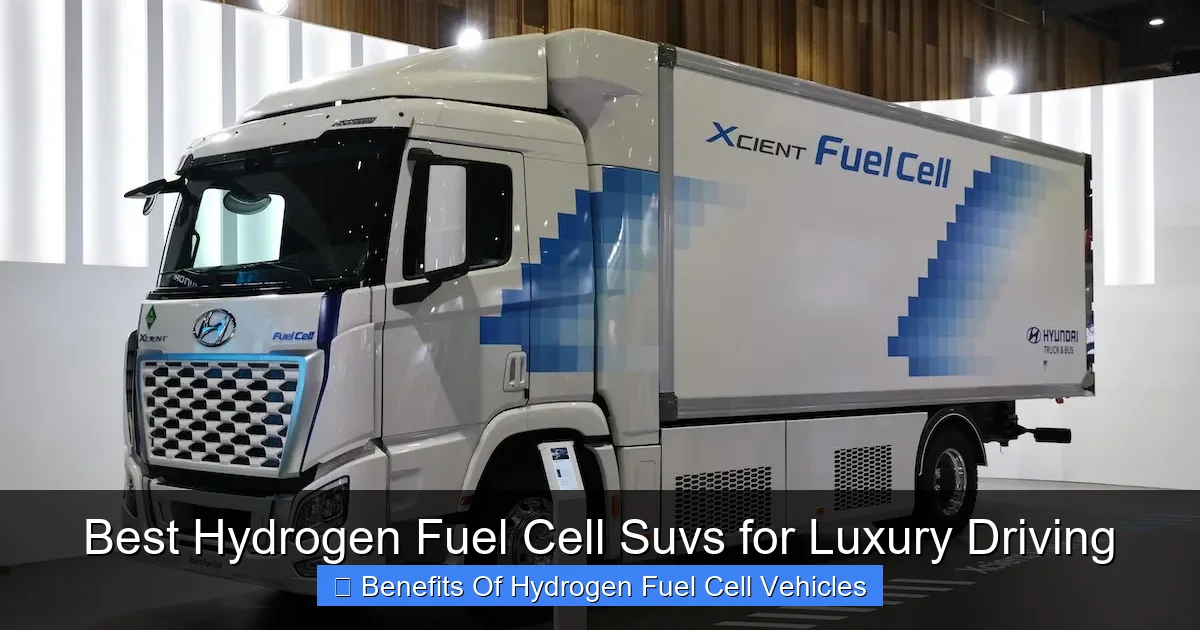
Visual guide about Best Hydrogen Fuel Cell Suvs for Luxury Driving
Image source: motorbiscuit.com
Before diving into the top models, it helps to understand how hydrogen fuel cell SUVs actually work. At their core, these vehicles use hydrogen gas stored in high-pressure tanks to generate electricity through a chemical reaction in a fuel cell stack. This electricity then powers an electric motor, propelling the vehicle forward. The only byproduct? Water vapor—clean, odorless, and harmless.
Here’s a simple breakdown of the process:
- Hydrogen Storage: Compressed hydrogen gas is stored in lightweight, reinforced tanks located beneath the vehicle, often under the floor or rear seats for safety and balance.
- Fuel Cell Reaction: When hydrogen enters the fuel cell, it splits into protons and electrons. The protons pass through a membrane, while the electrons create an electric current.
- Electric Motor: This current powers the motor, delivering instant torque and smooth acceleration—no gears, no lag.
- Water Emission: The only thing that comes out of the tailpipe is a small amount of water, making these SUVs truly zero-emission at the point of use.
One of the biggest advantages of this technology is efficiency. While internal combustion engines waste a lot of energy as heat, fuel cells convert hydrogen to electricity with high efficiency—often over 60%. And because the system is electric, it delivers the same quiet, responsive driving feel as a premium EV, but without the long charging stops.
Why Hydrogen Over Battery Electric?
You might be wondering: if EVs are so popular, why consider hydrogen? The answer lies in practicality, especially for luxury drivers who value convenience and performance. While EVs require hours to recharge—even with fast chargers—hydrogen SUVs can be refueled in 5 to 10 minutes, just like filling up at a gas station. That’s a game-changer for road trips, busy professionals, or families on the go.
Additionally, hydrogen vehicles maintain consistent performance in cold weather, unlike some EVs that lose range in winter. And because they don’t rely on large, heavy battery packs, hydrogen SUVs can offer more interior space and better weight distribution—key factors in luxury design.
Top Hydrogen Fuel Cell SUVs for Luxury Driving
Now that you understand the tech, let’s explore the best hydrogen fuel cell SUVs currently available or coming soon. These models represent the pinnacle of green luxury, blending advanced engineering with opulent interiors and cutting-edge features.
Toyota Mirai (2024 Model)
The Toyota Mirai has long been a pioneer in hydrogen mobility, and the 2024 model takes everything to the next level. With a complete redesign, the latest Mirai is no longer just a fuel-efficient car—it’s a full-fledged luxury sedan that happens to be an SUV in spirit. While technically a sedan, its elevated ride height, spacious cabin, and SUV-like presence make it a top contender for luxury drivers seeking something different.
Under the hood (or rather, under the floor), the Mirai features a more efficient fuel cell system that delivers 182 horsepower and a range of up to 402 miles—best in class. Refueling takes just 5 minutes at a hydrogen station, and the ride is whisper-quiet, thanks to the electric motor and advanced sound insulation.
Inside, the Mirai is a sanctuary of calm. The cabin features premium materials like SofTex synthetic leather, real wood trim, and ambient lighting that adjusts to your mood. The 12.3-inch touchscreen runs Toyota’s latest infotainment system, compatible with Apple CarPlay and Android Auto. Safety is top-notch, with Toyota Safety Sense 3.0, including adaptive cruise control, lane-keeping assist, and automatic emergency braking.
One standout feature is the available panoramic sunroof and heated/cooled front and rear seats—perfect for long drives in any climate. And with a starting price around $50,000 (before incentives), the Mirai offers exceptional value for a luxury green vehicle.
Hyundai Nexo (2024)
Hyundai’s Nexo is arguably the most SUV-like hydrogen vehicle on the market, and it’s built from the ground up as a luxury crossover. With a bold, futuristic design and a spacious interior, the Nexo is perfect for families and professionals who want style, space, and sustainability.
The Nexo delivers 161 horsepower and a range of up to 380 miles, making it ideal for daily commutes and weekend getaways. Refueling is quick and easy, and the vehicle includes a solar roof option that can add up to 1,200 miles of range per year through passive charging.
Inside, the Nexo feels like a high-end lounge. The dashboard features dual 12.3-inch screens—one for the instrument cluster and one for infotainment—creating a seamless digital experience. Materials include eco-friendly fabrics, recycled plastics, and soft-touch surfaces throughout. The seats are ergonomically designed and offer heating, ventilation, and massage functions in the front.
Safety is a priority, with Hyundai’s SmartSense suite, including blind-spot monitoring, rear cross-traffic alert, and highway driving assist. The Nexo also features a unique air purification system that filters out 99.9% of fine dust and pollutants—great for city driving.
Priced around $60,000, the Nexo is a premium choice, but it comes with a comprehensive warranty and access to Hyundai’s growing hydrogen support network.
BMW iX5 Hydrogen (Coming Soon)
BMW is entering the hydrogen arena with the iX5 Hydrogen, a luxury SUV that blends the brand’s signature driving dynamics with zero-emission technology. Based on the popular X5 platform, the iX5 Hydrogen is expected to launch in limited markets by 2025, targeting eco-conscious BMW enthusiasts.
While official specs are still under wraps, early reports suggest a range of over 300 miles and a dual-motor setup delivering over 400 horsepower. The fuel cell system is being developed in partnership with Toyota, leveraging proven technology for reliability and efficiency.
Inside, expect the full BMW luxury treatment: Vernasca leather, ambient lighting, a curved display with iDrive 8, and advanced driver-assist features. The iX5 Hydrogen will also include BMW’s latest sustainability efforts, such as recycled materials and carbon-neutral production.
Though not yet widely available, the iX5 Hydrogen represents the future of premium hydrogen mobility—where performance, prestige, and planet-friendly driving meet.
Mercedes-Benz GLC F-CELL (Limited Availability)
Mercedes-Benz offered the GLC F-CELL as a plug-in hybrid hydrogen vehicle, combining a fuel cell with a small battery for added flexibility. While production has slowed, it remains a fascinating example of how luxury brands are experimenting with hydrogen.
The GLC F-CELL could run on hydrogen for about 30 miles and switch to battery power for up to 30 miles more, offering a total range of around 340 miles. It featured a premium interior with MBUX infotainment, heated seats, and advanced safety tech.
Though not currently in production, the GLC F-CELL paved the way for future Mercedes hydrogen models, signaling the brand’s long-term commitment to alternative fuels.
Benefits of Driving a Hydrogen Fuel Cell SUV
Choosing a hydrogen fuel cell SUV isn’t just about being eco-friendly—it’s about enjoying a superior driving experience. Here are the key benefits that make these vehicles stand out in the luxury segment.
Zero Emissions, Maximum Impact
The most obvious benefit is environmental. Hydrogen fuel cell SUVs produce no tailpipe emissions—only water vapor. This means you can enjoy a powerful, high-performance vehicle without contributing to air pollution or climate change. For luxury buyers who care about their carbon footprint, this is a major selling point.
And it’s not just about the vehicle itself. When hydrogen is produced using renewable energy (like wind or solar), the entire lifecycle becomes nearly carbon-neutral. This “green hydrogen” is the future, and many refueling stations are already transitioning to it.
Unmatched Refueling Convenience
Let’s face it—nobody likes waiting. With EVs, even fast charging can take 30 minutes or more for an 80% charge. And that’s if you can find a working charger. Hydrogen refueling takes just 5 to 10 minutes—comparable to gasoline. You pull up, connect the nozzle, and in less time than it takes to grab a coffee, you’re back on the road.
This makes hydrogen SUVs ideal for long-distance travel, road trips, or busy lifestyles where time is precious. No more planning your day around charging stops.
Smooth, Quiet, and Powerful Performance
Hydrogen fuel cell SUVs are electric vehicles at heart, which means they deliver instant torque and seamless acceleration. There’s no engine noise, no gear shifts—just a smooth, silent surge of power. This makes for an incredibly relaxing drive, especially in traffic or on highways.
And because the fuel cell system is compact and lightweight, these SUVs often have better weight distribution than battery-electric models, improving handling and ride comfort.
Long Range Without Compromise
Range anxiety is real—even for luxury drivers. But hydrogen SUVs typically offer 300 to 400 miles per tank, matching or exceeding most EVs. And unlike some EVs that lose range in cold weather, hydrogen vehicles maintain consistent performance year-round.
This makes them perfect for winter getaways, mountain drives, or simply peace of mind on long commutes.
Premium Features and Craftsmanship
Luxury isn’t just about what’s under the hood—it’s about how it feels inside. Hydrogen fuel cell SUVs are packed with high-end amenities: massaging seats, panoramic roofs, premium sound systems, and intuitive tech interfaces. Brands like Toyota, Hyundai, and BMW are investing heavily in interior design, using sustainable materials without sacrificing elegance.
You’re not just buying a green car—you’re buying a statement of sophistication and responsibility.
Challenges and Considerations
Of course, no technology is perfect. While hydrogen fuel cell SUVs offer many advantages, there are still some challenges to consider before making the switch.
Limited Hydrogen Infrastructure
The biggest hurdle is availability. As of 2024, there are only around 50 hydrogen refueling stations in the U.S., mostly in California. Europe and Asia have more, but coverage is still sparse compared to gas stations or EV chargers.
That said, the infrastructure is growing. Governments and private companies are investing billions in hydrogen networks. California alone plans to have 200 stations by 2025. If you live in or near a major city with hydrogen support, it’s becoming increasingly viable.
Higher Upfront Cost
Hydrogen SUVs are still more expensive than comparable gasoline or electric models. The Mirai starts around $50,000, and the Nexo near $60,000. However, federal and state incentives can reduce the cost significantly. In the U.S., the Inflation Reduction Act offers tax credits of up to $8,000 for new FCEVs.
Leasing is also a popular option, with many manufacturers offering low monthly payments and included maintenance.
Hydrogen Production and Sustainability
Not all hydrogen is created equal. Most hydrogen today is produced from natural gas, which still emits carbon. However, “green hydrogen”—made using renewable energy—is on the rise. As the grid becomes cleaner, so will hydrogen production.
When choosing a hydrogen SUV, consider supporting stations that use green hydrogen to maximize your environmental impact.
The Future of Hydrogen Luxury SUVs
The future looks bright for hydrogen fuel cell SUVs. As technology improves and infrastructure expands, these vehicles are poised to become a mainstream choice for luxury drivers who want performance, comfort, and sustainability.
Automakers are investing heavily in hydrogen R&D. Toyota and Hyundai are leading the charge, but BMW, Mercedes, and even General Motors are exploring hydrogen platforms. New models with longer ranges, faster refueling, and lower costs are on the horizon.
Meanwhile, governments are rolling out incentives and building hydrogen highways. The European Union, Japan, and South Korea have ambitious hydrogen strategies, and the U.S. is catching up with federal funding and state-level initiatives.
For luxury buyers, this means more choices, better support, and a clearer path to guilt-free driving. Whether you’re cruising through the city or exploring the countryside, a hydrogen fuel cell SUV offers the perfect blend of elegance and innovation.
Conclusion: Is a Hydrogen Fuel Cell SUV Right for You?
So, should you consider a hydrogen fuel cell SUV for your next luxury vehicle? If you value sustainability, performance, and convenience, the answer is increasingly yes.
These vehicles offer a unique combination of zero emissions, quick refueling, and premium comfort—something few EVs can match. While infrastructure is still developing, it’s growing fast, especially in key regions. And with government incentives and advancing technology, the cost barrier is coming down.
Whether you choose the refined Toyota Mirai, the spacious Hyundai Nexo, or await the arrival of the BMW iX5 Hydrogen, you’re not just buying a car—you’re investing in the future of luxury mobility.
Driving green doesn’t mean driving less. With a hydrogen fuel cell SUV, you can have it all: power, prestige, and peace of mind.
Frequently Asked Questions
Are hydrogen fuel cell SUVs really zero emission?
Yes, hydrogen fuel cell SUVs produce only water vapor as a byproduct, making them zero-emission at the tailpipe. However, the environmental impact depends on how the hydrogen is produced—green hydrogen from renewables is the cleanest option.
How long does it take to refuel a hydrogen SUV?
Refueling a hydrogen SUV takes just 5 to 10 minutes, similar to filling up a gasoline vehicle. This is significantly faster than charging most electric vehicles.
Where can I refuel a hydrogen fuel cell SUV?
Hydrogen refueling stations are currently limited but growing, with the highest concentration in California, Japan, South Korea, and parts of Europe. Check local hydrogen station maps before purchasing.
Do hydrogen SUVs have good range?
Yes, most hydrogen fuel cell SUVs offer ranges between 300 and 400 miles per tank, comparable to or exceeding many electric vehicles.
Are hydrogen SUVs expensive to maintain?
Hydrogen SUVs have fewer moving parts than gasoline vehicles, which can reduce maintenance costs. However, fuel cell systems are still specialized, so servicing may require trained technicians.
Can I get a tax credit for buying a hydrogen SUV?
Yes, in the U.S., the Inflation Reduction Act offers federal tax credits of up to $8,000 for new hydrogen fuel cell vehicles. Additional state incentives may also be available.