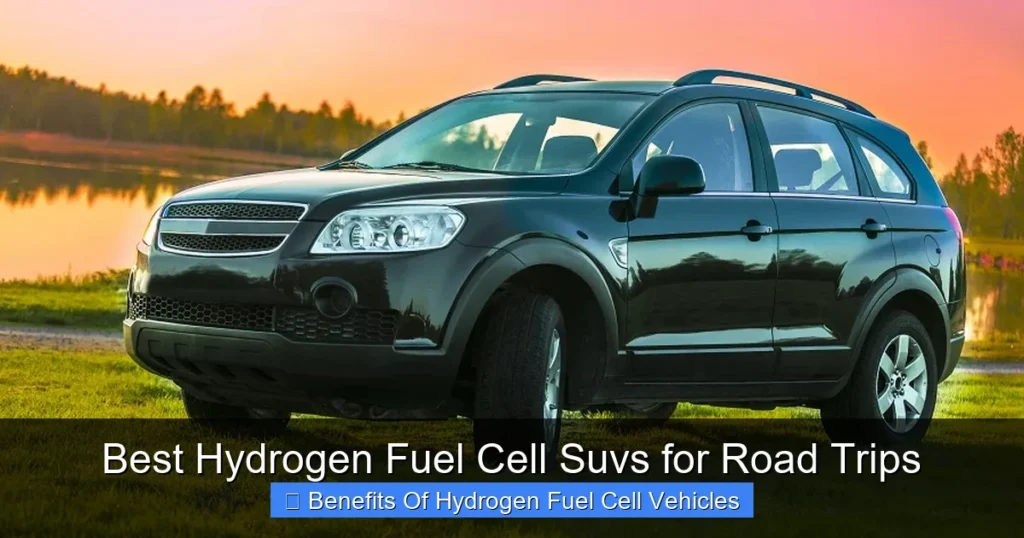
Hydrogen fuel cell SUVs are revolutionizing long-distance travel with zero emissions, fast refueling, and impressive range. These vehicles combine the ruggedness of SUVs with cutting-edge green technology, making them ideal companions for road trips across scenic routes and remote destinations.
Key Takeaways
- Zero Emissions: Hydrogen fuel cell SUVs emit only water vapor, making them one of the cleanest transportation options available today.
- Fast Refueling: Unlike electric vehicles that take hours to charge, hydrogen SUVs refuel in under 10 minutes—similar to gasoline vehicles.
- Long Range: Most hydrogen SUVs offer 300–400 miles per fill-up, perfect for extended road trips without frequent stops.
- Spacious & Comfortable: Designed for families and adventurers, these SUVs offer ample cargo space, advanced tech, and smooth rides.
- Growing Infrastructure: While still limited, hydrogen refueling stations are expanding, especially in California, Japan, and parts of Europe.
- Government Incentives: Many regions offer tax credits, rebates, and HOV lane access to encourage adoption of hydrogen vehicles.
- Future-Proof Technology: As renewable hydrogen production grows, these SUVs will become even more sustainable and accessible.
📑 Table of Contents
- Why Hydrogen Fuel Cell SUVs Are Perfect for Road Trips
- How Hydrogen Fuel Cell Technology Works
- Top Hydrogen Fuel Cell SUVs for Road Trips
- Benefits of Choosing a Hydrogen Fuel Cell SUV for Road Trips
- Challenges and Considerations
- Tips for Road Tripping in a Hydrogen Fuel Cell SUV
- The Future of Hydrogen Fuel Cell SUVs
- Conclusion
Why Hydrogen Fuel Cell SUVs Are Perfect for Road Trips
Imagine hitting the open road in a vehicle that’s not only powerful and spacious but also leaves zero carbon footprint behind. That’s the promise of hydrogen fuel cell SUVs—vehicles that run on clean energy, refuel in minutes, and go the distance. For road trippers who care about the environment without sacrificing convenience, these SUVs are a game-changer.
Unlike traditional gas-powered SUVs, hydrogen fuel cell vehicles (FCEVs) produce electricity on board using hydrogen and oxygen, emitting only water vapor. This means you can explore national parks, mountain trails, and coastal highways without contributing to air pollution. And unlike battery-electric SUVs, which can take hours to recharge on long journeys, hydrogen SUVs refuel in under 10 minutes—just like filling up at a gas station.
But it’s not just about being green. These SUVs are built for adventure. With generous cargo space, advanced safety features, and smooth, quiet rides, they’re ideal for families, outdoor enthusiasts, and anyone who loves exploring new places. Whether you’re driving through the deserts of Arizona or the forests of Oregon, a hydrogen fuel cell SUV gives you the freedom to roam—responsibly.
How Hydrogen Fuel Cell Technology Works
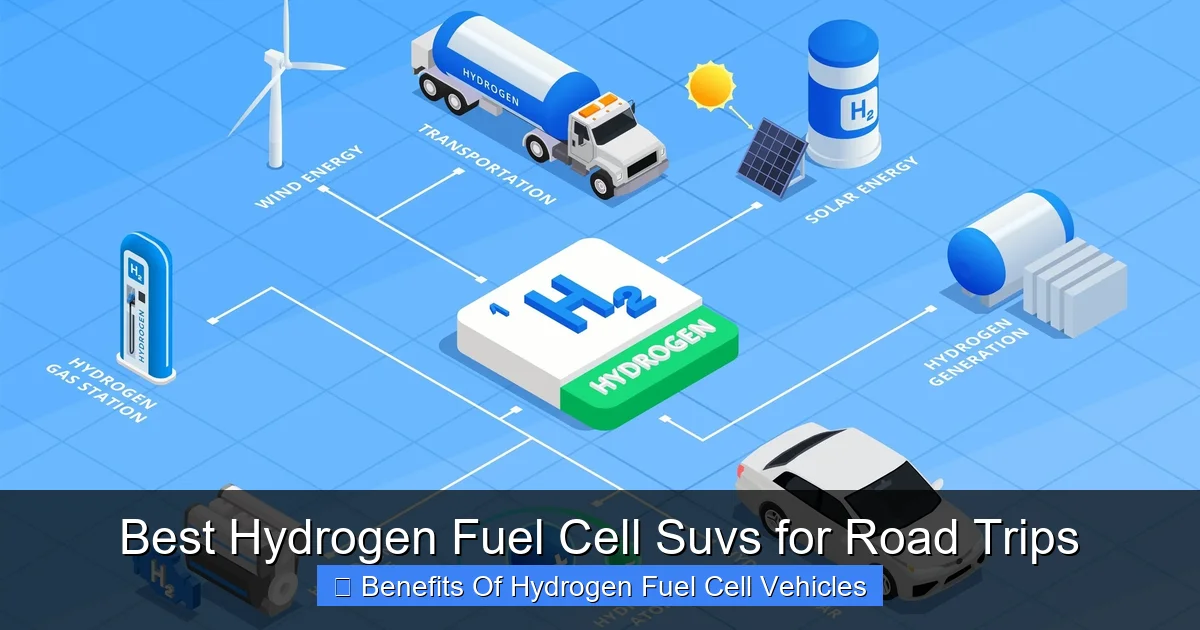
Visual guide about Best Hydrogen Fuel Cell Suvs for Road Trips
Image source: aeologic.com
Before diving into the best models, it helps to understand how hydrogen fuel cell technology actually works. At its core, a hydrogen fuel cell SUV uses a fuel cell stack to convert hydrogen gas into electricity. This electricity then powers an electric motor, which drives the wheels—just like in a battery-electric vehicle.
Here’s a simple breakdown of the process:
The Fuel Cell Stack
Inside the vehicle, hydrogen gas from the onboard tank flows into the fuel cell stack. There, it reacts with oxygen from the air in a chemical process called electrolysis (but in reverse). This reaction produces electricity, heat, and water. The electricity powers the motor, while the only emission—water vapor—exits through the tailpipe.
Hydrogen Storage
Hydrogen is stored in high-pressure tanks, typically made of carbon fiber, located beneath the vehicle. These tanks are designed to be safe and durable, even in the event of a collision. Most hydrogen SUVs carry enough fuel for 300 to 400 miles of driving.
Refueling Process
Refueling a hydrogen SUV is quick and easy. You pull up to a hydrogen station, connect the nozzle to the fuel port, and fill up in about 5 to 10 minutes. It’s nearly identical to pumping gasoline, but cleaner and quieter. No waiting around for hours like with some electric vehicles.
Energy Efficiency
While hydrogen production can vary in efficiency depending on the source (more on that later), the actual fuel cell system in the vehicle is highly efficient—converting up to 60% of the hydrogen’s energy into usable power. That’s significantly better than internal combustion engines, which typically convert only 20–30% of fuel energy into motion.
Top Hydrogen Fuel Cell SUVs for Road Trips
While the hydrogen vehicle market is still growing, a few standout SUVs are leading the charge. These models combine performance, comfort, and sustainability, making them excellent choices for long-distance travel.
Toyota Mirai (SUV Variant – Coming Soon)
Toyota has been a pioneer in hydrogen technology with its Mirai sedan, and rumors suggest an SUV version is in development. Based on the success of the current Mirai, the future SUV variant is expected to offer over 400 miles of range, a luxurious interior, and Toyota’s renowned reliability.
The current Mirai sedan already impresses with its smooth ride, quiet cabin, and advanced driver-assistance features. If Toyota brings these qualities to an SUV platform, it could become a top contender for road trippers. Plus, Toyota has one of the most established hydrogen service networks, especially in California.
Hyundai Nexo
The Hyundai Nexo is currently one of the most advanced hydrogen SUVs on the market. With a sleek design, premium interior, and impressive tech features, it’s built for comfort and efficiency.
One of the Nexo’s standout features is its range—up to 380 miles on a single tank, depending on driving conditions. That’s more than enough for a cross-state road trip without worrying about refueling. The Nexo also comes with Hyundai’s SmartSense safety suite, including adaptive cruise control, lane-keeping assist, and automatic emergency braking.
Inside, you’ll find a spacious cabin with leather seats, a panoramic sunroof, and a 12.3-inch touchscreen infotainment system. The rear seats fold flat, giving you plenty of room for camping gear, luggage, or even a small mattress for impromptu roadside naps.
Honda CR-V Fuel Cell (Upcoming)
Honda has announced plans to release a hydrogen-powered version of its popular CR-V SUV. While not yet available, this model is highly anticipated due to the CR-V’s reputation for reliability, practicality, and family-friendly design.
The hydrogen CR-V is expected to offer a range of around 300 miles and feature Honda’s latest safety and connectivity tech. Given the CR-V’s compact SUV size, it could be a great option for couples or small families who want a greener alternative without sacrificing everyday usability.
Honda is also investing in renewable hydrogen production, which could make the CR-V Fuel Cell even more sustainable in the long run.
BMW iX5 Hydrogen (Limited Availability)
BMW’s iX5 Hydrogen is a luxury SUV that blends performance with sustainability. Based on the popular X5 platform, the iX5 Hydrogen features a powerful electric motor and a hydrogen fuel cell system developed in partnership with Toyota.
With a top speed of over 115 mph and a range of approximately 310 miles, the iX5 Hydrogen is built for both city driving and long road trips. It offers a premium interior with high-end materials, advanced climate control, and BMW’s latest iDrive infotainment system.
While currently available only in limited numbers and primarily in Europe, the iX5 Hydrogen showcases what’s possible when luxury automakers embrace hydrogen technology.
Benefits of Choosing a Hydrogen Fuel Cell SUV for Road Trips
So why should you consider a hydrogen fuel cell SUV for your next adventure? Let’s break down the key advantages that make these vehicles stand out.
Environmental Impact
The most obvious benefit is the environmental advantage. Hydrogen fuel cell SUVs produce zero tailpipe emissions—only water vapor comes out of the exhaust. This means you can explore pristine natural areas without contributing to air pollution or climate change.
While the sustainability of hydrogen depends on how it’s produced (green hydrogen from renewable sources is ideal), the trend is moving toward cleaner production methods. As solar, wind, and electrolysis technologies improve, hydrogen will become an even greener fuel.
Refueling Speed and Convenience
One of the biggest drawbacks of electric vehicles for road trips is charging time. Even with fast chargers, it can take 30 minutes to an hour to get an 80% charge—and that’s if you can find a working station.
Hydrogen SUVs, on the other hand, refuel in under 10 minutes. This makes them much more convenient for long drives, especially in areas where charging infrastructure is sparse. You can stop, refuel, grab a snack, and be back on the road in no time.
Long Driving Range
Most hydrogen SUVs offer ranges between 300 and 400 miles per tank. That’s comparable to many gasoline SUVs and significantly better than most electric SUVs, which often max out around 250–300 miles.
This extended range means fewer stops and more time enjoying the journey. Whether you’re driving from San Francisco to Seattle or exploring the Southwest, a hydrogen SUV gives you the freedom to go farther without range anxiety.
Quiet and Smooth Driving Experience
Because hydrogen SUVs are electric at the wheel, they deliver instant torque and a whisper-quiet ride. There’s no engine noise, no gear shifts, and no vibration—just smooth, responsive acceleration.
This makes for a more relaxing driving experience, especially on long highway stretches. Passengers can enjoy conversations, music, or simply the sound of nature outside the windows.
Spacious Interiors and Cargo Capacity
SUVs are known for their roomy interiors, and hydrogen models are no exception. With no large battery packs taking up floor space (like in many EVs), hydrogen SUVs often have more flexible cargo layouts.
The Hyundai Nexo, for example, offers 30 cubic feet of cargo space behind the rear seats—expandable to over 56 cubic feet with the seats folded. That’s enough room for camping gear, coolers, bikes, or even a week’s worth of luggage for a family of four.
Challenges and Considerations
While hydrogen fuel cell SUVs offer many benefits, they’re not without challenges. It’s important to weigh these factors before making a decision.
Limited Refueling Infrastructure
The biggest hurdle for hydrogen vehicles is the lack of refueling stations. As of 2024, most hydrogen stations are concentrated in California, with smaller networks in Japan, South Korea, Germany, and parts of Scandinavia.
If you’re planning a road trip outside these regions, you may struggle to find fuel. However, infrastructure is slowly expanding. California alone has over 50 public hydrogen stations, and the state aims to have 200 by 2026.
Higher Upfront Cost
Hydrogen SUVs are currently more expensive than their gasoline or electric counterparts. The Hyundai Nexo, for example, starts around $60,000, and the BMW iX5 Hydrogen is even pricier.
However, government incentives can help offset the cost. In the U.S., buyers may qualify for federal tax credits and state rebates. California also offers up to $5,000 in clean vehicle rebates for eligible FCEVs.
Hydrogen Production and Sustainability
Not all hydrogen is created equal. Most hydrogen today is produced from natural gas through a process called steam methane reforming, which still emits carbon dioxide.
The ideal is “green hydrogen,” made by splitting water using renewable electricity. While still a small portion of production, green hydrogen is growing thanks to investments in wind, solar, and electrolysis technology.
Choosing a hydrogen SUV is most sustainable when the fuel comes from clean sources. As the grid gets greener, so will hydrogen.
Vehicle Availability
Hydrogen SUVs are still niche vehicles. The Hyundai Nexo is the most widely available, but even it is sold in limited quantities and primarily in California.
Other models, like the BMW iX5 Hydrogen and the upcoming Honda CR-V Fuel Cell, are either in limited release or not yet on the market. This means you may face long wait times or limited dealer support.
Tips for Road Tripping in a Hydrogen Fuel Cell SUV
If you’re ready to hit the road in a hydrogen SUV, here are some practical tips to make your trip smooth and enjoyable.
Plan Your Route Around Hydrogen Stations
Before you leave, use apps like Hydrogen Station Finder or PlugShare (which now includes hydrogen stations) to map out refueling stops. Focus on routes with existing infrastructure, such as I-5 in California or major highways in Germany.
Pack Light but Smart
While hydrogen SUVs have good range, carrying excess weight can reduce efficiency. Pack only what you need, and use roof racks or cargo boxes wisely to maintain aerodynamics.
Take Advantage of Incentives
Check for federal, state, or local incentives that can reduce the cost of ownership. In California, you may also qualify for carpool lane access, even with a solo driver.
Stay Updated on Infrastructure Growth
Hydrogen networks are expanding. Follow industry news and automaker updates to stay informed about new stations and vehicle launches.
Combine with Renewable Energy
If possible, charge your devices or run accessories using solar panels or portable power stations. This reduces reliance on the grid and enhances your eco-friendly journey.
The Future of Hydrogen Fuel Cell SUVs
The future looks bright for hydrogen fuel cell SUVs. As governments push for carbon neutrality and automakers invest in clean technology, hydrogen is gaining momentum.
Countries like Japan and South Korea are leading the way with national hydrogen strategies. Europe is investing billions in hydrogen infrastructure, and the U.S. has introduced tax credits for clean hydrogen production under the Inflation Reduction Act.
Automakers are also stepping up. Toyota, Hyundai, Honda, and BMW are all expanding their hydrogen portfolios. New models, including larger SUVs and even hydrogen-powered trucks, are expected in the coming years.
With advancements in fuel cell efficiency, renewable hydrogen production, and refueling networks, hydrogen SUVs could become a mainstream choice for road trippers within the next decade.
Conclusion
Hydrogen fuel cell SUVs represent a bold step toward sustainable, long-distance travel. They offer the perfect blend of eco-friendliness, convenience, and capability—making them ideal companions for road trips across the country or around the world.
While challenges like infrastructure and cost remain, the benefits are hard to ignore. Fast refueling, long range, zero emissions, and spacious interiors make these vehicles a smart choice for environmentally conscious adventurers.
As technology improves and hydrogen networks grow, now is the perfect time to explore this exciting frontier. Whether you’re cruising along the Pacific Coast Highway or exploring the Rocky Mountains, a hydrogen fuel cell SUV lets you travel far—and travel clean.
So pack your bags, plan your route, and get ready to hit the road in one of the most innovative vehicles of the 21st century.
Frequently Asked Questions
Are hydrogen fuel cell SUVs really zero emission?
Yes, hydrogen fuel cell SUVs emit only water vapor from the tailpipe, making them zero-emission vehicles during operation. However, the overall environmental impact depends on how the hydrogen is produced.
How long does it take to refuel a hydrogen SUV?
Refueling a hydrogen SUV takes about 5 to 10 minutes, similar to filling up a gasoline vehicle. This is much faster than charging most electric SUVs.
Where can I find hydrogen refueling stations?
Hydrogen stations are currently concentrated in California, Japan, South Korea, Germany, and parts of Scandinavia. Use apps like PlugShare or Hydrogen Station Finder to locate nearby stations.
How far can a hydrogen SUV travel on one tank?
Most hydrogen SUVs offer a range of 300 to 400 miles per fill-up, depending on the model and driving conditions.
Are hydrogen SUVs safe?
Yes, hydrogen SUVs are designed with safety in mind. High-pressure hydrogen tanks are rigorously tested and made from durable materials like carbon fiber to withstand impacts.
Can I get a tax credit for buying a hydrogen SUV?
In the U.S., federal and state incentives may be available. California offers rebates of up to $5,000, and federal tax credits may apply depending on the vehicle and your location.