Fuel cell electric SUVs combine the spaciousness and capability of traditional SUVs with zero-emission hydrogen power. They offer long driving ranges, quick refueling, and quiet operation, making them a smart choice for sustainable transportation without sacrificing performance or comfort.
Imagine driving a spacious, powerful SUV that can carry your family, gear, and even tow a trailer—all while producing zero harmful emissions. No gasoline, no oil changes, and no range anxiety on long road trips. Sounds like a dream? It’s not. Fuel cell electric SUVs are turning this vision into reality. These innovative vehicles use hydrogen gas to generate electricity on board, powering an electric motor that drives the wheels. The only thing that comes out of the tailpipe? Pure water vapor.
Unlike traditional battery electric vehicles (BEVs) that rely on large, heavy lithium-ion batteries, fuel cell electric SUVs generate their own electricity through a chemical reaction between hydrogen and oxygen inside a fuel cell stack. This means they can travel farther and refuel faster than many BEVs—without the long charging times. And because they’re built on SUV platforms, they offer the high seating position, cargo space, and rugged capability that drivers love.
As the world shifts toward cleaner transportation, fuel cell electric SUVs are emerging as a compelling alternative. They combine the best of both worlds: the environmental benefits of electric driving with the convenience and performance of conventional SUVs. Whether you’re commuting to work, heading out on a weekend adventure, or simply want to reduce your carbon footprint, these vehicles are worth a closer look.
Key Takeaways
- Zero Tailpipe Emissions: Fuel cell electric SUVs emit only water vapor, helping reduce air pollution and greenhouse gases.
- Fast Refueling: Unlike battery EVs, hydrogen SUVs can be refueled in under 10 minutes—similar to gasoline vehicles.
- Long Driving Range: Most models offer 300–400 miles per fill-up, ideal for long trips and daily commutes.
- Spacious and Powerful: These SUVs provide ample cargo space, towing capacity, and smooth acceleration thanks to electric motors.
- Quiet and Comfortable Ride: Electric propulsion ensures a smooth, silent driving experience with minimal vibrations.
- Emerging Infrastructure: While hydrogen stations are growing, availability is currently best in California and select urban areas.
- Government Incentives: Buyers may qualify for tax credits and rebates, lowering the upfront cost of ownership.
📑 Table of Contents
How Fuel Cell Electric SUVs Work
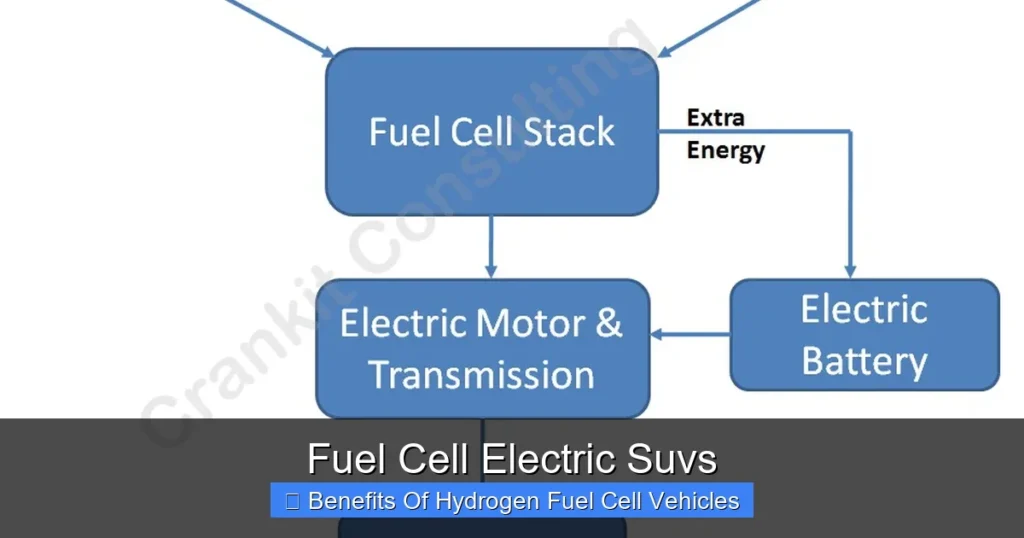
Fuel cell electric SUVs might sound like science fiction, but the technology behind them is both elegant and efficient. At the heart of every fuel cell SUV is a fuel cell stack—a series of individual fuel cells layered together like slices of bread in a loaf. Each cell contains an anode, a cathode, and an electrolyte membrane. When hydrogen gas is pumped into the anode side, it splits into protons and electrons. The protons pass through the membrane to the cathode, while the electrons are forced to travel through an external circuit, creating an electric current. This current powers the electric motor that drives the wheels.
Meanwhile, oxygen from the air enters the cathode side of the fuel cell. There, it combines with the protons and electrons to form water—the only emission. This entire process happens silently and continuously as long as hydrogen is supplied. The SUV also includes a small battery, similar to those in hybrid cars, which stores excess energy and helps during acceleration or when extra power is needed.
One of the biggest advantages of this system is that it generates electricity on demand. Unlike battery EVs, which must be charged from an external power source, fuel cell SUVs produce their own power as you drive. This means no waiting hours at a charging station—just pull up to a hydrogen pump, fill up in minutes, and keep going.
Hydrogen Storage and Safety
You might be wondering: is storing hydrogen in a vehicle safe? The answer is yes—when done correctly. Modern fuel cell SUVs use high-strength carbon fiber tanks designed to withstand extreme conditions, including crashes and high-pressure impacts. These tanks are rigorously tested to meet or exceed safety standards set by organizations like the National Highway Traffic Safety Administration (NHTSA).
Hydrogen is lighter than air, so if it does leak, it quickly disperses upward rather than pooling near the ground. This reduces the risk of fire or explosion compared to gasoline or natural gas. Additionally, fuel cell systems include multiple safety sensors that shut off the hydrogen supply if a leak is detected.
Manufacturers like Toyota and Hyundai have been refining hydrogen storage technology for over a decade. The Toyota Mirai and Hyundai NEXO, for example, have both earned top safety ratings from independent agencies. So while hydrogen may seem unfamiliar, it’s a well-understood and safely managed fuel in today’s vehicles.
Electric Motor and Performance
Despite using hydrogen as fuel, fuel cell electric SUVs are fully electric vehicles. They rely on electric motors to drive the wheels, just like battery EVs. This means instant torque, smooth acceleration, and a quiet ride. Many fuel cell SUVs offer performance comparable to or better than their gasoline-powered counterparts.
For example, the Hyundai NEXO can go from 0 to 60 mph in about 8.5 seconds—respectable for a midsize SUV. It also delivers 161 horsepower and 291 lb-ft of torque, providing confident passing power and strong towing capability. The electric motor operates silently, making for a peaceful cabin experience, especially on long drives.
Because there’s no internal combustion engine, there’s no engine noise, vibration, or exhaust fumes. This creates a more relaxing driving environment, particularly in stop-and-go traffic or during highway cruising. Plus, regenerative braking captures energy during deceleration and feeds it back into the battery, improving overall efficiency.
Environmental Benefits of Fuel Cell Electric SUVs
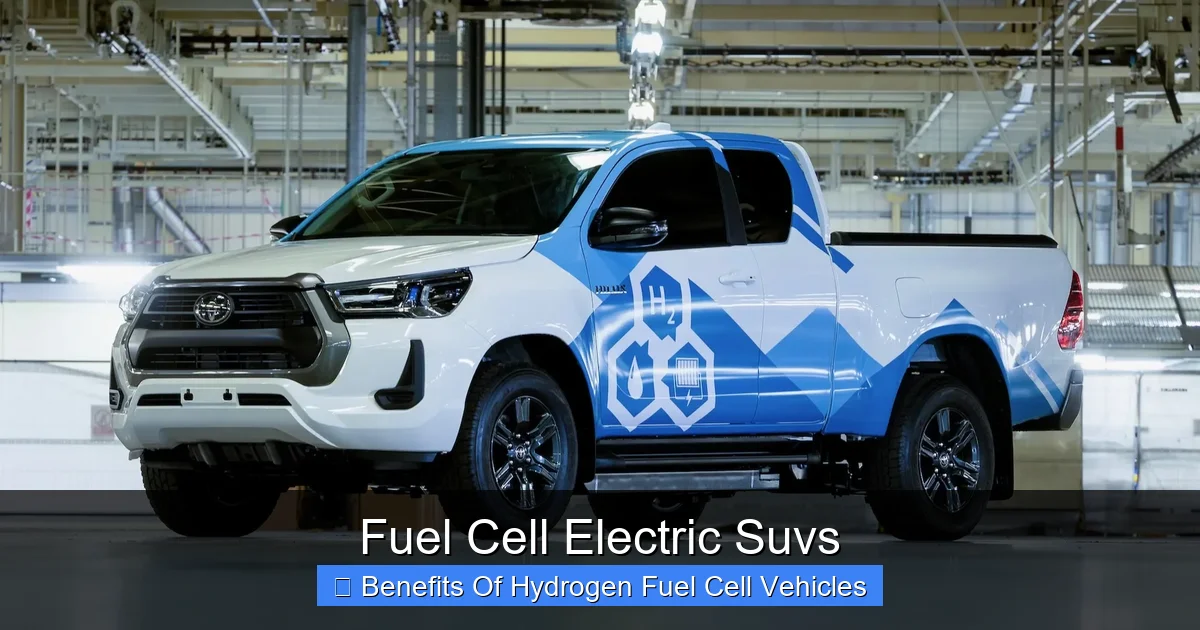
Visual guide about Fuel Cell Electric Suvs
Image source: images.hgmsites.net
One of the most compelling reasons to consider a fuel cell electric SUV is its positive impact on the environment. These vehicles produce zero tailpipe emissions—meaning no carbon dioxide (CO₂), nitrogen oxides (NOx), or particulate matter. The only thing that comes out of the exhaust is water vapor, which is harmless to the atmosphere.
This makes fuel cell SUVs a powerful tool in the fight against climate change and urban air pollution. In cities where smog and poor air quality are major concerns, switching from gasoline or diesel SUVs to hydrogen-powered models can significantly improve public health. Children, the elderly, and people with respiratory conditions benefit most from cleaner air.
But it’s not just about what comes out of the tailpipe. The environmental benefits also depend on how the hydrogen is produced. Currently, most hydrogen is made from natural gas through a process called steam methane reforming, which does release CO₂. However, the industry is rapidly moving toward “green hydrogen”—hydrogen produced using renewable energy sources like wind, solar, or hydroelectric power.
When green hydrogen is used, the entire lifecycle of a fuel cell SUV becomes nearly carbon-neutral. Some regions, like California and parts of Europe, are already investing heavily in green hydrogen infrastructure. As this trend grows, the environmental advantages of fuel cell SUVs will only increase.
Lifecycle Emissions Compared to Other Vehicles
To truly understand the environmental impact, it’s helpful to compare lifecycle emissions across different vehicle types. A lifecycle analysis considers not just driving emissions, but also manufacturing, fuel production, and disposal.
Studies show that fuel cell electric SUVs have lower lifecycle emissions than gasoline or diesel SUVs, even when hydrogen is produced from natural gas. When green hydrogen is used, their emissions drop dramatically—sometimes by 70% or more compared to conventional vehicles.
Battery electric SUVs also have low lifecycle emissions, especially when charged with renewable electricity. However, the production of large lithium-ion batteries involves mining for materials like lithium, cobalt, and nickel, which can have environmental and ethical concerns. Fuel cell SUVs use fewer rare materials and have a smaller battery, reducing their resource footprint.
In regions with clean electricity grids, BEVs may have a slight edge in emissions. But in areas where hydrogen is increasingly green, fuel cell SUVs are becoming a competitive and sustainable option.
Water Vapor Emissions: Is It a Problem?
A common question about fuel cell vehicles is whether emitting water vapor is harmful. After all, water vapor is a greenhouse gas, so could it contribute to climate change?
The short answer is no—not in any meaningful way. While water vapor does trap heat in the atmosphere, it has a very short lifespan and doesn’t accumulate like CO₂. Any water vapor emitted by a fuel cell SUV quickly condenses and falls as rain or evaporates. It doesn’t stay in the atmosphere long enough to affect global temperatures.
In fact, the amount of water vapor produced by all fuel cell vehicles combined is negligible compared to natural sources like evaporation from oceans and lakes. So while it might seem odd to see water dripping from a car’s exhaust, it’s completely harmless—and a sign that the vehicle is working as intended.
Performance and Practicality of Fuel Cell SUVs
Fuel cell electric SUVs aren’t just clean—they’re also highly practical for everyday use. They offer the space, comfort, and capability that SUV drivers expect, with the added benefits of electric propulsion.
Most models seat five passengers comfortably, with generous legroom and headroom. Cargo space is ample, with fold-down rear seats for larger items. Many include advanced infotainment systems, premium interiors, and driver-assistance features like adaptive cruise control, lane-keeping assist, and automatic emergency braking.
One of the biggest advantages is range. While many battery EVs offer 200–300 miles per charge, fuel cell SUVs typically deliver 300–400 miles on a single tank of hydrogen. This makes them ideal for long-distance travel, road trips, or rural driving where charging stations may be sparse.
Refueling is another major benefit. A hydrogen fill-up takes just 5 to 10 minutes—about the same as pumping gasoline. This eliminates the need to plan trips around charging stops or wait hours for a battery to recharge. For busy families or frequent travelers, this convenience is a game-changer.
Towing and Off-Road Capability
Don’t let the “electric” label fool you—fuel cell SUVs are built for real-world use. Many models are designed with towing in mind. The Hyundai NEXO, for example, can tow up to 1,500 pounds, making it suitable for small trailers, boats, or campers.
While they may not be as rugged as full-size off-road trucks, some fuel cell SUVs offer all-wheel drive and elevated ground clearance, giving them decent capability on dirt roads or light trails. The electric motor’s instant torque also helps with climbing hills or navigating slippery terrain.
For most drivers, this level of performance is more than enough. Whether you’re hauling gear to a job site, towing a camper to the mountains, or simply navigating snowy streets, a fuel cell SUV can handle it with ease.
Interior Comfort and Technology
Step inside a fuel cell electric SUV, and you’ll find a cabin designed for comfort and convenience. Quiet operation means less road and wind noise, creating a peaceful environment for conversation or music. Many models feature heated and ventilated seats, panoramic sunroofs, and premium sound systems.
Technology is also a strong suit. Touchscreen displays, smartphone integration (Apple CarPlay and Android Auto), and over-the-air software updates are common. Some vehicles even offer advanced driver aids like blind-spot monitoring, rear cross-traffic alert, and 360-degree cameras.
Because there’s no engine under the hood, designers have more freedom to optimize space. This often results in a flat floor, more legroom, and clever storage solutions. It’s a thoughtful blend of innovation and practicality.
Refueling and Hydrogen Infrastructure
One of the biggest questions about fuel cell electric SUVs is: where do you refuel? Unlike gasoline stations, hydrogen refueling stations are still relatively rare. However, the infrastructure is growing, especially in certain regions.
As of 2024, California leads the U.S. with over 60 public hydrogen stations, mostly concentrated in Los Angeles, San Francisco, and San Diego. Other states, like Hawaii and New York, are beginning to build networks, but coverage remains limited.
In Europe, countries like Germany, France, and the UK are investing in hydrogen corridors—routes with multiple refueling stations along major highways. Japan and South Korea also have well-developed hydrogen infrastructure, thanks to strong government support and automaker involvement.
For now, owning a fuel cell SUV works best if you live near a hydrogen station or frequently travel along supported routes. But the trend is upward. Companies like Shell, Air Liquide, and Toyota are partnering to expand the network. By 2030, experts predict hundreds of new stations across North America and Europe.
How to Find a Hydrogen Station
If you’re considering a fuel cell SUV, it’s important to check station availability in your area. Apps and websites like PlugShare, Hydrogen Fuel Cell Partnership, and the U.S. Department of Energy’s Alternative Fuels Data Center provide real-time maps of hydrogen stations.
Many automakers also offer tools to help drivers locate refueling options. Hyundai and Toyota, for example, include station locators in their vehicle navigation systems and mobile apps. Some even provide free hydrogen for the first few years of ownership, easing the transition for new buyers.
Planning ahead is key. While long-distance travel is possible, it requires checking station locations along your route. As the network expands, this will become less of a concern.
Home Refueling: Is It Possible?
Currently, home refueling for hydrogen vehicles is not widely available. Unlike electric vehicles, which can be charged at home with a wall outlet or Level 2 charger, hydrogen requires high-pressure compression and storage, which is complex and expensive.
However, companies are working on home hydrogen refueling solutions. For example, General Motors and Honda have partnered on a prototype home hydrogen station that could one day allow overnight refueling. These systems would use electrolysis to split water into hydrogen and oxygen using renewable electricity.
While still in development, home refueling could become a reality in the next decade—especially as green hydrogen production scales up.
Cost, Incentives, and Ownership Experience
Fuel cell electric SUVs are currently more expensive than comparable gasoline or battery electric SUVs. The Hyundai NEXO, for example, starts around $60,000, while the Toyota Mirai (a sedan, but in the same category) is similarly priced. This is due to the high cost of fuel cell technology, hydrogen storage tanks, and limited production volumes.
However, government incentives can significantly reduce the upfront cost. In the U.S., buyers may qualify for a federal tax credit of up to $8,000 for new fuel cell vehicles. Some states, like California, offer additional rebates of $5,000 or more. These incentives, combined with lower fuel and maintenance costs, can make ownership more affordable over time.
Fuel and Maintenance Costs
Hydrogen fuel is currently more expensive than gasoline on a per-mile basis—around $12–$16 per kilogram, with most SUVs achieving 60–70 miles per kilogram. This means fueling up can cost $50–$70 for a full tank. However, prices are expected to drop as production scales and green hydrogen becomes more common.
Maintenance is another area where fuel cell SUVs shine. With no engine, transmission, or exhaust system, there are far fewer parts to wear out. No oil changes, spark plugs, or timing belts are needed. Brake pads last longer thanks to regenerative braking. This can save hundreds of dollars per year in service costs.
Resale Value and Warranty
Resale values for fuel cell SUVs are still evolving, as the market is relatively new. However, strong manufacturer warranties help protect buyers. Hyundai offers an 8-year/100,000-mile warranty on the fuel cell system, while Toyota provides a similar guarantee. This coverage gives peace of mind and supports long-term ownership.
As demand grows and technology improves, resale values are expected to stabilize. Early adopters may see some depreciation, but loyal customers and fleet buyers are helping sustain market interest.
The Future of Fuel Cell Electric SUVs
The future looks bright for fuel cell electric SUVs. Automakers are investing heavily in hydrogen technology, and governments are supporting infrastructure development. By 2030, we could see dozens of new models across different brands and price points.
Advancements in fuel cell efficiency, hydrogen production, and storage will drive down costs and improve performance. Green hydrogen, powered by renewable energy, will become the standard, making these vehicles truly sustainable.
In the meantime, fuel cell SUVs offer a unique blend of clean driving, long range, and quick refueling. They’re not for everyone—yet. But for drivers who value performance, convenience, and environmental responsibility, they’re a compelling choice.
As the world moves toward a zero-emission future, fuel cell electric SUVs are proving that going green doesn’t mean giving up capability or comfort. They’re not just the future of SUVs—they’re the future of driving.
Frequently Asked Questions
How far can a fuel cell electric SUV go on one tank of hydrogen?
Most fuel cell electric SUVs offer a driving range of 300 to 400 miles on a full tank of hydrogen. This is comparable to many gasoline SUVs and longer than some battery electric vehicles.
Are fuel cell SUVs safe in a crash?
Yes, fuel cell SUVs are designed with safety in mind. They use high-strength hydrogen tanks and multiple safety systems to prevent leaks or explosions. Models like the Hyundai NEXO and Toyota Mirai have earned top safety ratings.
Can I refuel a fuel cell SUV at home?
Currently, home refueling is not widely available due to the complexity of hydrogen storage and compression. However, prototype home systems are in development and may become available in the future.
How long does it take to refuel a fuel cell SUV?
Refueling a fuel cell SUV takes just 5 to 10 minutes—similar to filling up a gasoline vehicle. This is much faster than charging a battery electric SUV, which can take 30 minutes to several hours.
Are there government incentives for buying a fuel cell SUV?
Yes, buyers in the U.S. may qualify for a federal tax credit of up to $8,000, and some states offer additional rebates. These incentives help offset the higher upfront cost of fuel cell vehicles.
What happens if I run out of hydrogen?
Like running out of gas, your SUV will stop running. However, most models include a low-fuel warning and navigation systems that direct you to the nearest hydrogen station. Roadside assistance programs are also available for emergencies.