Hydrogen fuel cell SUVs offer a clean, quiet, and efficient alternative to traditional gas-powered vehicles. With quick refueling times and zero tailpipe emissions, they’re gaining traction as a sustainable option for eco-conscious drivers who need space and power.
Key Takeaways
- Zero Emissions: Hydrogen fuel cell SUVs emit only water vapor, making them one of the cleanest vehicles on the road today.
- Fast Refueling: Unlike electric vehicles, hydrogen SUVs can be refueled in under 10 minutes—similar to gasoline vehicles.
- Long Driving Range: Most hydrogen SUVs offer ranges between 300 and 400 miles on a single tank, ideal for long trips.
- Growing Infrastructure: While still limited, hydrogen refueling stations are expanding, especially in California and parts of Europe.
- Quiet and Smooth Ride: Fuel cell technology delivers instant torque and a whisper-quiet driving experience.
- Government Incentives: Many regions offer tax credits and rebates to encourage adoption of hydrogen vehicles.
- Future-Ready Technology: As green hydrogen production grows, these SUVs will become even more sustainable and accessible.
📑 Table of Contents
What Are Hydrogen Fuel Cell SUVs?
Hydrogen fuel cell SUVs are a new breed of clean vehicles that combine the spaciousness and power of traditional SUVs with cutting-edge zero-emission technology. Unlike battery-electric SUVs that rely on large lithium-ion batteries, hydrogen SUVs generate electricity on board using a fuel cell stack. This process converts hydrogen gas into electricity, which then powers an electric motor—just like in an EV—but without the need for long charging times.
These vehicles are part of a broader shift toward sustainable transportation. As climate concerns grow and governments push for cleaner air, automakers are investing heavily in alternative fuel technologies. Hydrogen fuel cell SUVs stand out because they offer the best of both worlds: the convenience of quick refueling and the environmental benefits of electric propulsion. They’re especially appealing to families, outdoor enthusiasts, and professionals who need a vehicle that can handle long commutes, road trips, and tough terrain—all while leaving a minimal carbon footprint.
How Hydrogen Fuel Cells Work
At the heart of every hydrogen fuel cell SUV is a fuel cell stack—a series of individual cells that work together to produce electricity. Here’s how it works: hydrogen gas is stored in high-pressure tanks within the vehicle. When you start driving, hydrogen flows from the tank into the fuel cell stack. Inside each cell, hydrogen atoms are split into protons and electrons using a catalyst, typically platinum. The protons pass through a membrane, while the electrons are forced to travel through an external circuit, creating an electric current. This electricity powers the motor and charges a small buffer battery used for acceleration and energy recovery.
The only byproduct of this reaction is water vapor, which exits through the tailpipe—literally clean enough to drink. Oxygen from the air combines with the remaining protons and electrons at the cathode side of the cell to form water. This elegant chemical process means no harmful emissions are released during operation. It’s a stark contrast to internal combustion engines, which burn fossil fuels and emit carbon dioxide, nitrogen oxides, and particulate matter.
Popular Hydrogen Fuel Cell SUVs on the Market
While still a niche market, several automakers have launched hydrogen fuel cell SUVs that are gaining attention. The most well-known is the Toyota Mirai, a sleek, midsize sedan that has inspired a growing lineup of hydrogen-powered models. However, Toyota has also introduced the Mirai SUV concept, signaling its intent to expand into larger vehicle categories. Another major player is Hyundai, which offers the NEXO—a compact SUV that’s already available in select markets like California and South Korea.
The Honda CR-V Fuel Cell is another exciting development. Set to launch in the near future, this version of the popular CR-V will offer hydrogen fuel cell technology alongside a plug-in hybrid option, giving drivers flexibility. Luxury brands are also getting involved: BMW has developed a hydrogen-powered version of the X5, called the iX5 Hydrogen, currently in limited testing and pilot programs. These models show that hydrogen isn’t just for small cars—it can power larger, more capable vehicles without sacrificing performance or comfort.
Refueling Hydrogen Fuel Cell SUVs: What You Need to Know
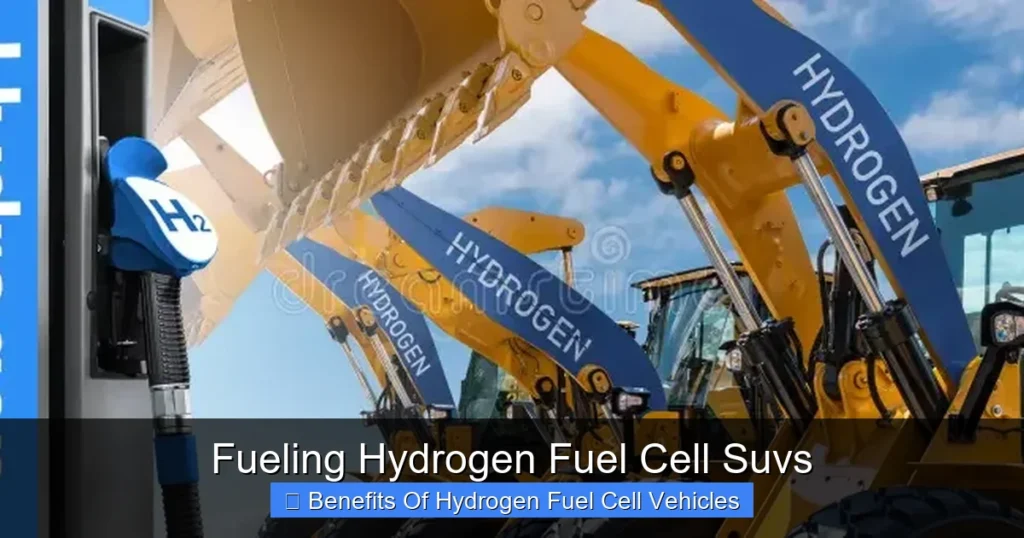
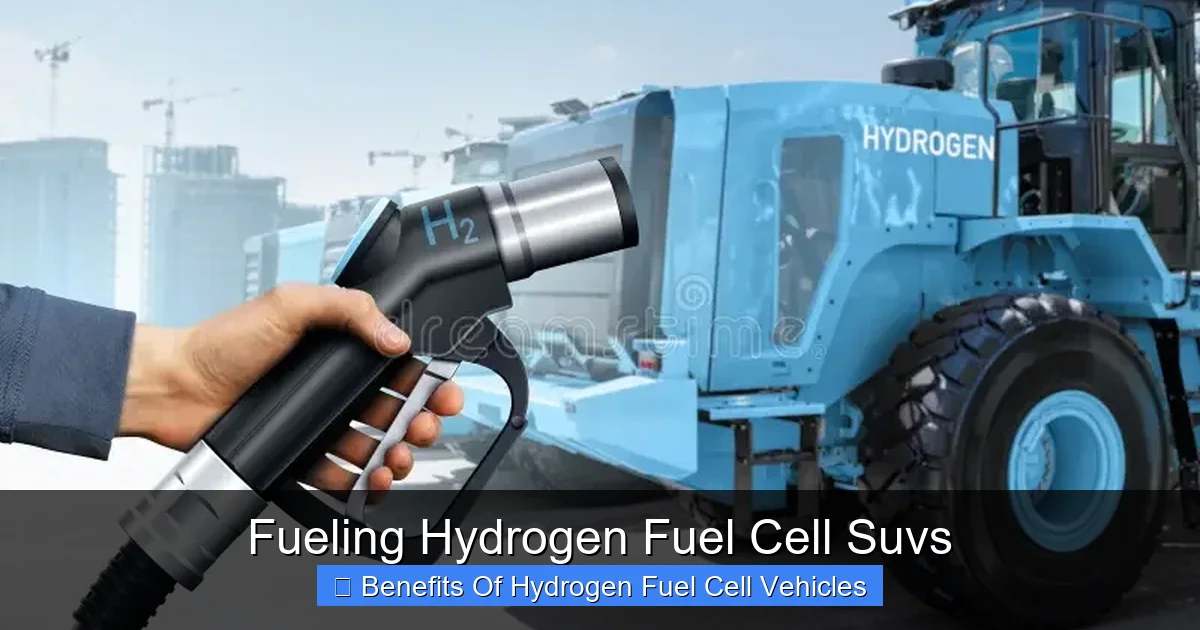
One of the biggest advantages of hydrogen fuel cell SUVs is how easy they are to refuel—especially compared to battery-electric vehicles. Instead of waiting 30 minutes to several hours to recharge, you can fill up a hydrogen tank in just 5 to 10 minutes, similar to pumping gas. This makes hydrogen SUVs ideal for long-distance travel, ride-sharing services, and commercial fleets that can’t afford downtime.
Visual guide about Fueling Hydrogen Fuel Cell Suvs
Image source: thumbs.dreamstime.com
Refueling a hydrogen SUV is simple and safe. You pull up to a hydrogen dispenser—often located at existing gas stations—and connect a nozzle to the vehicle’s fueling port. The system automatically checks for leaks and pressurizes the tank to around 10,000 psi (pounds per square inch). The entire process is monitored by sensors and safety protocols to prevent overfilling or accidents. Most drivers report that it feels just like using a gas pump, but quieter and cleaner.
Where Can You Refuel?
Currently, hydrogen refueling infrastructure is limited but growing. In the United States, California leads the way with over 60 operational hydrogen stations, primarily in the Los Angeles and San Francisco Bay areas. The state has invested heavily in building a hydrogen highway, with plans to expand to 200 stations by 2030. Other states, like Hawaii and New York, are also developing pilot programs.
In Europe, countries like Germany, France, and the UK are investing in hydrogen networks. Germany’s H2 Mobility initiative aims to have 100 hydrogen stations by 2025. Japan and South Korea are also global leaders, with extensive hydrogen infrastructure supporting thousands of fuel cell vehicles. While rural areas still lack access, urban centers and major highways are becoming increasingly equipped.
Cost of Refueling
The cost of hydrogen fuel varies by region and station, but on average, it’s comparable to gasoline on a per-mile basis. In California, hydrogen typically costs between $12 and $16 per kilogram. Most hydrogen SUVs can travel about 60 to 70 miles per kilogram, meaning a full tank (around 5–6 kg) costs $60 to $90 and delivers a range of 300–400 miles. While this is more expensive than home electricity for EVs, it’s often cheaper than public fast charging, especially during peak hours.
Some automakers, like Toyota and Hyundai, offer free hydrogen fuel for the first few years of ownership as an incentive. This can significantly reduce the total cost of ownership and encourage early adoption. Additionally, as production scales and green hydrogen becomes more common, prices are expected to drop.
Benefits of Driving a Hydrogen Fuel Cell SUV
Hydrogen fuel cell SUVs offer a compelling mix of performance, convenience, and environmental benefits. For drivers who want to reduce their carbon footprint without sacrificing range or refueling speed, they’re an excellent choice. Let’s explore the key advantages in detail.
Zero Tailpipe Emissions
The most obvious benefit is environmental: hydrogen fuel cell SUVs produce no harmful emissions. The only thing that comes out of the tailpipe is water vapor. This makes them a powerful tool in the fight against air pollution and climate change. In cities with smog problems, switching to hydrogen vehicles could significantly improve air quality and public health.
Unlike battery-electric vehicles, which rely on electricity that may come from coal or natural gas, hydrogen can be produced using renewable energy. When hydrogen is made via electrolysis powered by wind or solar, the entire lifecycle becomes nearly carbon-free. This “green hydrogen” is the future of clean transportation.
Long Range and Quick Refueling
Range anxiety is a common concern for EV drivers, but hydrogen SUVs eliminate this issue. Most models offer 300 to 400 miles of range—on par with many gas-powered SUVs. And because refueling takes just minutes, you can hit the road quickly without planning charging stops. This makes hydrogen SUVs ideal for road trips, rural living, or commercial use where downtime is costly.
For example, a family driving from San Francisco to Lake Tahoe can refuel in under 10 minutes and continue their journey without interruption. Compare that to an EV, which might require a 45-minute fast charge and careful route planning to find compatible stations.
Smooth, Quiet, and Powerful Performance
Hydrogen fuel cell SUVs deliver instant torque, just like electric vehicles, providing smooth and responsive acceleration. The electric motor runs quietly, creating a peaceful cabin experience—perfect for long drives or city commuting. There’s no engine noise, vibration, or gear shifts, making the ride feel premium and refined.
Despite their clean operation, these SUVs don’t skimp on power. The Hyundai NEXO, for instance, produces 161 horsepower and 291 lb-ft of torque, enabling it to accelerate from 0 to 60 mph in about 8.5 seconds. That’s more than enough for highway merging and passing, and it handles well in various driving conditions.
Low Maintenance and High Durability
With fewer moving parts than internal combustion engines, hydrogen fuel cell SUVs require less maintenance. There’s no oil to change, no spark plugs to replace, and no complex transmission to service. The fuel cell stack is designed to last over 100,000 miles, and many manufacturers offer extended warranties to cover it.
Brake wear is also reduced thanks to regenerative braking, which captures energy during deceleration and feeds it back into the system. This not only improves efficiency but also extends the life of brake pads and rotors. Over time, these savings can offset the higher upfront cost of the vehicle.
Challenges and Considerations
Despite their many benefits, hydrogen fuel cell SUVs face several challenges that limit widespread adoption. Understanding these hurdles is important for anyone considering making the switch.
Limited Refueling Infrastructure
The biggest barrier is the lack of hydrogen stations. Outside of California and a few international hubs, finding a place to refuel can be difficult. This makes long-distance travel outside major corridors risky. While the infrastructure is growing, it’s still far behind electric charging networks.
However, this is changing. Governments and private companies are investing billions in hydrogen infrastructure. The U.S. Department of Energy has launched initiatives to support hydrogen hubs, and companies like Shell and Air Liquide are expanding their networks. With continued investment, accessibility will improve.
High Upfront Cost
Hydrogen fuel cell SUVs are currently more expensive than comparable gas or electric vehicles. The Hyundai NEXO starts around $60,000, and the Toyota Mirai is similarly priced. This is due to the high cost of fuel cell components, especially the platinum catalyst and carbon fiber hydrogen tanks.
But prices are expected to fall as production scales and technology improves. Battery costs dropped dramatically over the past decade, and hydrogen components are likely to follow the same trend. Incentives and tax credits can also help offset the initial cost.
Hydrogen Production and Sustainability
Not all hydrogen is created equal. Most hydrogen today is produced from natural gas through a process called steam methane reforming, which emits carbon dioxide. This “gray hydrogen” undermines the environmental benefits of fuel cell vehicles.
The solution is green hydrogen—produced using renewable energy to split water into hydrogen and oxygen. While still a small fraction of total production, green hydrogen is growing rapidly. Countries like Australia, Canada, and Norway are investing in large-scale green hydrogen projects. As this clean hydrogen becomes more available, the sustainability of fuel cell SUVs will improve dramatically.
The Future of Hydrogen Fuel Cell SUVs
The future looks bright for hydrogen fuel cell SUVs. As technology advances and infrastructure expands, these vehicles are poised to play a major role in the clean transportation revolution. Automakers are committing to hydrogen as a key part of their zero-emission strategies, and governments are supporting the transition with funding and policy.
One exciting development is the integration of hydrogen with renewable energy systems. Imagine a home equipped with solar panels and a hydrogen electrolyzer that produces fuel during the day and stores it for nighttime use. This could enable off-grid refueling and make hydrogen vehicles even more sustainable.
Another trend is the rise of hydrogen-powered commercial fleets. Trucks, buses, and delivery vans benefit greatly from hydrogen’s fast refueling and long range. As these fleets grow, they’ll drive demand for hydrogen infrastructure, which will also benefit passenger SUVs.
Finally, advancements in fuel cell efficiency and durability will make hydrogen SUVs more affordable and reliable. Researchers are developing catalysts that use less platinum, lighter storage tanks, and more efficient cell designs. These innovations will help bring hydrogen vehicles into the mainstream.
Should You Buy a Hydrogen Fuel Cell SUV?
Deciding whether to buy a hydrogen fuel cell SUV depends on your lifestyle, location, and priorities. If you live in an area with hydrogen stations—like California—and value quick refueling, long range, and zero emissions, it could be a great fit. These vehicles are ideal for families, commuters, and outdoor adventurers who need space and performance without the guilt of pollution.
However, if you’re in a region with limited hydrogen access or prefer the convenience of home charging, a battery-electric SUV might be a better choice—for now. But keep an eye on the horizon: as hydrogen infrastructure grows and green hydrogen becomes widespread, fuel cell SUVs could become a dominant force in sustainable transportation.
Ultimately, hydrogen fuel cell SUVs represent a bold step toward a cleaner, quieter, and more efficient future. They’re not just vehicles—they’re part of a larger movement to rethink how we move, fuel, and live. Whether you’re ready to make the switch today or just curious about what’s coming, one thing is clear: the road ahead is hydrogen-powered.
Frequently Asked Questions
How long does it take to refuel a hydrogen fuel cell SUV?
Refueling a hydrogen fuel cell SUV takes just 5 to 10 minutes, similar to filling up a gas-powered vehicle. This is much faster than charging an electric SUV, which can take 30 minutes to several hours depending on the charger type.
Are hydrogen fuel cell SUVs safe?
Yes, hydrogen fuel cell SUVs are designed with multiple safety features, including leak detection, pressure relief devices, and reinforced hydrogen tanks. Hydrogen is lighter than air and disperses quickly if released, reducing fire risk compared to gasoline.
How far can a hydrogen fuel cell SUV travel on a full tank?
Most hydrogen fuel cell SUVs offer a driving range of 300 to 400 miles on a single tank, comparable to many traditional SUVs. This makes them suitable for long-distance travel without frequent stops.
Where can I find hydrogen refueling stations?
Hydrogen stations are currently concentrated in California, with growing networks in Europe, Japan, and South Korea. Use apps like Hydrogen Station Locator or PlugShare to find the nearest station.
Is hydrogen fuel expensive?
Hydrogen fuel costs between $12 and $16 per kilogram in the U.S., with most SUVs achieving 60–70 miles per kilogram. While more expensive than home electricity, it’s often cheaper than public fast charging for EVs.
Can hydrogen be produced sustainably?
Yes, green hydrogen is produced using renewable energy to split water into hydrogen and oxygen. This process emits no carbon and is key to making hydrogen fuel cell SUVs truly sustainable in the long term.