Hydrogen fuel cell SUVs produce zero tailpipe emissions, emitting only water vapor. They offer a sustainable alternative to gas-powered vehicles, helping cut greenhouse gases and air pollution.
Key Takeaways
- Zero Tailpipe Emissions: Hydrogen fuel cell SUVs emit only water vapor, making them a clean transportation option.
- Reduced Greenhouse Gases: When hydrogen is produced using renewable energy, these vehicles significantly lower carbon footprints.
- Long Driving Range: Fuel cell SUVs can travel 300–400 miles on a single tank, rivaling traditional SUVs.
- Fast Refueling: Refilling a hydrogen tank takes just 3–5 minutes, similar to gasoline vehicles.
- Energy Efficiency: Fuel cells convert hydrogen to electricity more efficiently than internal combustion engines.
- Supports Clean Energy Goals: Adopting hydrogen SUVs helps nations meet climate targets and reduce dependence on fossil fuels.
- Growing Infrastructure: Hydrogen refueling stations are expanding, especially in California, Japan, and parts of Europe.
📑 Table of Contents
Introduction: The Road to Cleaner Driving
Imagine driving a powerful SUV that doesn’t pollute the air. No smelly exhaust, no harmful emissions—just smooth, quiet performance and a clear conscience. That’s the promise of hydrogen fuel cell SUVs. These vehicles are not science fiction; they’re here today, quietly paving the way for a cleaner, greener future on our roads.
As climate change accelerates and air quality worsens in cities, the need for sustainable transportation has never been more urgent. Traditional gasoline and diesel SUVs are major contributors to carbon dioxide (CO₂) and nitrogen oxide (NOₓ) emissions. Electric vehicles (EVs) have made great strides, but they’re not the only solution. Enter hydrogen fuel cell SUVs—a technology that combines the convenience of gas-powered cars with the environmental benefits of zero-emission driving.
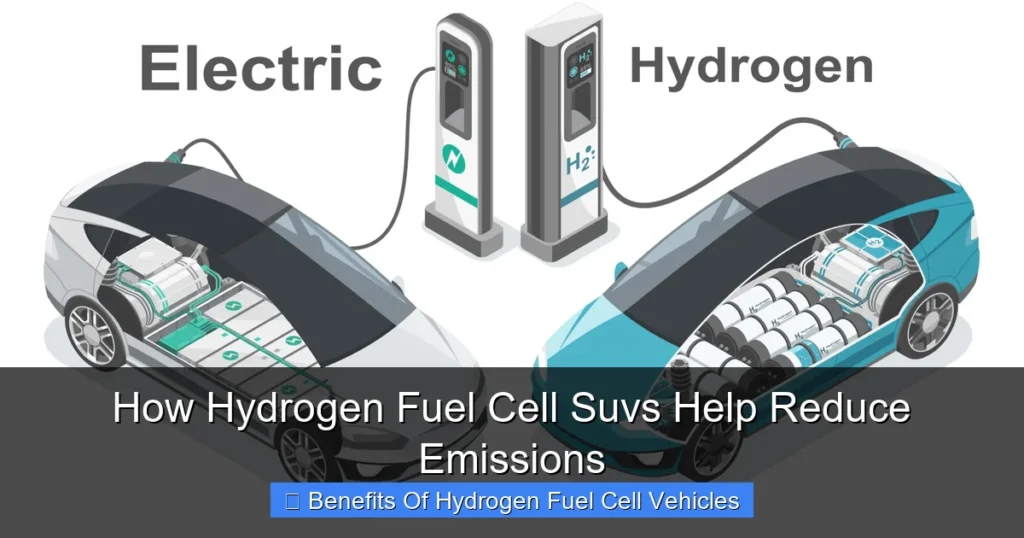
Unlike battery electric vehicles that rely on large, heavy batteries, hydrogen fuel cell SUVs generate electricity on board using hydrogen gas. This process produces only water vapor as a byproduct. No smoke, no soot, no CO₂ pouring out of the tailpipe. It’s a game-changer for drivers who want space, power, and range without the environmental guilt.
How Hydrogen Fuel Cell SUVs Work
Visual guide about How Hydrogen Fuel Cell Suvs Help Reduce Emissions
Image source: i.trade-cloud.com.cn
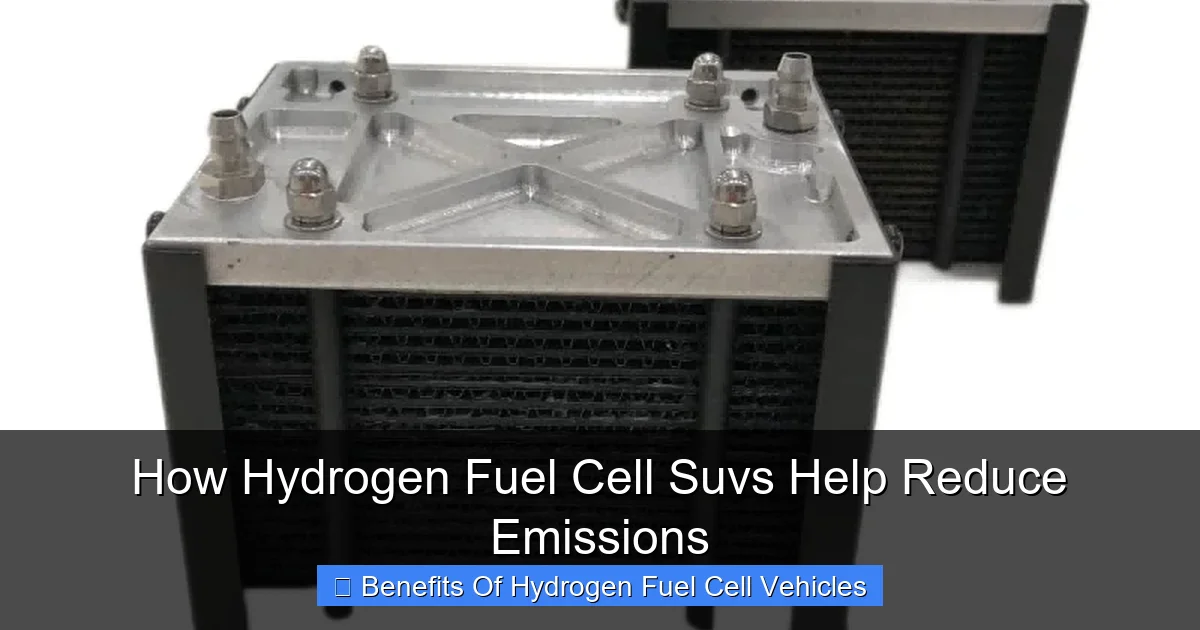
To understand how hydrogen fuel cell SUVs help reduce emissions, it’s important to know how they work. At the heart of every fuel cell vehicle is a fuel cell stack—a compact, high-tech system that converts hydrogen into electricity.
The Science Behind the Fuel Cell
Inside the fuel cell, hydrogen gas (H₂) from the onboard tank flows into the anode side of the cell. Meanwhile, oxygen from the air enters the cathode side. A catalyst—usually platinum—splits the hydrogen atoms into protons and electrons. The protons pass through a special membrane, while the electrons are forced to travel through an external circuit, creating an electric current. This electricity powers the SUV’s motor.
When the protons and electrons reunite on the other side of the membrane, they combine with oxygen to form water (H₂O)—pure, clean water vapor that exits through the tailpipe. No combustion. No pollution. Just energy and water.
Hydrogen Storage and Safety
Hydrogen is stored in high-pressure tanks, typically made of carbon fiber, which are designed to be extremely durable and safe. These tanks can hold hydrogen at pressures up to 10,000 psi (pounds per square inch), allowing for a long driving range. Modern hydrogen SUVs undergo rigorous safety testing, including crash tests and fire resistance checks, to ensure they meet or exceed automotive safety standards.
One common concern is the flammability of hydrogen. While hydrogen is indeed flammable, it’s also lighter than air and disperses quickly in the event of a leak. This makes it less likely to accumulate and ignite compared to gasoline vapors. In fact, studies by the U.S. Department of Energy show that hydrogen vehicles are as safe as conventional cars when proper protocols are followed.
Power and Performance
Hydrogen fuel cell SUVs deliver strong performance. Models like the Toyota Mirai and Hyundai NEXO offer smooth acceleration, quiet operation, and the ability to tow trailers or carry heavy loads—just like traditional SUVs. The electric motor provides instant torque, making these vehicles responsive and fun to drive.
Because they don’t rely on heavy battery packs, hydrogen SUVs can maintain a better weight balance and offer more cargo space. This makes them ideal for families, outdoor enthusiasts, and anyone who needs a versatile, high-capacity vehicle.
Environmental Benefits of Hydrogen Fuel Cell SUVs
Now let’s dive into the core reason hydrogen fuel cell SUVs are gaining attention: their environmental advantages. These vehicles are a powerful tool in the fight against climate change and air pollution.
Zero Tailpipe Emissions
The most obvious benefit is zero tailpipe emissions. Unlike gasoline SUVs that spew out CO₂, carbon monoxide, and particulate matter, hydrogen fuel cell SUVs emit only water vapor. This means cleaner air in cities, reduced smog, and lower health risks for people with asthma or respiratory conditions.
In urban areas, where traffic congestion leads to high pollution levels, switching to hydrogen SUVs could make a dramatic difference. For example, Los Angeles, a city plagued by smog, has been investing in hydrogen infrastructure to support cleaner transportation.
Lower Greenhouse Gas Emissions
While tailpipe emissions are zero, the overall environmental impact depends on how the hydrogen is produced. Currently, about 95% of hydrogen is made from natural gas through a process called steam methane reforming (SMR). This method does produce CO₂, but it’s still cleaner than burning gasoline.
However, the future is bright. “Green hydrogen”—produced using renewable energy like wind, solar, or hydropower—is becoming more affordable and accessible. When hydrogen is made this way, the entire lifecycle of the vehicle becomes nearly carbon-neutral. In fact, studies show that green hydrogen-powered SUVs can reduce lifecycle emissions by up to 70% compared to gasoline vehicles.
Countries like Germany, Japan, and Australia are investing heavily in green hydrogen production. As renewable energy costs continue to fall, green hydrogen is expected to dominate the market by 2030.
Reduced Dependence on Fossil Fuels
Hydrogen fuel cell SUVs help reduce our reliance on oil. With geopolitical tensions and price volatility in the oil market, energy independence is a major concern for many nations. Hydrogen can be produced domestically using local renewable resources, reducing the need for imported oil.
For example, Iceland generates nearly 100% of its electricity from renewable sources and is exploring hydrogen production using geothermal and hydroelectric power. Similarly, Australia is developing vast solar farms to produce hydrogen for export and domestic use.
Complementing Battery Electric Vehicles
Hydrogen SUVs aren’t meant to replace battery electric vehicles (BEVs)—they’re meant to complement them. BEVs are ideal for short commutes and city driving, but they can struggle with long distances, cold weather, and heavy loads. Hydrogen fuel cell SUVs fill these gaps.
For instance, a family planning a cross-country road trip might prefer a hydrogen SUV because of its long range and quick refueling. A construction company might choose a hydrogen-powered SUV for towing equipment without worrying about charging times.
By offering multiple clean transportation options, we can accelerate the transition away from fossil fuels.
Real-World Examples and Adoption
Hydrogen fuel cell SUVs are no longer a niche concept. Several automakers have launched production models, and governments are supporting their adoption through incentives and infrastructure development.
Leading Hydrogen SUV Models
The Toyota Mirai, launched in 2014, was one of the first mass-produced hydrogen fuel cell vehicles. The second-generation Mirai, released in 2021, offers a range of over 400 miles and a sleek, modern design. It’s available in the U.S., Japan, and parts of Europe.
Hyundai’s NEXO is another standout. With a range of 380 miles and advanced safety features, it’s one of the most advanced hydrogen SUVs on the market. Hyundai has also developed hydrogen-powered trucks and buses, showing the scalability of the technology.
Honda briefly offered the Clarity Fuel Cell, and other automakers like BMW and General Motors are developing hydrogen models for future release. Even luxury brands are getting involved—Mercedes-Benz has tested hydrogen-powered GLC SUVs in real-world conditions.
Government Support and Incentives
Governments around the world are backing hydrogen vehicles. In the U.S., California leads the way with over 50 hydrogen refueling stations and generous rebates for fuel cell vehicle buyers. The state’s Clean Vehicle Rebate Project (CVRP) offers up to $5,000 for new hydrogen SUVs.
Japan has a national hydrogen strategy and aims to have 800,000 fuel cell vehicles on the road by 2030. The government subsidizes both vehicles and refueling stations. South Korea is also investing heavily, with plans to build 1,200 hydrogen stations by 2040.
In Europe, the European Union’s “Hydrogen Strategy” supports the development of a clean hydrogen economy. Countries like Germany and France are building hydrogen highways—networks of refueling stations along major travel routes.
Fleet Adoption and Public Transit
Beyond personal vehicles, hydrogen fuel cell technology is being adopted by fleets and public transit. Cities like London and Tokyo are testing hydrogen buses. In the U.S., companies like Amazon and Walmart are exploring hydrogen-powered delivery trucks.
These large-scale applications help drive down costs and build public confidence in the technology. As more people see hydrogen vehicles in action, acceptance grows.
Challenges and How They’re Being Addressed
Despite their benefits, hydrogen fuel cell SUVs face several challenges. But progress is being made on all fronts.
Limited Refueling Infrastructure
One of the biggest hurdles is the lack of hydrogen stations. As of 2024, there are fewer than 100 public hydrogen stations in the U.S., mostly in California. This makes long-distance travel difficult for hydrogen SUV owners.
However, infrastructure is expanding. Companies like Shell, Air Liquide, and Toyota are investing in new stations. California plans to have 200 stations by 2025. In Europe and Asia, networks are growing even faster.
Mobile refueling units and home refueling systems (still in development) could also help bridge the gap.
High Production Costs
Hydrogen fuel cell SUVs are currently more expensive than gasoline or electric SUVs. The Toyota Mirai starts around $50,000, and the Hyundai NEXO is similarly priced. This is due to the cost of fuel cells, hydrogen tanks, and limited production scale.
But costs are falling. As production ramps up and technology improves, prices are expected to drop. The U.S. Department of Energy estimates that fuel cell costs could fall by 50% by 2030.
Government incentives also help. In addition to rebates, some states offer free hydrogen fuel for the first few years—making ownership more affordable.
Hydrogen Production Methods
As mentioned earlier, most hydrogen today is “gray” or “blue”—produced from natural gas. While cleaner than gasoline, it’s not truly green. The shift to green hydrogen is essential for maximizing environmental benefits.
Thankfully, renewable energy costs are plummeting. Solar and wind power are now cheaper than fossil fuels in many regions. This makes green hydrogen increasingly viable. Projects like the HyDeal Ambition in Europe aim to produce green hydrogen at $1.50 per kilogram by 2030—competitive with gasoline on an energy basis.
Public Awareness and Education
Many people still don’t know what hydrogen fuel cell vehicles are or how they work. Misconceptions about safety and performance persist.
Automakers and governments are working to educate the public. Test drive events, informational campaigns, and partnerships with environmental groups are helping spread the word.
The Future of Hydrogen Fuel Cell SUVs
The future looks bright for hydrogen fuel cell SUVs. As technology advances and infrastructure grows, these vehicles could become a mainstream choice for eco-conscious drivers.
Technological Innovations
Researchers are developing more efficient fuel cells, cheaper catalysts (to replace platinum), and better hydrogen storage methods. Solid-state hydrogen storage, for example, could allow for safer, more compact tanks.
Advances in renewable energy will also drive down the cost of green hydrogen. Floating wind farms, solar desalination plants, and geothermal hydrogen production are all on the horizon.
Expanding Market Reach
While hydrogen SUVs are currently available in select markets, global expansion is underway. China, the world’s largest auto market, is investing billions in hydrogen technology. India and Canada are also exploring hydrogen as part of their clean energy plans.
As more automakers enter the space, competition will drive innovation and lower prices. We could see hydrogen SUVs priced similarly to premium electric models within the next decade.
Integration with Smart Cities
Hydrogen fuel cell SUVs fit perfectly into the vision of smart, sustainable cities. They can be integrated with renewable energy grids, used in car-sharing programs, and paired with autonomous driving technology.
Imagine a future where your hydrogen SUV charges your home during a power outage or sells excess energy back to the grid. These possibilities are already being tested in pilot projects.
Conclusion: A Cleaner Drive Ahead
Hydrogen fuel cell SUVs are more than just a novelty—they’re a practical, powerful solution for reducing emissions and building a sustainable transportation future. With zero tailpipe emissions, long range, and fast refueling, they offer a compelling alternative to both gasoline and battery electric vehicles.
While challenges remain, progress is accelerating. Governments, automakers, and energy companies are investing in hydrogen technology like never before. As green hydrogen becomes more affordable and refueling networks expand, hydrogen SUVs will become accessible to more drivers.
For anyone concerned about climate change, air quality, or energy independence, hydrogen fuel cell SUVs represent a meaningful step forward. They prove that we don’t have to sacrifice performance or convenience to drive clean.
The road to a greener future is paved with innovation—and hydrogen fuel cell SUVs are helping lead the way.
Frequently Asked Questions
Are hydrogen fuel cell SUVs really emission-free?
Hydrogen fuel cell SUVs produce zero tailpipe emissions—only water vapor comes out of the exhaust. However, the overall environmental impact depends on how the hydrogen is produced. When made with renewable energy, they are nearly carbon-neutral.
How far can a hydrogen fuel cell SUV go on one tank?
Most hydrogen fuel cell SUVs have a range of 300 to 400 miles, similar to gasoline SUVs. For example, the Toyota Mirai can travel over 400 miles on a single fill-up.
How long does it take to refuel a hydrogen SUV?
Refueling a hydrogen SUV takes just 3 to 5 minutes—about the same time as filling up a gas tank. This is much faster than charging a battery electric vehicle.
Are hydrogen fuel cell SUVs safe?
Yes, hydrogen SUVs are designed with safety in mind. Hydrogen tanks are made of strong, lightweight materials and undergo rigorous testing. Hydrogen also disperses quickly if leaked, reducing fire risk.
Where can I refuel a hydrogen SUV?
Hydrogen refueling stations are currently concentrated in California, Japan, and parts of Europe. Infrastructure is growing, with plans to expand in the U.S., Canada, and Asia.
Are hydrogen SUVs more expensive than electric or gas SUVs?
Currently, hydrogen SUVs have a higher upfront cost, but prices are expected to drop as production scales up. Government rebates and free fuel programs can also offset the cost.