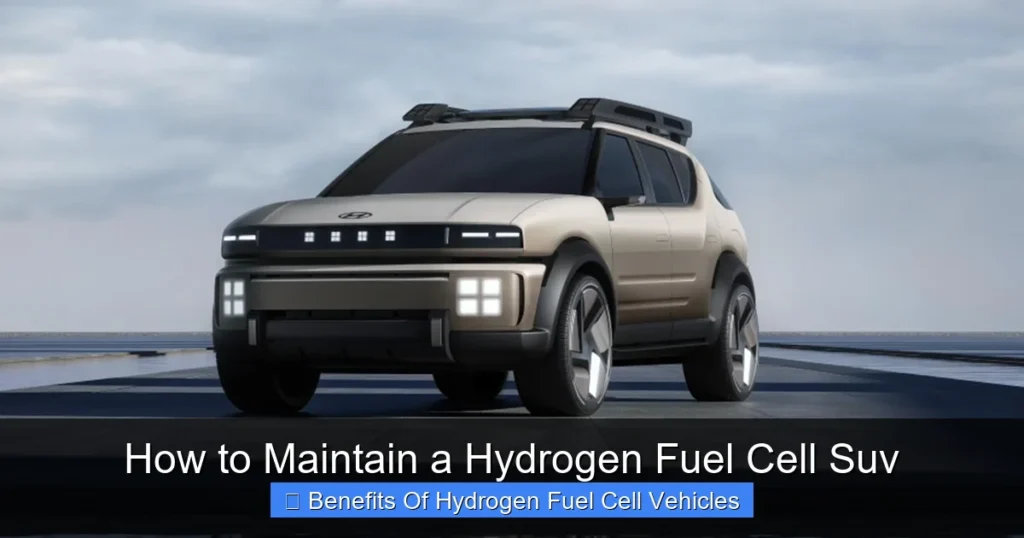
Maintaining a hydrogen fuel cell SUV is simpler than you think—fewer moving parts mean less wear and tear. With proper care, these eco-friendly vehicles deliver smooth, quiet rides and long-term reliability. This guide covers everything from refueling to software updates so you can keep your hydrogen-powered SUV running like new.
So, you’ve joined the clean transportation revolution and are cruising around in a hydrogen fuel cell SUV. Congratulations! You’re not just reducing your carbon footprint—you’re driving one of the most advanced, quiet, and efficient vehicles on the road today. But with great innovation comes a new kind of responsibility: understanding how to maintain a hydrogen fuel cell SUV properly.
Unlike traditional gas-powered SUVs or even some electric vehicles, hydrogen fuel cell SUVs operate on a unique principle. They generate electricity on board by combining hydrogen from the tank with oxygen from the air, producing only water vapor as a byproduct. This means no tailpipe emissions, no engine oil changes, and far fewer mechanical parts to wear out. Sounds like a dream, right? It is—but it still needs care.
While maintenance is generally simpler and less frequent than with internal combustion engines, there are specific practices that keep your hydrogen SUV running smoothly, safely, and efficiently for years. From where and how you refuel to how you store the vehicle during long trips or off-seasons, every detail matters. This guide walks you through the essentials of maintaining your hydrogen fuel cell SUV—so you can enjoy every mile with confidence.
Key Takeaways
- Refuel at certified hydrogen stations: Always use approved, high-purity hydrogen to prevent contamination and protect the fuel cell stack.
- Keep the fuel cell stack clean and dry: Moisture and debris can reduce efficiency—regular inspections help avoid long-term damage.
- Monitor the cooling system closely: The fuel cell generates heat; a well-maintained coolant loop ensures optimal operating temperatures.
- Follow manufacturer service schedules: Even with fewer fluids and parts, scheduled checkups catch issues early and maintain warranty coverage.
- Store your SUV properly when not in use: Long-term parking requires specific steps to preserve the fuel cell and battery health.
- Update software regularly: Over-the-air updates improve performance, safety, and energy management—don’t skip them.
- Drive gently during cold starts: Allow the system to warm up gradually to reduce stress on components in low temperatures.
📑 Table of Contents
Understanding How a Hydrogen Fuel Cell SUV Works
Before diving into maintenance, it helps to understand what makes your hydrogen SUV tick. At its core, a hydrogen fuel cell vehicle (FCEV) uses a fuel cell stack to convert hydrogen gas into electricity. This electricity powers an electric motor—just like in a battery-electric vehicle—but instead of storing all the energy in a large battery, the FCEV generates it on demand.
The process starts when high-purity hydrogen is pumped into a high-pressure tank, typically located under the vehicle. From there, hydrogen flows into the fuel cell stack, where it meets oxygen from the air. A chemical reaction occurs across a proton exchange membrane (PEM), producing electricity, heat, and water. The electricity powers the motor, while the water exits as harmless vapor through the tailpipe. Excess energy may be stored in a small lithium-ion battery for acceleration or hill climbing.
Because there’s no combustion, there’s no engine oil, no spark plugs, no exhaust system to clog, and no transmission fluid to change. That’s a huge win for maintenance. But the fuel cell stack, hydrogen storage system, cooling system, and electrical components still require attention. Think of it like a high-tech appliance—simple to use, but it needs the right environment and care to last.
Key Components That Need Attention
While many traditional maintenance tasks disappear, a few critical systems remain:
- Fuel cell stack: The heart of the vehicle. It must stay clean, dry, and free of contaminants.
- Hydrogen storage tank: Made of carbon fiber and designed to withstand extreme pressure. Inspections ensure integrity.
- Cooling system: Keeps the fuel cell at optimal temperature (usually 60–80°C). Overheating can degrade performance.
- Air intake and filtration: Delivers clean oxygen to the fuel cell. Dust or moisture can interfere with the reaction.
- High-voltage electrical system: Includes the traction motor, inverter, and auxiliary battery. Requires periodic checks.
- Software and control systems: Manage everything from fuel flow to regenerative braking. Updates improve efficiency and safety.
Understanding these components helps you appreciate why certain maintenance steps are so important—even if they seem minor.
Refueling Best Practices for Longevity
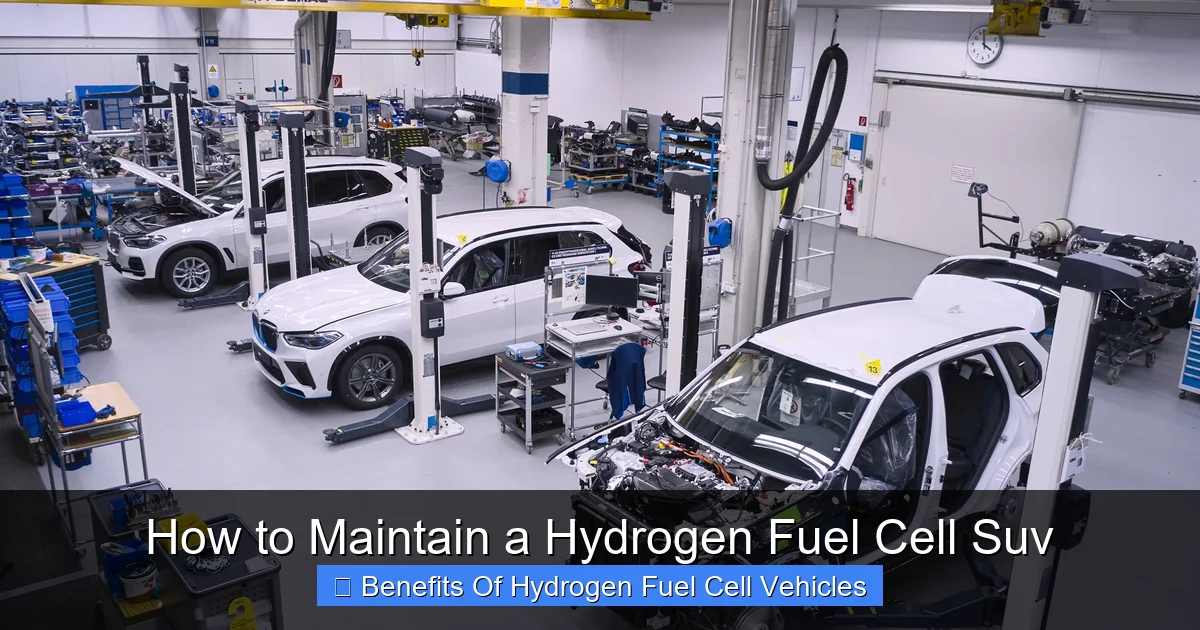
Visual guide about How to Maintain a Hydrogen Fuel Cell Suv
Image source: images.hgmsites.net
One of the most important aspects of maintaining a hydrogen fuel cell SUV is how and where you refuel. Unlike gasoline, hydrogen must be extremely pure—any impurities can damage the fuel cell stack over time. That’s why using certified hydrogen refueling stations isn’t just recommended—it’s essential.
Hydrogen stations are still growing in number, but they’re expanding rapidly in regions like California, Japan, South Korea, and parts of Europe. These stations use advanced compression and filtration systems to deliver hydrogen at 700 bar (10,000 psi) pressure, ensuring it meets SAE J2719 standards for purity. Always look for stations that display certification from recognized bodies like the California Air Resources Board (CARB) or ISO standards.
How to Refuel Safely and Correctly
When you pull up to a hydrogen station, follow these steps:
- Turn off the vehicle and engage the parking brake. This prevents accidental movement during refueling.
- Ground the nozzle. Static electricity can be dangerous with hydrogen. Most modern nozzles do this automatically, but double-check.
- Connect the nozzle securely. Listen for a click or confirmation tone. Never force the connection.
- Let the system do its work. Refueling takes 3–5 minutes—similar to gasoline. Avoid leaving the vehicle unattended.
- Wait for the automatic shutoff. The station will stop when the tank is full or reaches safe pressure.
- Disconnect and replace the cap. Ensure the port is sealed to prevent contamination.
Avoid “topping off” or overfilling. Hydrogen expands with heat, and over-pressurization can damage the tank or safety valves. Most modern FCEVs have built-in safeguards, but it’s still best to let the system manage fill levels.
What to Avoid When Refueling
- Using uncertified or mobile hydrogen sources: These may not meet purity standards and could introduce moisture or particulates.
- Refueling in extreme weather: Very cold or hot conditions can affect pressure readings and hydrogen density. If possible, refuel during mild temperatures.
- Ignoring error messages: If the station displays a warning or fails to start, don’t force it. Report the issue and try another station.
- Smoking or using open flames nearby: Hydrogen is highly flammable. Even though modern systems are safe, basic safety rules apply.
By treating refueling like a precision process—not just a quick stop—you protect your fuel cell and extend its lifespan.
Maintaining the Fuel Cell Stack and Air Intake
The fuel cell stack is the most sensitive and expensive component in your hydrogen SUV. It’s made up of hundreds of thin membranes and catalysts that facilitate the hydrogen-oxygen reaction. Even tiny amounts of contamination—like dust, salt, or moisture—can reduce efficiency or cause permanent damage.
Keeping the Stack Clean and Dry
While you can’t open the fuel cell stack yourself (it’s sealed and serviced only by certified technicians), you can help keep it in top condition:
- Park in clean, dry areas: Avoid muddy lots, construction zones, or areas with heavy road salt. These can introduce contaminants through the air intake.
- Use a car cover in harsh climates: If you live in a snowy or dusty region, a breathable cover protects the exterior and reduces debris buildup.
- Wash the vehicle regularly: Focus on the front grille and underbody where air intakes are located. Use low-pressure water to avoid forcing moisture into sensitive areas.
- Avoid idling in dusty environments: Prolonged idling with dirty air can clog filters faster.
Most hydrogen SUVs have air filters designed to trap particulates before they reach the fuel cell. These should be inspected during routine service—typically every 15,000 to 30,000 miles, depending on driving conditions.
Monitoring for Performance Issues
Your vehicle’s dashboard will alert you to most problems, but stay alert for these signs:
- Reduced range: If you notice a sudden drop in miles per kilogram of hydrogen, it could indicate a clogged filter or moisture in the stack.
- Unusual noises: Hissing, gurgling, or clicking from under the hood may point to air or coolant flow issues.
- Warning lights: The “Check Fuel Cell” or “Service Required” light should never be ignored. Schedule service immediately.
- Slow acceleration: Could signal reduced power output from the fuel cell or battery.
Early detection saves money. A minor filter replacement costs far less than a damaged fuel cell stack, which can run into the thousands.
Caring for the Cooling and Electrical Systems
Hydrogen fuel cells generate heat—just like any energy-producing system. If they overheat, performance drops, and components degrade faster. That’s why the cooling system is critical. Unlike a gas engine, which uses a water pump and radiator, FCEVs often use a dedicated coolant loop with specialized fluids designed to handle high voltages and low conductivity.
Coolant System Maintenance
The coolant in a hydrogen SUV isn’t just for temperature control—it also insulates high-voltage components. Using the wrong type can cause electrical shorts or corrosion.
- Use only manufacturer-approved coolant: Never mix coolants or use generic brands. Check your owner’s manual for specifications.
- Check levels regularly: While leaks are rare, inspect the reservoir monthly. Low levels may indicate a problem.
- Flush and replace as recommended: Most manufacturers suggest a coolant change every 60,000 to 100,000 miles. This removes contaminants and refreshes additives.
- Inspect hoses and seals: Look for cracks, bulges, or leaks during routine checks. Replace damaged parts promptly.
If you notice the temperature gauge rising above normal or the cooling fans running constantly, have the system inspected. Overheating can warp fuel cell plates and ruin the membrane.
High-Voltage Electrical System Care
Your hydrogen SUV relies on a high-voltage battery (usually 300–400 volts) to store excess energy and assist during acceleration. While these systems are sealed and durable, they still need attention:
- Avoid deep discharges: Letting the battery drop to 0% can reduce its lifespan. Most FCEVs prevent this, but it’s still good practice to keep it above 20%.
- Keep connectors clean: Dust or corrosion on charging ports (if applicable) can cause resistance and overheating.
- Watch for warning lights: The high-voltage warning symbol means immediate service is needed. Do not attempt DIY repairs.
- Store in moderate temperatures: Extreme cold reduces battery efficiency. If parking for weeks, consider a climate-controlled garage.
Remember: high-voltage systems are dangerous. Only trained technicians should perform repairs or inspections.
Software Updates and Diagnostic Checks
Modern hydrogen SUVs are as much computer as machine. The vehicle’s software controls everything from hydrogen flow rate to regenerative braking efficiency. Manufacturers regularly release over-the-air (OTA) updates to improve performance, fix bugs, and enhance safety.
Why Updates Matter
Skipping software updates is like ignoring a doctor’s prescription—it might seem fine now, but problems can build up. Updates can:
- Improve fuel cell efficiency by 5–10%
- Fix glitches in the dashboard or infotainment system
- Enhance cold-weather startup performance
- Add new features like remote climate control
- Strengthen cybersecurity protections
Most updates are automatic and take just minutes. You’ll usually get a notification on your dashboard or smartphone app. If your vehicle doesn’t support OTA updates, visit a service center every 6–12 months for a manual check.
Routine Diagnostic Scans
Even if no warning lights are on, periodic diagnostic scans help catch hidden issues. These can detect:
- Minor leaks in the hydrogen system
- Early signs of membrane degradation
- Battery cell imbalances
- Sensor malfunctions
Many dealerships offer free or low-cost scans during service visits. Think of it as a “check-up” for your vehicle’s digital health.
Long-Term Storage and Seasonal Care
If you’re not driving your hydrogen SUV for weeks or months—say, during a long trip or winter hibernation—special care is needed. Unlike gasoline cars, FCEVs can’t just sit idle without consequences.
Preparing for Storage
Follow these steps before long-term parking:
- Refuel to 50–70%: A full tank can stress seals over time; too little risks moisture buildup. Aim for a mid-level fill.
- Charge the auxiliary battery: The 12V battery powers electronics. Use a trickle charger if storing over 30 days.
- Clean the vehicle thoroughly: Remove dirt, salt, and debris to prevent corrosion.
- Disable non-essential systems: Turn off alarms, GPS, and infotainment to reduce drain.
- Use a breathable car cover: Protects from dust and UV rays without trapping moisture.
- Start the vehicle monthly: Run it for 10–15 minutes to circulate coolant and recharge systems.
Winter and Cold Weather Tips
Cold weather affects hydrogen SUVs differently than gas cars:
- Precondition the cabin: Use the app to heat the interior while plugged in. This reduces strain on the fuel cell.
- Allow gradual warm-up: Drive gently for the first 5–10 minutes. Sudden acceleration can stress cold components.
- Clear snow from sensors and intakes: Blocked air flow reduces efficiency.
- Use winter tires: Improved traction helps the electric motor perform better on icy roads.
With proper care, your hydrogen SUV will start reliably even in sub-zero temperatures.
Conclusion
Maintaining a hydrogen fuel cell SUV is a blend of high-tech awareness and simple habits. While you’ll never need an oil change or exhaust repair, you do need to respect the unique systems that make these vehicles so clean and efficient. From using certified hydrogen stations to keeping the fuel cell stack clean and updating software regularly, every step contributes to long-term performance and reliability.
The future of transportation is here—and it runs on water vapor. By following this guide, you’re not just preserving your investment; you’re supporting a cleaner, quieter, and more sustainable way to drive. So keep refueling smart, stay alert to warnings, and enjoy the smooth, silent ride that only a hydrogen fuel cell SUV can deliver.
Frequently Asked Questions
How often should I service my hydrogen fuel cell SUV?
Most manufacturers recommend service every 15,000 to 30,000 miles, focusing on coolant, filters, and diagnostics. Even with fewer parts, regular checkups prevent small issues from becoming costly repairs.
Can I wash my hydrogen SUV like a regular car?
Yes, but avoid high-pressure water near the hydrogen port, air intakes, or underbody sensors. Use gentle washing methods and dry thoroughly to prevent moisture buildup.
What happens if I run out of hydrogen?
Your SUV will gradually lose power and eventually stop, similar to running out of gas. Most models have a reserve range of 10–20 miles and will alert you well in advance.
Is it safe to park a hydrogen SUV in a garage?
Yes, as long as the garage is well-ventilated. Hydrogen is lighter than air and disperses quickly, but enclosed spaces should have proper airflow to prevent any buildup.
Can I perform my own maintenance on a hydrogen SUV?
Basic tasks like checking coolant levels or cleaning the exterior are fine, but fuel cell, hydrogen system, and high-voltage repairs must be done by certified technicians for safety and warranty reasons.
Do hydrogen SUVs lose range in cold weather?
Slightly—cold temperatures can reduce fuel cell efficiency by 5–10%. Preconditioning the cabin and driving gently at startup helps minimize the impact.