Hydrogen fuel cell SUVs offer impressive driving ranges—often exceeding 300 miles per tank—with zero emissions and fast refueling times. This article compares the top models, explores real-world performance, and highlights why hydrogen-powered SUVs are a smart choice for eco-conscious drivers seeking long-range capability without compromise.
Key Takeaways
- Hydrogen fuel cell SUVs typically offer 300–400 miles of driving range: Most current models can travel between 300 and 400 miles on a single tank, rivaling or exceeding many gasoline-powered SUVs.
- Refueling is fast—just 3–5 minutes: Unlike electric vehicles that take hours to charge, hydrogen SUVs can be refueled in under five minutes, similar to traditional gas vehicles.
- Zero tailpipe emissions make them environmentally friendly: The only byproduct of hydrogen fuel cells is water vapor, making these SUVs a clean alternative for reducing carbon footprints.
- Performance remains strong in cold weather: Unlike battery EVs, hydrogen fuel cell vehicles maintain consistent range and efficiency in cold climates.
- Infrastructure is growing but still limited: While hydrogen refueling stations are expanding, they’re currently concentrated in California and parts of Europe, which may affect long-distance travel.
- Government incentives can reduce ownership costs: Many regions offer tax credits, rebates, and access to carpool lanes for hydrogen vehicle owners.
- Long-term durability and low maintenance are key benefits: Fuel cell systems have fewer moving parts than internal combustion engines, leading to lower maintenance needs over time.
📑 Table of Contents
- Hydrogen Fuel Cell SUV Driving Range Compared: The Future of Clean, Long-Distance Travel
- How Hydrogen Fuel Cell Technology Works
- Top Hydrogen Fuel Cell SUVs and Their Driving Ranges
- Real-World Driving Range: What to Expect
- Refueling Hydrogen SUVs: Speed and Convenience
- Environmental and Economic Benefits
- Challenges and Considerations
- Conclusion: Is a Hydrogen Fuel Cell SUV Right for You?
Hydrogen Fuel Cell SUV Driving Range Compared: The Future of Clean, Long-Distance Travel
Imagine driving an SUV that can go over 350 miles on a single tank, refuels in under five minutes, and emits nothing but water vapor. Sounds like science fiction? It’s not—it’s the reality of hydrogen fuel cell SUVs. As the world shifts toward sustainable transportation, hydrogen-powered vehicles are emerging as a powerful alternative to both gasoline and battery-electric SUVs. While electric vehicles (EVs) have dominated the green car conversation, hydrogen fuel cell technology offers unique advantages, especially when it comes to driving range and convenience.
Hydrogen fuel cell SUVs combine the best of both worlds: the long-range capability of traditional gas-powered vehicles and the environmental benefits of zero-emission driving. Unlike battery EVs, which can lose range in cold weather or take hours to recharge, hydrogen SUVs maintain consistent performance and can be refueled in minutes. This makes them ideal for road trips, rural driving, or anyone who values time and flexibility. In this article, we’ll dive deep into how hydrogen fuel cell SUV driving range compares across the top models on the market, explore real-world performance, and help you understand whether this technology is right for your lifestyle.
How Hydrogen Fuel Cell Technology Works
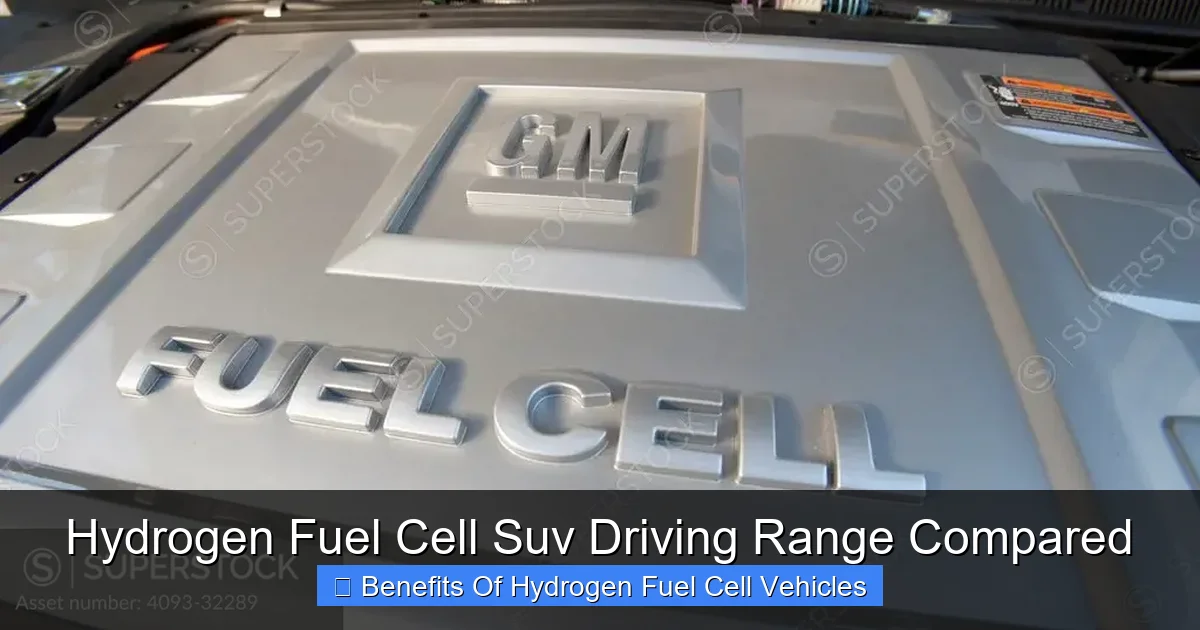
Visual guide about Hydrogen Fuel Cell Suv Driving Range Compared
Image source: cdn.superstock.com
Before comparing driving ranges, it’s important to understand how hydrogen fuel cell SUVs actually work. At their core, these vehicles use a fuel cell stack to convert hydrogen gas into electricity, which then powers an electric motor. The process is clean, quiet, and highly efficient. Here’s a simple breakdown:
Hydrogen gas is stored in high-pressure tanks within the vehicle. When you start driving, the hydrogen flows into the fuel cell stack, where it reacts with oxygen from the air. This chemical reaction produces electricity, water vapor, and heat. The electricity powers the motor, while the water vapor exits through the tailpipe—literally the only emission. The heat is managed by the vehicle’s cooling system.
One of the biggest advantages of this system is its simplicity. There are no heavy batteries to charge, no long waits at charging stations, and no range anxiety during long drives. The fuel cell stack is compact and lightweight, allowing automakers to design spacious SUVs without sacrificing cargo or passenger room. Plus, because the energy comes from hydrogen—not combustion—there’s no engine noise, no vibrations, and no harmful pollutants.
Energy Density: Why Hydrogen Excels in Range
One reason hydrogen fuel cell SUVs can achieve such impressive driving ranges is the high energy density of hydrogen. Energy density refers to how much energy a fuel can store per unit of weight or volume. Hydrogen has one of the highest energy densities by weight—about three times more than gasoline. This means a small amount of hydrogen can store a lot of energy, allowing vehicles to travel farther without needing large, heavy fuel tanks.
For example, the Toyota Mirai, a hydrogen-powered sedan, stores about 5.6 kilograms of hydrogen in its tanks. That’s enough to power the car for over 400 miles. In an SUV, which typically requires more energy due to size and weight, manufacturers use larger tanks or more efficient fuel cells to maintain strong range numbers. The Hyundai NEXO, for instance, carries 6.3 kilograms of hydrogen and achieves a range of up to 380 miles. That’s comparable to many full-size gasoline SUVs, but with zero emissions.
Efficiency Compared to Gasoline and Electric Vehicles
When it comes to efficiency, hydrogen fuel cell vehicles sit in an interesting middle ground. They’re more efficient than gasoline engines—typically converting 60% of the energy in hydrogen into usable power, compared to about 20–30% for internal combustion engines. However, they’re less efficient than battery EVs, which can convert over 77% of grid energy into motion.
The difference comes from energy losses during hydrogen production, transportation, and conversion. Most hydrogen today is produced from natural gas, a process that emits carbon. But “green hydrogen,” made using renewable energy to split water molecules, is becoming more common and significantly reduces the carbon footprint. As green hydrogen production scales up, the overall efficiency and sustainability of fuel cell vehicles will improve.
Despite these losses, the convenience and range of hydrogen SUVs make them a compelling option, especially for drivers who need long-range capability and fast refueling. For many, the trade-off in efficiency is worth it for the freedom to drive farther and refuel faster.
Top Hydrogen Fuel Cell SUVs and Their Driving Ranges
Now let’s look at the current lineup of hydrogen fuel cell SUVs and how their driving ranges stack up. While the market is still small compared to EVs or gas vehicles, several manufacturers have introduced capable, high-range models that are worth considering.
Hyundai NEXO: The Range Leader
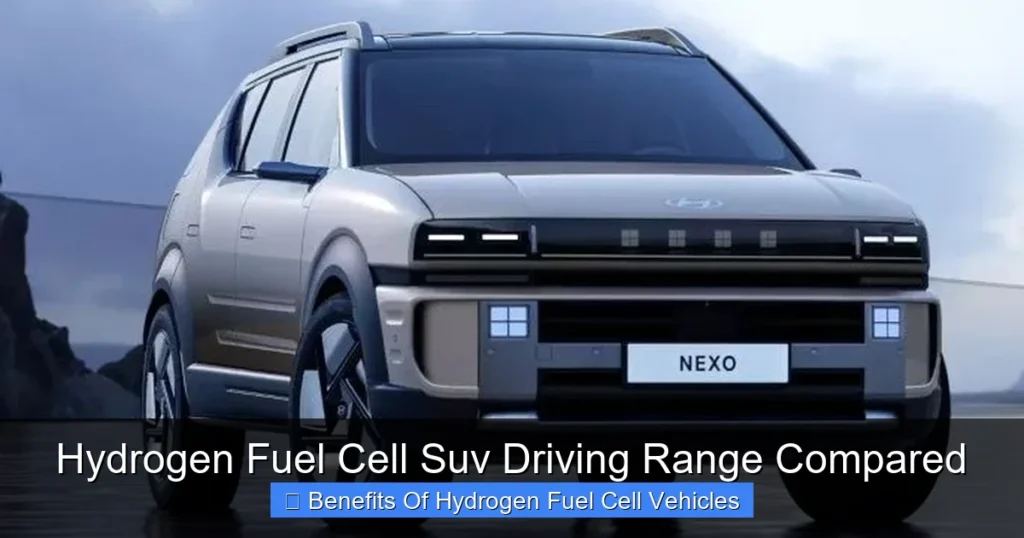
The Hyundai NEXO is currently one of the most advanced hydrogen SUVs on the market. Available in select regions like California and parts of Europe, the NEXO offers a combined driving range of up to 380 miles (611 km) on the EPA cycle. That’s impressive for an SUV that seats five comfortably and includes premium features like a panoramic sunroof, advanced driver assistance systems, and a futuristic interior design.
The NEXO uses a 95-kilowatt fuel cell stack and a 1.56-kilowatt-hour battery to assist during acceleration. This hybrid approach improves efficiency and performance, especially in stop-and-go traffic. In real-world testing, drivers have reported ranges between 350 and 370 miles, depending on driving style, terrain, and weather. The vehicle also features a heat pump system that improves cold-weather performance, helping maintain range in winter months.
One standout feature of the NEXO is its air purification system. The SUV can filter out fine dust and pollutants from the air as it drives, effectively cleaning the environment while you travel. It’s a small but meaningful benefit that highlights Hyundai’s commitment to sustainability beyond just zero emissions.
Toyota Mirai: A Sedan with SUV Ambitions
While the Toyota Mirai is technically a sedan, its platform and technology are closely related to future hydrogen SUVs. The latest Mirai (2023 model) offers a range of up to 402 miles (647 km), making it one of the longest-range hydrogen vehicles available. Toyota has hinted at expanding its hydrogen lineup to include SUVs, and the Mirai’s success suggests strong potential for a hydrogen-powered RAV4 or Highlander in the future.
The Mirai’s range comes from a more efficient fuel cell system and larger hydrogen tanks. It stores 5.6 kilograms of hydrogen at 10,000 psi, allowing it to travel farther than its predecessor. In real-world conditions, drivers report ranges between 370 and 390 miles, especially on highway drives. The sedan also features a refined ride, quiet cabin, and advanced safety tech, making it a comfortable choice for long-distance travel.
Honda CR-V Fuel Cell: The Upcoming Contender
Honda has announced plans to launch a hydrogen fuel cell version of its popular CR-V SUV in 2024. While exact range figures haven’t been released, early estimates suggest it could achieve 300–350 miles per tank. The CR-V Fuel Cell will likely use a next-generation fuel cell stack developed in partnership with General Motors, which promises higher efficiency and lower costs.
One exciting feature of the new CR-V Fuel Cell is its dual-power capability. In addition to running on hydrogen, the vehicle will include a plug-in hybrid system, allowing it to operate in battery-only mode for short trips. This flexibility could make it appealing to drivers who want the range of hydrogen but also the convenience of home charging for daily commutes.
Mercedes-Benz GLC F-CELL: A Plug-In Hybrid Approach
Mercedes-Benz took a different approach with the GLC F-CELL, a hydrogen fuel cell SUV that also includes a plug-in battery. The vehicle can run on hydrogen for about 310 miles or on battery power for up to 31 miles. This hybrid design offers the best of both worlds: long-range capability for road trips and zero-emission electric driving for city use.
The GLC F-CELL was available in limited numbers in Europe and California, but production has slowed as Mercedes shifts focus to battery EVs. Still, the concept remains relevant—combining hydrogen and battery technology could be the future for SUVs that need both range and flexibility.
Future Models: What’s on the Horizon?
Several automakers are developing hydrogen SUVs for future release. General Motors has partnered with Honda and Nikola to expand hydrogen vehicle offerings, including heavy-duty trucks and SUVs. BMW has tested a hydrogen version of the X5, with plans for a production model in the coming years. Even luxury brands like Audi and Genesis are exploring hydrogen technology for their SUV lineups.
As fuel cell efficiency improves and hydrogen infrastructure grows, we can expect more models with even greater ranges—potentially exceeding 450 miles per tank. These vehicles will likely feature lighter materials, more compact fuel cell stacks, and advanced energy management systems to maximize efficiency.
Real-World Driving Range: What to Expect
While EPA estimates provide a useful benchmark, real-world driving range can vary based on several factors. Understanding these variables can help you get the most out of your hydrogen fuel cell SUV.
Driving Style and Terrain
Aggressive driving—frequent acceleration and high speeds—can reduce range by 10–20%. Similarly, driving in hilly or mountainous areas requires more energy, which can shorten your range. On the other hand, smooth, steady driving on flat highways can help you achieve or even exceed EPA estimates.
For example, a driver who cruises at 65 mph on a flat highway may get closer to 400 miles in a Toyota Mirai, while someone who frequently accelerates and brakes in city traffic might see closer to 350 miles. Using cruise control and anticipating traffic can help maximize efficiency.
Weather Conditions
Cold weather can affect all vehicles, but hydrogen fuel cell SUVs handle it better than battery EVs. While EVs can lose 20–40% of their range in freezing temperatures due to battery inefficiency and cabin heating, hydrogen vehicles maintain more consistent performance. The fuel cell generates its own heat, which can be used to warm the cabin, reducing the need for additional energy.
That said, extreme cold can still impact range slightly—by about 5–10%—due to increased air density and rolling resistance. Preconditioning the cabin while the vehicle is still connected to a hydrogen station (if supported) can help reduce energy use during driving.
Cargo and Passenger Load
Like any vehicle, carrying heavy loads or multiple passengers reduces efficiency. Every extra 100 pounds can decrease range by 1–2%. If you’re planning a long trip with full cargo and five passengers, expect a modest reduction in range. Packing light and removing unnecessary items from the roof rack can help offset this.
Fuel Cell Degradation Over Time
Over thousands of miles, fuel cell stacks can degrade slightly, reducing efficiency and range. However, modern fuel cells are designed to last 150,000 to 200,000 miles with minimal performance loss. Hyundai and Toyota both offer warranties that cover the fuel cell system for 8 years or 100,000 miles, giving owners peace of mind.
Regular maintenance—such as keeping the air filters clean and ensuring proper coolant levels—can help prolong the life of the fuel cell and maintain optimal range.
Refueling Hydrogen SUVs: Speed and Convenience
One of the biggest advantages of hydrogen fuel cell SUVs is how quickly they can be refueled. Unlike electric vehicles that require 30 minutes to several hours to recharge, hydrogen SUVs can be filled in just 3 to 5 minutes—about the same time it takes to fill a gas tank.
How Hydrogen Refueling Works
Refueling a hydrogen SUV is simple and safe. You drive up to a hydrogen station, connect the dispenser nozzle to the vehicle’s fuel port, and press a button to start the process. The station pumps compressed hydrogen gas into the vehicle’s tanks at high pressure (typically 700 bar or 10,000 psi). The entire process is automated and takes just a few minutes.
Most hydrogen stations are equipped with safety systems that monitor pressure, temperature, and leaks. The nozzles are designed to prevent overfilling, and the tanks are built to withstand extreme conditions. In the rare event of a leak, hydrogen disperses quickly into the air—unlike gasoline, which pools and poses a fire risk.
Where to Find Hydrogen Stations
Currently, hydrogen refueling infrastructure is limited but growing. In the United States, most stations are in California, with over 50 public stations in the state. There are also a handful in Hawaii and the Northeast. In Europe, countries like Germany, France, and the UK are expanding their networks, with Germany aiming for 100 stations by 2025.
For long-distance travel, planning is essential. Apps like H2.Live and PlugShare can help you locate hydrogen stations along your route. Some automakers, like Toyota and Hyundai, offer route planning tools that include refueling stops.
Cost of Hydrogen Fuel
The cost of hydrogen varies by region but typically ranges from $12 to $16 per kilogram. Since most SUVs use about 1 kilogram per 60–70 miles, a full tank costs around $70 to $100 and can take you 300–400 miles. That’s comparable to gasoline on a per-mile basis, though prices can fluctuate based on production methods and local taxes.
As green hydrogen becomes more common and production scales up, costs are expected to decrease. Government incentives and subsidies can also help offset fuel expenses for early adopters.
Environmental and Economic Benefits
Beyond range and convenience, hydrogen fuel cell SUVs offer significant environmental and economic advantages.
Zero Tailpipe Emissions
The most obvious benefit is zero tailpipe emissions. Unlike gasoline vehicles that emit carbon dioxide, nitrogen oxides, and particulates, hydrogen SUVs produce only water vapor. This makes them ideal for improving air quality in cities and reducing greenhouse gas emissions.
When powered by green hydrogen—produced using renewable energy—the entire lifecycle emissions of these vehicles are extremely low. Even when hydrogen is made from natural gas, the overall emissions are still lower than gasoline vehicles, especially when combined with carbon capture technology.
Reduced Dependence on Fossil Fuels
Hydrogen can be produced from a variety of sources, including water, biomass, and renewable electricity. This reduces reliance on imported oil and enhances energy security. As hydrogen production becomes more decentralized, communities can generate their own fuel using local solar or wind power.
Government Incentives and Support
Many governments offer incentives to encourage hydrogen vehicle adoption. In the U.S., buyers may qualify for federal tax credits of up to $8,000, plus state rebates and access to carpool lanes. California offers additional rebates of up to $5,000 through the Clean Vehicle Rebate Project. Similar programs exist in Europe and Asia.
These incentives, combined with low maintenance costs and long vehicle lifespans, make hydrogen SUVs an attractive long-term investment.
Challenges and Considerations
Despite their benefits, hydrogen fuel cell SUVs face several challenges that potential buyers should consider.
Limited Refueling Infrastructure
The biggest barrier is the lack of hydrogen stations. Outside of California and parts of Europe, finding a place to refuel can be difficult. This makes long-distance travel challenging and limits the practicality of hydrogen SUVs in rural or remote areas.
However, infrastructure is expanding. Governments and private companies are investing billions in hydrogen production and distribution. By 2030, hundreds of new stations are expected to open across the U.S., Europe, and Asia.
Higher Upfront Cost
Hydrogen SUVs are currently more expensive than comparable gasoline or electric SUVs. The Hyundai NEXO starts around $60,000, and the Toyota Mirai is similarly priced. This is due to the high cost of fuel cell technology and limited production volumes.
As manufacturing scales up and technology improves, prices are expected to fall. Leasing programs and incentives can also help make these vehicles more accessible.
Hydrogen Production Methods
Not all hydrogen is created equal. “Grey hydrogen,” made from natural gas, still produces carbon emissions. “Blue hydrogen” uses carbon capture to reduce emissions, while “green hydrogen” is fully renewable. Buyers should consider the source of hydrogen in their region and support policies that promote green production.
Conclusion: Is a Hydrogen Fuel Cell SUV Right for You?
Hydrogen fuel cell SUVs offer a unique combination of long driving range, fast refueling, and zero emissions. With ranges of 300–400 miles and refueling times under five minutes, they’re ideal for drivers who want the convenience of a gas vehicle without the environmental impact. Models like the Hyundai NEXO and Toyota Mirai prove that this technology is not only viable but highly capable.
While challenges like limited infrastructure and higher costs remain, the future looks bright. As hydrogen production becomes greener and refueling networks expand, these SUVs could become a mainstream choice for eco-conscious families and long-distance travelers.
If you live in an area with hydrogen stations, value long-range capability, and want to reduce your carbon footprint, a hydrogen fuel cell SUV might be the perfect fit. It’s not just a vehicle—it’s a step toward a cleaner, more sustainable future.
Frequently Asked Questions
How far can a hydrogen fuel cell SUV go on one tank?
Most hydrogen fuel cell SUVs can travel between 300 and 400 miles on a single tank, depending on the model and driving conditions. The Hyundai NEXO offers up to 380 miles, while the Toyota Mirai achieves over 400 miles.
How long does it take to refuel a hydrogen SUV?
Refueling a hydrogen SUV takes just 3 to 5 minutes, similar to filling up a gasoline vehicle. This is much faster than charging an electric SUV, which can take 30 minutes to several hours.
Are hydrogen fuel cell SUVs good in cold weather?
Yes, hydrogen SUVs perform well in cold weather. Unlike electric vehicles, they don’t lose significant range in freezing temperatures and can use waste heat from the fuel cell to warm the cabin.
Where can I refuel a hydrogen SUV?
Hydrogen refueling stations are currently concentrated in California, parts of Europe, and a few other regions. Use apps like H2.Live or PlugShare to find stations near you.
Are hydrogen SUVs more expensive than electric SUVs?
Yes, hydrogen SUVs typically have a higher upfront cost due to advanced fuel cell technology. However, government incentives and low maintenance costs can help offset the price difference over time.
What are the environmental benefits of hydrogen SUVs?
Hydrogen SUVs produce zero tailpipe emissions—only water vapor. When powered by green hydrogen, they offer a nearly carbon-free transportation option, helping reduce air pollution and greenhouse gas emissions.