Hydrogen fuel cell SUVs combine zero-emission driving with impressive performance, offering long ranges, quick refueling, and powerful acceleration. These vehicles are leading the shift toward sustainable transportation without sacrificing power or convenience.
Key Takeaways
- Zero Emissions: Hydrogen fuel cell SUVs produce only water vapor, making them one of the cleanest vehicle options available.
- Long Driving Range: Many models offer 300–400 miles per fill, rivaling traditional gasoline SUVs.
- Fast Refueling: Refill in 3–5 minutes—much quicker than electric vehicle charging.
- Strong Performance: Instant torque from electric motors delivers smooth, powerful acceleration.
- Quiet Operation: Enjoy a near-silent ride with minimal engine noise.
- Growing Infrastructure: Hydrogen stations are expanding, especially in California, Japan, and parts of Europe.
- Government Incentives: Buyers may qualify for tax credits and rebates in select regions.
📑 Table of Contents
- Introduction: The Future of Clean, High-Performance Driving
- How Hydrogen Fuel Cell SUVs Work
- Top Hydrogen Fuel Cell SUVs with the Best Performance
- Performance Benefits of Hydrogen Fuel Cell SUVs
- Charging vs. Refueling: Why Hydrogen Wins for Long Trips
- Environmental and Economic Benefits
- The Road Ahead: What’s Next for Hydrogen SUVs?
- Conclusion: Power, Performance, and a Cleaner Planet
Introduction: The Future of Clean, High-Performance Driving
Imagine driving a powerful SUV that can go from 0 to 60 mph in under six seconds, travel over 350 miles on a single tank, and refuel in less time than it takes to grab a coffee—all while emitting nothing but clean water vapor. Sounds like science fiction? It’s not. Welcome to the world of hydrogen fuel cell SUVs with the best performance.
These vehicles are redefining what it means to drive green. Unlike battery-electric SUVs that rely on lengthy charging sessions, hydrogen-powered models refuel in minutes, just like a gas-powered car. And unlike traditional internal combustion engines, they produce zero harmful emissions. The result? A driving experience that’s fast, clean, and incredibly convenient.
Hydrogen fuel cell technology has come a long way in recent years. Once seen as a niche alternative, it’s now gaining serious traction among automakers and environmentally conscious drivers. With major brands like Toyota, Hyundai, and Honda investing heavily in fuel cell development, the market is seeing more capable, stylish, and high-performing SUVs than ever before.
How Hydrogen Fuel Cell SUVs Work
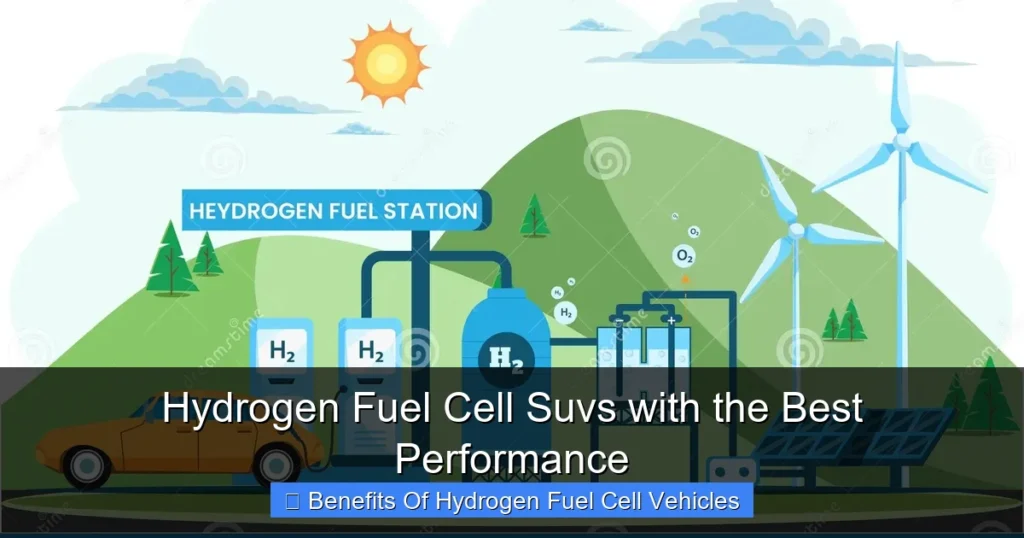
Visual guide about Hydrogen Fuel Cell Suvs with the Best Performance
Image source: devicedaily.com
To understand why hydrogen fuel cell SUVs deliver such impressive performance, it helps to know how they operate. At the heart of every fuel cell vehicle is a fuel cell stack—a compact, high-tech system that converts hydrogen gas into electricity.
The Science Behind the Power
Hydrogen gas is stored in high-pressure tanks within the vehicle. When you press the accelerator, hydrogen flows into the fuel cell stack, where it reacts with oxygen from the air. This chemical reaction produces electricity, which powers an electric motor—just like in a battery-electric vehicle. The only byproduct? Pure water, which exits through the tailpipe as harmless vapor.
This process is incredibly efficient. Unlike gasoline engines, which lose a lot of energy as heat, fuel cells convert up to 60% of the hydrogen’s energy into usable power. That means more energy goes directly to moving the vehicle, resulting in better performance and efficiency.
Electric Motors Deliver Instant Torque
One of the biggest advantages of hydrogen fuel cell SUVs is their electric drivetrain. Electric motors deliver 100% of their torque instantly, giving these vehicles a responsive, punchy feel from the moment you hit the gas. Whether you’re merging onto a highway or climbing a steep hill, the power is always there—no lag, no hesitation.
For example, the Hyundai NEXO can accelerate from 0 to 60 mph in about 8.5 seconds, which is competitive with many gasoline-powered midsize SUVs. Meanwhile, the Toyota Mirai XLE—though technically a sedan—shows how fuel cell tech can deliver smooth, quiet, and powerful performance in a larger vehicle platform.
Regenerative Braking Enhances Efficiency
Like electric vehicles, hydrogen fuel cell SUVs use regenerative braking to capture energy during deceleration. When you slow down or brake, the electric motor acts as a generator, converting kinetic energy back into electricity. This energy is then stored in a small onboard battery, which helps power auxiliary systems and can even assist the fuel cell during high-demand situations.
This system not only improves efficiency but also reduces wear on the brake pads, leading to lower maintenance costs over time.
Top Hydrogen Fuel Cell SUVs with the Best Performance
While the hydrogen vehicle market is still growing, a few standout models are setting the standard for performance, range, and innovation. These SUVs prove that going green doesn’t mean giving up power or practicality.
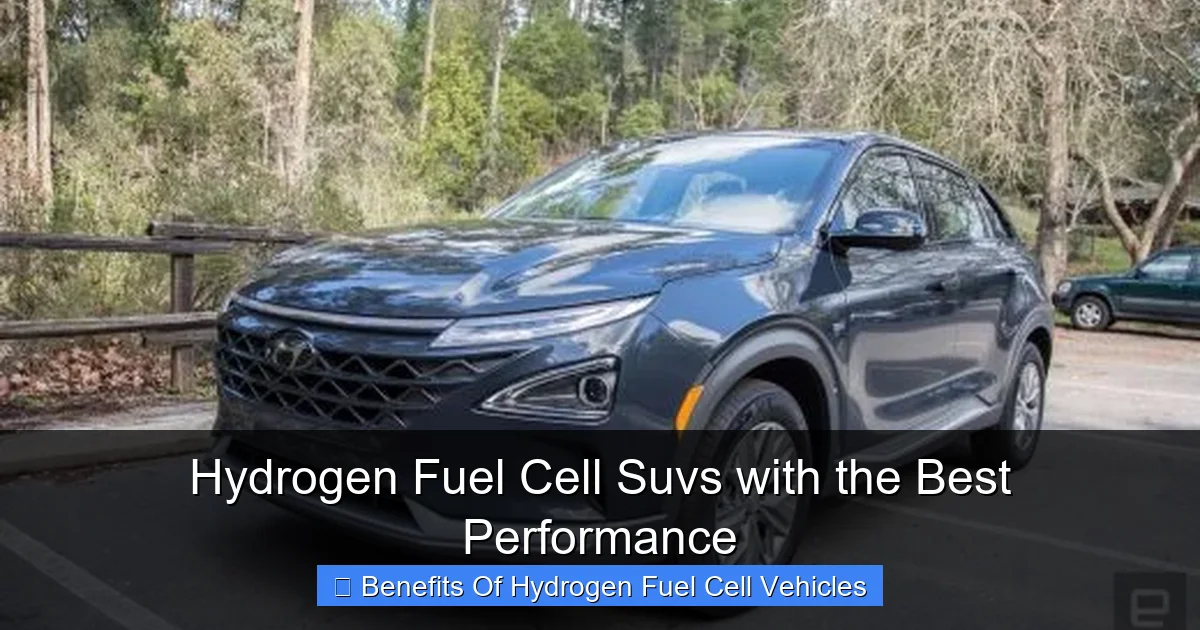
Hyundai NEXO: The Flagship Fuel Cell SUV
The Hyundai NEXO is currently one of the most advanced hydrogen fuel cell SUVs on the market. With a sleek, aerodynamic design and a spacious interior, it blends style with sustainability.
Under the hood, the NEXO features a 161-horsepower electric motor powered by a 95-kW fuel cell stack. It delivers a smooth, quiet ride with responsive acceleration. More impressively, it boasts an EPA-estimated range of up to 380 miles—the longest of any fuel cell vehicle in the U.S.
The NEXO also includes advanced driver-assistance features like Highway Driving Assist, blind-spot view monitor, and remote smart parking assist. Its interior is packed with tech, including a 12.3-inch touchscreen, wireless Apple CarPlay, and Android Auto.
One of the NEXO’s standout features is its air purification system. The vehicle can filter out 99.9% of fine dust particles as it drives, effectively cleaning the air around it. It’s like having a mobile air purifier on wheels.
Toyota Mirai: Performance Meets Refinement
Though the Toyota Mirai is technically a sedan, its platform and technology are paving the way for future hydrogen SUVs. The latest Mirai XLE trim offers a luxurious ride with impressive performance.
Powered by a 182-horsepower electric motor and a 128-kW fuel cell system, the Mirai accelerates from 0 to 60 mph in just 6.8 seconds—faster than many gasoline sedans in its class. It also delivers an EPA-estimated range of 402 miles, making it one of the longest-range hydrogen vehicles available.
Toyota has refined the Mirai’s design with a lower, wider stance and premium materials throughout the cabin. Features like a 12.3-inch infotainment screen, JBL audio system, and heated and ventilated seats add to the upscale experience.
The Mirai also benefits from Toyota’s extensive experience with hybrid and fuel cell technology. Its reliability and durability are backed by rigorous testing, giving drivers confidence in long-term performance.
Honda CR-V Fuel Cell (Upcoming): The Future is Bright
Honda has announced plans to launch a hydrogen fuel cell version of its popular CR-V SUV in the coming years. This model is expected to combine the practicality of a compact SUV with the clean power of a fuel cell system.
While official specs haven’t been released, early reports suggest the CR-V Fuel Cell will offer a range of over 300 miles and fast refueling capabilities. It may also feature a plug-in hybrid option, allowing drivers to charge the battery at home for short electric-only trips.
This dual approach—hydrogen for long drives, battery for city commutes—could make the CR-V Fuel Cell one of the most versatile hydrogen SUVs yet. It’s a smart move for drivers who want flexibility without compromising on sustainability.
Mercedes-Benz GLC F-CELL (Limited Availability)
Mercedes-Benz offered the GLC F-CELL as a plug-in hydrogen fuel cell SUV, combining a 9 kWh battery with a fuel cell system. Though production was limited and the model is no longer widely available, it showcased the potential of hybrid fuel cell technology.
The GLC F-CELL could run on battery power for short trips (up to 31 miles) and switch to hydrogen for longer journeys. This dual system reduced reliance on hydrogen stations and made the vehicle more practical for daily use.
While not currently on the market, the GLC F-CELL’s technology could influence future models from Mercedes and other luxury brands.
Performance Benefits of Hydrogen Fuel Cell SUVs
Hydrogen fuel cell SUVs aren’t just clean—they’re also fun to drive. Their performance advantages go beyond just acceleration and range.
Smooth and Quiet Operation
One of the most noticeable differences when driving a hydrogen fuel cell SUV is how quiet it is. Without a roaring engine or clunky transmission, these vehicles glide down the road in near silence. The only sounds you’ll hear are the hum of the electric motor and the whisper of tires on pavement.
This quiet operation enhances comfort, especially on long drives. It also reduces noise pollution, making cities and neighborhoods more peaceful.
Consistent Power in All Conditions
Unlike battery-electric vehicles, which can lose range in cold weather, hydrogen fuel cell SUVs maintain consistent performance in extreme temperatures. The fuel cell system is less affected by cold, and the onboard battery helps manage energy flow efficiently.
This makes hydrogen SUVs a great choice for drivers in colder climates who need reliable performance year-round.
Low Center of Gravity for Better Handling
Hydrogen fuel cell SUVs often have a lower center of gravity than traditional SUVs because the fuel tanks and battery are mounted low in the chassis. This improves stability and handling, especially during sharp turns or sudden maneuvers.
The result is a more car-like driving experience, with less body roll and better cornering ability. It’s one reason why models like the Hyundai NEXO feel so agile for a midsize SUV.
Minimal Maintenance Requirements
With fewer moving parts than internal combustion engines, hydrogen fuel cell SUVs require less maintenance. There’s no oil to change, no spark plugs to replace, and no complex exhaust system to worry about.
The electric motor and fuel cell stack are designed for long life, with many manufacturers offering 8-year/100,000-mile warranties on fuel cell components. This can lead to significant savings over the life of the vehicle.
Charging vs. Refueling: Why Hydrogen Wins for Long Trips
One of the biggest debates in the clean vehicle world is hydrogen versus battery-electric. While both are zero-emission options, they serve different needs.
The Refueling Advantage
The biggest advantage of hydrogen fuel cell SUVs is refueling time. A full tank of hydrogen takes just 3 to 5 minutes—about the same as filling up a gas car. Compare that to electric SUVs, which can take 30 minutes to several hours to recharge, depending on the charger.
For road trips or busy lifestyles, this difference is huge. You can stop, refuel, and be back on the road in the time it takes to use the restroom and grab a snack.
Range That Rivals Gasoline Vehicles
Most hydrogen fuel cell SUVs offer ranges between 300 and 400 miles per fill. That’s on par with many gasoline-powered SUVs and far exceeds the average range of battery-electric SUVs, which typically fall between 250 and 350 miles.
This makes hydrogen SUVs ideal for long-distance travel, rural driving, or anyone who doesn’t want to worry about finding a charging station.
Infrastructure Is Growing
While hydrogen refueling stations are still limited, they’re expanding rapidly. California leads the way with over 60 public stations, and more are planned. Japan, South Korea, and parts of Europe also have growing networks.
Automakers are working with governments and energy companies to build more stations, especially along major highways. As demand increases, so will accessibility.
Environmental and Economic Benefits
Choosing a hydrogen fuel cell SUV isn’t just good for performance—it’s good for the planet and your wallet.
Zero Tailpipe Emissions
The most obvious benefit is clean air. Hydrogen fuel cell SUVs emit only water vapor, meaning no carbon dioxide, nitrogen oxides, or particulate matter. This helps reduce smog, improve air quality, and combat climate change.
Even when you consider the source of hydrogen production, fuel cell vehicles are often cleaner than gasoline cars. When hydrogen is made using renewable energy—like wind or solar—the entire lifecycle emissions are extremely low.
Energy Independence
Hydrogen can be produced domestically from a variety of sources, including natural gas, water electrolysis, and biomass. This reduces reliance on imported oil and enhances energy security.
As renewable hydrogen production grows, the environmental benefits will only increase.
Government Incentives and Tax Credits
In the U.S., buyers of new hydrogen fuel cell vehicles may qualify for federal tax credits of up to $8,000. Some states, like California, offer additional rebates and incentives, including access to carpool lanes and reduced registration fees.
These incentives can significantly lower the upfront cost, making hydrogen SUVs more accessible.
Lower Operating Costs
Hydrogen fuel is currently more expensive than gasoline on a per-mile basis, but prices are expected to fall as production scales up. Meanwhile, maintenance costs are lower due to fewer mechanical parts.
Over time, the total cost of ownership could become competitive with—or even better than—traditional vehicles.
The Road Ahead: What’s Next for Hydrogen SUVs?
The future of hydrogen fuel cell SUVs looks bright. Automakers are investing billions in fuel cell technology, and governments are supporting infrastructure development.
More Models on the Way
In addition to the Honda CR-V Fuel Cell, other manufacturers are exploring hydrogen options. GM, Ford, and BMW have all shown interest in fuel cell technology for future SUVs and trucks.
As battery-electric vehicles face challenges with charging speed and raw material supply, hydrogen offers a compelling alternative—especially for larger, heavier vehicles.
Green Hydrogen Is the Key
The real game-changer will be the shift to “green hydrogen”—hydrogen produced using renewable energy. This eliminates carbon emissions from the production process, making fuel cell vehicles truly carbon-neutral.
Countries like Germany, Australia, and Japan are leading the way in green hydrogen projects, with plans to export hydrogen globally.
Hydrogen for More Than Just Cars
Hydrogen fuel cells are also being used in buses, trucks, trains, and even ships. As the technology matures, it could revolutionize transportation across multiple sectors.
For SUV drivers, this means a more robust hydrogen economy, with better infrastructure and lower fuel costs.
Conclusion: Power, Performance, and a Cleaner Planet
Hydrogen fuel cell SUVs with the best performance offer a rare combination: thrilling driving dynamics, long range, fast refueling, and zero emissions. They’re not just a compromise between power and sustainability—they’re a leap forward.
Models like the Hyundai NEXO and Toyota Mirai prove that clean technology can be exciting, practical, and luxurious. With advancements in green hydrogen and expanding infrastructure, the future is bright for fuel cell vehicles.
If you’re looking for an SUV that delivers on performance without sacrificing the planet, hydrogen might just be the answer. It’s time to rethink what clean driving can be.
Frequently Asked Questions
How far can a hydrogen fuel cell SUV go on one tank?
Most hydrogen fuel cell SUVs offer a range of 300 to 400 miles per fill, comparable to gasoline-powered SUVs. The Hyundai NEXO and Toyota Mirai both exceed 380 miles, making them ideal for long trips.
How long does it take to refuel a hydrogen SUV?
Refueling a hydrogen SUV takes just 3 to 5 minutes—about the same as filling up a gas car. This is much faster than charging an electric vehicle, which can take 30 minutes to several hours.
Are hydrogen fuel cell SUVs really zero emission?
Yes. Hydrogen fuel cell SUVs emit only water vapor from the tailpipe. While hydrogen production can have emissions depending on the source, using green hydrogen makes the entire process nearly carbon-neutral.
Where can I refuel a hydrogen SUV?
Hydrogen refueling stations are currently concentrated in California, Japan, South Korea, and parts of Europe. California has the most stations in the U.S., with over 60 public locations and more in development.
Are hydrogen SUVs expensive to maintain?
No. Hydrogen fuel cell SUVs have fewer moving parts than gasoline vehicles, so they require less maintenance. There’s no oil changes, transmission servicing, or exhaust system repairs, leading to lower long-term costs.
Can hydrogen fuel cell SUVs handle cold weather?
Yes. Unlike battery-electric vehicles, hydrogen SUVs maintain consistent performance in cold temperatures. The fuel cell system is less affected by cold, and the onboard battery helps manage energy efficiently.