Hydrogen-powered SUVs are emerging as a game-changer in sustainable transportation, offering zero emissions, quick refueling, and impressive range. With advancements in fuel cell technology and growing infrastructure, these vehicles could play a major role in the future of green mobility.
Imagine driving a powerful, spacious SUV that produces zero harmful emissions—no smog, no carbon dioxide, just clean air behind you. Sounds like science fiction? It’s not. Hydrogen-powered SUVs are quietly reshaping the future of transportation, offering a compelling alternative to both traditional gas guzzlers and battery-electric vehicles. As the world races to cut carbon emissions and combat climate change, automakers and governments are turning to hydrogen fuel cell technology as a key part of the solution.
Unlike electric vehicles (EVs) that rely on large lithium-ion batteries, hydrogen SUVs generate electricity on board using a fuel cell stack. Hydrogen gas is stored in high-pressure tanks and combined with oxygen from the air to produce electricity, which powers the motor. The only byproduct? Pure water vapor. This makes hydrogen-powered SUVs not just environmentally friendly, but also incredibly efficient for longer trips and heavier loads—something that’s been a challenge for many EVs.
While still a niche market, hydrogen SUVs are gaining momentum. Brands like Toyota, Hyundai, and Honda are leading the charge, with models like the Toyota Mirai and Hyundai NEXO already on the road. These vehicles combine the practicality of an SUV—ample cargo space, high seating position, and all-weather capability—with cutting-edge clean technology. And as refueling infrastructure improves and production costs come down, hydrogen could become a mainstream option for eco-conscious drivers who refuse to compromise on performance or convenience.
Key Takeaways
- Zero Tailpipe Emissions: Hydrogen SUVs emit only water vapor, making them a clean alternative to gasoline and diesel vehicles.
- Fast Refueling: Unlike electric vehicles, hydrogen-powered SUVs can be refueled in under 10 minutes—similar to conventional cars.
- Long Driving Range: Most hydrogen SUVs offer ranges of 300–400 miles on a single tank, ideal for long-distance travel.
- Reduced Dependence on Rare Minerals: Fuel cells use less lithium and cobalt than EV batteries, easing supply chain concerns.
- Growing Infrastructure: While still limited, hydrogen refueling stations are expanding, especially in California, Japan, and parts of Europe.
- Ideal for Heavy-Duty Use: Hydrogen’s high energy density makes it well-suited for larger vehicles like SUVs and trucks.
- Government Support: Incentives and investments are accelerating the development and adoption of hydrogen-powered transportation.
📑 Table of Contents
How Hydrogen-Powered SUVs Work
At the heart of every hydrogen-powered SUV is a fuel cell system that converts hydrogen into electricity. But how exactly does this process work, and why is it so efficient?
The Science Behind the Fuel Cell
A hydrogen fuel cell consists of two electrodes—an anode and a cathode—sandwiched around an electrolyte membrane. When hydrogen gas is fed into the anode, a catalyst (usually platinum) splits the hydrogen molecules into protons and electrons. The protons pass through the electrolyte membrane to the cathode, while the electrons are forced to travel through an external circuit, creating an electric current. This current powers the vehicle’s electric motor.
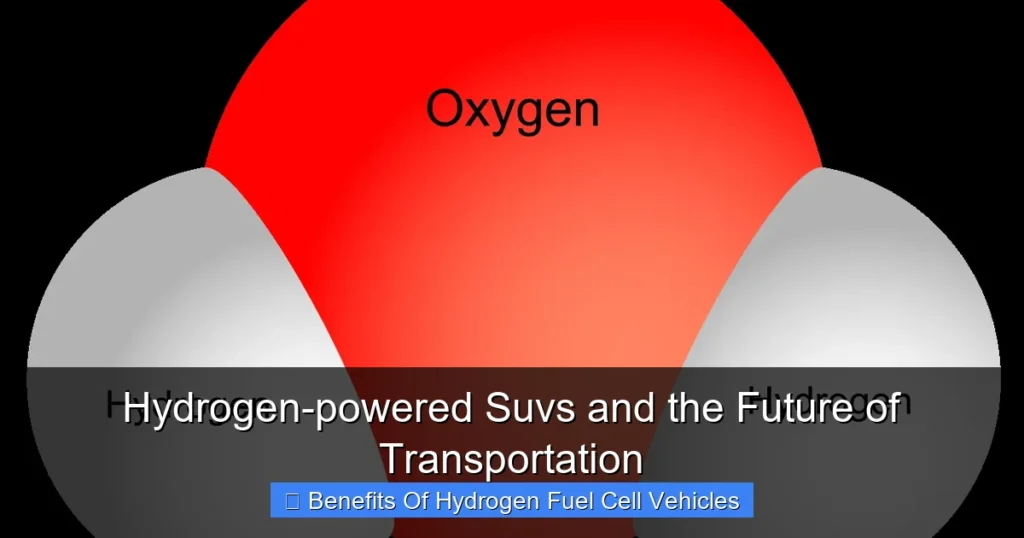
At the cathode, the protons, electrons, and oxygen from the air combine to form water (H₂O), which is released as vapor. This entire process happens silently and without combustion, making fuel cells incredibly clean and efficient.
Hydrogen Storage and Safety
Hydrogen is stored in high-strength carbon fiber tanks at pressures up to 10,000 psi. These tanks are designed to withstand extreme conditions, including crashes and punctures. In fact, hydrogen tanks are often safer than gasoline tanks because hydrogen is lighter than air and disperses quickly in the event of a leak, reducing the risk of fire.
Modern hydrogen SUVs also come equipped with multiple safety sensors that monitor tank integrity, pressure levels, and hydrogen concentration. If a leak is detected, the system automatically shuts off the hydrogen supply and alerts the driver.
Electric Motor and Performance
Like battery-electric vehicles, hydrogen SUVs use electric motors for propulsion. This means instant torque, smooth acceleration, and a quiet ride. The Toyota Mirai, for example, delivers 182 horsepower and can go from 0 to 60 mph in about 9 seconds—comparable to many mid-size gas-powered sedans. The Hyundai NEXO offers even better performance, with 221 horsepower and a top speed of 111 mph.
Because the electricity is generated on demand, there’s no need for a large, heavy battery pack. This reduces the overall weight of the vehicle and frees up space for passengers and cargo.
Environmental Benefits of Hydrogen SUVs
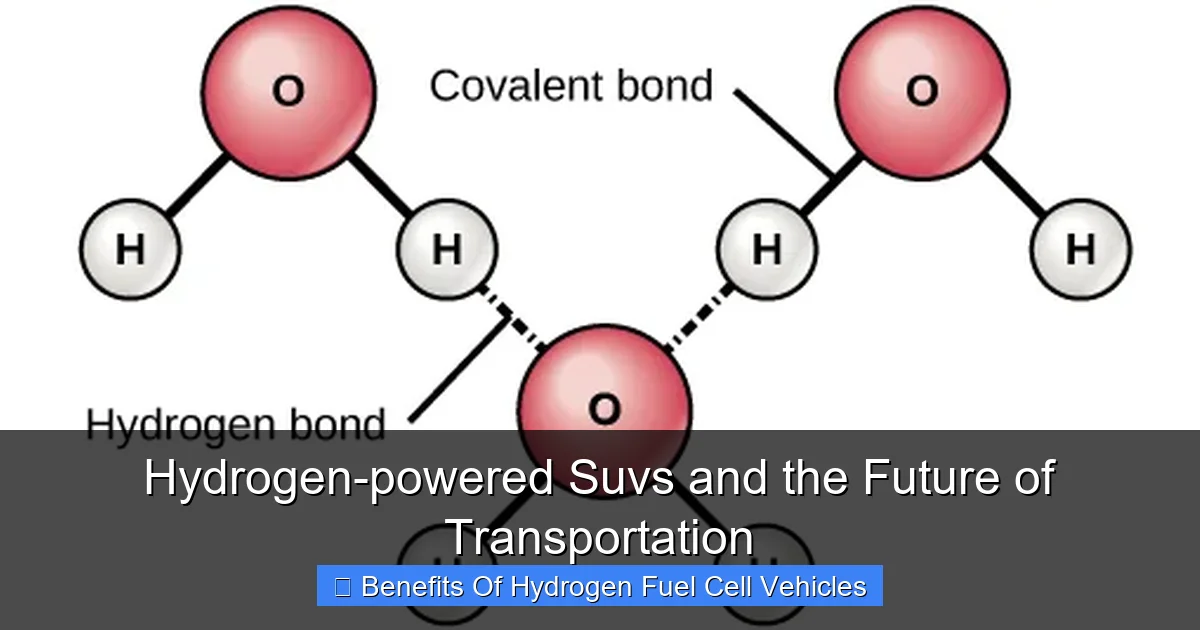
Visual guide about Hydrogen-powered Suvs and the Future of Transportation
Image source: opentextbc.ca
One of the biggest selling points of hydrogen-powered SUVs is their environmental impact—or lack thereof.
Zero Tailpipe Emissions
The most obvious benefit is that hydrogen SUVs emit only water vapor. Unlike gasoline or diesel engines, they produce no carbon dioxide (CO₂), nitrogen oxides (NOx), or particulate matter. This makes them ideal for reducing urban air pollution and improving public health.
In cities like Los Angeles or Tokyo, where smog and respiratory illnesses are major concerns, hydrogen vehicles could play a crucial role in cleaning the air. Even when compared to battery-electric vehicles, hydrogen SUVs have an edge in certain scenarios—especially when the electricity used to charge EVs comes from coal or natural gas.
Lifecycle Emissions and Green Hydrogen
Of course, the environmental benefits depend on how the hydrogen is produced. Currently, about 95% of hydrogen is made from natural gas through a process called steam methane reforming (SMR), which does release CO₂. However, the future lies in “green hydrogen”—hydrogen produced using renewable energy sources like wind, solar, or hydroelectric power.
Electrolysis, which splits water into hydrogen and oxygen using electricity, is the key to green hydrogen. When powered by renewables, this process emits no greenhouse gases. Countries like Germany, Australia, and Japan are investing heavily in green hydrogen production, aiming to make it cost-competitive with fossil-based hydrogen by 2030.
Reduced Mining Impact
Another often-overlooked benefit is the reduced demand for rare earth minerals. Battery-electric vehicles require large amounts of lithium, cobalt, nickel, and manganese—materials that are often mined in environmentally damaging ways and under questionable labor conditions.
Hydrogen fuel cells use significantly less of these materials. While they do require platinum as a catalyst, research is underway to reduce or replace platinum with cheaper alternatives. This makes hydrogen SUVs a more sustainable option in the long run, especially as battery recycling infrastructure is still developing.
Performance and Practicality: Why SUVs Are a Perfect Fit
You might be wondering: why SUVs? Why not sedans or compact cars? The answer lies in the unique advantages of hydrogen technology and the needs of modern drivers.
Long Range and Quick Refueling
One of the biggest drawbacks of battery-electric SUVs is range anxiety. Even the longest-range EVs typically max out at 300–400 miles, and charging can take 30 minutes to several hours, depending on the charger.
Hydrogen-powered SUVs, on the other hand, offer ranges of 350–400 miles on a single tank—comparable to many gas-powered SUVs. And refueling takes just 5 to 10 minutes, similar to filling up at a gas station. This makes them ideal for road trips, long commutes, or families who need reliability and convenience.
For example, the Hyundai NEXO has an EPA-estimated range of 380 miles, while the Toyota Mirai offers up to 402 miles. That’s more than enough for most drivers, even on cross-country journeys.
Towing and Payload Capacity
Hydrogen’s high energy density makes it especially well-suited for larger, heavier vehicles. Unlike batteries, which lose efficiency and range when carrying heavy loads, hydrogen fuel cells maintain consistent performance. This means hydrogen SUVs can tow trailers, carry full passenger loads, and handle rough terrain without a significant drop in range.
This is a major advantage for outdoor enthusiasts, contractors, and families who need a vehicle that can do it all—without sacrificing environmental responsibility.
All-Weather Reliability
Cold weather is a known challenge for electric vehicles. Batteries lose efficiency in freezing temperatures, reducing range and charging speed. Hydrogen fuel cells, however, are far less affected by cold weather. They can operate efficiently in temperatures as low as -22°F (-30°C), making hydrogen SUVs a great choice for drivers in northern climates.
In fact, some studies show that hydrogen vehicles may outperform EVs in winter conditions, offering more consistent range and faster refueling when it matters most.
Current Models and Market Leaders
While still a small segment, the hydrogen SUV market is growing, with several impressive models already available.
Toyota Mirai
The Toyota Mirai is one of the most well-known hydrogen vehicles on the road. The latest generation (2021 and newer) is a sleek, midsize sedan with SUV-like interior space and comfort. It features a 182-horsepower electric motor, a 402-mile range, and a luxurious interior with premium materials and advanced tech.
Toyota has been a pioneer in hydrogen technology, investing billions in fuel cell development. The Mirai is available in select markets, primarily in California, where hydrogen refueling stations are most common.
Hyundai NEXO
The Hyundai NEXO is a true hydrogen-powered SUV, offering three rows of seating, advanced driver-assistance systems, and a futuristic design. With 221 horsepower and a 380-mile range, it’s both powerful and efficient.
Hyundai has been aggressive in promoting hydrogen technology, even offering free hydrogen fuel for the first three years of ownership in some regions. The NEXO is available in South Korea, the U.S., and parts of Europe.
Honda Clarity Fuel Cell
Though discontinued in 2021, the Honda Clarity Fuel Cell was a strong contender in the hydrogen market. It offered a 360-mile range and a spacious interior, and was available for lease in California. Honda continues to support hydrogen technology and is developing next-generation fuel cells for future models.
Upcoming Models
Several automakers are planning to launch new hydrogen SUVs in the coming years. General Motors has partnered with Honda to develop fuel cell systems for trucks and SUVs. BMW is testing a hydrogen version of the X5, expected to launch in 2025. Even luxury brands like Mercedes-Benz and Audi are exploring hydrogen options for their SUV lineups.
Challenges and Barriers to Adoption
Despite their many advantages, hydrogen-powered SUVs face significant hurdles before they can go mainstream.
Limited Refueling Infrastructure
The biggest challenge is the lack of hydrogen refueling stations. As of 2024, there are fewer than 100 public hydrogen stations in the United States, with most located in California. This makes it difficult for drivers outside major urban areas to own and operate hydrogen vehicles.
In contrast, there are over 150,000 public EV charging stations in the U.S. alone. Building a nationwide hydrogen network will require massive investment from governments and private companies.
High Production Costs
Hydrogen fuel cells are still expensive to produce, primarily due to the use of platinum and the complexity of the system. While costs are coming down, hydrogen SUVs remain pricier than comparable EVs or gas-powered vehicles.
The Toyota Mirai starts at around $50,000, and the Hyundai NEXO is similarly priced. However, both come with generous incentives, including tax credits and free fuel, which help offset the upfront cost.
Hydrogen Production and Distribution
Producing, transporting, and storing hydrogen is energy-intensive and complex. Hydrogen is difficult to compress and transport over long distances, and current methods rely heavily on fossil fuels.
Green hydrogen is the solution, but it’s still in its infancy. Scaling up renewable-powered electrolysis will require significant investment in solar, wind, and grid infrastructure.
Public Awareness and Perception
Many consumers are still unfamiliar with hydrogen technology. Misconceptions about safety—fueled by outdated images of the Hindenburg disaster—persist, even though modern hydrogen systems are rigorously tested and safe.
Educating the public and building trust will be essential for widespread adoption.
The Future of Hydrogen Transportation
Despite the challenges, the future looks bright for hydrogen-powered SUVs and clean transportation as a whole.
Government Support and Incentives
Governments around the world are investing in hydrogen as a key part of their climate strategies. The U.S. Department of Energy has launched the Hydrogen Shot initiative, aiming to reduce the cost of clean hydrogen to $1 per kilogram by 2030. The European Union has a comprehensive hydrogen strategy, and Japan has long been a leader in fuel cell technology.
In the U.S., the Inflation Reduction Act includes tax credits for hydrogen production and vehicle purchases, making it more affordable for consumers and businesses.
Expansion of Refueling Networks
New hydrogen stations are being built across the country. Companies like Shell, Air Liquide, and PowerTap are partnering with automakers to expand infrastructure. California alone plans to have 200 hydrogen stations by 2025.
Mobile refueling units and home refueling systems are also in development, offering more flexibility for drivers.
Integration with Renewable Energy
Hydrogen can play a crucial role in storing excess renewable energy. When solar or wind farms produce more electricity than the grid can handle, that energy can be used to produce hydrogen via electrolysis. This hydrogen can then be stored and used later to power vehicles or generate electricity.
This creates a clean, circular energy system that reduces waste and maximizes the use of renewables.
Hydrogen Beyond Passenger Vehicles
While SUVs are a great starting point, hydrogen’s potential extends far beyond personal transportation. It’s already being used in buses, trucks, trains, and even ships. Companies like Nikola and Toyota are developing hydrogen-powered semi-trucks for long-haul freight.
As the technology matures, we could see hydrogen powering entire cities, industries, and transportation networks.
Should You Consider a Hydrogen-Powered SUV?
So, is a hydrogen-powered SUV right for you? It depends on your needs, location, and priorities.
If you live in an area with hydrogen refueling stations—like California or parts of Europe—and you value long range, quick refueling, and zero emissions, a hydrogen SUV could be a great fit. They’re ideal for families, road trippers, and anyone who wants a clean, high-performance vehicle without the limitations of battery charging.
However, if you’re in a region with limited infrastructure or you frequently travel long distances outside urban centers, a battery-electric SUV might be more practical—for now.
As the hydrogen economy grows, these limitations will shrink. And with continued innovation, hydrogen-powered SUVs could become as common as hybrids are today.
Conclusion
Hydrogen-powered SUVs represent a bold step toward a cleaner, more sustainable future of transportation. With zero emissions, fast refueling, and impressive range, they offer a compelling alternative to both gasoline and electric vehicles. While challenges remain—especially in infrastructure and cost—the momentum is building.
From the sleek Toyota Mirai to the spacious Hyundai NEXO, these vehicles prove that green technology doesn’t have to mean compromise. As governments invest in clean energy and automakers push the boundaries of innovation, hydrogen could soon power not just our cars, but our entire transportation ecosystem.
The road ahead is long, but with every mile driven in a hydrogen-powered SUV, we’re moving closer to a world where clean air and high performance go hand in hand.
Frequently Asked Questions
Are hydrogen-powered SUVs safe?
Yes, hydrogen-powered SUVs are designed with multiple safety features, including high-strength fuel tanks and leak detection systems. Hydrogen is lighter than air and disperses quickly, reducing fire risk.
How long does it take to refuel a hydrogen SUV?
Refueling a hydrogen SUV takes about 5 to 10 minutes, similar to filling up a gas-powered vehicle—much faster than charging an electric car.
Where can I refuel a hydrogen-powered SUV?
Currently, most hydrogen refueling stations are in California, with growing networks in Japan, South Korea, and parts of Europe. Expansion is ongoing.
What is green hydrogen, and why does it matter?
Green hydrogen is produced using renewable energy to split water into hydrogen and oxygen. It’s emissions-free and essential for making hydrogen vehicles truly sustainable.
Do hydrogen SUVs have a shorter lifespan than EVs?
No, hydrogen fuel cells are durable and can last over 100,000 miles with proper maintenance. Their lifespan is comparable to electric vehicle batteries.
Can hydrogen SUVs tow trailers or carry heavy loads?
Yes, hydrogen SUVs maintain strong performance under load due to the high energy density of hydrogen, making them ideal for towing and heavy-duty use.