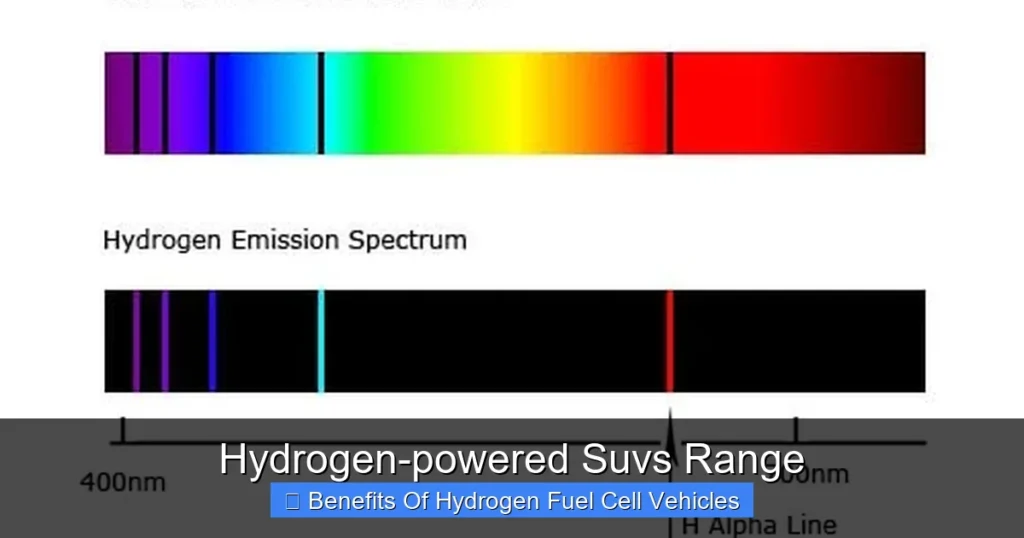
Hydrogen-powered SUVs offer an impressive driving range—often exceeding 300 miles per fill—making them ideal for long trips without frequent refueling stops. With zero tailpipe emissions and fast refueling times, these vehicles combine sustainability with real-world practicality.
Key Takeaways
- Long Driving Range: Most hydrogen-powered SUVs deliver 300–400 miles on a single tank, rivaling gasoline vehicles and outperforming many EVs on long-distance travel.
- Zero Tailpipe Emissions: The only emission from hydrogen fuel cell SUVs is water vapor, making them a clean alternative for environmentally conscious drivers.
- Fast Refueling: Unlike electric vehicles that can take hours to charge, hydrogen SUVs refuel in 3–5 minutes—similar to gas-powered cars.
- Ideal for Large Families and Cargo: SUVs offer spacious interiors and high towing capacity, making hydrogen models perfect for road trips, camping, and daily family use.
- Growing Infrastructure: While still limited, hydrogen refueling stations are expanding, especially in California, Japan, and parts of Europe.
- Government Incentives Available: Buyers may qualify for tax credits, rebates, and HOV lane access in certain regions to offset upfront costs.
- Future-Proof Technology: As green hydrogen production grows, hydrogen SUVs will become even cleaner and more sustainable over time.
📑 Table of Contents
- Why Hydrogen-Powered SUVs Are Gaining Traction
- How Far Can Hydrogen-Powered SUVs Really Go?
- The Technology Behind the Mileage: How Hydrogen Fuel Cells Work
- Top Hydrogen-Powered SUVs and Their Ranges
- Refueling: How Long Does It Take and Where Can You Do It?
- Environmental Benefits: More Than Just Zero Emissions
- Cost Considerations: Are Hydrogen SUVs Worth the Investment?
- The Road Ahead: What’s Next for Hydrogen SUVs?
Why Hydrogen-Powered SUVs Are Gaining Traction
Imagine driving a spacious, powerful SUV that emits nothing but water vapor—and can go over 300 miles before needing to refuel. That’s not science fiction; it’s the reality of hydrogen-powered SUVs. While electric vehicles (EVs) have dominated the clean transportation conversation, hydrogen fuel cell vehicles (FCEVs) are quietly emerging as a compelling alternative, especially for drivers who need range, space, and quick refueling.
Hydrogen-powered SUVs combine the best of both worlds: the environmental benefits of zero-emission driving and the convenience of traditional gasoline vehicles. Unlike battery-electric SUVs that can take 30 minutes to several hours to recharge—depending on the charger—hydrogen SUVs refuel in under five minutes. This makes them ideal for road trips, long commutes, and families who don’t want to worry about charging logistics. Plus, with ranges often exceeding 300 miles, they’re more than capable of handling daily errands and weekend adventures.
The technology behind these vehicles is simple yet elegant. Hydrogen fuel cells generate electricity through a chemical reaction between hydrogen and oxygen, powering an electric motor. The only byproduct? Clean water. No smog, no carbon dioxide, no particulate matter. This makes hydrogen SUVs a powerful tool in the fight against climate change and urban air pollution.
How Far Can Hydrogen-Powered SUVs Really Go?
One of the biggest questions potential buyers ask is: “How far can a hydrogen-powered SUV go on a single tank?” The answer is impressive. Most current models offer a driving range between 300 and 400 miles, with some even pushing past 450 miles under optimal conditions. This range is comparable to—and often better than—many gasoline-powered SUVs and significantly exceeds the average range of battery-electric SUVs.
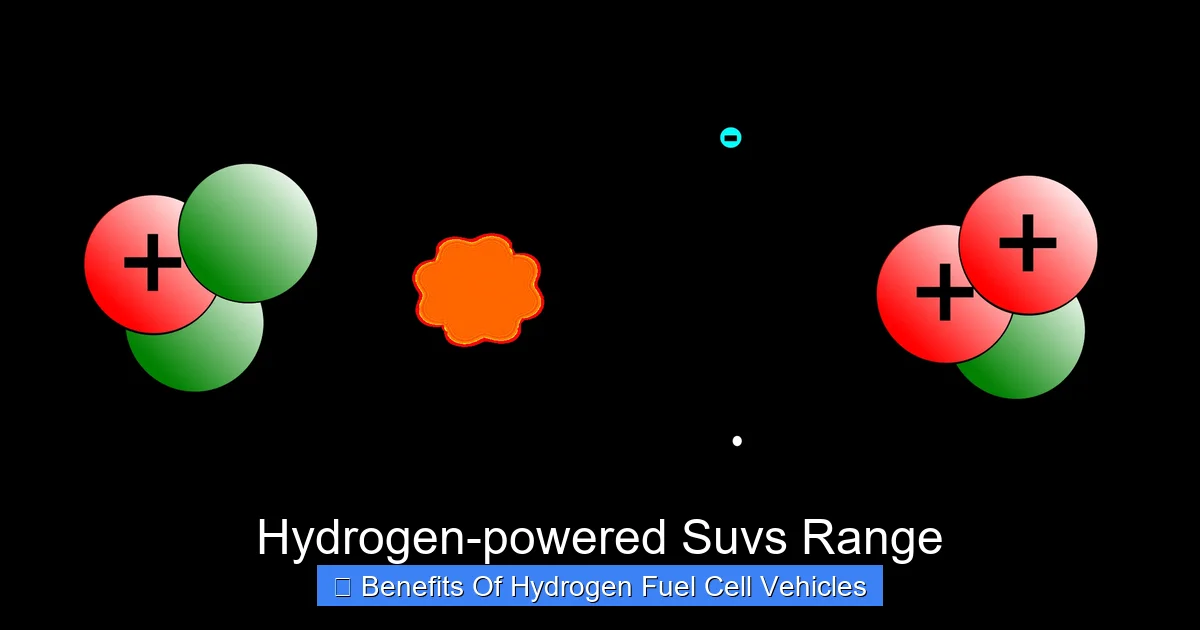
Visual guide about Hydrogen-powered Suvs Range
Image source: openclipart.org
Real-World Range Examples
Take the Toyota Mirai, for instance. While technically a sedan, it’s often used as a benchmark for hydrogen vehicle performance. The latest Mirai offers an EPA-estimated range of 402 miles. Now consider the Hyundai Nexo, a dedicated hydrogen-powered SUV. It delivers an impressive 380 miles of range on a full tank, making it one of the longest-range FCEVs on the market. The Honda Clarity Fuel Cell (now discontinued but still in use) also offered around 360 miles, proving that hydrogen technology can support long-distance travel.
These numbers aren’t just theoretical. Real-world testing by drivers and reviewers consistently shows that hydrogen SUVs can achieve 90–95% of their EPA-rated range under normal driving conditions. Factors like weather, driving style, and terrain do play a role—just as they do with any vehicle—but overall, hydrogen SUVs are reliable for long hauls.
Factors That Affect Hydrogen SUV Range
Several variables influence how far a hydrogen-powered SUV can travel on a single fill:
- Driving Habits: Aggressive acceleration and high speeds reduce efficiency. Smooth, steady driving maximizes range.
- Weather Conditions: Cold weather can reduce fuel cell efficiency, though modern systems include heating elements to mitigate this.
- Cargo and Passenger Load: Heavier loads require more energy, slightly reducing range.
- Tire Pressure and Maintenance: Properly inflated tires and regular maintenance help maintain optimal efficiency.
- Use of Accessories: Running the heater, air conditioning, or infotainment system draws power and can impact range.
Despite these factors, hydrogen SUVs remain highly efficient. Unlike EVs, which can lose significant range in cold weather due to battery chemistry, hydrogen fuel cells are less affected by temperature swings. This makes them a strong choice for drivers in colder climates.
The Technology Behind the Mileage: How Hydrogen Fuel Cells Work
To truly appreciate the range of hydrogen-powered SUVs, it helps to understand how they work. At the heart of every FCEV is a hydrogen fuel cell stack—a series of individual fuel cells that convert hydrogen gas into electricity.
The Science Simplified
Here’s how it works in plain terms: Hydrogen gas is stored in high-pressure tanks within the vehicle. When you press the accelerator, hydrogen flows into the fuel cell stack. Inside each cell, hydrogen atoms are split into protons and electrons. The protons pass through a membrane, while the electrons are forced to travel through an external circuit, creating an electric current. This current powers the electric motor that drives the wheels.
Meanwhile, oxygen from the air enters the fuel cell and combines with the protons and electrons to form water—H₂O—which is released as vapor from the exhaust. No combustion, no pollution, just clean energy.
Why This Matters for Range
The efficiency of this process is what allows hydrogen SUVs to achieve such impressive mileage. Fuel cells convert chemical energy directly into electricity with minimal waste heat, making them more efficient than internal combustion engines. Additionally, hydrogen has a high energy density by weight—about three times more than gasoline. This means you get more energy per pound of fuel, which translates to longer range without needing massive fuel tanks.
Modern hydrogen SUVs also use regenerative braking, just like EVs. When you slow down, the electric motor acts as a generator, capturing energy and storing it in a small battery. This energy can then be used to assist the fuel cell during acceleration, further improving efficiency and range.
Top Hydrogen-Powered SUVs and Their Ranges
While the market for hydrogen SUVs is still growing, several models stand out for their performance, range, and practicality. Here’s a look at the most notable options currently available or in development.
Hyundai Nexo: The Range Leader
The Hyundai Nexo is currently the only hydrogen-powered SUV available in the U.S. market. It comes in two trims: Blue and Limited. The Nexo Blue offers an EPA-estimated range of 380 miles, while the Limited trim delivers 354 miles due to larger wheels and added features. Both models feature a sleek design, advanced driver-assistance systems, and a spacious interior with seating for five.
What sets the Nexo apart is its third-generation fuel cell system, which is lighter, more efficient, and more durable than previous versions. It also includes a solar roof option that can add up to 1,300 miles of range per year by charging the auxiliary battery. For families looking for a clean, high-tech SUV, the Nexo is a top contender.
Toyota Mirai: The Sedan That Paves the Way
Though not an SUV, the Toyota Mirai is worth mentioning because it shares much of its technology with future Toyota hydrogen SUVs. The 2023 Mirai offers a range of 402 miles—the longest of any FCEV on the market. Toyota has already hinted at expanding its hydrogen lineup to include SUVs and trucks, so the Mirai’s success is a strong indicator of what’s to come.
Future Models: What’s on the Horizon
Several automakers are developing hydrogen-powered SUVs for the near future. General Motors has partnered with Honda to produce fuel cell systems for a range of vehicles, including SUVs and commercial trucks. BMW is testing a hydrogen version of its X5 SUV, expected to launch in limited quantities by 2025. Even Land Rover has explored hydrogen technology for its luxury SUVs, focusing on off-road capability and long-range travel.
These developments suggest that the hydrogen SUV market will expand significantly in the coming years, offering more choices and competitive pricing.
Refueling: How Long Does It Take and Where Can You Do It?
One of the biggest advantages of hydrogen-powered SUVs is refueling speed. Unlike EVs, which can take 30 minutes to 12 hours to recharge depending on the charger, hydrogen vehicles refuel in just 3 to 5 minutes—about the same as filling up a gas tank.
The Refueling Process
Refueling a hydrogen SUV is simple and safe. You drive up to a hydrogen station, connect the nozzle to the vehicle’s fuel port, and the system automatically fills the tank under high pressure (typically 700 bar). The process is monitored by sensors to prevent overfilling or leaks. Once complete, you disconnect and drive away—no waiting, no cords, no hassle.
Where to Refuel: The State of Hydrogen Infrastructure
Currently, hydrogen refueling stations are limited, but they’re growing. As of 2024, there are over 60 public hydrogen stations in the United States, with the vast majority located in California. This makes California the best state for hydrogen vehicle ownership, with stations concentrated in Los Angeles, San Francisco, and San Diego.
Outside the U.S., countries like Japan, South Korea, Germany, and the UK are investing heavily in hydrogen infrastructure. Japan, for example, has over 160 hydrogen stations and aims to reach 1,000 by 2030. South Korea is following a similar path, with plans to deploy hydrogen buses, trucks, and passenger vehicles nationwide.
Tips for Finding Hydrogen Stations
If you’re considering a hydrogen SUV, here are some practical tips:
- Use Apps and Maps: Tools like Hydrogen Fuel Station Locator (by the U.S. Department of Energy) and PlugShare show real-time station locations and availability.
- Plan Long Trips Carefully: While range is excellent, station density is low outside major cities. Always check routes in advance.
- Consider Home Refueling (Future Option): Companies like H2Power are developing home hydrogen refueling units, though they’re not yet widely available.
As demand grows and governments invest in clean energy, hydrogen infrastructure will continue to expand. For now, it’s best suited for drivers in well-supported regions—but that’s changing fast.
Environmental Benefits: More Than Just Zero Emissions
When people think of hydrogen-powered SUVs, the first thing that comes to mind is zero tailpipe emissions. And that’s true—these vehicles emit only water vapor. But the environmental benefits go much deeper.
Cleaner Air in Cities
In urban areas, air pollution from vehicles is a major health concern. Nitrogen oxides (NOx), particulate matter, and carbon monoxide contribute to respiratory diseases and smog. Hydrogen SUVs eliminate these pollutants at the source, helping to improve air quality in cities.
The Role of Green Hydrogen
The true environmental impact of hydrogen vehicles depends on how the hydrogen is produced. Currently, most hydrogen is made from natural gas through a process called steam methane reforming, which does produce CO₂. However, green hydrogen—produced using renewable energy like wind or solar to split water molecules—is becoming more common.
As green hydrogen production scales up, the carbon footprint of hydrogen SUVs will shrink dramatically. In fact, lifecycle analyses show that FCEVs powered by green hydrogen can reduce greenhouse gas emissions by up to 90% compared to gasoline vehicles.
Energy Security and Grid Stability
Hydrogen also offers energy security benefits. Unlike electricity, which relies on a centralized grid, hydrogen can be produced locally and stored for long periods. This makes it a valuable tool for balancing renewable energy supply and demand. Excess solar or wind power can be used to produce hydrogen during off-peak hours, which can then be used to power vehicles or generate electricity when needed.
Cost Considerations: Are Hydrogen SUVs Worth the Investment?
Hydrogen-powered SUVs are still relatively expensive, with prices ranging from $60,000 to $80,000. However, several factors can help offset the upfront cost.
Government Incentives
In the U.S., buyers may qualify for a federal tax credit of up to $8,000 for new FCEVs. California offers additional rebates of up to $5,000 through the Clean Vehicle Rebate Project (CVRP). Some states also allow hydrogen vehicles to use carpool lanes, even with a single occupant—a valuable perk in congested areas.
Low Operating Costs
While hydrogen fuel is currently more expensive than gasoline on a per-mile basis (around $16 per kilogram, with a SUV using about 1 kg per 60–70 miles), many manufacturers include free hydrogen for three years with purchase. Maintenance costs are also lower than gasoline vehicles, as FCEVs have fewer moving parts and no oil changes or exhaust system repairs.
Resale Value and Future Outlook
As hydrogen technology matures and infrastructure expands, resale values are expected to stabilize. Early adopters may see depreciation, but long-term, hydrogen SUVs could hold value well—especially if they become more mainstream.
The Road Ahead: What’s Next for Hydrogen SUVs?
The future of hydrogen-powered SUVs looks bright. With automakers investing billions in fuel cell technology and governments setting ambitious climate goals, hydrogen is poised to play a key role in the clean transportation revolution.
Advancements in fuel cell efficiency, hydrogen storage, and production methods will continue to improve range, reduce costs, and expand accessibility. We can expect to see more models, better infrastructure, and greater consumer awareness in the years ahead.
For now, hydrogen SUVs are a niche but powerful option for drivers who want long range, fast refueling, and zero emissions. As the technology evolves, they may well become the SUV of choice for eco-conscious families everywhere.
Frequently Asked Questions
How far can a hydrogen-powered SUV go on one tank?
Most hydrogen-powered SUVs offer a range of 300 to 400 miles on a single fill, with some models like the Hyundai Nexo reaching up to 380 miles. This makes them ideal for long-distance travel without frequent stops.
How long does it take to refuel a hydrogen SUV?
Refueling a hydrogen SUV takes just 3 to 5 minutes—similar to filling up a gasoline vehicle. This is significantly faster than charging an electric SUV, which can take 30 minutes to several hours.
Are hydrogen SUVs really zero-emission?
Yes, hydrogen SUVs emit only water vapor from the tailpipe. However, the environmental impact depends on how the hydrogen is produced. Green hydrogen, made from renewable energy, offers the cleanest lifecycle.
Where can I refuel a hydrogen-powered SUV?
Hydrogen refueling stations are currently concentrated in California, with growing networks in Japan, South Korea, and parts of Europe. Use apps like PlugShare or the DOE’s station locator to find nearby stations.
Are hydrogen SUVs expensive to maintain?
Hydrogen SUVs have lower maintenance costs than gasoline vehicles because they have fewer moving parts, no oil changes, and no exhaust system. However, fuel costs can be higher unless covered by manufacturer incentives.
Will hydrogen SUVs become more common in the future?
Yes, automakers like Toyota, Hyundai, BMW, and GM are investing in hydrogen technology. As infrastructure expands and production scales up, hydrogen SUVs are expected to become more accessible and affordable.