Hydrogen-powered vehicles are emerging as a clean, efficient alternative to traditional gas and electric SUVs. With zero emissions, fast refueling, and long range, hydrogen fuel cell technology is shaping the future of sustainable transportation.
Key Takeaways
- Zero Emissions: Hydrogen fuel cell vehicles produce only water vapor, making them one of the cleanest transportation options available today.
- Fast Refueling: Unlike battery-electric vehicles, hydrogen SUVs can be refueled in under 10 minutes—similar to gasoline vehicles.
- Long Driving Range: Most hydrogen-powered SUVs offer ranges of 300–400 miles on a single tank, ideal for long trips and daily commutes.
- Growing Infrastructure: While still limited, hydrogen refueling stations are expanding in key regions like California, Japan, and parts of Europe.
- High Upfront Cost: Hydrogen SUVs are currently more expensive than electric or gas models, but prices are expected to drop as technology scales.
- Ideal for Large Vehicles: The high energy density of hydrogen makes it especially suitable for heavy-duty and large SUV applications.
- Government Support: Incentives and regulations are pushing automakers and governments to invest in hydrogen infrastructure and vehicle development.
📑 Table of Contents
Hydrogen-powered Vehicles: What’s Next for SUVs?
Imagine driving a powerful, spacious SUV that emits nothing but clean water vapor—no exhaust fumes, no noise, and no guilt about your carbon footprint. That’s the promise of hydrogen-powered vehicles, and they’re no longer just a futuristic dream. As the world races toward cleaner transportation, hydrogen fuel cell technology is gaining serious momentum, especially in the SUV segment. These vehicles combine the practicality and performance of traditional SUVs with the environmental benefits of zero-emission driving.
While electric vehicles (EVs) have dominated the green car conversation in recent years, hydrogen-powered SUVs offer a compelling alternative—particularly for drivers who need longer range, quicker refueling, and the ability to tow or carry heavy loads. Unlike battery-electric SUVs, which can take hours to recharge, hydrogen vehicles refuel in minutes. And unlike gasoline-powered models, they don’t contribute to air pollution or climate change. With major automakers like Toyota, Hyundai, and Honda leading the charge, hydrogen SUVs are moving from concept to reality.
But what does the future really hold for hydrogen-powered SUVs? Are they a viable option for everyday drivers, or still a niche technology? In this article, we’ll explore the benefits, challenges, and real-world potential of hydrogen fuel cell vehicles—especially as they apply to the ever-popular SUV market. From how they work to where you can fuel them, we’ll break down everything you need to know about the next wave of clean driving.
How Hydrogen Fuel Cell SUVs Work

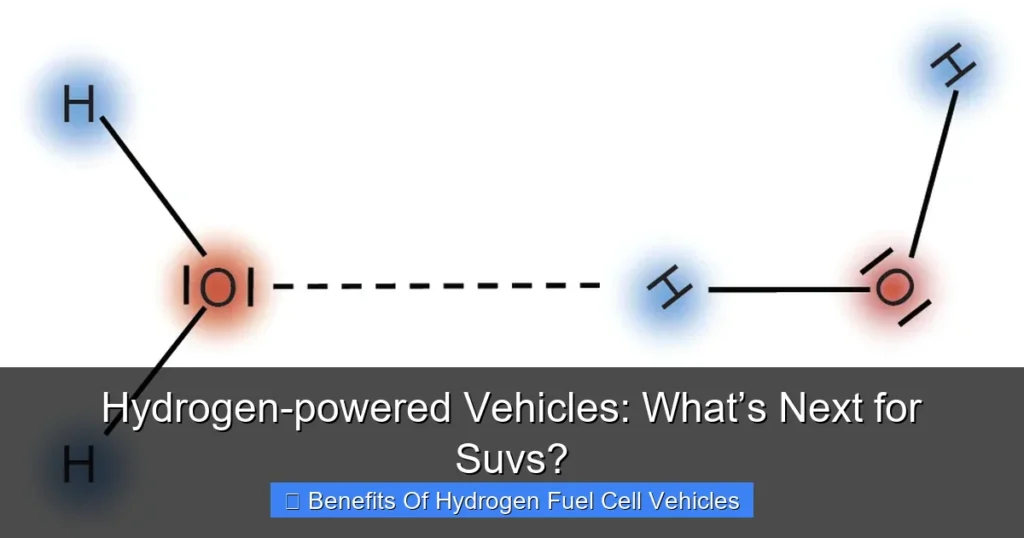
Visual guide about Hydrogen-powered Vehicles: What’s Next for Suvs?
Image source: live.staticflickr.com
At the heart of every hydrogen-powered SUV is a fuel cell stack—a sophisticated system that converts hydrogen gas into electricity to power the vehicle. Unlike internal combustion engines that burn fuel, fuel cells generate electricity through a clean chemical reaction. Here’s how it works in simple terms: hydrogen from the onboard tank flows into the fuel cell, where it meets oxygen from the air. This reaction produces electricity, which powers the electric motor. The only byproduct? Pure water, which exits through the tailpipe as vapor.
This process is not only clean but also highly efficient. Fuel cells can convert up to 60% of the energy in hydrogen into usable power—far more than the 20–30% efficiency of gasoline engines. And because the vehicle is electric, it delivers instant torque and smooth acceleration, just like a battery EV. But instead of relying on a large, heavy battery pack, hydrogen SUVs store energy in compressed hydrogen gas, which is lighter and takes up less space.
One of the biggest advantages of this system is its scalability. The same fuel cell technology can power small sedans, city buses, delivery trucks, and yes—large SUVs. In fact, hydrogen’s high energy density makes it especially well-suited for bigger vehicles that need more power and longer range. For example, the Hyundai NEXO, one of the most advanced hydrogen SUVs on the market, can travel over 400 miles on a single tank—comparable to many gas-powered SUVs.
Key Components of a Hydrogen SUV
To understand how hydrogen SUVs function, it helps to know the main parts that make them tick:
- Hydrogen Storage Tanks: These high-strength, lightweight tanks store compressed hydrogen gas at pressures up to 10,000 psi. They’re designed to be safe and durable, with multiple layers of carbon fiber and safety valves.
- Fuel Cell Stack: This is the engine of the vehicle. It contains hundreds of individual fuel cells that work together to generate electricity from hydrogen and oxygen.
- Electric Motor: Powers the wheels using electricity from the fuel cell. Most hydrogen SUVs use one or more electric motors for all-wheel drive capability.
- Power Control Unit: Manages the flow of electricity between the fuel cell, battery, and motor, ensuring smooth and efficient operation.
- High-Voltage Battery: A small battery stores excess energy and provides extra power during acceleration. It’s much smaller than in a battery EV because the fuel cell generates power on demand.
These components work together seamlessly to deliver a driving experience that’s quiet, responsive, and emissions-free. And because the system doesn’t rely on rare earth metals or large battery packs, it reduces some of the environmental concerns associated with mining and battery disposal.
Environmental Benefits of Hydrogen SUVs
When it comes to fighting climate change and reducing air pollution, hydrogen-powered SUVs offer some of the most compelling environmental advantages. The most obvious benefit is their zero tailpipe emissions. Unlike gasoline or diesel vehicles that release carbon dioxide, nitrogen oxides, and particulate matter, hydrogen SUVs emit only water vapor. This makes them ideal for improving air quality in cities and reducing the health risks associated with vehicle emissions.
But the environmental impact of hydrogen vehicles depends heavily on how the hydrogen is produced. Currently, most hydrogen is made from natural gas through a process called steam methane reforming, which does release CO2. However, the future of hydrogen lies in “green hydrogen”—hydrogen produced using renewable energy sources like wind, solar, or hydropower. When green hydrogen is used, the entire lifecycle of the vehicle becomes nearly carbon-neutral.
Governments and energy companies are investing heavily in green hydrogen production. For example, the European Union has launched the European Hydrogen Strategy, aiming to install 40 gigawatts of electrolyzers (machines that split water into hydrogen and oxygen) by 2030. Similarly, the U.S. Department of Energy’s Hydrogen Shot initiative aims to reduce the cost of clean hydrogen to $1 per kilogram within a decade.
Lifecycle Emissions Compared
Let’s compare the total lifecycle emissions of different vehicle types:
- Gasoline SUV: High emissions from fuel extraction, refining, transportation, and combustion. Average of 400–500 grams of CO2 per mile.
- Battery Electric SUV: Lower emissions, but depends on the electricity grid. In regions with clean energy, emissions can be as low as 100 grams per mile. However, battery production adds significant upfront emissions.
- Hydrogen SUV (Green Hydrogen): Very low emissions—around 50–100 grams per mile—when hydrogen is produced using renewables. Even with current gray hydrogen, emissions are lower than gasoline.
As green hydrogen becomes more widespread, hydrogen SUVs could become one of the cleanest options on the road. And because they don’t require large battery packs, they avoid the environmental costs of mining lithium, cobalt, and nickel.
Performance and Practicality for SUV Drivers
One of the biggest concerns drivers have about switching to alternative fuel vehicles is whether they’ll sacrifice performance or convenience. With hydrogen SUVs, the answer is a resounding no. In fact, these vehicles often outperform their gas and electric counterparts in key areas.
First, let’s talk about range. Most hydrogen SUVs offer 300–400 miles on a single tank—comparable to traditional SUVs and significantly more than many battery EVs. For example, the Toyota Mirai offers up to 402 miles of range, while the Hyundai NEXO delivers up to 380 miles. This makes them ideal for long road trips, rural driving, or families who need reliable transportation without frequent stops.
Refueling is another major advantage. While charging a battery EV can take 30 minutes to several hours (depending on the charger), refueling a hydrogen SUV takes just 5–10 minutes—about the same as filling up with gas. This is a game-changer for drivers who value time and convenience. No more planning trips around charging stations or waiting around during long drives.
Towing and Cargo Capacity
Hydrogen SUVs are also well-suited for heavy-duty tasks. Because they use electric motors, they deliver instant torque—perfect for towing trailers, boats, or campers. The Hyundai NEXO, for instance, can tow up to 2,000 pounds, making it a practical choice for outdoor enthusiasts. And since hydrogen tanks are compact and lightweight, they don’t take up as much cargo space as large battery packs.
Additionally, hydrogen vehicles perform well in cold weather. Unlike some battery EVs, which can lose significant range in freezing temperatures, hydrogen SUVs maintain consistent performance. The fuel cell system generates its own heat, helping to keep the cabin warm without draining the battery.
Real-World Examples
Let’s look at how hydrogen SUVs perform in everyday scenarios:
- Family Road Trip: A family driving from Los Angeles to San Francisco (about 380 miles) could complete the trip with one quick hydrogen refuel in between—no need to stop for hours to charge.
- Winter Driving: In snowy regions like Colorado or Canada, a hydrogen SUV would maintain full range and cabin heat, unlike some EVs that struggle in the cold.
- Towing a Trailer: A weekend adventurer could tow a small camper or boat without worrying about range anxiety or long charging stops.
These practical benefits make hydrogen SUVs a strong contender for drivers who need versatility, power, and reliability—without compromising on sustainability.
Challenges and Barriers to Adoption
Despite their many advantages, hydrogen-powered SUVs face several challenges that have slowed widespread adoption. The biggest hurdle is infrastructure. As of 2024, there are only about 100 hydrogen refueling stations in the United States, with the vast majority located in California. This makes it difficult for drivers outside the state—or even outside certain cities—to own and operate a hydrogen vehicle.
Another major issue is cost. Hydrogen SUVs are currently much more expensive than comparable gas or electric models. The Toyota Mirai starts around $50,000, and the Hyundai NEXO is priced even higher. While federal and state incentives can help offset the cost (California offers up to $5,000 in rebates), the upfront price remains a barrier for many buyers.
Hydrogen Production and Distribution
Producing and transporting hydrogen is also complex and energy-intensive. Compressing hydrogen to high pressures or liquefying it for transport requires significant energy. And because hydrogen molecules are so small, they can leak through pipes and tanks, requiring specialized materials and handling.
Moreover, most hydrogen today is “gray hydrogen”—produced from natural gas, which still contributes to greenhouse gas emissions. While “blue hydrogen” (captured emissions) and “green hydrogen” (renewable-powered) are growing, they still make up a small fraction of total production.
Public Awareness and Perception
Many consumers are simply unaware of hydrogen vehicles or have misconceptions about their safety. Some worry that hydrogen is explosive or dangerous—despite the fact that hydrogen tanks are rigorously tested and designed to withstand extreme conditions. In reality, hydrogen is no more dangerous than gasoline when handled properly.
There’s also a lack of marketing and dealership support. Unlike EVs, which are heavily promoted by automakers and governments, hydrogen vehicles receive less attention. This makes it harder for consumers to learn about them or test drive them.
The Road Ahead
Despite these challenges, progress is being made. Automakers are investing in hydrogen technology, and governments are funding infrastructure projects. California plans to have 200 hydrogen stations by 2025, and countries like Japan, South Korea, and Germany are building national hydrogen networks. As production scales and costs come down, hydrogen SUVs could become more accessible to the average driver.
The Future of Hydrogen SUVs: What’s Coming Next?
The future of hydrogen-powered SUVs looks promising, with several exciting developments on the horizon. Automakers are working on next-generation fuel cells that are more efficient, durable, and affordable. Toyota, for example, is developing a new fuel cell system that’s 20% more compact and 30% cheaper to produce. Hyundai plans to offer a full lineup of hydrogen vehicles by 2030, including SUVs, trucks, and buses.
One of the most significant trends is the integration of hydrogen into broader clean energy systems. Hydrogen can be used not only for transportation but also for storing renewable energy, powering homes, and supporting industrial processes. This “hydrogen economy” could create a sustainable ecosystem where clean energy powers everything from cars to factories.
New Models and Innovations
Several new hydrogen SUVs are in development or expected to launch soon:
- Toyota Hydrogen SUV (2025): A larger, more affordable SUV based on the Mirai platform, targeting families and fleet operators.
- Hyundai Initium: A next-gen hydrogen SUV with a range of over 500 miles and advanced autonomous driving features.
- BMW iX5 Hydrogen: A luxury hydrogen SUV based on the popular iX, expected to launch in select European markets by 2025.
These vehicles will feature improved efficiency, longer range, and better integration with smart technology. Some may even include solar panels or regenerative braking to boost energy recovery.
Infrastructure Expansion
The growth of hydrogen refueling networks is critical to adoption. In addition to government investments, private companies are stepping in. Shell, BP, and Air Liquide are building hydrogen stations across Europe and North America. Mobile refueling units and hydrogen trailers are also being tested to serve remote areas.
Policy and Incentives
Governments are playing a key role in supporting hydrogen development. The U.S. Inflation Reduction Act includes tax credits for clean hydrogen production. The European Union’s Green Deal prioritizes hydrogen as a key decarbonization tool. These policies are helping to drive innovation and reduce costs.
Should You Consider a Hydrogen SUV?
So, is a hydrogen-powered SUV right for you? The answer depends on your driving needs, location, and priorities.
If you live in or near California, Japan, or parts of Europe, and you value zero emissions, fast refueling, and long range, a hydrogen SUV could be an excellent choice. It’s especially appealing if you frequently take long trips, tow heavy loads, or live in a cold climate.
However, if you’re in an area with limited hydrogen stations, or if you’re on a tight budget, a battery electric SUV might be more practical—at least for now. EVs have a much larger charging network and lower upfront costs, even if they take longer to recharge.
That said, the gap is narrowing. As hydrogen infrastructure expands and vehicle prices drop, hydrogen SUVs could become a mainstream option within the next decade. For environmentally conscious drivers who want the best of both worlds—clean driving and SUV versatility—hydrogen offers a compelling path forward.
Conclusion
Hydrogen-powered vehicles represent a bold step toward a cleaner, more sustainable future—especially in the SUV segment. With zero emissions, fast refueling, and impressive range, they offer a unique combination of environmental benefits and practical performance. While challenges remain—particularly around cost and infrastructure—the momentum behind hydrogen technology is undeniable.
As automakers, governments, and energy companies continue to invest in hydrogen, we can expect to see more models, more stations, and more drivers making the switch. The next decade could be a turning point, with hydrogen SUVs moving from niche vehicles to everyday transportation.
For now, they’re a glimpse of what’s possible—a future where we can drive powerful, spacious SUVs without harming the planet. And that’s a future worth driving toward.
Frequently Asked Questions
Are hydrogen-powered SUVs really emissions-free?
Yes, hydrogen SUVs produce zero tailpipe emissions—only water vapor. However, the overall environmental impact depends on how the hydrogen is produced. When made with renewable energy (green hydrogen), the entire lifecycle is nearly carbon-neutral.
How long does it take to refuel a hydrogen SUV?
Refueling a hydrogen SUV takes about 5–10 minutes, similar to filling up a gas tank. This is much faster than charging a battery electric vehicle, which can take 30 minutes to several hours.
Where can I fuel a hydrogen SUV?
Most hydrogen refueling stations are currently in California, with growing networks in Japan, South Korea, and parts of Europe. Expansion is ongoing, but availability outside these regions is still limited.
Are hydrogen SUVs safe?
Yes, hydrogen SUVs are designed with multiple safety features. Hydrogen tanks are rigorously tested and made from strong, lightweight materials. Hydrogen disperses quickly in the air, reducing fire risk compared to gasoline.
How much does a hydrogen SUV cost?
Hydrogen SUVs are currently more expensive than gas or electric models, with prices starting around $50,000. However, government incentives and falling production costs are expected to make them more affordable in the future.
Can hydrogen SUVs tow trailers or carry heavy loads?
Yes, hydrogen SUVs are well-suited for towing and heavy-duty use. Their electric motors deliver instant torque, and their compact hydrogen tanks don’t take up as much cargo space as large battery packs.