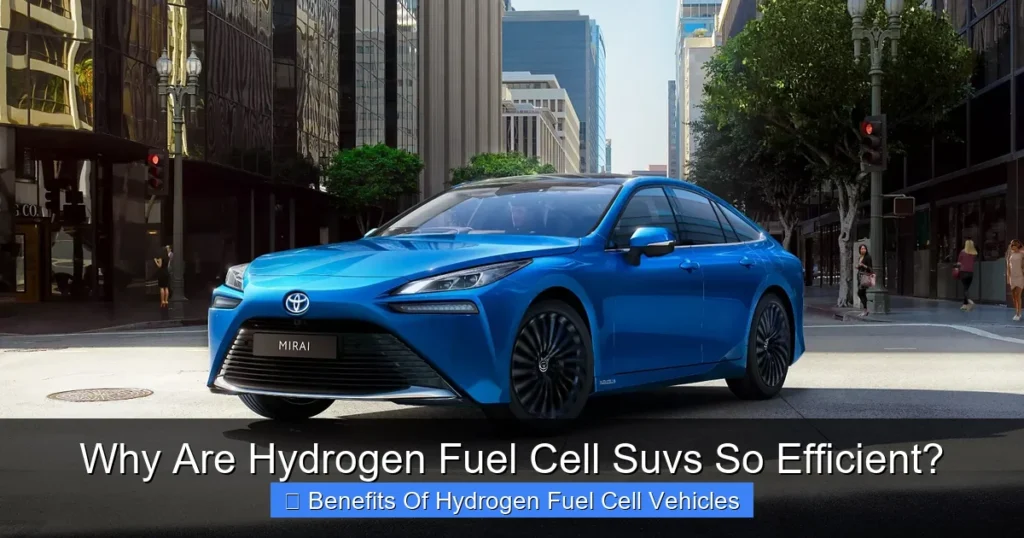
Hydrogen fuel cell SUVs combine cutting-edge technology with environmental responsibility, offering impressive efficiency, rapid refueling, and long driving ranges. Unlike battery-electric vehicles, they generate electricity on board using hydrogen, making them ideal for larger, heavier vehicles like SUVs without sacrificing performance or convenience.
Key Takeaways
- High Energy Density: Hydrogen has nearly three times the energy per pound compared to gasoline, enabling longer ranges with less weight.
- Fast Refueling: Refill a hydrogen SUV in 3–5 minutes—similar to gasoline—eliminating long charging waits.
- Zero Tailpipe Emissions: The only byproduct is water vapor, making these SUVs truly clean for urban and rural environments.
- Efficient Power Conversion: Fuel cells convert hydrogen to electricity at up to 60% efficiency, far surpassing internal combustion engines.
- Ideal for Heavy-Duty Use: SUVs benefit from hydrogen’s ability to power large vehicles without range anxiety or battery degradation.
- Regenerative Braking Compatibility: Many hydrogen SUVs integrate regenerative systems to recapture energy and boost overall efficiency.
- Scalable for Future Infrastructure: As hydrogen stations grow, these SUVs will become even more practical and widespread.
📑 Table of Contents
- Why Are Hydrogen Fuel Cell SUVs So Efficient?
- The Science Behind Hydrogen Fuel Cell Efficiency
- Refueling Speed: A Major Efficiency Win
- Zero Emissions: Clean Efficiency for a Greener Planet
- Performance and Practicality: Why SUVs Are a Perfect Fit
- Regenerative Systems and Smart Energy Use
- The Future of Hydrogen SUVs: Scaling Up for Efficiency
- Conclusion: The Efficient Future of Driving
Why Are Hydrogen Fuel Cell SUVs So Efficient?
Imagine driving a spacious, powerful SUV that can go 300–400 miles on a single tank, refuel in under five minutes, and leave nothing behind but a trail of water vapor. Sounds like science fiction? It’s not—it’s the reality of hydrogen fuel cell SUVs. These vehicles are redefining what it means to be efficient, sustainable, and practical in the modern automotive world.
At first glance, hydrogen might seem like an odd choice for powering a vehicle. After all, we’re used to gasoline engines or battery-electric systems. But hydrogen fuel cell technology offers a unique blend of performance, convenience, and environmental benefits that make it especially well-suited for larger vehicles like SUVs. Unlike traditional cars that burn fuel to create motion, hydrogen SUVs use a chemical reaction to generate electricity—cleanly and efficiently—right inside the vehicle.
The efficiency of hydrogen fuel cell SUVs comes from a combination of advanced engineering, smart energy use, and the inherent advantages of hydrogen as a fuel source. From the way they convert energy to how they handle real-world driving conditions, these vehicles are built to maximize every ounce of power while minimizing waste. And as the world shifts toward greener transportation, hydrogen SUVs are emerging as a compelling alternative—not just for eco-conscious drivers, but for anyone who values range, speed, and reliability.
The Science Behind Hydrogen Fuel Cell Efficiency
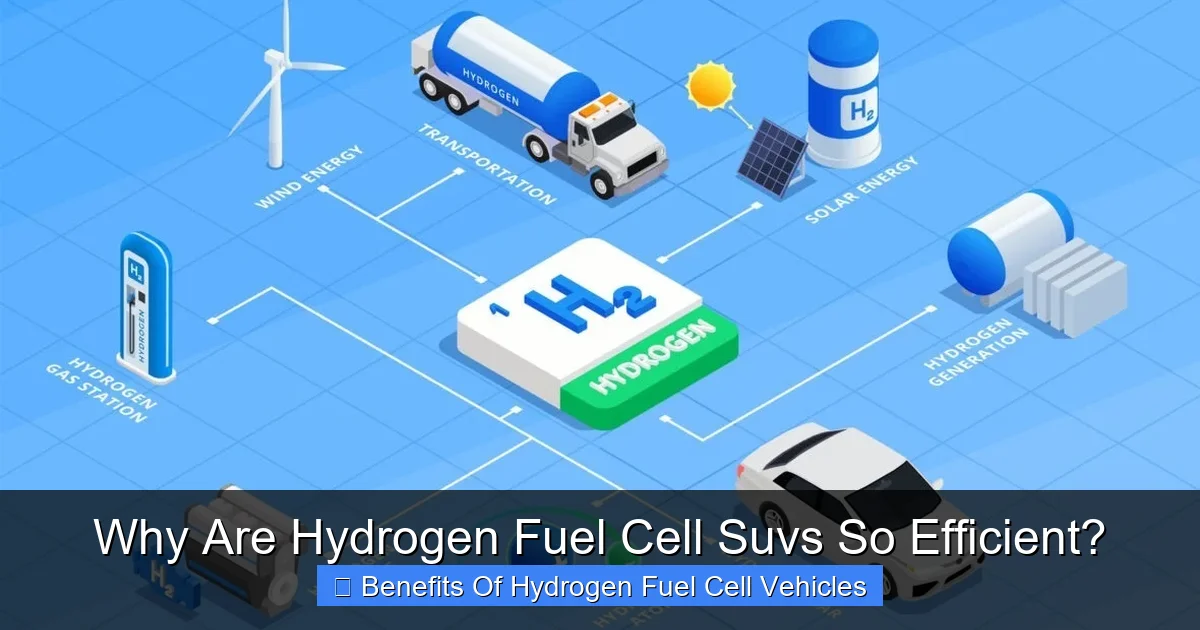
Visual guide about Why Are Hydrogen Fuel Cell Suvs So Efficient?
Image source: aeologic.com
To understand why hydrogen fuel cell SUVs are so efficient, we need to look under the hood—literally and figuratively. At the heart of every hydrogen SUV is a fuel cell stack, a sophisticated system that converts hydrogen gas into electricity through an electrochemical reaction. This process is fundamentally different from combustion, and that’s where the efficiency gains begin.
How Fuel Cells Work
A fuel cell consists of two electrodes—an anode and a cathode—sandwiched around an electrolyte membrane. When hydrogen gas (H₂) is fed into the anode, it splits into protons and electrons. The protons pass through the membrane to the cathode, while the electrons are forced through an external circuit, creating an electric current. At the cathode, the protons, electrons, and oxygen from the air combine to form water (H₂O)—the only emission.
This process is incredibly clean and efficient. Unlike gasoline engines, which lose a lot of energy as heat and friction, fuel cells convert chemical energy directly into electrical energy with minimal waste. In fact, modern fuel cells operate at efficiencies of 50–60%, compared to just 20–30% for most internal combustion engines.
Energy Density Advantage
One of the biggest reasons hydrogen fuel cell SUVs are efficient is the high energy density of hydrogen. Energy density refers to how much energy a fuel can store per unit of weight. Hydrogen has an energy density of about 120 MJ/kg, which is nearly three times greater than gasoline (44 MJ/kg). This means that, pound for pound, hydrogen packs a much bigger punch.
For SUVs—which are typically heavier and require more power than smaller cars—this is a game-changer. A hydrogen fuel cell system can deliver the same (or better) performance as a gasoline engine while using less fuel by weight. Even though hydrogen tanks take up more space than gasoline tanks, the overall system remains compact and lightweight enough to fit comfortably in an SUV chassis.
Onboard Electricity Generation
Another efficiency booster is the fact that hydrogen SUVs generate electricity on demand. Unlike battery-electric vehicles (BEVs), which must store all their energy in heavy lithium-ion batteries, hydrogen vehicles produce power as they drive. This eliminates the need for massive battery packs, reducing vehicle weight and increasing range.
For example, the Toyota Mirai, a hydrogen fuel cell sedan, has a range of over 400 miles—comparable to many gasoline cars—while weighing less than some long-range BEVs. When adapted to SUV platforms, this advantage becomes even more pronounced. The Hyundai NEXO, a hydrogen-powered SUV, offers a range of up to 380 miles and can refuel in under five minutes, something no current BEV can match.
Refueling Speed: A Major Efficiency Win
One of the most practical reasons hydrogen fuel cell SUVs are efficient is refueling time. If you’ve ever waited hours for an electric car to charge, you’ll appreciate the simplicity of hydrogen.
Gas-Like Refueling Experience
Refueling a hydrogen SUV is as easy as filling up at a gas station. You pull up to a hydrogen dispenser, connect the nozzle, and in 3–5 minutes, your tank is full. No need to plan charging stops, hunt for compatible chargers, or worry about slow charging speeds. This makes hydrogen SUVs ideal for long road trips, busy families, or commercial fleets that can’t afford downtime.
Compare that to battery-electric SUVs, which can take 30 minutes to several hours to recharge, depending on the charger type and battery size. Even with fast chargers, you’re still looking at a significant time investment. For drivers who value their time and convenience, hydrogen offers a clear edge.
Consistent Performance in All Conditions
Another benefit of fast refueling is consistent performance. Unlike batteries, which can lose efficiency in cold weather, hydrogen fuel cells maintain their output across a wide range of temperatures. This means your SUV will deliver the same range and power whether you’re driving through a snowy mountain pass or a desert highway.
In contrast, BEVs often see reduced range in cold climates due to battery chemistry limitations. Heating the cabin also drains the battery faster, further cutting into range. Hydrogen SUVs avoid these issues because the fuel cell generates heat as a byproduct, which can be used to warm the cabin without extra energy draw.
Infrastructure Growth and Future Potential
While hydrogen refueling stations are still limited compared to gas stations or EV chargers, the infrastructure is expanding rapidly. Countries like Japan, South Korea, Germany, and the United States are investing heavily in hydrogen networks. California, for example, already has over 50 hydrogen stations, with plans to reach 200 by 2025.
As more stations come online, the convenience of hydrogen refueling will only improve. And because hydrogen can be produced from renewable sources like wind and solar, the entire energy chain can be clean and sustainable.
Zero Emissions: Clean Efficiency for a Greener Planet
Efficiency isn’t just about performance—it’s also about environmental impact. Hydrogen fuel cell SUVs excel in this area by producing zero tailpipe emissions.
Only Water Comes Out the Tailpipe
When a hydrogen SUV runs, the only thing it emits is water vapor. No carbon dioxide (CO₂), no nitrogen oxides (NOx), no particulate matter—just pure H₂O. This makes them one of the cleanest vehicles on the road, especially in urban areas where air quality is a major concern.
For cities struggling with smog and pollution, hydrogen SUVs offer a way to reduce harmful emissions without sacrificing vehicle size or utility. Families can drive large, safe SUVs without contributing to climate change or respiratory health issues.
Well-to-Wheel Emissions Matter
Of course, the full environmental picture includes how the hydrogen is produced. Currently, most hydrogen is made from natural gas through a process called steam methane reforming, which does release CO₂. However, this is changing fast.
Green hydrogen—produced using renewable energy to split water into hydrogen and oxygen—is becoming more affordable and widespread. When hydrogen is made this way, the entire lifecycle of the vehicle becomes nearly carbon-neutral. In fact, studies show that green hydrogen vehicles can reduce well-to-wheel emissions by up to 70% compared to gasoline cars.
As renewable energy costs continue to fall, green hydrogen will become the standard, making hydrogen SUVs even more efficient from an environmental standpoint.
Quiet Operation for a Better Driving Experience
Another often-overlooked benefit of hydrogen fuel cell SUVs is their quiet operation. Without a roaring engine or loud exhaust, these vehicles glide silently down the road. This not only reduces noise pollution but also enhances comfort for passengers.
Imagine driving through a quiet neighborhood or a national park without disturbing the peace. Hydrogen SUVs make that possible, offering a serene driving experience that complements their clean efficiency.
Performance and Practicality: Why SUVs Are a Perfect Fit
You might wonder: why are hydrogen fuel cells especially efficient in SUVs? The answer lies in the unique demands of larger vehicles.
Power Without the Weight
SUVs are built for power, space, and versatility. But that often comes at the cost of fuel efficiency. Traditional gasoline SUVs are heavy, which means they need more energy to move. Battery-electric SUVs solve some of these issues but require massive batteries that add weight and reduce cargo space.
Hydrogen fuel cell SUVs strike a balance. The fuel cell system is compact and lightweight, and the hydrogen tanks can be strategically placed to maintain a low center of gravity. This results in better handling, improved safety, and more usable interior space.
For example, the Honda CR-V Hydrogen concept uses a fuel cell system that fits neatly under the hood, preserving the SUV’s familiar layout and cargo capacity. This makes it practical for families, adventurers, and anyone who needs a versatile vehicle.
Long Range for Long Journeys
Range anxiety is a real concern for electric vehicle owners, especially in rural or remote areas. Hydrogen SUVs eliminate this worry with ranges that rival or exceed those of gasoline vehicles. Most hydrogen SUVs can travel 300–400 miles on a single tank—enough for cross-country trips without frequent stops.
This makes them ideal for road trips, outdoor adventures, or daily commutes in areas with limited charging infrastructure. You can drive from Los Angeles to San Francisco on one tank, refuel in minutes, and keep going.
Towing and Off-Road Capability
Many SUVs are used for towing trailers, boats, or campers. This requires sustained power and torque, which can drain a battery quickly. Hydrogen fuel cells, however, deliver consistent power output regardless of load. Whether you’re climbing a steep hill or pulling a heavy trailer, the fuel cell maintains performance without overheating or losing efficiency.
Additionally, hydrogen SUVs often come with advanced all-wheel-drive systems and rugged suspensions, making them capable off-road vehicles. The combination of clean energy and tough performance makes them a great choice for eco-conscious adventurers.
Regenerative Systems and Smart Energy Use
Efficiency isn’t just about the fuel source—it’s also about how the vehicle uses energy. Hydrogen fuel cell SUVs often incorporate smart technologies that maximize every watt.
Regenerative Braking
Like many modern vehicles, hydrogen SUVs use regenerative braking to recapture energy during deceleration. When you slow down, the electric motor acts as a generator, converting kinetic energy back into electricity. This energy is stored in a small buffer battery and used to assist the fuel cell during acceleration.
This system reduces the load on the fuel cell, improving overall efficiency and extending range. It also reduces wear on the brakes, lowering maintenance costs over time.
Thermal Management Systems
Fuel cells generate heat during operation, and managing that heat is crucial for efficiency. Advanced thermal management systems in hydrogen SUVs use coolant loops and heat exchangers to maintain optimal operating temperatures. Excess heat can even be redirected to warm the cabin in cold weather, reducing the need for electric heaters.
This smart use of energy ensures that nothing goes to waste, making the vehicle more efficient in all conditions.
Energy Recovery from Auxiliary Systems
Modern hydrogen SUVs also recover energy from auxiliary systems like air conditioning, lighting, and infotainment. By using high-efficiency components and intelligent power distribution, these vehicles minimize parasitic losses and keep the fuel cell focused on propulsion.
The result is a vehicle that uses every bit of energy wisely, delivering more miles per kilogram of hydrogen.
The Future of Hydrogen SUVs: Scaling Up for Efficiency
As technology advances and infrastructure grows, hydrogen fuel cell SUVs are poised to become even more efficient and accessible.
Improved Fuel Cell Durability
One of the challenges with early fuel cells was durability. Exposure to extreme temperatures, humidity, and contaminants could degrade performance over time. But recent advances in materials and design have significantly improved longevity.
Modern fuel cells can now last over 100,000 miles with minimal degradation, making them reliable for long-term use. This reduces the need for replacements and lowers the total cost of ownership.
Lower Production Costs
Hydrogen fuel cells were once expensive to produce, but economies of scale and better manufacturing techniques are driving prices down. As more automakers adopt the technology, costs are expected to fall further, making hydrogen SUVs more affordable for average consumers.
Government incentives and tax credits also help offset the initial price, especially in regions with strong clean energy policies.
Integration with Renewable Energy
The future of hydrogen lies in its integration with renewable energy. Solar and wind farms can generate excess electricity during peak production times, which can be used to produce green hydrogen. This hydrogen can then be stored and used to power vehicles, creating a closed-loop energy system.
Some forward-thinking communities are already building “hydrogen hubs” where renewable energy, production, storage, and refueling are all co-located. This reduces transportation costs and increases overall efficiency.
Expansion of Hydrogen Models
Currently, only a few hydrogen SUVs are available, such as the Hyundai NEXO and the upcoming Toyota Highlander Fuel Cell. But more models are on the way. Automakers like General Motors, BMW, and Mercedes-Benz are investing in hydrogen technology, with plans to launch hydrogen SUVs in the next few years.
As competition increases, we can expect better performance, lower prices, and more choices for consumers.
Conclusion: The Efficient Future of Driving
Hydrogen fuel cell SUVs represent a powerful convergence of efficiency, performance, and sustainability. They offer the range and refueling speed of gasoline vehicles, the quiet operation of electric cars, and the environmental benefits of zero emissions. For drivers who need a large, capable vehicle without compromising on green values, hydrogen SUVs are a smart, forward-thinking choice.
Their efficiency stems from multiple factors: the high energy density of hydrogen, the clean conversion process in fuel cells, rapid refueling, and smart energy management systems. When combined with the growing infrastructure and falling costs, these vehicles are becoming increasingly practical for everyday use.
While challenges remain—such as expanding refueling networks and increasing green hydrogen production—the momentum is undeniable. As technology improves and awareness grows, hydrogen fuel cell SUVs will play a key role in the transition to a cleaner, more efficient transportation future.
So the next time you see a hydrogen SUV on the road, remember: it’s not just another vehicle. It’s a glimpse into a future where driving is powerful, convenient, and kind to the planet.
Frequently Asked Questions
How efficient are hydrogen fuel cell SUVs compared to gasoline SUVs?
Hydrogen fuel cell SUVs are significantly more efficient, converting 50–60% of hydrogen’s energy into electricity, while gasoline SUVs only achieve 20–30% efficiency due to heat and friction losses.
Can hydrogen SUVs really refuel in just a few minutes?
Yes, most hydrogen SUVs can be refueled in 3–5 minutes, similar to gasoline vehicles, making them much faster than battery-electric SUVs that require 30+ minutes to charge.
Are hydrogen fuel cell SUVs safe?
Yes, hydrogen tanks are rigorously tested and designed to withstand crashes, punctures, and extreme conditions. Modern safety systems also detect leaks and shut off the fuel supply instantly.
How far can a hydrogen SUV go on one tank?
Most hydrogen SUVs offer a range of 300–400 miles, comparable to gasoline SUVs and often exceeding the range of many battery-electric SUVs.
Is hydrogen production environmentally friendly?
It depends on the method. Green hydrogen, made using renewable energy, is clean and sustainable. Most hydrogen today is gray (from natural gas), but the shift to green hydrogen is accelerating.
Will hydrogen SUVs become more common in the future?
Yes, as infrastructure expands and production costs fall, more automakers are investing in hydrogen technology, making hydrogen SUVs increasingly viable and widespread.